United States · Texas
Where to Stay in Plano, Texas
Plano, the largest city in Collin County, sits north of Dallas in the Dallas-Fort Worth metroplex and dates from 1873.
Hotel links are affiliate links: booking through them may earn us a commission, at no extra cost to you. It never affects how places are ranked. How this works


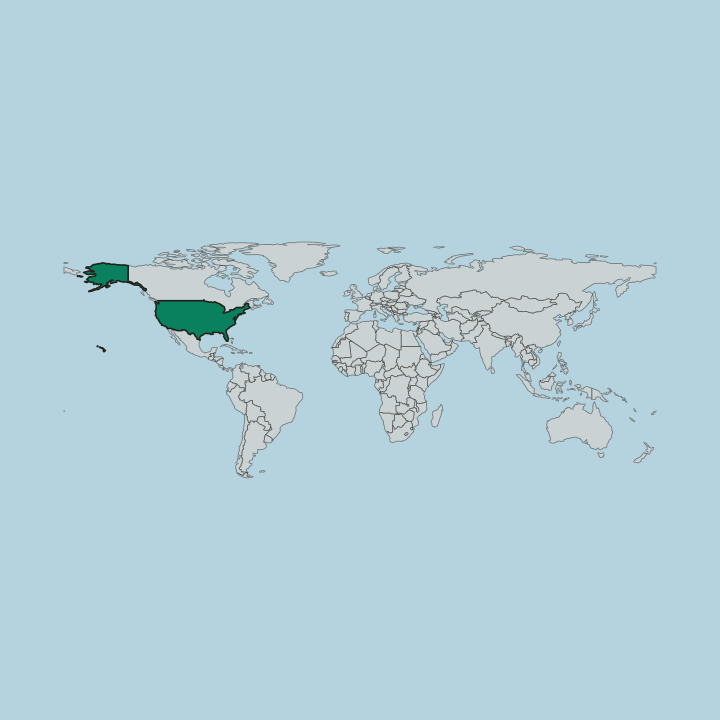
Where to stay in Plano
How the choice of base plays out on the ground.
The Plano Downtown Historic District is the walkable choice. Its blocks hold the Mathews General Store, the Fred Schimelpfenig Building and the old Plano High School and Gymnasium, and a room there suits you if the point of the trip is the town rather than the office parks. Business beds sit elsewhere.
Most of the room stock in Plano follows the corporate campuses spread across Collin County, where the calculation is proximity to a meeting and nothing else. Dallas is the obvious alternative. Plano lies north of it within the Dallas-Fort Worth metroplex, so anyone splitting a trip between the two can book in the larger city and drive up, which works until the weekday traffic decides otherwise.
Denton County takes a sliver. A small part of Plano crosses that line, and beds there are scarce enough that the drive back toward the Heritage Farmstead Museum and the Texas Pool becomes the daily pattern. The Saigling House marks the arts end.
Rooms near it put the Plano Station, Texas Electric Railway site and the historic district within one short circuit.
Find hotels in Plano
Direct booking searches for these neighbourhoods.
The Plano Downtown Historic District
The Plano Downtown Historic District keeps the Mathews General Store and the Fred Schimelpfenig Building within a block of one another.Find hotels in The Plano Downtown Historic Districtmeetings at the corporate campuses spread across Collin CountyThe Collin County campus belt
Most Plano rooms follow the headquarters offices rather than the old centre, which puts a meeting first and the Heritage Farmstead Museum second.Find hotels in The Collin County campus beltquiet edges where Plano crosses into Denton CountyThe Denton County sliver
Only a small part of Plano falls inside Denton County, and beds there sit well back from the Saigling House and the Texas Pool. Rooms are few around here — worth securing early.Find hotels in The Denton County sliverHotel links are affiliate links: booking through them may earn us a commission, at no extra cost to you. It never affects how places are ranked. How this works
Things to do in Plano
Ranked by global recognition; descriptions from Wikidata (CC0).
Castles & Historic Sites
1- Plano Downtown Historic District Heritage
Landmarks & Notable Places
8- Heritage Farmstead Museum Heritage
- Fred Schimelpfenig Building Heritage
- Mathews General Store Heritage
- Plano High School and Gymnasium Heritage
- Plano National Bank/I.O.O.F. Lodge Building Heritage
Show 3 more →
- Saigling House Heritage
- Texas Pool Heritage
- W. D. McFarlin Building Heritage
worth knowingacross 2 categories in Plano
About Plano
Corporate headquarters set the tone.
What is Plano known for?
Several large companies run their headquarters from Plano, and that gives a Collin County suburb north of Dallas a weekday rhythm of its own inside the Dallas-Fort Worth metroplex. The old centre survived. The Plano Downtown Historic District keeps the storefronts of the nineteenth-century town, among them the Mathews General Store and the Fred Schimelpfenig Building, while the Heritage Farmstead Museum holds the farming record.
What are the main landmarks in Plano?
The Plano Downtown Historic District gathers most of them. Inside it stand the Mathews General Store, the Fred Schimelpfenig Building and the W. D. McFarlin Building, three survivors of the commercial town. The Heritage Farmstead Museum works the farming side.
Plano High School and Gymnasium, the Saigling House and the Texas Pool fill out the list, and the Plano Station, Texas Electric Railway marks where the electric line once stopped.
What is the history of Plano?
Plano dates from 1873. The town took its formal shape in that year on farmland north of Dallas, and the Heritage Farmstead Museum preserves the agricultural life that filled the decades before anything else arrived. Farming ran the calendar.
Commerce followed the plough. The Mathews General Store and the Fred Schimelpfenig Building went up along streets later protected as the Plano Downtown Historic District, and Plano High School and Gymnasium served the children of the same generation. The railway arrived to connect it.
Plano Station, Texas Electric Railway marks the point where the electric line ran through, tying a Collin County farm town to Dallas by rail. Suburban growth came after. Corporate headquarters chose Plano as the Dallas-Fort Worth metroplex spread north, and the city became the largest in Collin County, with a small share of its ground crossing the line into Denton County.
The Saigling House and the Texas Pool belong to that later century. Both survive from the decades when the farm town was turning into something else. What the museums keep is the earlier city.
Where is Plano?
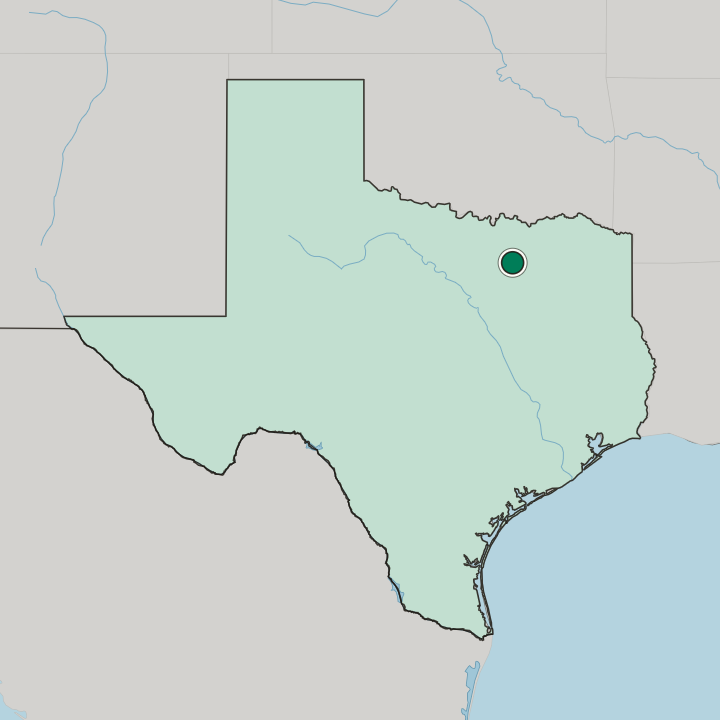
Collin County is the anchor. Plano is its largest city, occupying a wide block of ground north of Dallas, with only a small portion reaching over the line into Denton County. The metroplex surrounds it.
Built-up ground runs from Dallas up through Plano and on past it, which is why the Plano Downtown Historic District reads as an island of older fabric rather than the centre of a separate town.
What is the climate of Plano?
Summer decides the itinerary. Long subtropical heat sits over the Dallas-Fort Worth metroplex from late spring onward, and the Texas Pool exists because a Collin County suburb needed somewhere to put the afternoons. Plano's cold months pass quickly.
Those months open the Plano Downtown Historic District to walking, and the Heritage Farmstead Museum reads better without the glare.
How do you get to Plano?
Dallas handles the arrivals. Plano lies north of it inside the Dallas-Fort Worth metroplex, so most visitors reach the larger city first and finish the trip by road across Collin County. Local distances are wide.
Plano Station, Texas Electric Railway stands as a heritage building rather than a working stop, which leaves a car to link the Heritage Farmstead Museum, the Saigling House and the Texas Pool in one day.
Common questions
What is the best area to stay in Plano?
The Plano Downtown Historic District: walking the storefronts of the Plano Downtown Historic District. The Collin County campus belt: meetings at the corporate campuses spread across Collin County. The Denton County sliver: quiet edges where Plano crosses into Denton County.
More cities in Texas
Updated September 2026