United States · Texas
Where to Stay in El Paso, Texas
Desert light and a river gap in the mountains give El Paso its name, a city in Texas on the southern border, settled in 1680.
Hotel links are affiliate links: booking through them may earn us a commission, at no extra cost to you. It never affects how places are ranked. How this works


Where to stay in El Paso
How the choice of base plays out on the ground.
Where to stay in El Paso centers on the downtown core near the crossing and the historic districts that ring it. Downtown puts the El Paso Museum of Art and the El Paso Museum of History within a short walk, along with the Railroad and Transportation Museum of El Paso by the old depot. That makes it a natural base for a first stay.
The blocks are compact, and the mountain rises straight above the northern edge of the core. Historic residential quarters offer a quieter base. Streets around the Magoffin Home State Historic Site keep older adobe and territorial houses, and the Chamizal National Memorial Visitor Center marks the parkland along the border to the south.
Culture-minded visitors can add the International Museum of Art and La Nube science center for families. The choice comes down to whether you want the downtown museums, the historic streets near the Magoffin Home State Historic Site, or a base close to the border parkland.
Find hotels in El Paso
Direct booking searches for these neighbourhoods.
Downtown
The core groups the El Paso Museum of Art, the El Paso Museum of History, and the Railroad and Transportation Museum of El Paso within a short walk.Find hotels in DowntownVisitors drawn to older adobe streets and the border parklandHistoric quarter
Streets near the Magoffin Home State Historic Site keep territorial houses close to the Chamizal National Memorial Visitor Center.Find hotels in Historic quarterHotel links are affiliate links: booking through them may earn us a commission, at no extra cost to you. It never affects how places are ranked. How this works
Things to do in El Paso
Ranked by global recognition; descriptions from Wikidata (CC0).
Museums & Galleries
3- El Paso Museum of Art
- Railroad and Transportation Museum of El Paso
- International Museum of Art
Churches & Religious Sites
3- Centro Familiar El Calvario
- Consilio El Buen Samaritano
- Immaculate Conception Church
Stadiums & Sports
2- Kidd Field
- University Field
Landmarks & Notable Places
3- House at 912 Magoffin Avenue Heritage
- Adolph Schwartz House Heritage
- Burges House Heritage
worth knowingacross 4 categories in El Paso
About El Paso
What is El Paso known for?
El Paso is known for its border setting and for a run of museums that read the crossing point in the Texas desert. The name means the pass. That gap in the mountains shaped the settlement, and the city records its story in the El Paso Museum of History and the Magoffin Home State Historic Site, while the El Paso Museum of Art and the Chamizal National Memorial Visitor Center hold the cultural and diplomatic sides of the border.
What are the main landmarks in El Paso?
The main landmarks in El Paso run from historic adobe homes to modern museums. Adobe came first. The Magoffin Home State Historic Site fixes the territorial-era city, while the El Paso Museum of Art and the El Paso Museum of History cover the wider record downtown.
The Railroad and Transportation Museum of El Paso marks the arrival of the line, the Chamizal National Memorial Visitor Center reads the border settlement, and La Nube draws families to a hands-on science floor near the center. Immaculate Conception Church and the college grounds at Kidd Field round out the older civic set.
What is the history of El Paso?
El Paso traces its founding to 1680, when the mission settlements formed at the river pass that gave the site its Spanish name in Texas. The gap through the mountains was the natural crossing for the trade and travel that moved along the river, and the town grew as a way station for that traffic. Adobe was the first material.
Spanish and later Mexican rule shaped the early quarters, and the Magoffin Home State Historic Site survives as a record of the territorial era that followed. The railroad reached the pass in the last century and made it a major junction, a story kept in the Railroad and Transportation Museum of El Paso. Border diplomacy left its own mark, commemorated at the Chamizal National Memorial Visitor Center on the parkland that settled a long boundary dispute.
The El Paso Museum of History gathers these threads. Downtown still sits in the shadow of the mountain gap, so the city reads as a crossing that grew into a border metropolis without losing the pass that named it.
Where is El Paso?
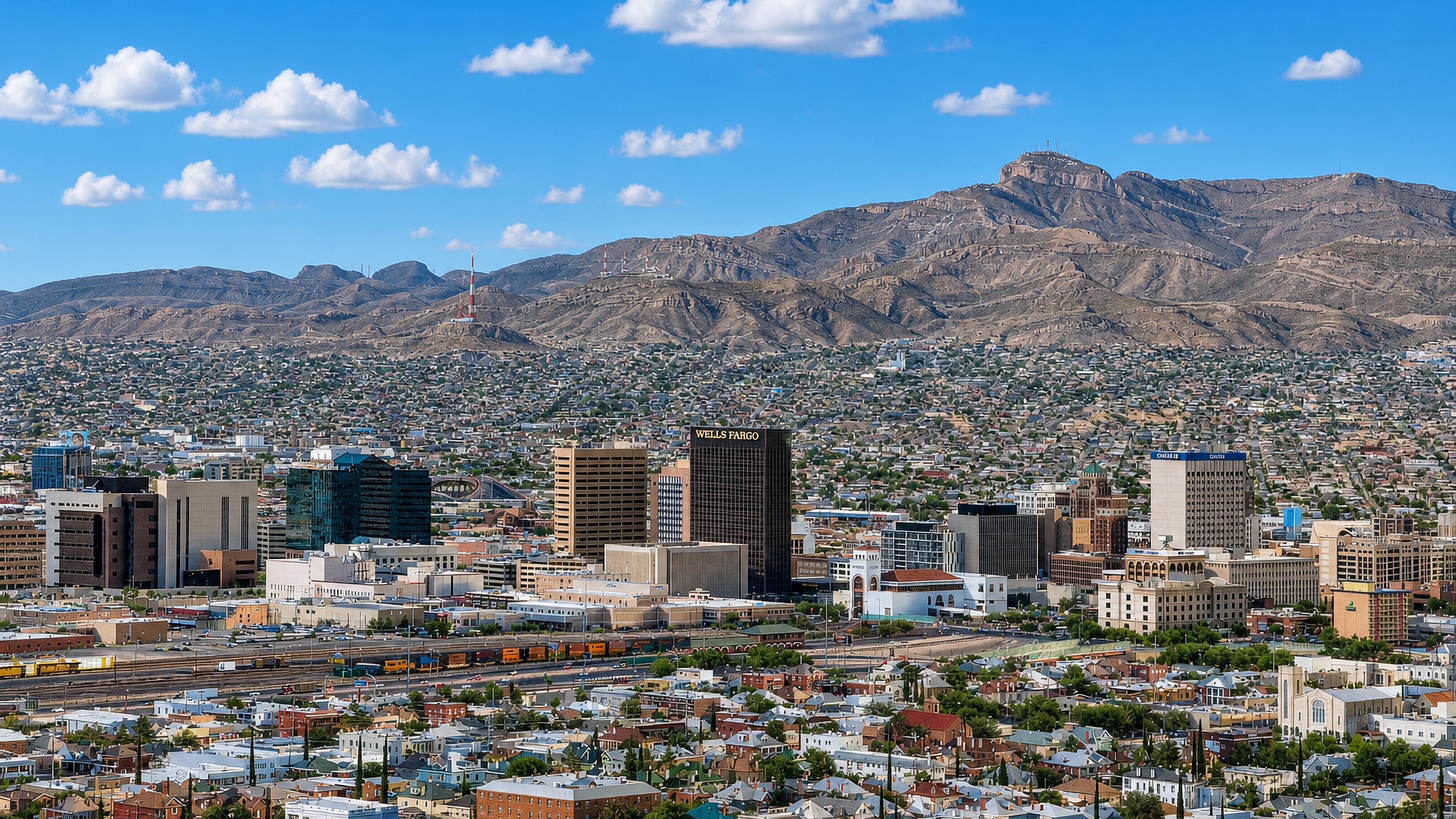
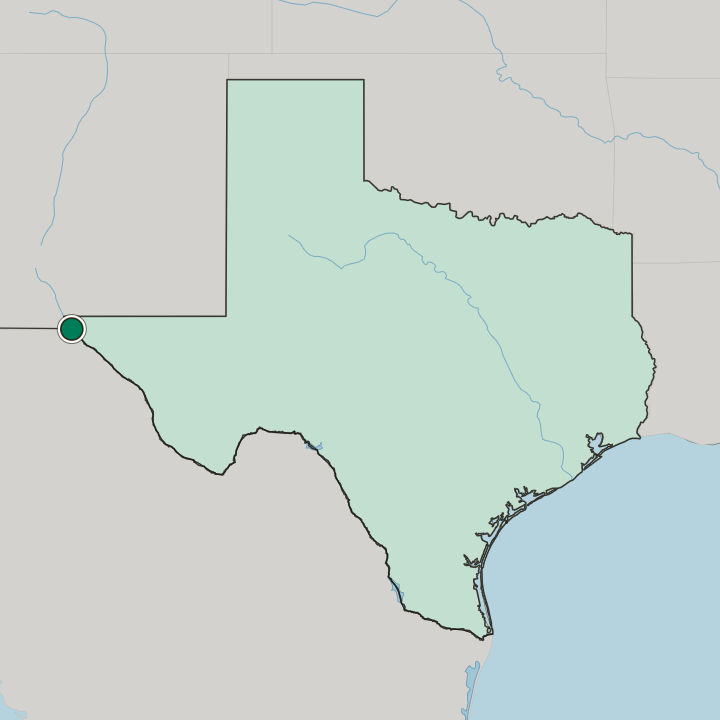
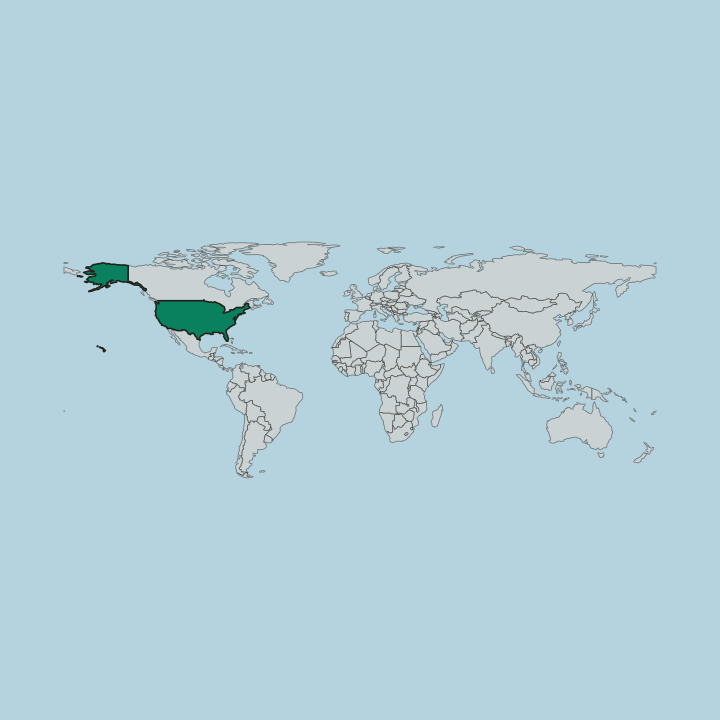
El Paso sits at a river pass in the far western corner of Texas, where a break in the mountains lets a river slip through onto the desert plain. The city climbs the lower slopes on the northern side and spreads across the flat valley to the south. Desert surrounds it on every side.
The mountain that splits the town rises bare and rocky above the downtown grid, giving El Paso a dry, sun-struck setting framed by the gap that named it.
What is the climate of El Paso?
El Paso has a hot desert climate with some of the clearest skies in Texas. Summers are long, hot, and dry, broken only by brief storms that build over the mountains in late summer. Winter is brief and gentle here.
Nights turn cold once the desert air loses the day's heat behind the pass. Rain is scarce all year, so the surrounding plain stays bare except where the river threads its narrow green line through the gap.
How do you get to El Paso?
El Paso is the main travel hub of far western Texas, reached by air, interstate, and the rail lines that follow the river pass. Many arrive by road. An airport sits northeast of downtown, a short drive from the museums around the El Paso Museum of Art, and interstate highways run east and north from the crossing.
International bridges link the center to the city across the border, funneling traffic through the same gap that shaped the town around the Magoffin Home State Historic Site.
Common questions
What is the best area to stay in El Paso?
Downtown: First-time visitors here for the museums and the border crossing. Historic quarter: Visitors drawn to older adobe streets and the border parkland.
Good for
More cities in Texas
Updated September 2026