United States · Texas
Where to Stay in San Antonio, Texas
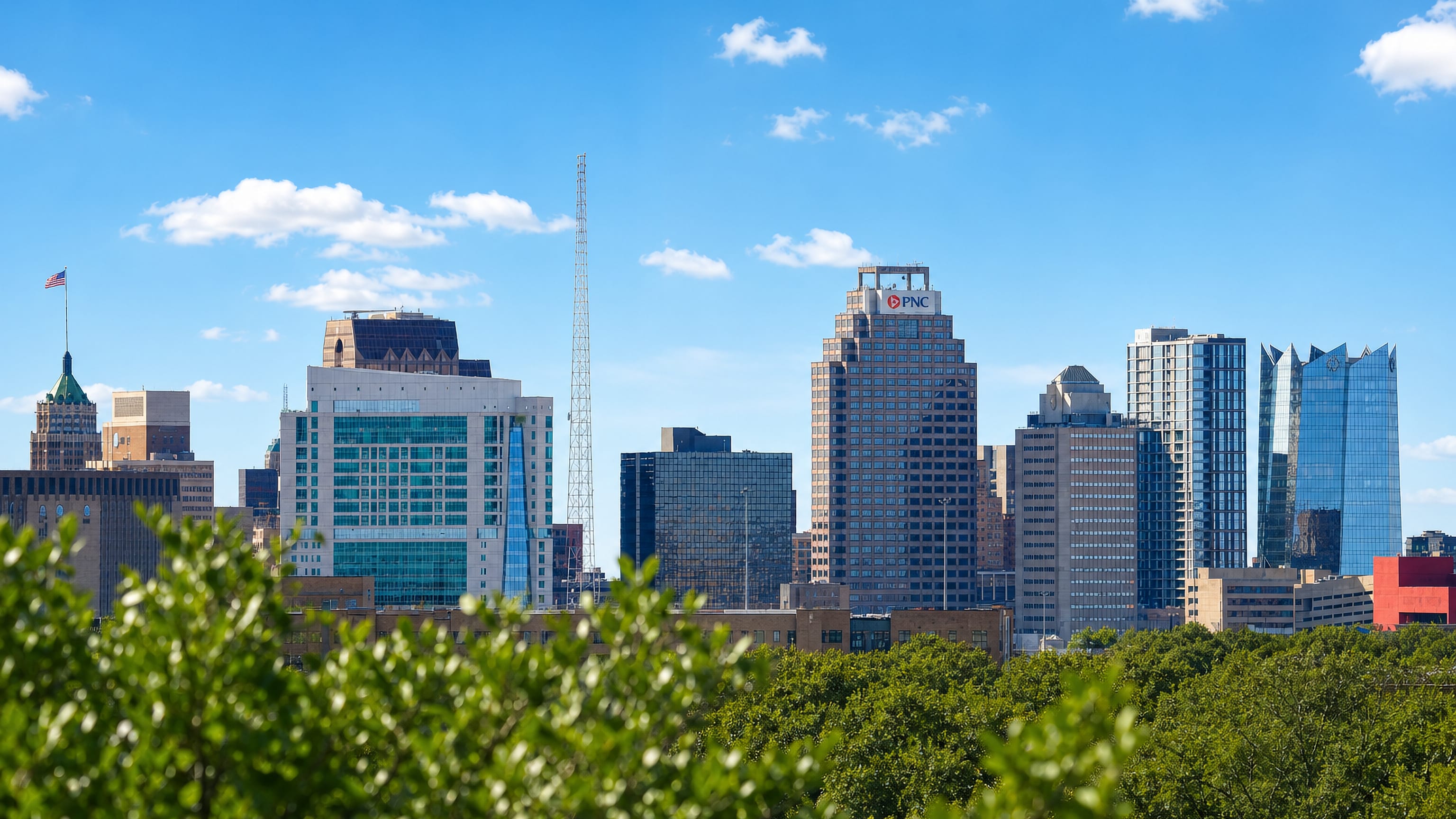
San Antonio is a historic city in Texas, founded in 1718 and known for the Cathedral of San Fernando, Mission Concepcion, and the Tower of the Americas.
Hotel links are affiliate links: booking through them may earn us a commission, at no extra cost to you. It never affects how places are ranked. How this works


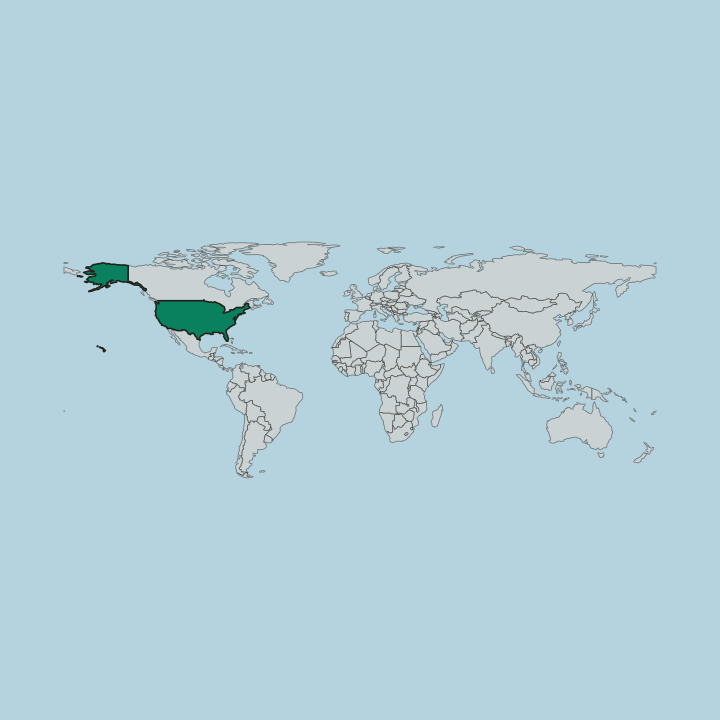
Where to stay in San Antonio
The practical side of choosing where to sleep.
San Antonio spreads its lodging between the historic downtown around the Cathedral of San Fernando and the museum quarters north and south of the centre. Base yourself downtown for the shortest reach to the old missions and the civic heart of Texas. The centre stays busy after dark.
Stay in the downtown blocks if colonial history sits at the top of your list, since the Cathedral of San Fernando, the Bexar County Courthouse, and the Tower of the Americas all rise within a short walk there. For an art-led base, choose the streets near the San Antonio Museum of Art and the Institute of Texan Cultures, both a brief ride from the core. Heritage runs down the side lanes.
Guests drawn to old houses do well near the Edward Steves Homestead and the O. Henry House Museum, preserving early San Antonio homes close to the river bends. The Blue Star Contemporary Art Center and Ruby City anchor the southern arts district for travellers after modern galleries. Each of these areas keeps the missions and the downtown core within an easy ride of one another.
Find hotels in San Antonio
Direct booking searches for these neighbourhoods.
Downtown missions core
The downtown blocks gather the Cathedral of San Fernando, the Bexar County Courthouse, and the Tower of the Americas within one walkable stretch of colonial Texas.Find hotels in Downtown missions coreArt visitors near the San Antonio Museum of Art and the Institute of Texan CulturesMuseum Reach
The northern river quarter puts the San Antonio Museum of Art and the Institute of Texan Cultures a short ride from the room along the water.Find hotels in Museum ReachGallery-goers near the Blue Star Contemporary Art Center and Ruby CitySouthtown arts district
The southern lanes around the Blue Star Contemporary Art Center and Ruby City keep the Edward Steves Homestead and modern galleries close together.Find hotels in Southtown arts districtHotel links are affiliate links: booking through them may earn us a commission, at no extra cost to you. It never affects how places are ranked. How this works
Things to do in San Antonio
Ranked by global recognition; descriptions from Wikidata (CC0).
Museums & Galleries
3- Norton-Polk-Mathis House Heritage
- San Antonio Museum of Art
- Institute of Texan Cultures
Churches & Religious Sites
4- Cathedral of San Fernando Heritage
- Mission Concepcion Heritage
- Basilica of the National Shrine of the Little Flower Heritage
- St. Mark's Episcopal Church Heritage
Landmarks & Notable Places
8- Bexar County Courthouse Heritage
- Edward Steves Homestead Heritage
- Anton Wulff House Heritage
- Carl Wilhelm August Groos House Heritage
- Yturri-Edmunds House Heritage
Show 3 more →
- Johann and Anna Heidgen House Heritage
- Jeremiah Dashiell House Heritage
- J.M. and Birdie Nix House Heritage
worth knowingacross 3 categories in San Antonio
About San Antonio
What is San Antonio known for?
San Antonio is known first for its Spanish colonial heritage, carried by the Cathedral of San Fernando and Mission Concepcion at the heart of Texas. The Tower of the Americas rises above the modern skyline as the city's tallest marker. Art fills the older streets.
The San Antonio Museum of Art and the Blue Star Contemporary Art Center draw visitors downtown, while the Institute of Texan Cultures tells the story of the state's many peoples. Ruby City adds a striking home for its contemporary collection.
What are the main landmarks in San Antonio?
San Antonio keeps its landmarks between mission walls and modern galleries. The Cathedral of San Fernando and Mission Concepcion carry the city's Spanish colonial past, while the Tower of the Americas marks its modern skyline. Old houses hold the middle ground.
The Edward Steves Homestead, the Yturri-Edmunds House, and the O. Henry House Museum preserve early San Antonio homes, joined by the stone bulk of the Bexar County Courthouse. Art rounds out the set. The San Antonio Museum of Art, the Institute of Texan Cultures, and Ruby City gather the city's leading collections across Texas.
San Antonio's sights read in layers.
What is the history of San Antonio?
San Antonio was founded in 1718 as a Spanish mission and presidio in what is now Texas, one of the oldest European settlements in the region. Its founders chose the site for its springs and its position on the road between the older colonies and the frontier. The missions built the town.
Spanish friars raised a chain of missions along the river, of which Mission Concepcion still stands as the best-preserved stone church of its kind. The Cathedral of San Fernando grew from the same colonial core to become one of the oldest cathedrals in the United States. Frontier trade followed the roads.
Nineteenth-century merchants and German settlers left a run of grand houses, among them the Edward Steves Homestead and the Yturri-Edmunds House, which still stand near the old river bends. Civic life gathered around the Bexar County Courthouse, whose red stone anchored the growing county seat. Over the years the city spread outward from its mission core across the surrounding hill country.
That founding purpose as a Spanish mission, more than any later boom, shaped how San Antonio came to be.
Where is San Antonio?
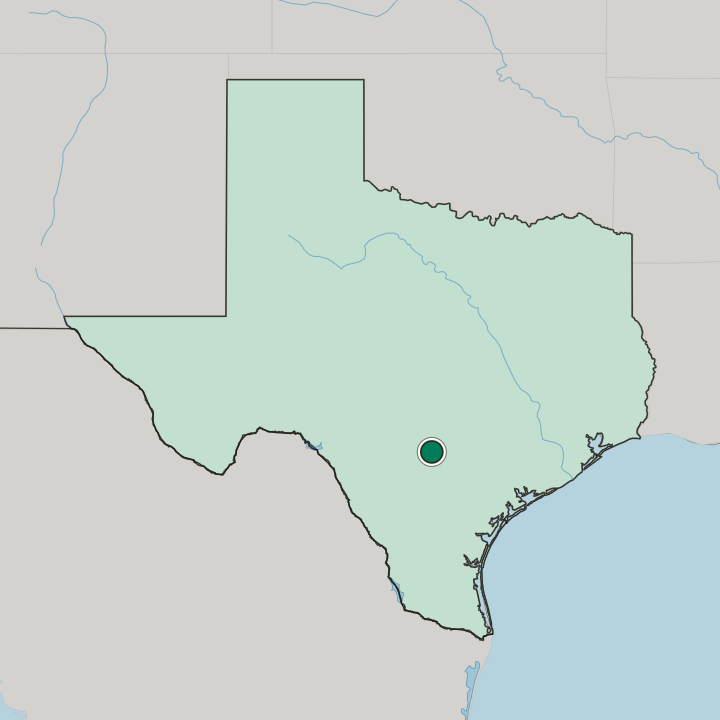
San Antonio sits in south-central Texas, spread across gentle ground where the coastal plain meets the edge of the hill country. Its river winds through the centre, and the streets fan outward from the old mission core to a wide ring of suburbs. Springs feed the water here.
That rolling, well-watered setting, warm and open to the south, gives the city its broad sprawl. The Tower of the Americas rises over the downtown skyline.
What is the climate of San Antonio?
San Antonio has a warm subtropical climate with long hot summers and short mild winters across south-central Texas. Heat and humidity build through the long summer, while winters stay mostly gentle with only brief cold snaps. Rain comes in heavy bursts.
Storms roll up from the Gulf. Spring and autumn bring the most pleasant stretches, and the hill country to the north tempers the nights a little above the warm plain that carries the rest of Texas. Dry spells can run long.
How do you get to San Antonio?
San Antonio sits at the meeting of several interstate highways in south-central Texas, served by its own international airport north of the centre. Most visitors arrive by road or air. From downtown near the Cathedral of San Fernando it is a short drive out to the missions and the wider hill country.
The flat street grid makes the centre simple to cross. Rail and bus lines add further links.
Common questions
What is the best area to stay in San Antonio?
Downtown missions core: History travellers wanting the Cathedral of San Fernando and the Bexar County Courthouse at the door. Museum Reach: Art visitors near the San Antonio Museum of Art and the Institute of Texan Cultures. Southtown arts district: Gallery-goers near the Blue Star Contemporary Art Center and Ruby City.
Good for
More cities in Texas
Updated October 2026