United States · Texas
Where to Stay in Garland, Texas
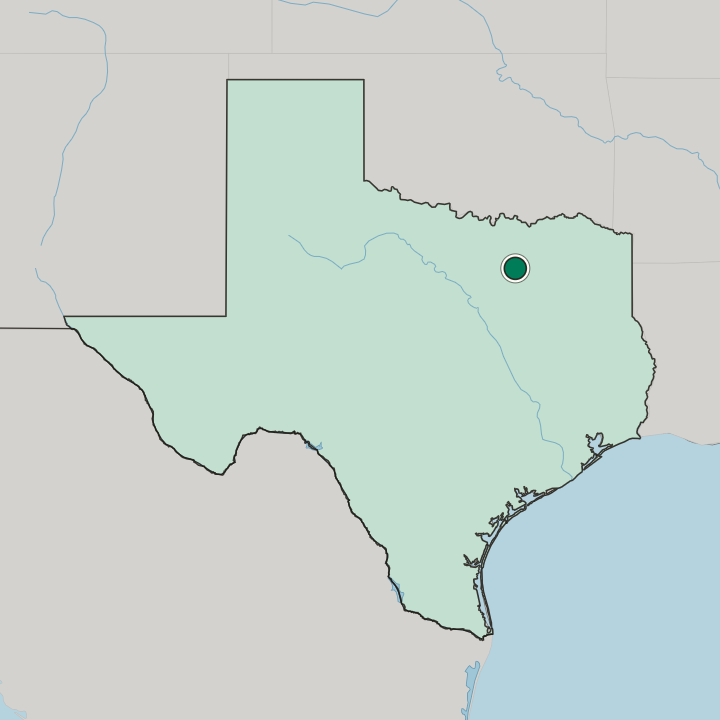
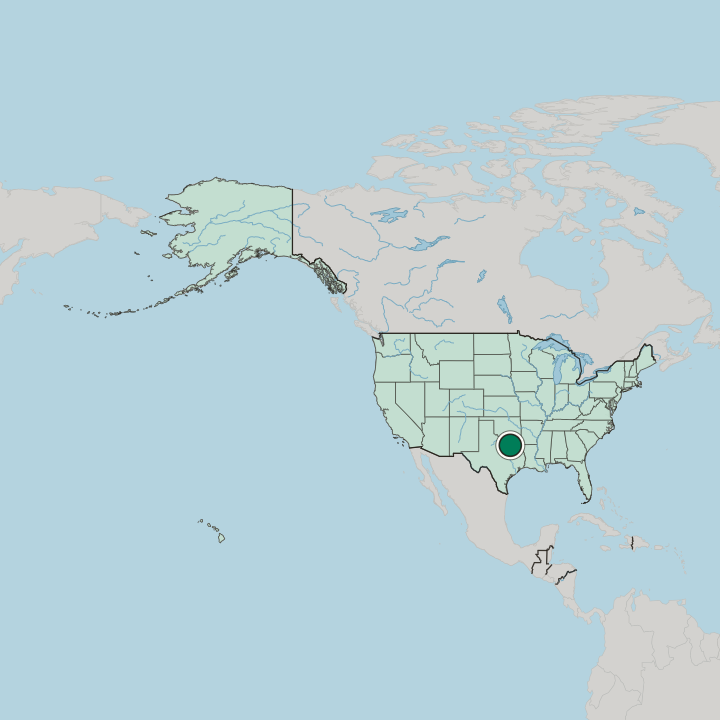
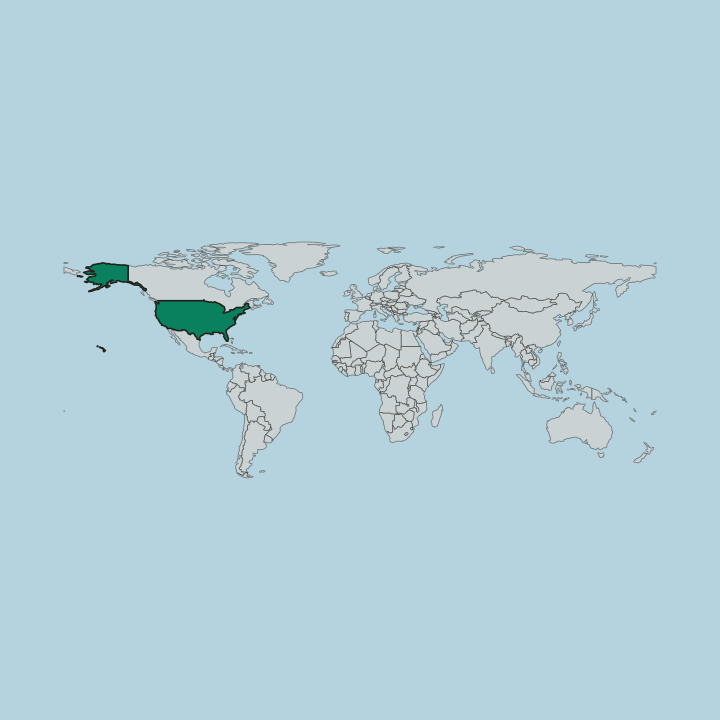
Garland is a city of Dallas County northeast of Dallas, reaching into Collin and Rockwall counties, with two DART Blue Line stations of its own.
Hotel links are affiliate links: booking through them may earn us a commission, at no extra cost to you. It never affects how places are ranked. How this works


Where to stay in Garland
Where visitors usually base themselves, and why.
Transit decides this one. A room near either of Garland's two DART Blue Line stations turns the city into a base for downtown Dallas, which is a rare option for a suburb this far out from the centre. Buses fill the gaps between them.
If you want the older Garland rather than the commuter version, the streets around the Andrew Jackson Beaver House and the John and Nina Pace House hold the smaller scale the city had before the metro area arrived. Downtown Dallas is the point of the transit option, and anyone using it will spend more time on the Blue Line than in Garland itself. The north side runs newer.
Suburban Garland spreads that way toward the Collin County line, and rooms there come with parking and a straightforward drive rather than a station within walking distance. Garland reaches into Dallas, Collin, and Rockwall counties, so two hotels in the same city can sit a long drive apart. Distances across the city are long enough that the choice between the transit side and the north side is worth making before booking rather than after.
Find hotels in Garland
Direct booking searches for these neighbourhoods.
By the DART Blue Line stations
Beds within reach of Garland's two DART Blue Line stations and the ride to downtown DallasFind hotels in By the DART Blue Line stationsVisitors here for the Andrew Jackson Beaver House and Garland's other named housesThe older streets
Rooms among the older Garland streets where the John and Nina Pace House standsFind hotels in The older streetsDrivers wanting parking on the Collin County edge of GarlandThe north side
Rooms on Garland's north side, the newer suburban half toward the Collin County lineFind hotels in The north sideHotel links are affiliate links: booking through them may earn us a commission, at no extra cost to you. It never affects how places are ranked. How this works
About Garland
Rail transit sets Garland apart from most of its neighbours.
What is Garland known for?
Two DART Blue Line stations connect the city to downtown Dallas, which puts a suburb of this size within reach of the centre without a car. Mike Judge lived here. The creator of Beavis and Butthead and King of the Hill spent time in Garland, and the older streets keep a run of named houses from the town that stood before the metro area closed around it.
What are the main landmarks in Garland?
Garland keeps its heritage in houses. The Andrew Jackson Beaver House and the John and Nina Pace House are the plainest to name, and the list continues with the house of Dixie Tucker and Curtis Crossman Sr., along with the one recorded for G. Lester and Mattie Cole Davis. None of the six carries a grand civic presence.
The William A. Tinsley House and the James E. and Edith McCallum Beaver House complete the roll, and together they mark the streets where Garland stood before the metro area reached it.
What is the history of Garland?
Three counties meet in Garland. The town took shape in 1891 on ground that mostly belongs to Dallas County, though parts of it later ran across into Collin and Rockwall counties as the city grew outward. What survives from those first decades is domestic, a list of named houses rather than any grand civic set piece.
The Andrew Jackson Beaver House and the John and Nina Pace House stand among them. The William A. Tinsley House is one more of the survivors from that period. Rail changed the connection to Dallas.
Two DART Blue Line stations gave Garland a direct link to downtown Dallas, an unusual thing for a suburb of the metro area and the single fact that shapes how visitors move between the two. Buses fill in the rest of the network. Mike Judge, who created Beavis and Butthead and King of the Hill, lived in Garland at one time, which is the city's clearest claim on popular culture.
The north side turned suburban as the metro area filled in, and the older streets around the named houses kept a smaller scale.
Where is Garland?
Garland lies northeast of Dallas. Most of the city belongs to Dallas County, with portions running over into Collin and Rockwall counties, so it answers to three counties rather than one. The ground is flat and built up, and the north side of Garland runs to the suburban pattern of the wider metro area.
Its municipal area covers a wide spread of that ground.
What is the climate of Garland?
Heat here runs deep into the year. Garland shares the subtropical heat of the whole Dallas area, and the built-up ground of the metro area holds that warmth well into the evening through the middle of the year. Winter is mild and short, which leaves spring and autumn as the sensible windows for walking the older streets.
Air conditioning does the rest.
How do you get to Garland?
The DART Blue Line runs to downtown Dallas from two stations in Garland, which makes arriving without a car genuinely practical here. Buses cover the rest. Drivers come out northeast from Dallas across the metro area, and the city's spread across Dallas, Collin, and Rockwall counties means the address matters more than the direction of approach.
Common questions
What is the best area to stay in Garland?
By the DART Blue Line stations: Car-free trips riding the DART Blue Line into downtown Dallas. The older streets: Visitors here for the Andrew Jackson Beaver House and Garland's other named houses. The north side: Drivers wanting parking on the Collin County edge of Garland.
More cities in Texas
Updated September 2026