United States · Texas
Where to Stay in Fort Worth, Texas
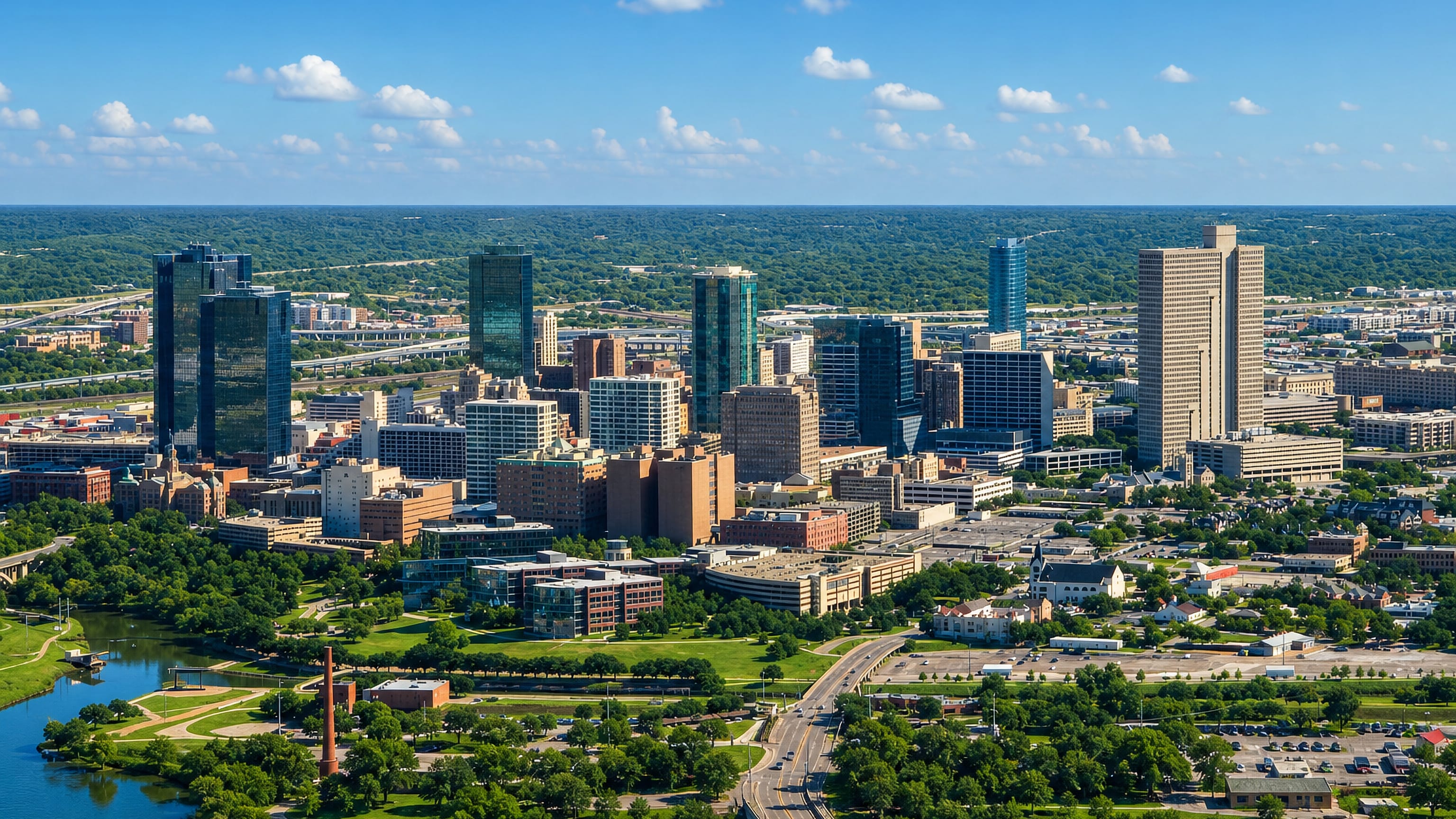
Fort Worth is a cattle-trail city in Texas, known for the Amon Carter Museum of American Art and its historic Stockyards district.
Hotel links are affiliate links: booking through them may earn us a commission, at no extra cost to you. It never affects how places are ranked. How this works


Where to stay in Fort Worth
The practical side of choosing where to sleep.
Where to stay in Fort Worth splits between the downtown core, the Stockyards to the north, and the cultural district to the west. Downtown is the natural first base. Its walkable blocks sit near the Sundance Square entertainment quarter and the Fort Worth Museum of Science and History is a short hop away, so first-time visitors who want restaurants and the city core settle here.
Beds fill fast when the Will Rogers Memorial Center hosts the stock show. The Stockyards, north of downtown, put you in the heart of the cowboy district near the Texas Cowboy Hall of Fame, a lively pick if you want rodeo and cattle-drive history over city polish. West of the center, the cultural district around the Amon Carter Museum of American Art and the Modern Art Museum of Fort Worth trades bustle for museum lawns and quieter streets.
Choose downtown for dining, the Stockyards for cowboy heritage, and the cultural district for art and calm across Fort Worth.
Find hotels in Fort Worth
Direct booking searches for these neighbourhoods.
Downtown Fort Worth
Walkable blocks around Sundance Square sit a short hop from the Fort Worth Museum of Science and History.Find hotels in Downtown Fort WorthCowboy heritage by the Texas Cowboy Hall of FameThe Stockyards
The Stockyards district north of downtown Fort Worth wraps the Texas Cowboy Hall of Fame and its cattle-drive pens.Find hotels in The StockyardsArt stays by the Amon Carter Museum of American ArtCultural district
Museum lawns around the Amon Carter Museum of American Art and the Modern Art Museum of Fort Worth line the quiet cultural district.Find hotels in Cultural districtHotel links are affiliate links: booking through them may earn us a commission, at no extra cost to you. It never affects how places are ranked. How this works
Things to do in Fort Worth
Ranked by global recognition; descriptions from Wikidata (CC0).
Museums & Galleries
3- Museo de Arte Kimbell
- National Cowgirl Museum and Hall of Fame
- Texas Cowboy Hall of Fame
Churches & Religious Sites
7- First Christian Church Heritage
- St. Mary of the Assumption Church Heritage
- Allen Chapel AME Church Heritage
- Stephen F. Austin Elementary School Heritage
- Saint James Second Street Baptist Church Heritage
Show 2 more →
- Morning Chapel Colored Methodist Episcopal Church Heritage
- Tabernacle Baptist Church Heritage
Stadiums & Sports
1- Will Rogers Memorial Center Heritage
Parks & Gardens
1- Cutting Edge Haunted House
Landmarks & Notable Places
4- M. A. Benton House Heritage
- Eddleman-McFarland House Heritage
- Pollock-Capps House Heritage
- Cobb/Burney House Heritage
worth knowingacross 5 categories in Fort Worth
About Fort Worth
What is Fort Worth known for?
Fort Worth is known as the Texas city where the cattle trails met the railroad, and it keeps that ranching identity alongside a strong cultural district. The Stockyards carry the cowboy heritage. West of downtown, the Amon Carter Museum of American Art, the Modern Art Museum of Fort Worth, and the Sid Richardson Museum cluster in one of the country's densest art districts.
Cattle culture has its own halls, from the National Cowgirl Museum and Hall of Fame to the Texas Cowboy Hall of Fame.
What are the main landmarks in Fort Worth?
The main landmarks in Fort Worth split between the cultural district and the cattle quarter. The Amon Carter Museum of American Art, the Modern Art Museum of Fort Worth, and the Sid Richardson Museum anchor the museum lawns west of downtown. Cowboy heritage fills its own halls at the National Cowgirl Museum and Hall of Fame and the Will Rogers Memorial Center.
Grand old houses survive too. The Eddleman-McFarland House and the Pollock-Capps House keep the Victorian-era record near the bluff over the river.
What is the history of Fort Worth?
Fort Worth began in 1849 as an army post on a bluff above the Trinity River, guarding the Texas frontier. The fort gave the city its name. After the Civil War it became a stop on the Chisholm Trail, where herds bound north paused to water, and the cattle trade built the Stockyards and the packing houses that followed the railroad.
Grand houses such as the Eddleman-McFarland House and the Pollock-Capps House rose on the bluff as the trade prospered. Oil and ranching wealth in the twentieth century endowed the cultural district west of downtown, where the Amon Carter Museum of American Art and the Modern Art Museum of Fort Worth stand among the museum lawns. Churches from the settlement's earlier decades survive as well, among them the Allen Chapel AME Church and Tabernacle Baptist Church.
Fort Worth kept its cowtown identity even as it grew, and the National Cowgirl Museum and Hall of Fame carries that heritage forward in Texas.
Where is Fort Worth?
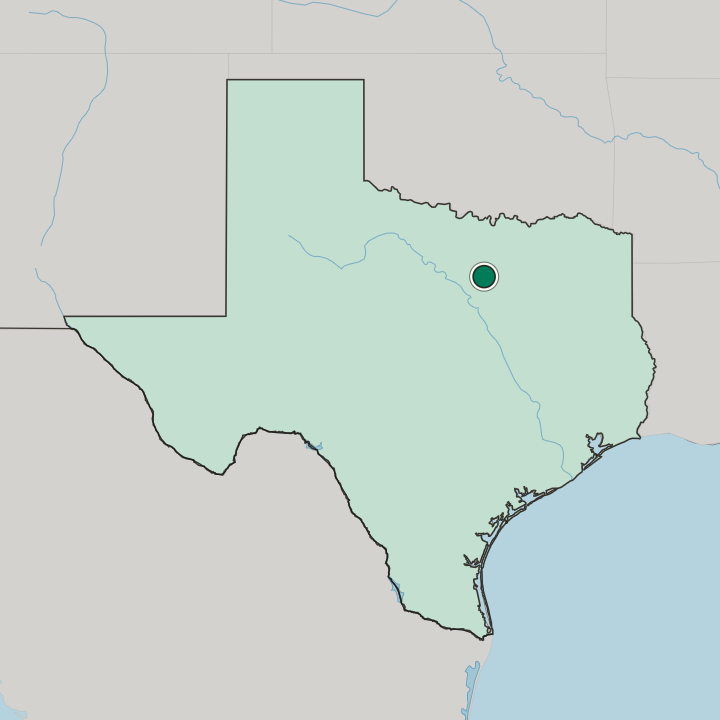
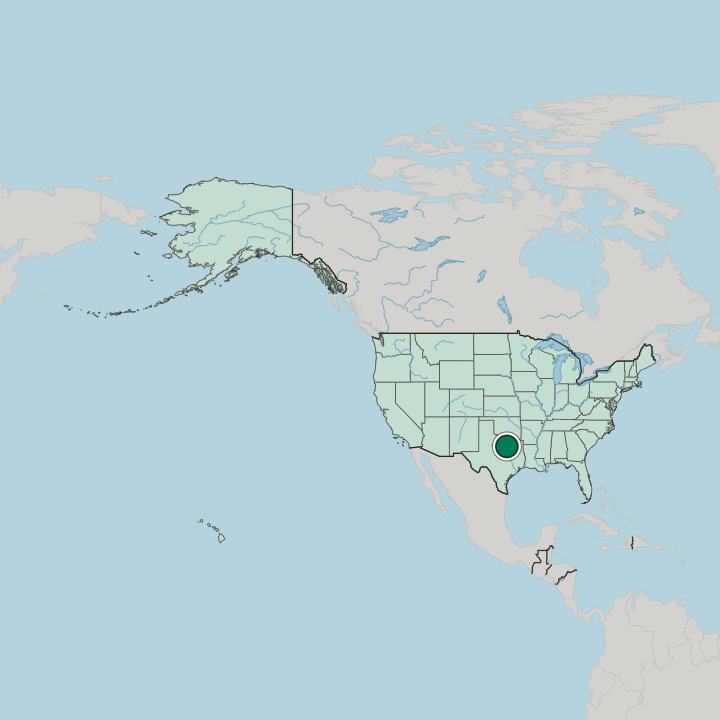
Fort Worth sits on the West Fork of the Trinity River in the state of Texas, at the western edge of the Dallas-Fort Worth metro. The old town crowns a low bluff. Around it the blackland prairie gives way to the rolling grass and cross-timbers country of the Texas plains, a transition that once defined the cattle-trail route.
The river and its forks thread through the city in a chain of lakes and greenbelts, while the flat prairie opens west toward the ranch country beyond.
What is the climate of Fort Worth?
Fort Worth has a warm, humid subtropical climate on the southern plains of Texas. Summers are long and hot. Spring brings the region's severe storms, when the city sits within the reach of the tornadoes that cross the prairie, and heavy rain can swell the Trinity River.
Winters stay short and generally mild, broken by cold fronts and the odd ice storm sweeping down from the north. Wind and drought mark the deep summer.
How do you get to Fort Worth?
Fort Worth sits on Interstate 35W and Interstate 30, the highways linking it across Texas and east toward Dallas. Dallas Fort Worth International Airport lies northeast between the two cities. Long-distance trains stop downtown.
From the airport it is a short drive to the Stockyards, the cultural district, and the Amon Carter Museum of American Art, while the dense highway grid of the metro carries most traffic across the wider region.
Common questions
What is the best area to stay in Fort Worth?
Downtown Fort Worth: Dining near the Fort Worth Museum of Science and History. The Stockyards: Cowboy heritage by the Texas Cowboy Hall of Fame. Cultural district: Art stays by the Amon Carter Museum of American Art.
Good for
More cities in Texas
Updated October 2026