United States · Texas
Where to Stay in Dallas, Texas
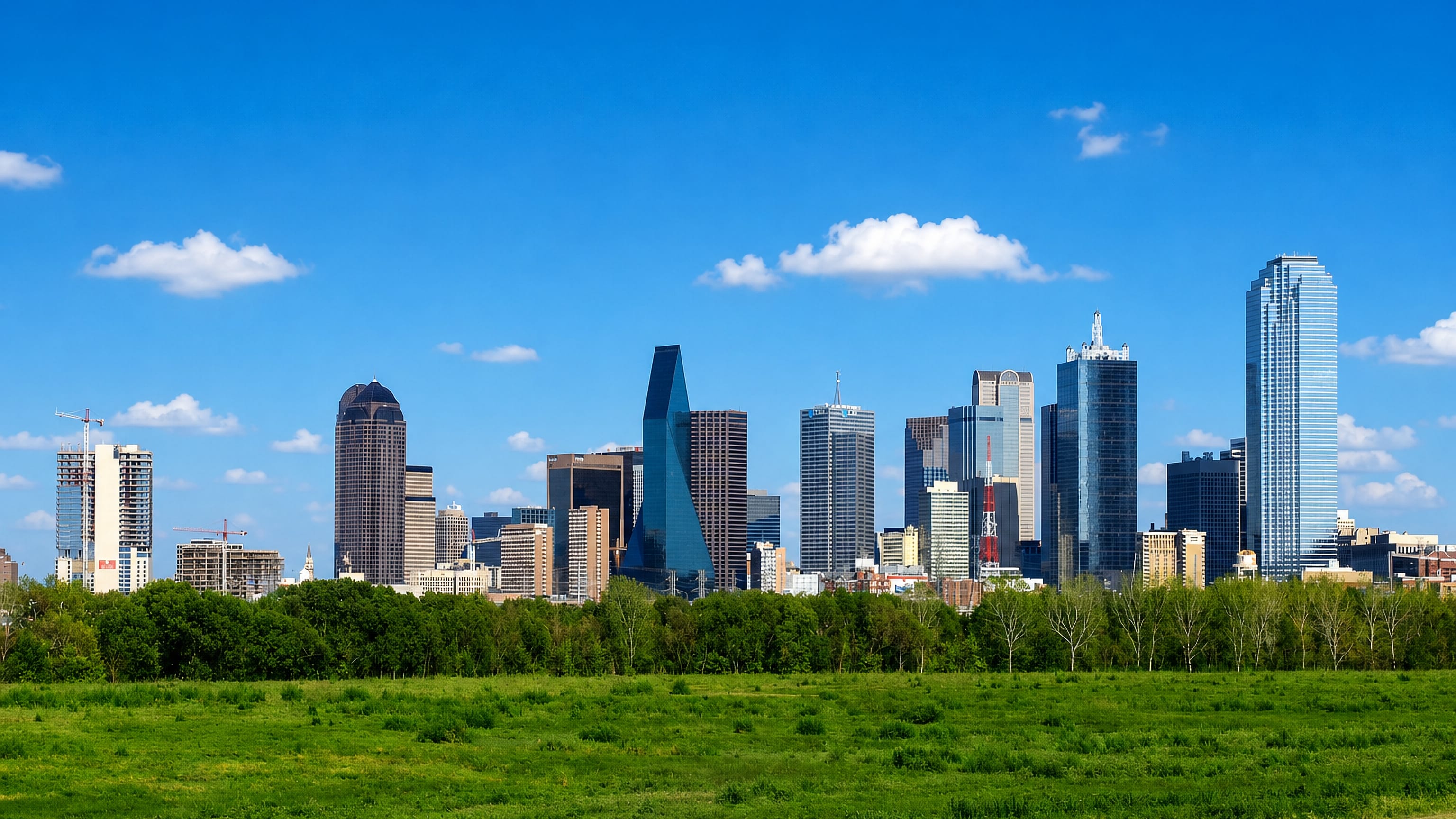
Reunion Tower rises over Dallas, an inland city in Texas known for the Dallas Museum of Art and the Sixth Floor Museum at Dealey Plaza.
Hotel links are affiliate links: booking through them may earn us a commission, at no extra cost to you. It never affects how places are ranked. How this works


Where to stay in Dallas
Where visitors usually base themselves, and why.
Dallas spreads across Texas, and where you stay turns on what you came for. The centre holds the museums, among them the Dallas Museum of Art, the Nasher Sculpture Center, and the Perot Museum of Nature and Science. Reunion Tower rises over it all.
Staying here puts you among the galleries and within a short walk of the Dallas World Aquarium. It suits travellers who want the museums and the skyline in reach. The streets run wide and flat.
The Sixth Floor Museum at Dealey Plaza gathers the older history of the city. It stands near the John Fitzgerald Kennedy Memorial and the Dallas County Courthouse, marking the assassination of President Kennedy. This ground suits visitors who came for that history.
Old churches stand across the city, among them the Church of the Incarnation and Emmanuel Lutheran Church. The Alfred Horatio Belo House keeps the look of the older town. The Dallas Holocaust and Human Rights Museum stands among the newer halls of the city.
Dallas anchors the Dallas-Fort Worth metroplex with Fort Worth. Choose the centre for museums, Dealey Plaza for history.
Things to do in Dallas
Ranked by global recognition; descriptions from Wikidata (CC0).
Museums & Galleries
3- Dallas County Courthouse Heritage
- Dallas Museum of Art
- Sixth Floor Museum at Dealey Plaza
Churches & Religious Sites
4- Oak Lawn Methodist Episcopal Church, South Heritage
- Emmanuel Lutheran Church Heritage
- Central Congregational Church Heritage
- Grace Methodist Episcopal Church Heritage
Castles & Historic Sites
1- Dallas Police Memorial
Landmarks & Notable Places
3- Alfred Horatio Belo House Heritage
- John H. Miller House Heritage
- The House Condos
worth knowingacross 4 categories in Dallas
About Dallas
Dallas is known for its museums and its modern skyline.
What is Dallas known for?
The Dallas Museum of Art, the Nasher Sculpture Center, and the Perot Museum of Nature and Science stand among its galleries, and the Sixth Floor Museum at Dealey Plaza records the assassination of President Kennedy. Reunion Tower marks the skyline. The John Fitzgerald Kennedy Memorial stands near the Dallas County Courthouse.
Dallas grew inland in Texas, far from the sea.
What are the main landmarks in Dallas?
Dallas's landmarks run from art to memory. The Dallas Museum of Art, the Nasher Sculpture Center, and the Perot Museum of Nature and Science hold its galleries, and the Sixth Floor Museum at Dealey Plaza records the assassination of President Kennedy. Reunion Tower marks the skyline.
The John Fitzgerald Kennedy Memorial and the Dallas County Courthouse stand nearby, and the Dallas World Aquarium draws families. The Church of the Incarnation keeps its older walls.
What is the history of Dallas?
Dallas was founded in 1841 in inland Texas. The settlement grew far from the sea, with no navigable river to the coast, and trade came instead by road and rail across Texas. It became the seat of Dallas County.
Over the generations that followed, the town grew into a city and joined with Fort Worth to anchor the Dallas-Fort Worth metroplex. The Alfred Horatio Belo House stands from the older years, and early churches like the Church of the Incarnation and Emmanuel Lutheran Church mark the same era. One later day changed the history of Dallas.
The Sixth Floor Museum at Dealey Plaza and the John Fitzgerald Kennedy Memorial mark the assassination of President Kennedy, which happened near the Dallas County Courthouse in the heart of the city. Museums grew after. The Dallas Museum of Art, the Nasher Sculpture Center, and the Perot Museum of Nature and Science opened over the years, and Reunion Tower rose above the skyline.
The Dallas Holocaust and Human Rights Museum joined them in time. Dallas built its name far inland in Texas. Its history stands downtown.
Where is Dallas?
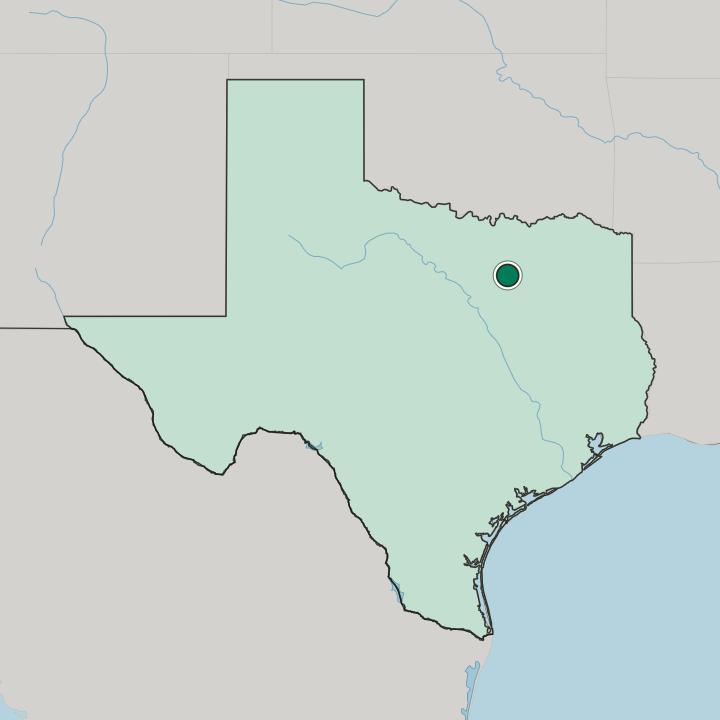
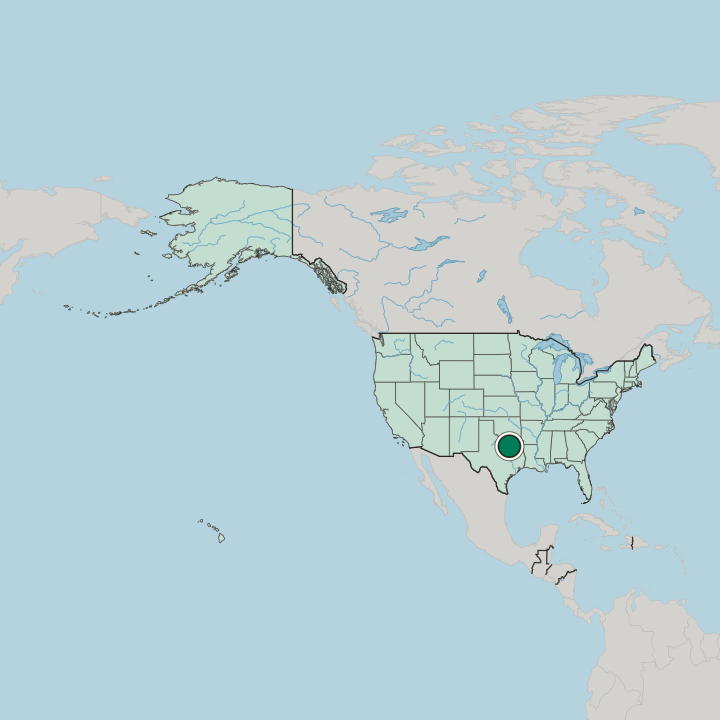
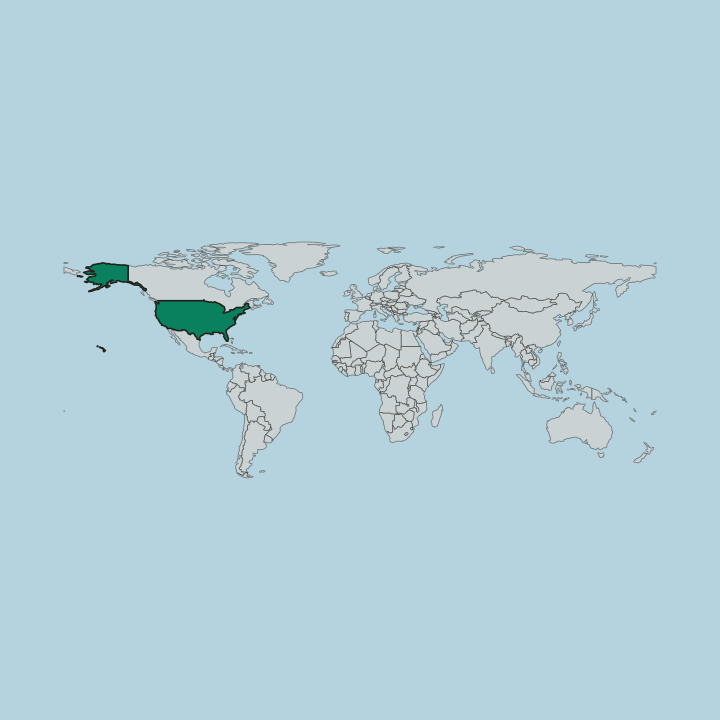
Dallas lies inland in Texas, one of the states of the United States, far from the sea. The city has no navigable river to the coast, and it spreads wide and flat across the land. Dallas County surrounds it.
It joins with Fort Worth to form the Dallas-Fort Worth metroplex, and the land reaches out beyond the city on every side.
What is the climate of Dallas?
Dallas has a warm, subtropical climate, with long hot summers and mild winters. The heat builds over inland Texas through the summer, and thunderstorms sweep across the flat land without a sea to cool them. Winter over Dallas is brief.
Cold snaps arrive now and then, but they pass quickly over the streets below Reunion Tower.
How do you get to Dallas?
Dallas is reached by road, by rail, and by air. Highways cross Texas and meet at the city, carrying traffic from across the United States, and railways run in from every direction. No ship can reach it.
The airport lies between Dallas and Fort Worth, at the heart of the metroplex. Roads bring most travellers to Dallas.
Good for
More cities in Texas
Updated October 2026