United States · Texas
Where to Stay in Amarillo, Texas
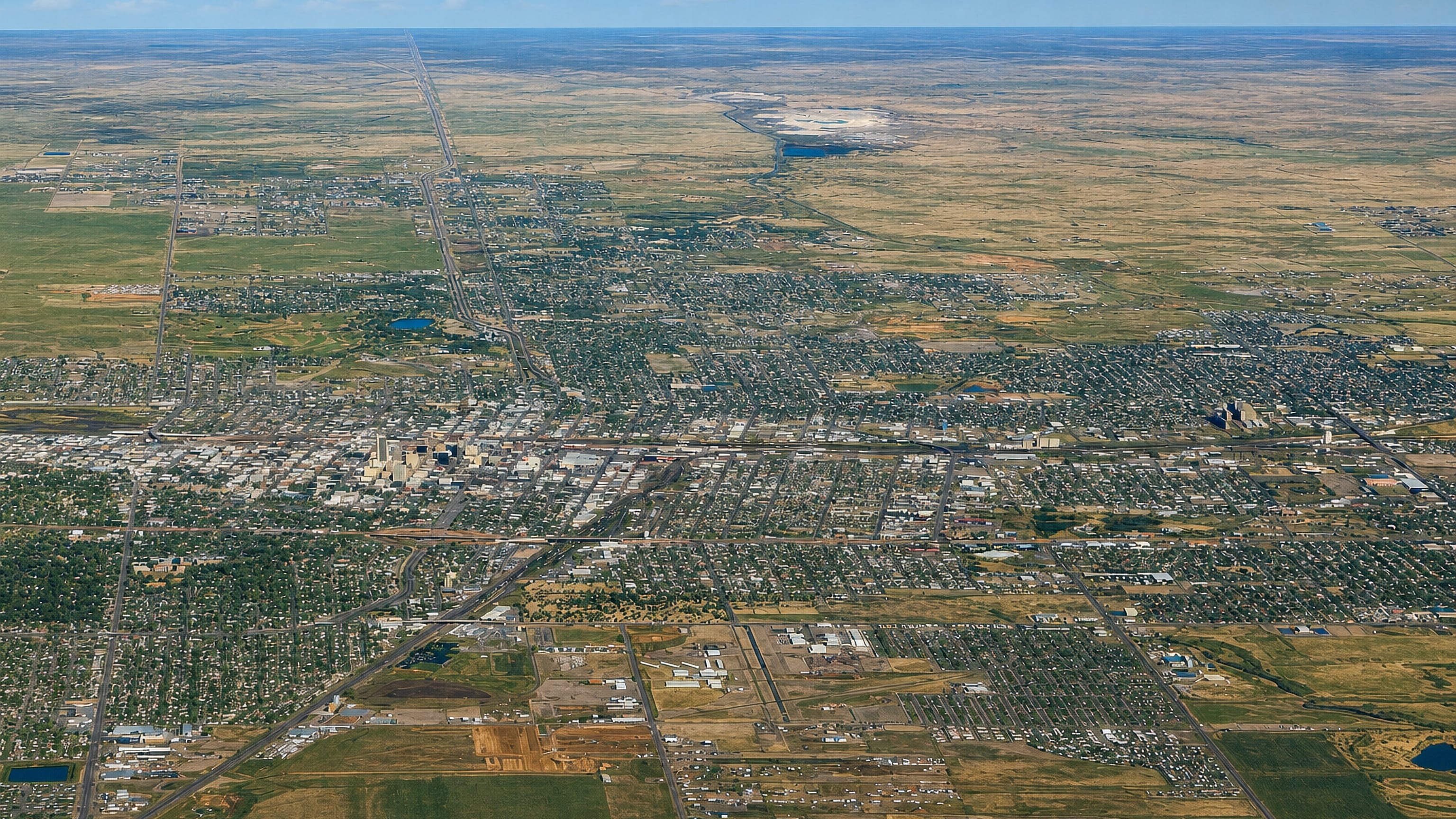
Wide plains open around Amarillo, the center of the Texas Panhandle, known for the American Quarter Horse Hall of Fame and the Amarillo Museum of Art.
Hotel links are affiliate links: booking through them may earn us a commission, at no extra cost to you. It never affects how places are ranked. How this works


Where to stay in Amarillo
How the choice of base plays out on the ground.
Amarillo spreads flat across the Texas Panhandle, and where you stay depends on whether you want the museums and old houses of the centre or the open ground toward the highways. The historic core gathers the churches and the early merchant homes. The old core is the natural place to begin a visit.
Travellers drawn to the old town settle near the Amarillo Museum of Art, where the Central Presbyterian Church and the Landergin-Harrington House stand within a short walk of the early business streets. Across the city, the grounds near the American Quarter Horse Hall of Fame carry the ranching heritage that made Amarillo. If you have come for the horse and cattle story, base yourself near the American Quarter Horse Hall of Fame, an easy drive from the centre.
Others choose the quieter blocks around the Shelton-Houghton House, west of the core, close to the older residential streets of the Great Plains town. Each stretch of Amarillo has its own feel out on the flat Panhandle. Where you settle is left to you.
Find hotels in Amarillo
Direct booking searches for these neighbourhoods.
Historic downtown Amarillo
The historic core sets the Amarillo Museum of Art among the Central Presbyterian Church and the Landergin-Harrington House on the early business streets.Find hotels in Historic downtown AmarilloRanching heritage near the American Quarter Horse Hall of FameNear the Quarter Horse Hall of Fame
Across the Texas Panhandle city, the grounds by the American Quarter Horse Hall of Fame carry the cattle and horse heritage that made Amarillo.Find hotels in Near the Quarter Horse Hall of FameQuieter older blocks near the Shelton-Houghton HouseWest Amarillo residential streets
West of the core, the calmer streets around the Shelton-Houghton House keep the older residential grain of this Great Plains town.Find hotels in West Amarillo residential streetsHotel links are affiliate links: booking through them may earn us a commission, at no extra cost to you. It never affects how places are ranked. How this works
Things to do in Amarillo
Ranked by global recognition; descriptions from Wikidata (CC0).
Museums & Galleries
2- American Quarter Horse Hall of Fame
- Amarillo Museum of Art
Churches & Religious Sites
3- Central Presbyterian Church Heritage
- First Baptist Church Heritage
- Old First Baptist Church Heritage
Landmarks & Notable Places
8- Alice Ghormley Curtis House Heritage
- Clarence and Lorraine Eakle House Heritage
- H.W. and Katie Galbraith House Heritage
- Herring-Crudgington House Heritage
- John and Mary Fain Masterson House Heritage
Show 3 more →
- Jons-Gilvin House Heritage
- Kouns-Jackson House Heritage
- Landergin-Harrington House Heritage
worth knowingacross 3 categories in Amarillo
About Amarillo
What is Amarillo known for?
Amarillo is known as the center of the Texas Panhandle, a plains city whose name means yellow in Spanish. The open range made the town. Standing on the flat grassland at the edge of the Great Plains, Amarillo grew as a cattle and rail town, its wide streets gathering the American Quarter Horse Hall of Fame and the Amarillo Museum of Art.
What are the main landmarks in Amarillo?
Amarillo holds landmarks that span its ranching story, its art, and its early churches. The American Quarter Horse Hall of Fame anchors the city. Its halls record the breed that shaped the plains, while the Amarillo Museum of Art keeps the city's collection, the Central Presbyterian Church marks the early congregation, and the Landergin-Harrington House and the Old First Baptist Church stand among the historic streets of the Texas Panhandle.
What is the history of Amarillo?
Amarillo was founded in 1887 as a rail town on the flat grassland of the Texas Panhandle. The railroad made the town. Its junction on the open plains drew the cattle drives and the shipping trade that moved across the Great Plains, and the settlement that grew there became the market centre for the ranching country of the surrounding panhandle.
From that early rail stop, Amarillo grew outward across the grid of the plains and filled its streets with the homes of its cattle and business families. The Landergin-Harrington House and the Shelton-Houghton House still mark the early era, while the American Quarter Horse Hall of Fame records the breed that carried the range. Through every boom the open land endured.
From a rail junction on the grassland, Amarillo grew into the hub of the Texas Panhandle.
Where is Amarillo?
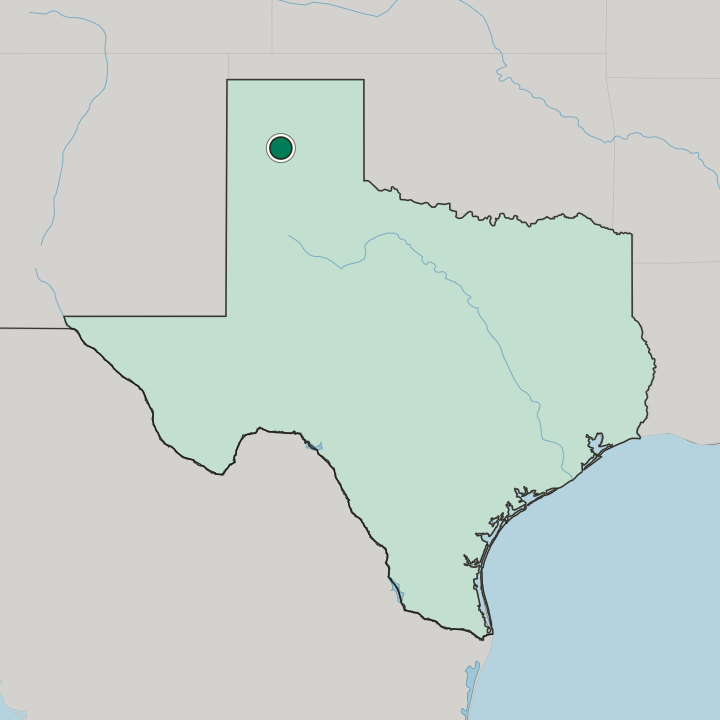
Amarillo lies on the flat high grassland of the Texas Panhandle, at the edge of the Great Plains. The setting is level and open. Wide grassland stretches around the city on every side, the grid of streets runs straight across the plateau, and the low horizon of the Great Plains frames Amarillo where the panhandle meets the open range.
What is the climate of Amarillo?
Amarillo has a semi-arid climate, with hot summers and cold, windy winters on the Texas Panhandle. The wind rarely rests. Hot, dry summers bake the grassland around the city, while cold winters bring hard freezes and blowing snow across the Great Plains, before mild springs green the open range that surrounds Amarillo.
How do you get to Amarillo?
Amarillo is reached by road, rail, and air, a crossroads city on the Texas Panhandle. Most arrive by interstate, crossing the open plains to reach the city. Interstate routes cross here on the open plains, running east and west across the Great Plains, while rail lines and regional air service tie Amarillo to the wider country beyond the panhandle grassland.
Common questions
What is the best area to stay in Amarillo?
Historic downtown Amarillo: Museums and merchant homes near the Amarillo Museum of Art. Near the Quarter Horse Hall of Fame: Ranching heritage near the American Quarter Horse Hall of Fame. West Amarillo residential streets: Quieter older blocks near the Shelton-Houghton House.
Good for
More cities in Texas
Updated September 2026