United States · Texas
Where to Stay in Beaumont, Texas
Beaumont, county seat of Jefferson County, sits on the Neches River in Southeast Texas, dated to 1835 and made by early oil.
Hotel links are affiliate links: booking through them may earn us a commission, at no extra cost to you. It never affects how places are ranked. How this works


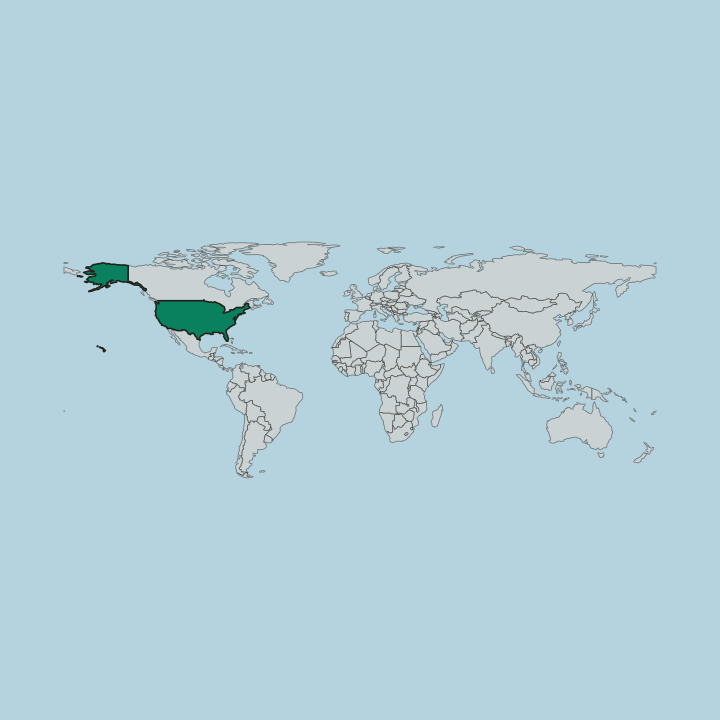
Where to stay in Beaumont
The practical side of choosing where to sleep.
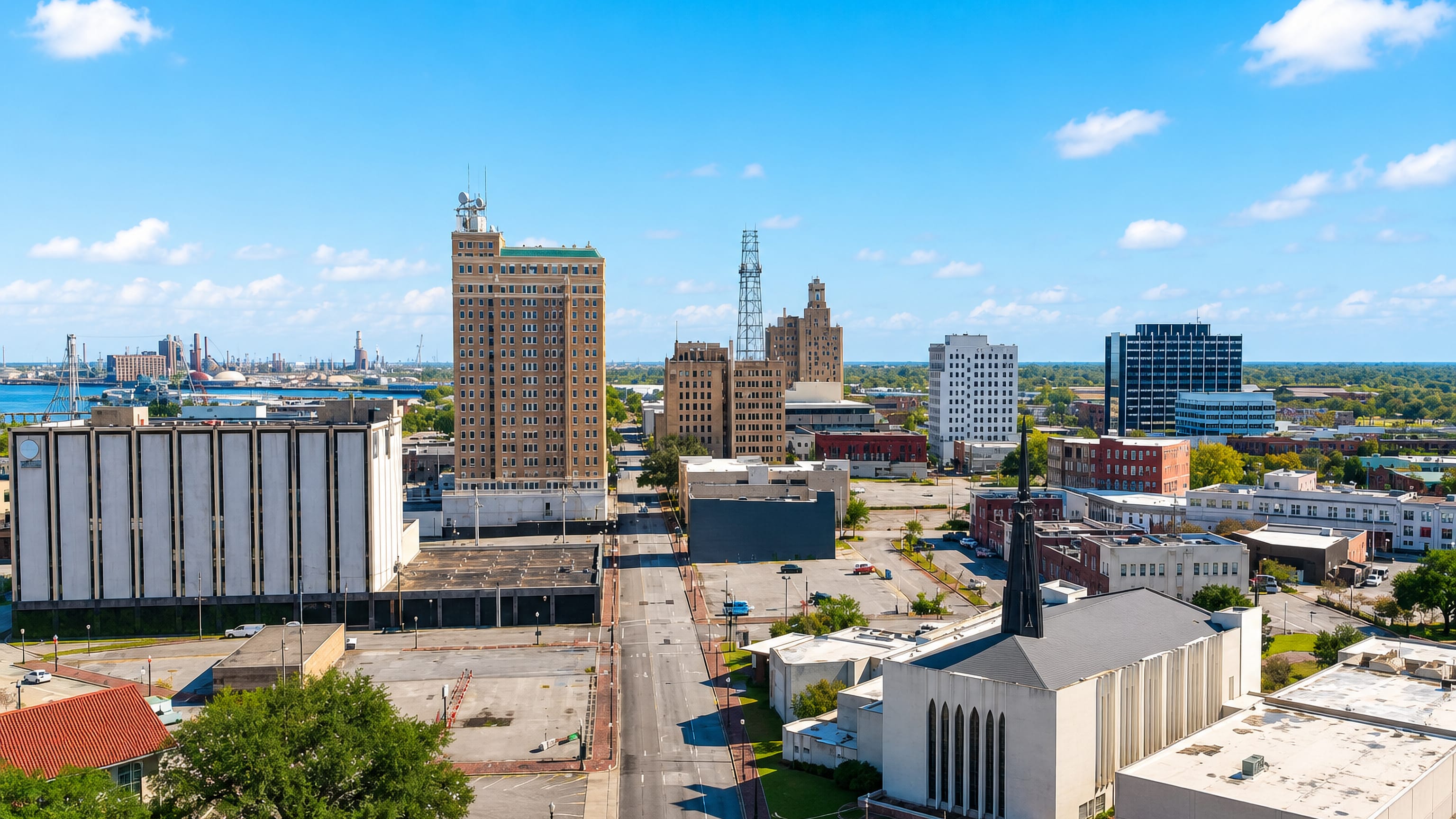
Downtown Beaumont carries the museums, so the first choice is whether to stay beside them or out toward the Neches River. The museum blocks win on foot. The Texas Energy Museum, the Fire Museum of Texas, the Edison Museum, and the Art Museum of Southeast Texas make the strongest case for a room in the middle of the city.
Parking is rarely a problem. The old houses sit on their own streets. A bed near the McFaddin-Ward House puts the McFaddin Carriage House on the same block and the listed houses of Jefferson County on the same walking route.
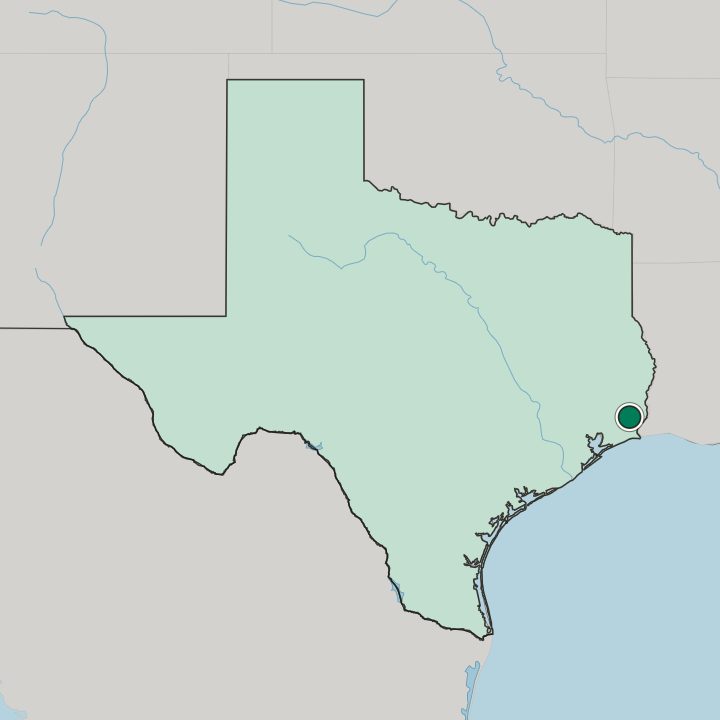
Those blocks stay quiet after dark. The Louisiana side changes things. Beaumont lies about 85 miles east of Houston on the northern Gulf Coast, close to the Louisiana state line, so a room here suits a drive that continues in either direction rather than a stay that stops.
Time here divides badly into one day. The museums take a morning each, and the Babe Didrikson Zaharias Museum & Visitor Center and the Beaumont Art League are the two that get dropped when the drive to Houston is waiting.
Find hotels in Beaumont
Direct booking searches for these neighbourhoods.
The museum blocks downtown
The middle of Beaumont, where the Edison Museum, the Texas Energy Museum, and the Art Museum of Southeast Texas take the daylight hours.Find hotels in The museum blocks downtownheritage streets beside the McFaddin-Ward HouseAround the McFaddin-Ward House
The listed-house quarter of Jefferson County, with the McFaddin Carriage House alongside and the older Beaumont streets running off it. Lodging is scarce in this area; reserve in advance.Find hotels in Around the McFaddin-Ward Housea stop between Houston and the Louisiana state lineThe Neches River edge
The through-route flank of Beaumont along the Neches River, taken when the 85 miles back to Houston or the Louisiana line shapes the day.Find hotels in The Neches River edgeHotel links are affiliate links: booking through them may earn us a commission, at no extra cost to you. It never affects how places are ranked. How this works
Things to do in Beaumont
Ranked by global recognition; descriptions from Wikidata (CC0).
Museums & Galleries
3- Edison Museum
- Babe Didrikson Zaharias Museum & Visitor Center
- Art Museum of Southeast Texas
Churches & Religious Sites
2- St. James United Methodist Church
- St. Mark's Episcopal Church
Landmarks & Notable Places
3- McFaddin-Ward House Heritage
- Caroline Gilbert and M.L. Hinchee House Heritage
- Cead Mile Failte
worth knowingacross 3 categories in Beaumont
About Beaumont
Oil made the reputation.
What is Beaumont known for?
The Texas Energy Museum holds that record downtown, and the McFaddin-Ward House stands from the same period in Jefferson County. Museums cluster unusually thickly here. The Edison Museum, the Fire Museum of Texas, the Art Museum of Southeast Texas, the Beaumont Children's Museum, and the Babe Didrikson Zaharias Museum & Visitor Center are all inside one city.
The Neches River runs past it.
What are the main landmarks in Beaumont?
Beaumont collects museums rather than monuments. The Texas Energy Museum, the Edison Museum, the Fire Museum of Texas, the Art Museum of Southeast Texas, the Beaumont Children's Museum, and the Babe Didrikson Zaharias Museum & Visitor Center make the visiting list. Houses hold the rest.
The McFaddin-Ward House and the McFaddin Carriage House lead them, with the Ida Long Keith House, the Virgil Keith House, the Jacob Eisen House, the Greenspan House, and Cead Mile Failte on the same register. The Beaumont Art League completes it.
What is the history of Beaumont?
Beaumont dates from 1835. The city began on the Neches River, on the northern Gulf Coast near the Louisiana state line, and took the seat of Jefferson County long before oil made the name known outside Texas. Then came the wells.
Early 20th-century oil turned a river town into an industrial one, and the Texas Energy Museum keeps that stretch of the record where the money was made. The houses date from the same decades. The McFaddin-Ward House and the McFaddin Carriage House survive from the years the boom paid for, and the Ida Long Keith House, the Virgil Keith House, the Jacob Eisen House, and Cead Mile Failte stand on the same register.
A second wave brought the museums. The Edison Museum, the Fire Museum of Texas, and the Art Museum of Southeast Texas gave the old centre a second use, and the Beaumont Art League and the Beaumont Children's Museum followed them in. One athlete has her own building.
The Babe Didrikson Zaharias Museum & Visitor Center carries a single name in a city where most of the register belongs to families and industries, and it sits inside the Beaumont-Port Arthur metropolitan area that Jefferson County anchors.
Where is Beaumont?
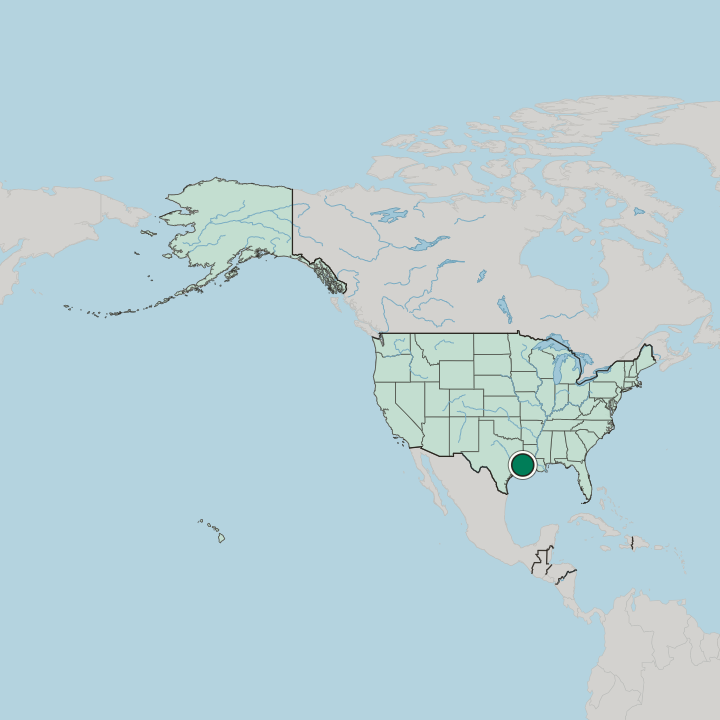
The Neches River sets the line. Beaumont spreads over about 220 square kilometres of Jefferson County in Southeast Texas, subtropical ground in the northern hemisphere, close enough to the Louisiana state line for the border to matter to a route. Houston is 85 miles off.
The city belongs to the northern Gulf Coast and anchors the Beaumont-Port Arthur metropolitan area, with the river running through it.
What is the climate of Beaumont?
The Gulf keeps it humid. Air off the northern Gulf Coast holds Beaumont in a long subtropical summer, and the Neches River adds to the damp in a way that makes the indoor museums the sensible choice through the hottest months. Winter on the Neches stays gentle.
The Edison Museum, the Texas Energy Museum, and the Fire Museum of Texas absorb a wet afternoon, and the McFaddin-Ward House is the one worth saving for a cooler day outdoors.
How do you get to Beaumont?
Houston is the usual origin. Beaumont sits about 85 miles east of Houston on the northern Gulf Coast, which puts it on the road between that city and the Louisiana state line rather than at the end of any route. Water complicates it slightly.
The Neches River runs through Jefferson County, and about 220 square kilometres of city then separates the Art Museum of Southeast Texas from the far edges.
Common questions
What is the best area to stay in Beaumont?
The museum blocks downtown: a walking day across the Texas Energy Museum and the Fire Museum of Texas. Around the McFaddin-Ward House: heritage streets beside the McFaddin-Ward House. The Neches River edge: a stop between Houston and the Louisiana state line.
Good for
More cities in Texas
Updated September 2026