United States · Texas
Where to Stay in Brownsville, Texas
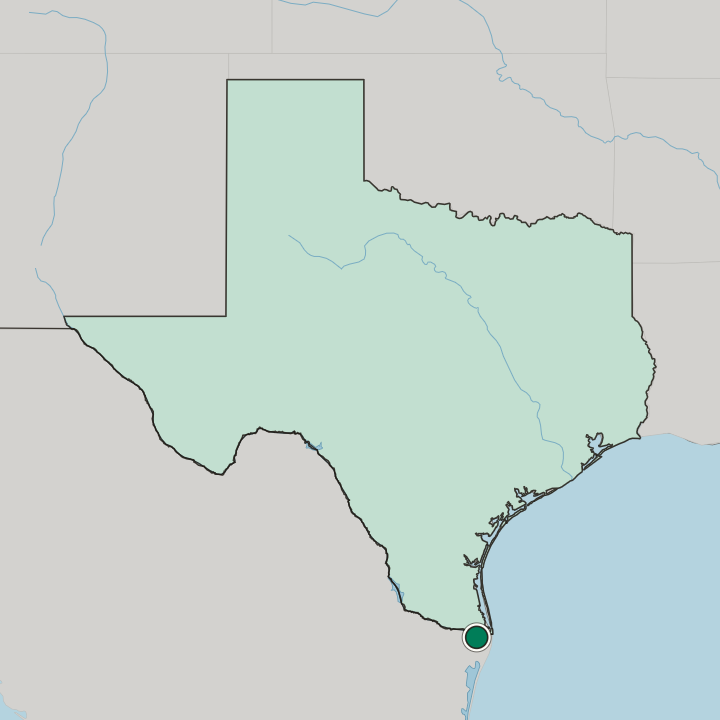
Brownsville holds the southernmost tip of Texas, seat of Cameron County on the western Gulf Coast, founded in 1849 beside Matamoros.
Hotel links are affiliate links: booking through them may earn us a commission, at no extra cost to you. It never affects how places are ranked. How this works


Where to stay in Brownsville
Where visitors usually base themselves, and why.
Three things pull a room in different directions here: the Gladys Porter Zoo, the beaches out on the Gulf Coast, and the border crossing to Matamoros. The zoo settles it for families. A bed near the Gladys Porter Zoo keeps the Immaculate Conception Cathedral and the older streets of Cameron County within the same short circuit, which suits a stay of one or two days.
The heritage streets are the quieter option. Rooms among the listed houses put the Browne-Wagner House, the Webb-Martinez House, the Fernandez-Celaya House, and the Enrique Manautou House on the walk, and the Church of the Advent closes it. Nights are calm there.
Beaches change the arithmetic. The Gulf Coast beaches draw visitors from both sides of the border, so a bed pointed that way trades the museums and the cathedral for sand and the birding sites of the Rio Grande Valley. Winter visitors favour that side.
The port sits apart from all of it. Brownsville keeps a deep-water seaport as well, which is why the city reads as a working place first and a beach town second.
Find hotels in Brownsville
Direct booking searches for these neighbourhoods.
Around the Gladys Porter Zoo
The zoo quarter of Brownsville, with the Immaculate Conception Cathedral and the older Cameron County streets inside the same short circuit.Find hotels in Around the Gladys Porter Zoowalking past the Browne-Wagner House and the Webb-Martinez HouseThe listed-house streets
The heritage grid of Brownsville, holding the Fernandez-Celaya House, the Enrique Manautou House, and the Church of the Advent on one route. Few places to stay nearby — book ahead.Find hotels in The listed-house streetsbeach days and birding in the Rio Grande ValleyThe Gulf Coast beach side
The seaward flank beyond the city, taken when the western Gulf Coast beaches and the wildlife refuges outrank the Gladys Porter Zoo as a reason to come.Find hotels in The Gulf Coast beach sideHotel links are affiliate links: booking through them may earn us a commission, at no extra cost to you. It never affects how places are ranked. How this works
Things to do in Brownsville
Ranked by global recognition; descriptions from Wikidata (CC0).
Churches & Religious Sites
3- Immaculate Conception Cathedral Heritage
- St. Thomas Church
- Church of the Advent
Castles & Historic Sites
1- Historical Monument
Landmarks & Notable Places
6- Browne-Wagner House Heritage
- Enrique Manautou House Heritage
- George Kraigher House Heritage
- Jose Antonio Cisneros House Heritage
- Russell-Cocke House Heritage
Show 1 more →
- Webb-Martinez House Heritage
worth knowingacross 3 categories in Brownsville
About Brownsville
What is Brownsville known for?
The Gladys Porter Zoo is the best-known address in Brownsville, and the beaches, birding sites, and wildlife refuges of the Rio Grande Valley account for most of the rest. Matamoros sits across the border. Hispanic culture runs through the city, and the Immaculate Conception Cathedral and the Church of the Advent stand among its older buildings.
Citrus country begins here.
What are the main landmarks in Brownsville?
One zoo leads the list. The Gladys Porter Zoo is the entry that carries beyond Cameron County, and the Immaculate Conception Cathedral heads the older religious buildings. Houses fill the register.
The Browne-Wagner House, the Webb-Martinez House, the Russell-Cocke House, the Fernandez-Celaya House, the Miller-Trevino de los Santos Coy House, and the Jose Antonio Cisneros House carry names from both sides of the border. The Church of the Advent completes the older core.
What is the history of Brownsville?
Brownsville dates from 1849. The city grew at the southernmost tip of Texas beside Matamoros in Tamaulipas, and the border has shaped it since, which is legible in the names on its own heritage register. Both languages are on it.
The Jose Antonio Cisneros House, the Fernandez-Celaya House, and the Enrique Manautou House sit beside the Browne-Wagner House, the Russell-Cocke House, and the Martin Hanson House on the same list. The valley did the growing. Brownsville became the largest city of Cameron County and part of the four-county Rio Grande Valley, a region built on citrus, and the deep-water seaport gave it a second trade beyond the fields.
Churches followed the households. The Immaculate Conception Cathedral and the Church of the Advent stand from the older city, and the Gladys Porter Zoo belongs to a later century entirely. Two cities read as one.
The Matamoros-Brownsville metropolitan area counts both sides together, which is why the culture here is Hispanic in the ordinary sense rather than as a heritage claim, and why the register holds the Fausto Yturria House, the Webb-Martinez House, and the George Kraigher House in the same set.
Where is Brownsville?
The border is the southern edge. Brownsville covers about 376 square kilometres at the southernmost tip of Texas, on the western Gulf Coast in South Texas, with Matamoros immediately across the line in Tamaulipas. Plains run inland from it.
The Rio Grande Valley spreads inland as citrus country, and the coast side keeps the beaches, the birding sites, and the wildlife refuges that share the subtropical band with the city.
What is the climate of Brownsville?
The Gulf holds the temperature steady. Brownsville keeps a subtropical climate through the whole year, warm enough that the Gladys Porter Zoo and the birding sites of the Rio Grande Valley work as winter destinations rather than summer ones. Summer is the hard season.
Heat and damp off the western Gulf Coast make the Immaculate Conception Cathedral and the shaded heritage streets better company than the open ground at midday.
How do you get to Brownsville?
Two countries feed the traffic. Brownsville sits against the border with Matamoros in Tamaulipas, so arrivals come both from the crossing and from the rest of Cameron County and the Rio Grande Valley. Ships use the deep-water seaport.
About 376 square kilometres of city then lies between the Gladys Porter Zoo, the Immaculate Conception Cathedral, and the Gulf Coast beaches, which makes a car the practical way around.
Common questions
What is the best area to stay in Brownsville?
Around the Gladys Porter Zoo: families using the Gladys Porter Zoo as the anchor. The listed-house streets: walking past the Browne-Wagner House and the Webb-Martinez House. The Gulf Coast beach side: beach days and birding in the Rio Grande Valley.
Good for
More cities in Texas
Updated September 2026