United States · Texas
Where to Stay in Cedar Park, Texas
Cedar Park is a Williamson County city in the Central Hill Country, an Austin suburb keeping the John M. King Log House among its landmarks.
Hotel links are affiliate links: booking through them may earn us a commission, at no extra cost to you. It never affects how places are ranked. How this works


Where to stay in Cedar Park
Where the beds are, and what that means for the visit.
Austin is the honest answer for most visitors. Downtown Austin lies about 16 miles off, and a room there puts a traveller in reach of Cedar Park without asking them to base themselves in a suburb built around driving. Cedar Park still makes sense for some.
Anyone here for the Texas Museum of Science and Technology or the Austin Aquarium with children in tow will find the shorter drive and the easier parking worth more than a central address. Beds cluster on the through roads. Williamson County holds most of the city, with a small part running over into Travis County, and neither line makes any difference to what a stay here looks like.
The Central Hill Country begins at the edges. Streets on that side trade shops for quiet, and the Hill Country roads out of the city are the reason a car matters more here than any hotel address does. The John M. King Log House anchors the old ground.
Families dominate the demand. Weekends built around the Austin Aquarium and the Texas Museum of Science and Technology fill rooms faster than business travel does, so a booking made late in the week is worth checking twice.
Find hotels in Cedar Park
Direct booking searches for these neighbourhoods.
Cedar Park through roads
Rooms sit on the main roads linking the Austin Aquarium, the Texas Museum of Science and Technology and the Williamson County suburbs around them.Find hotels in Cedar Park through roadsan Austin base with Cedar Park 16 miles up the roadDowntown Austin
Downtown Austin carries the region's room choice, leaving the Texas Museum of Science and Technology a straightforward drive out.Find hotels in Downtown Austinquiet nights near the John M. King Log House and the Hill Country roadsHill Country edge of Cedar Park
The outer edge where Cedar Park meets Central Hill Country ground, quieter than the through roads and close to the John M. King Log House. Beds are limited here, so book early.Find hotels in Hill Country edge of Cedar ParkHotel links are affiliate links: booking through them may earn us a commission, at no extra cost to you. It never affects how places are ranked. How this works
About Cedar Park
Two indoor attractions carry the visitor traffic.
What is Cedar Park known for?
The Texas Museum of Science and Technology and the Austin Aquarium sit within a suburb that most people reach as a day out from Austin rather than as a destination of its own. History keeps a single address. The John M. King Log House survives from the settlement that stood here before Williamson County filled with subdivisions, and it is the oldest thing a visitor can point at.
The Central Hill Country does the rest.
What are the main landmarks in Cedar Park?
Three named sites, no more. The Texas Museum of Science and Technology takes the science end, the Austin Aquarium the tanks and the family afternoons, and the John M. King Log House the whole of the recorded past. The log house is the oldest.
It stands as the single reminder that Cedar Park existed before Austin's growth reached Williamson County and turned the place into a suburb. Everything else is newer than the highways.
What is the history of Cedar Park?
Cedar Park's record begins in 1887. What stood here then was a small settlement at the edge of the Central Hill Country, in a Williamson County with nothing urban about it. The John M. King Log House belongs to that century.
It is the only building the record carries from that era, and it survives among streets laid out long after it went up. Growth came from elsewhere. Austin expanded outward, and Cedar Park was one of the places that expansion reached, folded into the suburban belt of a city about 16 miles down the road.
The city boundary crossed a county line on the way. Most of Cedar Park stayed in Williamson County while a small share ended up in Travis County, an administrative split that says more about the speed of the growth than about any local division. Attractions followed.
The Austin Aquarium and the Texas Museum of Science and Technology are products of the suburban city rather than of the settlement, and both trade on the family traffic that the Hill Country side of the Austin area now carries. The log house keeps the older claim.
Where is Cedar Park?
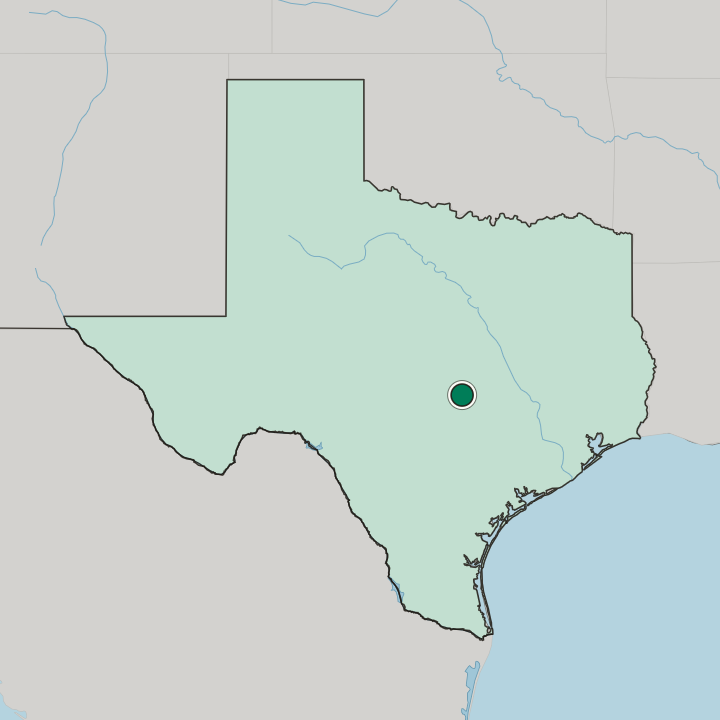
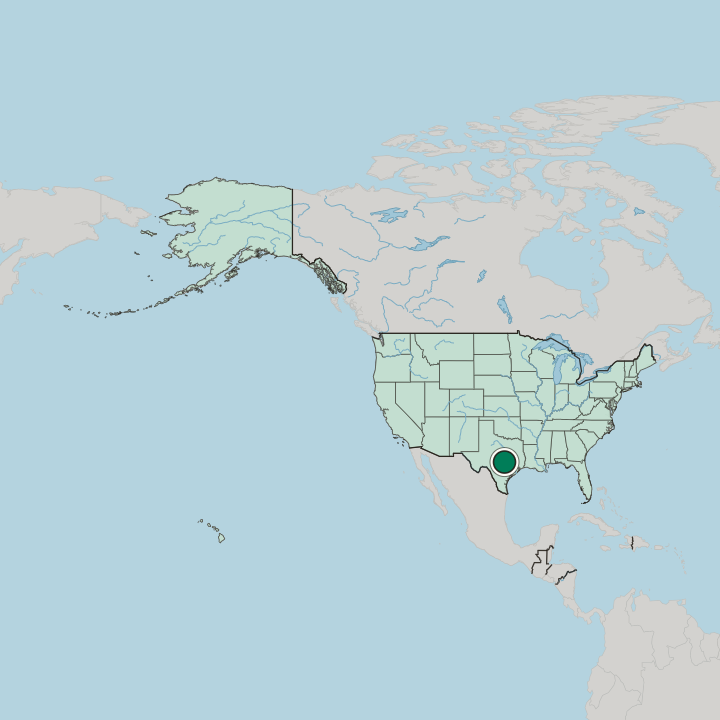
Cedar Park sits on the Central Hill Country side of the Austin area. Ground here is uneven. The city covers a compact stretch of Williamson County, with a fragment reaching into Travis County, and the built-up area runs on toward Austin without much open land left between them.
Downtown Austin lies 16 miles off. Hill Country roads carry on past the last of the subdivisions.
What is the climate of Cedar Park?
The Central Hill Country runs hot from late spring. Cedar Park sits in the subtropical band, which means long hot afternoons through summer and evenings that stay warm well past sunset, and it explains why the Austin Aquarium fills up on the worst days. Winter is a brief interruption.
Cold spells pass quickly. Spring and autumn are the seasons for the Hill Country roads, and they suit the drive between Cedar Park and downtown Austin better than any month in the middle of the year.
How do you get to Cedar Park?
The car does everything here. Cedar Park sits about 16 miles from downtown Austin, and the road between them is the route almost every visitor takes, whether they land at the Austin end or drive in from elsewhere in Texas. There is no centre to walk from.
The Texas Museum of Science and Technology, the Austin Aquarium and the John M. King Log House each need their own approach, spread as they are across Williamson County ground. Parking is rarely the problem.
Common questions
What is the best area to stay in Cedar Park?
Cedar Park through roads: families driving to the Austin Aquarium and the Texas Museum of Science and Technology. Downtown Austin: an Austin base with Cedar Park 16 miles up the road. Hill Country edge of Cedar Park: quiet nights near the John M. King Log House and the Hill Country roads.
More cities in Texas
Updated September 2026