United States · Texas
Where to Stay in Irving, Texas
Irving holds Las Colinas and part of Dallas Fort Worth International Airport, a Dallas County suburb dating from 1903.
Hotel links are affiliate links: booking through them may earn us a commission, at no extra cost to you. It never affects how places are ranked. How this works


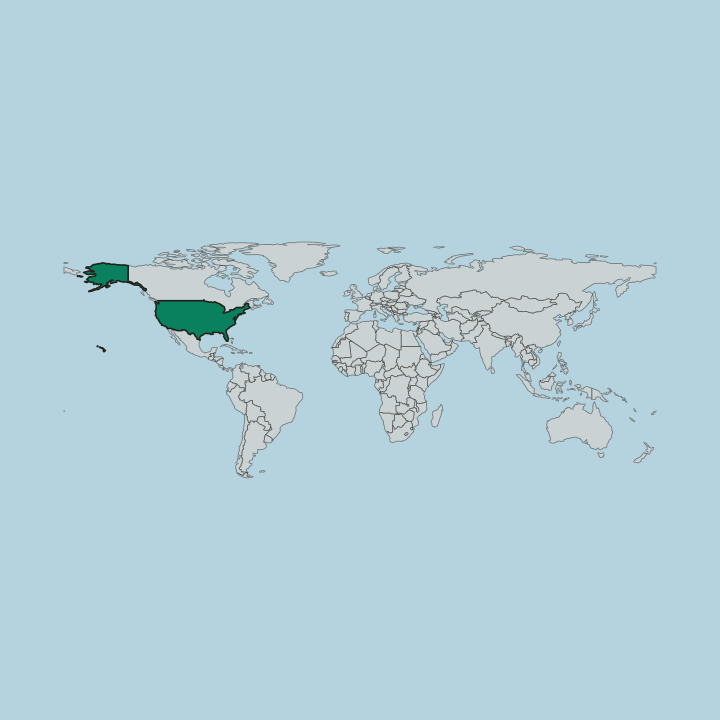
Where to stay in Irving
The practical side of choosing where to sleep.
Las Colinas takes most bookings. The planned district carries the office towers, the conference trade and the largest share of rooms, which makes it the default for anyone whose business in the Dallas-Fort Worth metroplex is business. Flights argue for a different side.
Part of Dallas Fort Worth International Airport falls inside the municipal limits, so a bed on that edge of Irving reaches the terminals faster than anything booked over in Dallas, and the trade-off is a night spent among car parks and access roads. Older Irving is the third option. Streets around the Joffre-Gilbert House, the Schulze Home and the Ruth Paine Home keep the low residential fabric that predates every tower in Las Colinas, and they suit you if the point of the trip is the city rather than a meeting inside it.
Nothing here is walkable at scale. The Cathedral of Hope, Our Lady of Dallas Abbey and the Frontiers of Flight Museum sit far enough apart that a car settles the itinerary, and the same is true of the Boardwalk Fun Park and the Grand Prairie AirHogs Baseball Park. Choose the errand, then the district.
Find hotels in Irving
Direct booking searches for these neighbourhoods.
Las Colinas
Las Colinas carries Irving's purpose-built towers and the bulk of its room stock, with the American Airlines C.R. Smith Museum a short drive from the offices.Find hotels in Las Colinasa first flight out of Dallas Fort Worth International AirportThe Dallas Fort Worth International Airport edge of Irving
Part of the airport lies inside Irving's own limits, so rooms on that edge reach the terminals well before anything booked across in Dallas.Find hotels in The Dallas Fort Worth International Airport edge of Irvinglow residential streets near the Joffre-Gilbert House and the Schulze HomeOld Irving by the Joffre-Gilbert House
The Joffre-Gilbert House, the Schulze Home and the Ruth Paine Home stand among blocks laid out long before the planned district went up. Beds are limited here, so book early.Find hotels in Old Irving by the Joffre-Gilbert HouseHotel links are affiliate links: booking through them may earn us a commission, at no extra cost to you. It never affects how places are ranked. How this works
Things to do in Irving
Ranked by global recognition; descriptions from Wikidata (CC0).
Museums & Galleries
1- National Scouting Museum
Churches & Religious Sites
3- The Potter's House Church, Milner, GA
- Cathedral of Hope
- Our Lady of Dallas Abbey
Stadiums & Sports
1- Grand Prairie AirHogs Baseball Park
Parks & Gardens
1- Boardwalk Fun Park
Landmarks & Notable Places
3- Ruth Paine Home Heritage
- Joffre-Gilbert House Heritage
- Schulze Home Heritage
worth knowingacross 5 categories in Irving
About Irving
Las Colinas sets the city apart.
What is Irving known for?
That master-planned community gave Irving a purpose-built core of towers and canals instead of the ordinary suburban centre most Mid-Cities places grew by accident, and the visitor draws arranged themselves around it. Museums came next. The Frontiers of Flight Museum, the National Scouting Museum and the American Airlines C.R.
Smith Museum each pull a specialist audience, while the Cathedral of Hope and Our Lady of Dallas Abbey give Dallas County a pair of landmarks that owe nothing to business at all.
What are the main landmarks in Irving?
Religion accounts for the largest. The Cathedral of Hope, the Cathedral of Hope Interfaith Peace Chapel, Our Lady of Dallas Abbey and the Dominican Priory of St. Albert the Great make a deep set for one suburb. Aviation supplies the museums.
The Frontiers of Flight Museum and the American Airlines C.R. Smith Museum sit near the airport, and the National Scouting Museum keeps another collection. Houses hold the older record.
The Joffre-Gilbert House, the Schulze Home and the Ruth Paine Home survive from the residential decades, with lighter draws at the Boardwalk Fun Park, Pipeline Express and the Grand Prairie AirHogs Baseball Park.
What is the history of Irving?
Irving grew out of a settlement called Kit. The city was founded in the first years of the twentieth century on that ground, taking a formal date of 1903, and for decades it stayed a modest farming place on the prairie between Dallas and the country to the west. The Joffre-Gilbert House belongs to that period.
So does the Schulze Home, one of the few surviving buildings from a time when Dallas County still had open land between its towns. The airport rewrote everything. Once Dallas Fort Worth International Airport was built across the boundary, Irving found itself holding part of one of the busiest fields in the country, and the corridor between the terminals and Dallas turned into some of the most valuable ground in the Mid-Cities.
Las Colinas was the answer to that. Planned rather than grown, the district put towers, water and offices where farmland had been, and it pulled corporate tenants into a suburb that had never had a downtown of its own. The Ruth Paine Home survives from the older residential fabric.
Institutions followed the money: Our Lady of Dallas Abbey, the Cathedral of Hope, the Frontiers of Flight Museum and the National Scouting Museum all belong to the decades after the runways opened.
Where is Irving?
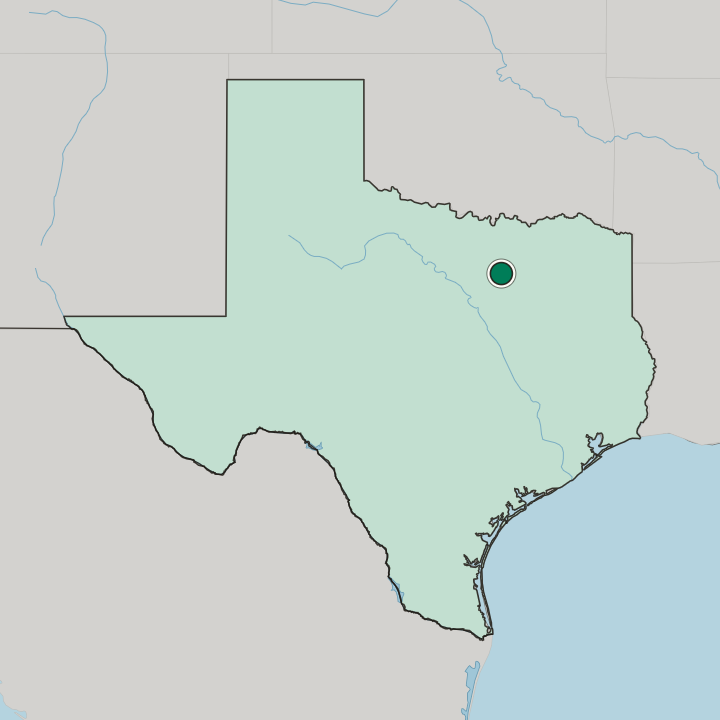
The city occupies a corridor. Irving lies in the Prairies and Lakes country of Texas, filling the ground between Dallas and Dallas Fort Worth International Airport so completely that its boundaries take in part of the airfield itself. Everything is flat.
Las Colinas raises the only skyline worth the name, and beyond it the municipal area spreads across a wide stretch of Dallas County with no natural edge to stop it. The Mid-Cities begin here.
What is the climate of Irving?
In Irving, shade is what runs short. Long subtropical summers settle over the flat Prairies and Lakes ground, and the open walkways of Las Colinas give a walker almost nothing to hide under once the afternoon builds. Winters stay short and mild.
Those are the months for the grounds of Our Lady of Dallas Abbey, the Cathedral of Hope Interfaith Peace Chapel and a fixture at the Grand Prairie AirHogs Baseball Park, while the Frontiers of Flight Museum handles the days when weather rules out anything outdoors.
How do you get to Irving?
Few cities make arrival simpler. Dallas Fort Worth International Airport lies partly within Irving itself, so a passenger landing in the Dallas-Fort Worth metroplex can be checked into Las Colinas before the shuttle traffic has cleared the terminal roads. Dallas is minutes away by road.
Getting around once here is a driving matter, since the Cathedral of Hope, the National Scouting Museum and the Joffre-Gilbert House sit in different parts of a Dallas County suburb built entirely around the car.
Common questions
What is the best area to stay in Irving?
Las Colinas: conference nights inside the Las Colinas master-planned community. The Dallas Fort Worth International Airport edge of Irving: a first flight out of Dallas Fort Worth International Airport. Old Irving by the Joffre-Gilbert House: low residential streets near the Joffre-Gilbert House and the Schulze Home.
Good for
More cities in Texas
Updated September 2026