United States · Texas
Where to Stay in Galveston, Texas
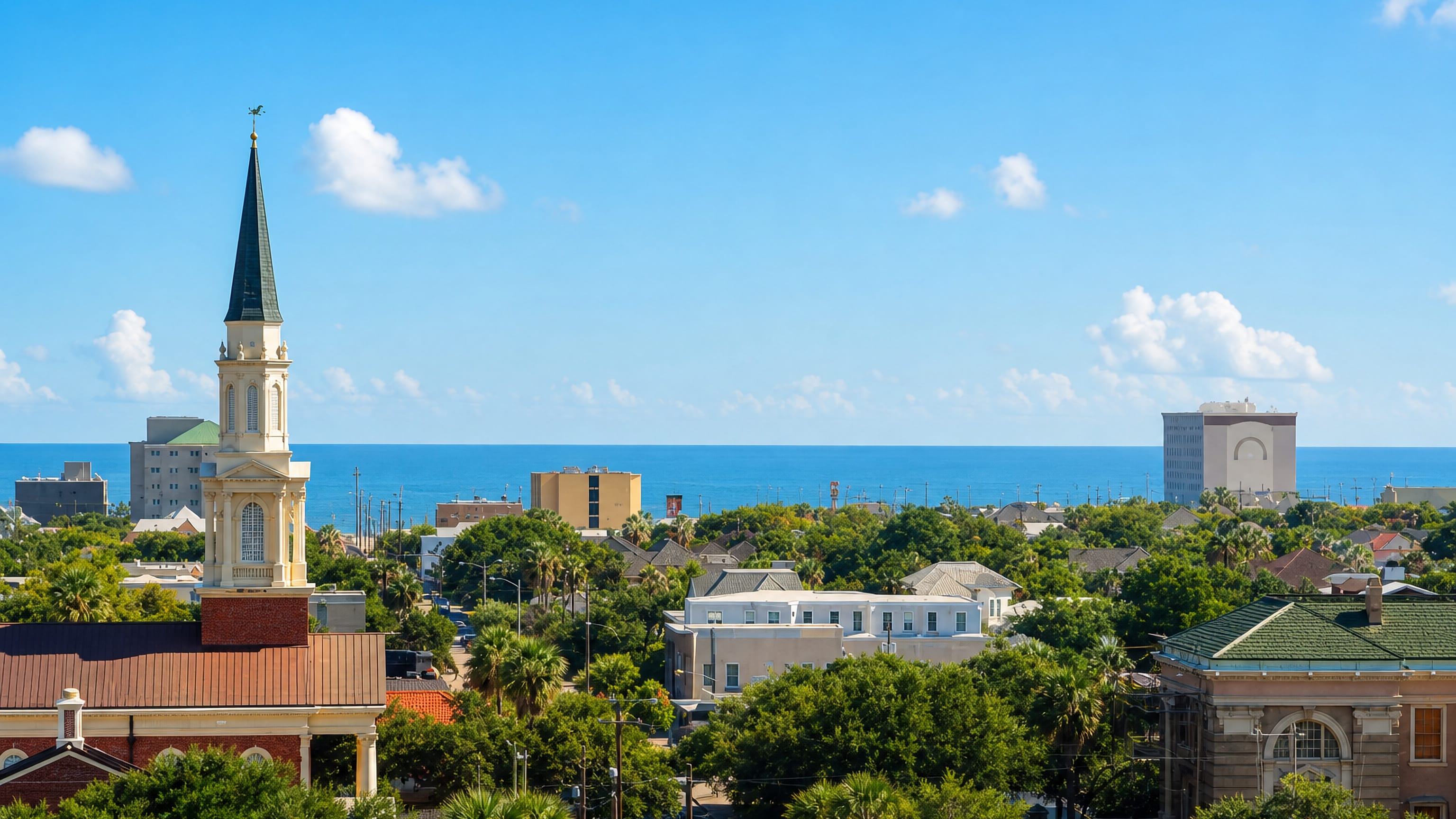
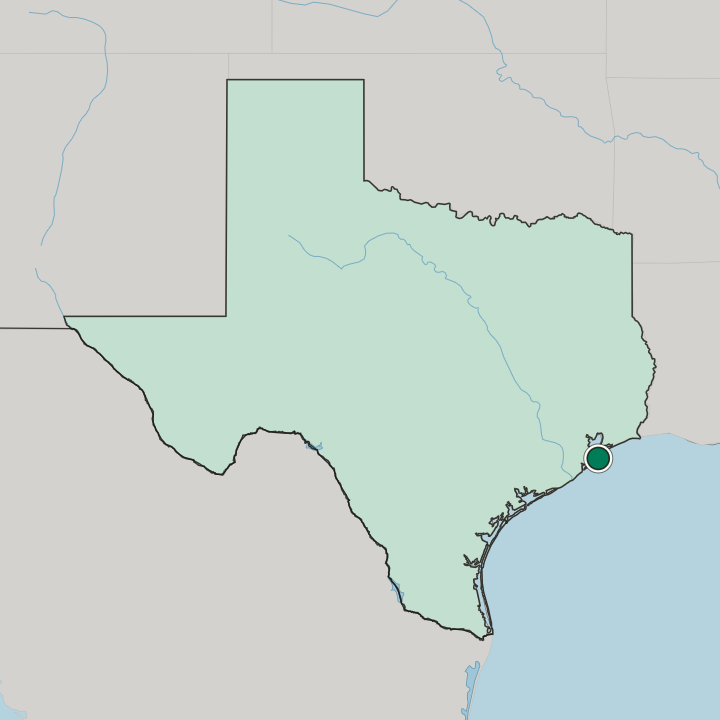
Galveston is a historic port city on Galveston Island off the Texas coast, known for its Victorian streets and Gulf beaches.
Hotel links are affiliate links: booking through them may earn us a commission, at no extra cost to you. It never affects how places are ranked. How this works


Where to stay in Galveston
Where the beds are, and what that means for the visit.
Where you stay in Galveston splits between the old town and the seawall. The historic district near the Saint Mary Cathedral Basilica and the Ashbel Smith Building keeps the Victorian streets, the shops, and the harbour within a walk, and it suits anyone here for the architecture and the port. The old streets run quiet after dark.
Most of the district's rooms sit in its restored old buildings and storefronts. Along the seawall, the beachfront gathers the summer crowds. A room facing the Gulf trades the old town for sand, surf, and the Galveston Island Historic Pleasure Pier, better for a beach stay than a history walk.
The waves run right up to the wall. If you want the Victorian streets, stay in the old town; if you want the beach, take a room on the seawall. Either way, the Gulf is never far.
Find hotels in Galveston
Direct booking searches for these neighbourhoods.
Historic district
Near the Saint Mary Cathedral Basilica and the Ashbel Smith Building, among the restored Victorian buildingsFind hotels in Historic districtBeach stays wanting the Gulf and the Pleasure PierThe seawall
Along the seawall facing the Gulf near the Galveston Island Historic Pleasure Pier, with the beach at the doorFind hotels in The seawallHotel links are affiliate links: booking through them may earn us a commission, at no extra cost to you. It never affects how places are ranked. How this works
Things to do in Galveston
Ranked by global recognition; descriptions from Wikidata (CC0).
Museums & Galleries
2- Bryan Museum
- Ocean Star Offshore Drilling Rig & Museum
Churches & Religious Sites
7- St. Mary Cathedral Basilica Heritage
- Reedy Chapel A.M.E. Church Heritage
- St. Joseph's Church Heritage
- Grace Episcopal Church Heritage
- First Presbyterian Church Heritage
Show 2 more →
- Trinity Protestant Episcopal Church Heritage
- First Evangelical Lutheran Church Heritage
Castles & Historic Sites
1- Texas Heroes Monument Heritage
Parks & Gardens
1- Galveston Island Historic Pleasure Pier
Landmarks & Notable Places
4- Samuel May Williams House Heritage
- George Washington Grover House Heritage
- Isaac Heffron House Heritage
- Mathilda Wehmeyer House and German-American Kindergarten School Heritage
worth knowingacross 5 categories in Galveston
About Galveston
Galveston looks out from a Texas barrier island.
What is Galveston known for?
Once the busiest port in the state, the city kept the ornate Victorian streets that its cotton wealth built, and a great pier runs out over the Gulf from the seawall. The Bryan Museum holds the island's story. The sea shapes everything here.
What are the main landmarks in Galveston?
Victorian streets are Galveston's signature. The Ashbel Smith Building and the Saint Mary Cathedral Basilica stand among the old houses, while the Texas Heroes Monument marks the founding age in the square. Crowds gather on the Gulf front.
The Galveston Island Historic Pleasure Pier runs out over the water, and the Bryan Museum and the Galveston Railroad Museum hold the island's long story.
What is the history of Galveston?
Galveston rose on cotton and the sea. Founded in 1785, the island port grew into the greatest city in early Texas, its wharves shipping the cotton of the interior out to the world. Wealth built in stone and iron.
The Ashbel Smith Building and fine old houses like the Samuel May Williams House still stand from that golden age, and the Saint Mary Cathedral Basilica rose as the first cathedral in the state. Immigrants poured through its docks toward the American interior. Then the sea took its due.
The hurricane of 1900 drowned the low island and killed thousands, the deadliest disaster in the country's history, and the survivors raised a great seawall and lifted the whole city on fill. Trade never fully returned. The Texas Heroes Monument and the Bryan Museum keep the memory of the boom, while the Reedy Chapel recalls the emancipation that Galveston helped begin.
Down by the harbour, the Galveston Railroad Museum fills the old station where the lines once met the ships. The island turned to the beaches and the past for its living.
Where is Galveston?
Galveston lies on a long, low island. The city stretches along a sandbar between the Gulf of Mexico and the bay behind it, barely above the waves, protected by a great seawall. Beaches run the length of the Gulf side.
The sea presses close on every shore.
What is the climate of Galveston?
Galveston runs hot and humid by the Gulf. Long muggy summers stretch most of the year, and the mild winters rarely bring frost to the island, but the season of storms is the one that matters. Hurricanes have struck hard more than once.
The sea gives and takes it back in turn.
How do you get to Galveston?
A causeway links Galveston to the mainland. The island lies south of Houston, reached by the interstate that crosses the bay, and cruise ships sail from its port into the Gulf. Ferries cross to the peninsula beyond.
Most arrive by road, over the causeway onto the island.
Common questions
What is the best area to stay in Galveston?
Historic district: Visitors here for the Victorian streets, port, and museums. The seawall: Beach stays wanting the Gulf and the Pleasure Pier.
Good for
More cities in Texas
Updated September 2026