United States · Texas
Where to Stay in Grand Prairie, Texas
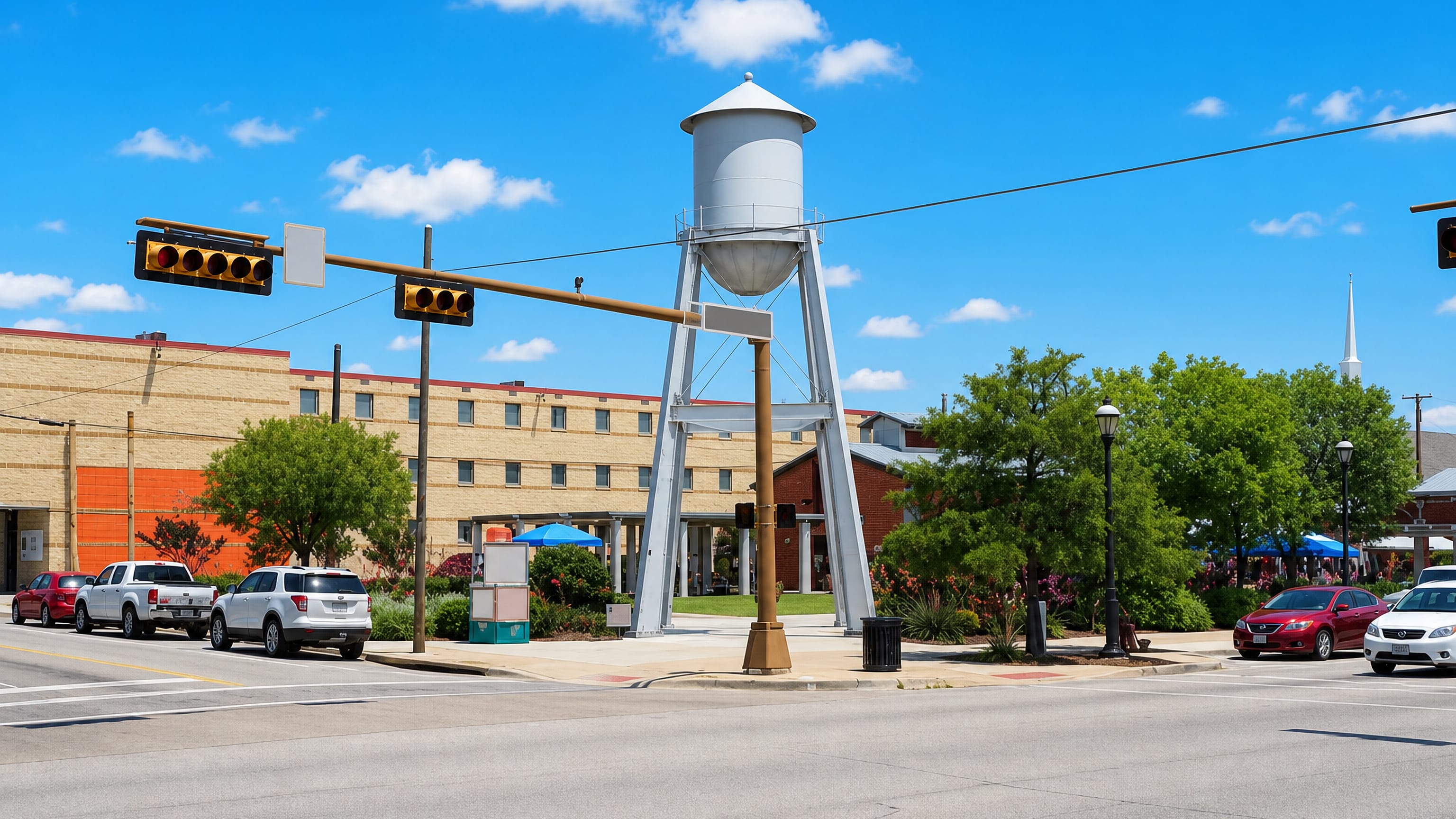
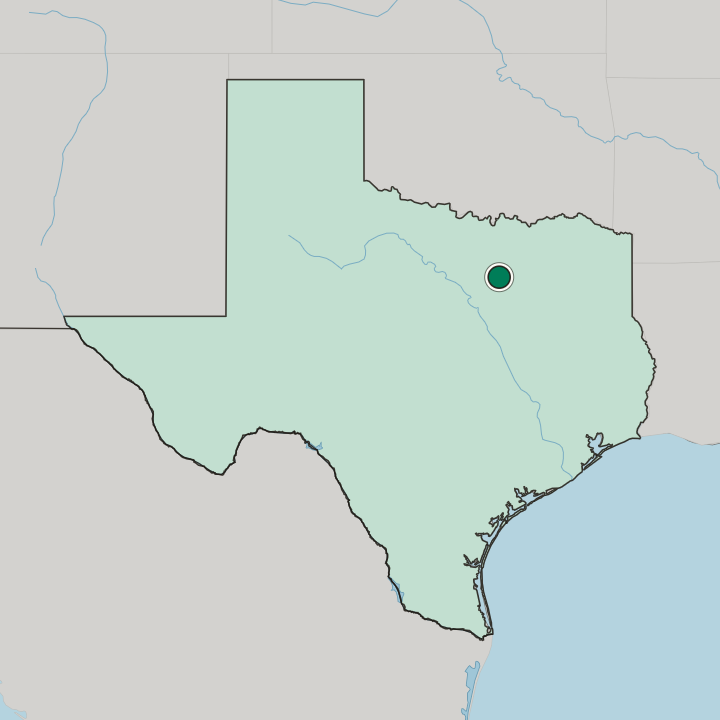
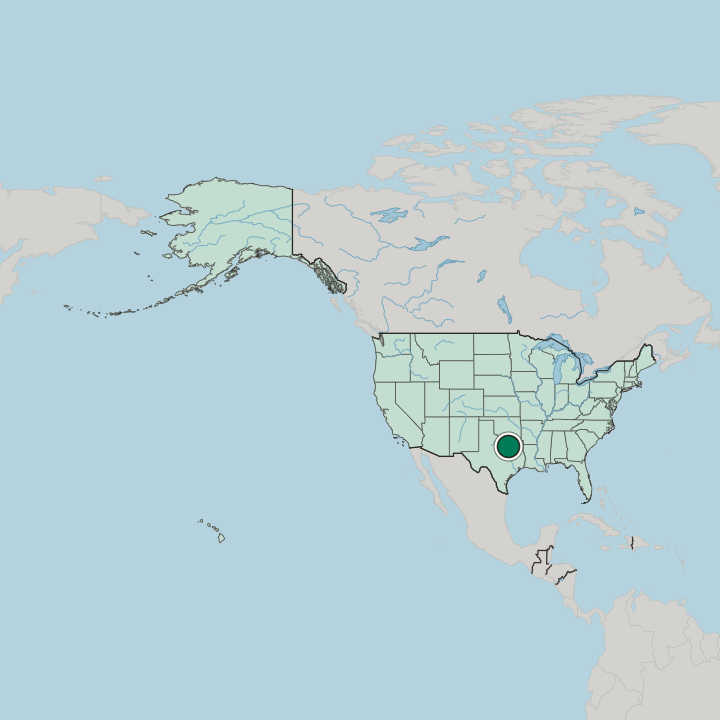
Grand Prairie spreads over Dallas, Tarrant and Ellis counties inside the Dallas-Fort Worth metroplex, a Mid-Cities city dating from 1863.
Hotel links are affiliate links: booking through them may earn us a commission, at no extra cost to you. It never affects how places are ranked. How this works


Where to stay in Grand Prairie
Where the beds are, and what that means for the visit.
Beds here follow the main roads. Grand Prairie runs a long way between Dallas and Fort Worth, so rooms gather along the through-routes and beside the big draws instead of collecting in one walkable centre. Six Flags Over Texas anchors the first choice.
Families booking for the New Texas Giant, Judge Roy Scream and the Runaway Mine Train take the park side, where Esports Stadium Arlington and Allan Saxe Field stand close enough that a single base carries several days out. A second cluster forms around the National Medal of Honor Museum, with the Arlington Museum of Art and the International Bowling Museum and Hall of Fame both reachable inside an afternoon. Quieter ground lies away from all that.
Residential streets out toward the Marrow Bone Spring Archeological Site trade the walk-everywhere idea for parking and a fast exit onto the metroplex roads, which suits you if the plan is one night in Grand Prairie and Dallas or Ellis County the next. Boardwalk Fun Park keeps younger travellers busy. Nothing sits far from traffic in a city stretched across Dallas, Tarrant and Ellis counties, so the real decision is which of the draws, the park, the museums, or the open Prairies and Lakes edge, you want on the doorstep.
Find hotels in Grand Prairie
Direct booking searches for these neighbourhoods.
The Six Flags Over Texas side
The park gates, Esports Stadium Arlington and Allan Saxe Field stand within one short run, so a single booking covers several days of outings.Find hotels in The Six Flags Over Texas sidepairing the National Medal of Honor Museum with the Arlington Museum of ArtAround the National Medal of Honor Museum
The two museums sit near the same stretch of road, and the International Bowling Museum and Hall of Fame follows a short drive further on.Find hotels in Around the National Medal of Honor Museumspace and parking near the Marrow Bone Spring Archeological SiteThe Marrow Bone Spring end of Grand Prairie
Low residential blocks around the Marrow Bone Spring Archeological Site give easy kerbside room and a fast road back toward Dallas or Ellis County. Few places to stay nearby — book ahead.Find hotels in The Marrow Bone Spring end of Grand PrairieHotel links are affiliate links: booking through them may earn us a commission, at no extra cost to you. It never affects how places are ranked. How this works
About Grand Prairie
Theme-park country begins here.
What is Grand Prairie known for?
The rides of Six Flags Over Texas, Titan, Shock Wave, Judge Roy Scream and the New Texas Giant among them, pull day traffic from every corner of the Dallas-Fort Worth metroplex, while the Runaway Mine Train and the Silver Star Carousel keep the gentler side of the park working. Museum halls carry the rest of the draw. The National Medal of Honor Museum, the Arlington Museum of Art and the International Bowling Museum and Hall of Fame all fall within one short run of road, and Esports Stadium Arlington adds a modern draw to that cluster.
What are the main landmarks in Grand Prairie?
Six Flags Over Texas holds the headline. Its rides account for much of the listed stock around the city, Titan, Shock Wave, the New Texas Giant, Runaway Mountain, La Vibora, the Mini Mine Train, The Riddler Revenge and Aquaman: Power Wave, alongside the Silver Star Carousel and the old Seven Seas Marine Life Park ground. Three museums balance them.
The National Medal of Honor Museum, the Arlington Museum of Art and the International Bowling Museum and Hall of Fame each pull a different crowd, and the Ruth Paine Home, the Oil Derrick and the Marrow Bone Spring Archeological Site record older ground.
What is the history of Grand Prairie?
Settlement on this prairie dates from 1863. What began as farming ground on open grassland grew slowly, and the place held its rural shape long after Dallas and Fort Worth had turned into cities of their own weight. The Marrow Bone Spring Archeological Site records far older use of the same water.
Industry followed. The Oil Derrick keeps that name on the map of Texas, a piece of standing plant among landmarks otherwise given over to rides, museums and houses. The metropolitan century did the rest.
Grand Prairie's boundaries pushed outward until they crossed Dallas, Tarrant and Ellis counties, with a thin extension reaching Johnson county, and the city became one link in the chain of Mid-Cities places filling the gap between the two anchors of the Dallas-Fort Worth metroplex. Suburban building followed the roads. Six Flags Over Texas opened the amusement era on the neighbouring ground, and the Runaway Mine Train, Judge Roy Scream and the Silver Star Carousel each mark a different stage of that park's growth.
The Ruth Paine Home keeps one listed private house among all that public building. Later arrivals, Esports Stadium Arlington, the National Medal of Honor Museum, show a district still adding institutions rather than settling into a finished form.
Where is Grand Prairie?
Flat grassland gives the city its name. Grand Prairie belongs to the Prairies and Lakes country of Texas, and its ground runs level enough that the built-up blocks read as one continuous surface broken only by roads, lakes and the low rise of the park rides. The city limits are unusually long.
They cross Dallas, Tarrant and Ellis counties, with a small extension into Johnson county, so a single municipal boundary threads through four separate administrations in the middle of the Dallas-Fort Worth metroplex. Fort Worth lies on one side, Dallas on the other.
What is the climate of Grand Prairie?
The subtropical band decides the year here. Long summers hold over the open prairie with little relief from shade or height, which is why the queues at Six Flags Over Texas empty into the afternoon and refill once the light softens. Spring brings the storms.
Mild winters make the better season for the National Medal of Honor Museum, the Arlington Museum of Art and a walk around the Marrow Bone Spring Archeological Site without the heat pressing on the day.
How do you get to Grand Prairie?
Arrival means driving. Grand Prairie sits on the road chain that links Dallas with Fort Worth, so most visitors reach it as part of a wider Dallas-Fort Worth metroplex trip rather than as a destination approached on its own. Inside the city limits the gaps are wide.
Six Flags Over Texas, Esports Stadium Arlington and the National Medal of Honor Museum group together on one side, while the Marrow Bone Spring Archeological Site and the Ellis county edge take a separate run out. Park once at the gates.
Common questions
What is the best area to stay in Grand Prairie?
The Six Flags Over Texas side: riding the New Texas Giant and Judge Roy Scream over a full weekend. Around the National Medal of Honor Museum: pairing the National Medal of Honor Museum with the Arlington Museum of Art. The Marrow Bone Spring end of Grand Prairie: space and parking near the Marrow Bone Spring Archeological Site.
Good for
More cities in Texas
Updated October 2026