United States · Texas
Where to Stay in Grapevine, Texas
Grapevine holds the largest municipal share of Dallas/Fort Worth International Airport, a Tarrant County town dating from 1844.
Hotel links are affiliate links: booking through them may earn us a commission, at no extra cost to you. It never affects how places are ranked. How this works


Where to stay in Grapevine
The practical side of choosing where to sleep.
The airport shapes every choice. Rooms fill with travellers who want Dallas/Fort Worth International Airport a few minutes off and would rather not pay for a night in Dallas or Fort Worth itself, which makes Grapevine one of the more practical bases anywhere in the Mid-Cities. The historic side is much smaller.
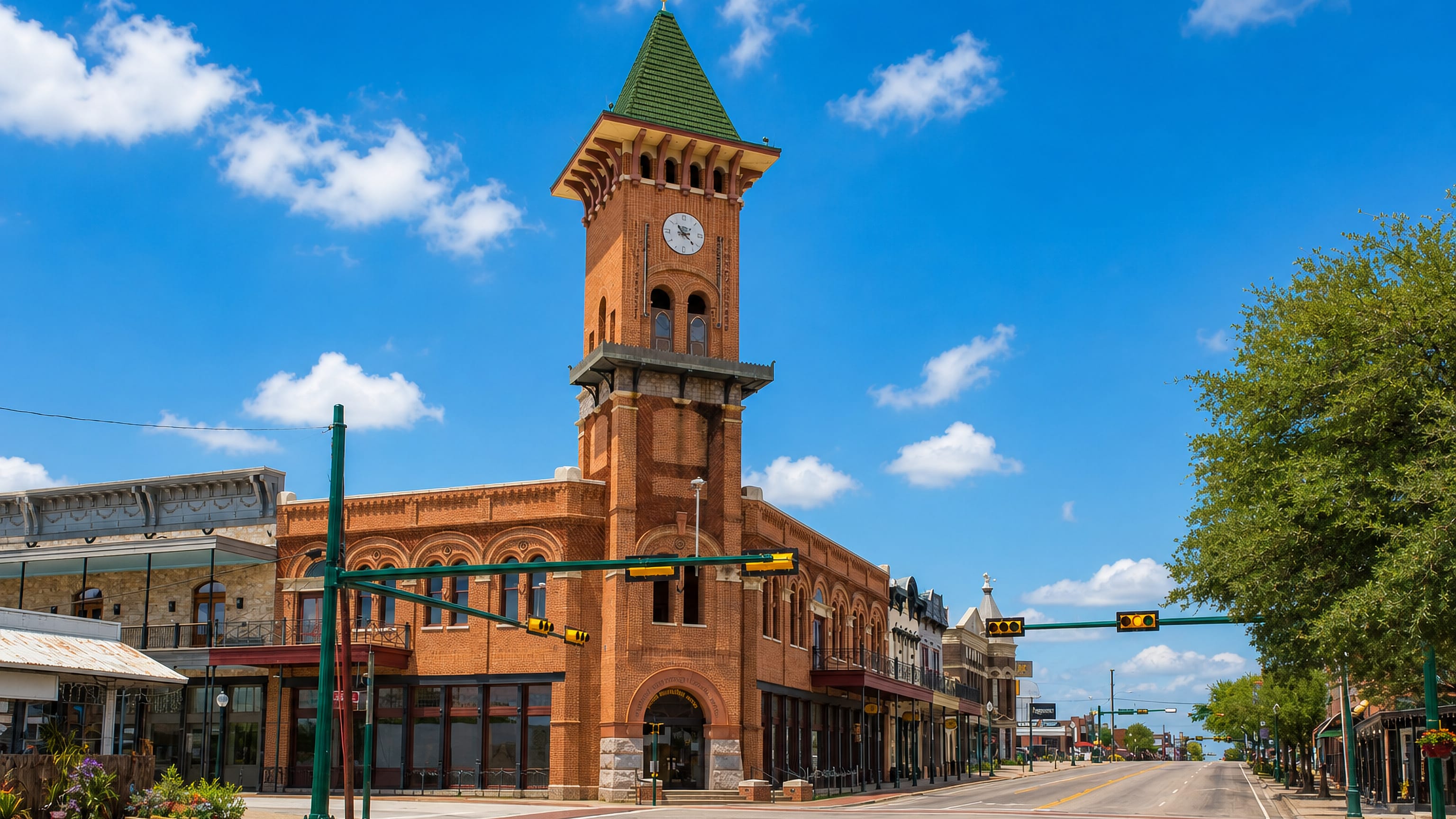
Blocks around the Stewart House, the Dorris House and the Wall House hold what remains of the old fabric, and a bed on those streets puts the Christmas Capital of Texas programme within a walk instead of a drive. Two other patterns run underneath that. Gateway Church brings weekend visitors of its own, and rooms near it fill on those days whatever the terminals happen to be doing.
Quieter ground lies further out. The Cotton Belt Section House end of town suits you if railway heritage and easy parking matter more than a short walk to dinner, while the blocks running toward the Denton county line stay residential enough that a car is simply assumed. Tarrant County prices govern most of it.
Anyone with an early flight, a congregation to join, or four listed houses to photograph can find a base within a few minutes of the others, which is not true of many towns in the Dallas-Fort Worth Metroplex.
Find hotels in Grapevine
Direct booking searches for these neighbourhoods.
The old blocks by the Stewart House
The Stewart House, the Dorris House and the Wall House stand together on the town's earliest blocks, with the winter programme running past their doors. Few places to stay nearby — book ahead.Find hotels in The old blocks by the Stewart Housea dawn departure without a night booked in DallasThe Dallas/Fort Worth International Airport edge
Grapevine carries a larger portion of Dallas/Fort Worth International Airport than any neighbouring city, so the terminals sit closer than the town's own historic streets.Find hotels in The Dallas/Fort Worth International Airport edgeweekend congregations arriving for Gateway ChurchNear Gateway Church
Gateway Church fills the rooms around it on its own schedule, quite apart from the airport traffic that governs the rest of Grapevine.Find hotels in Near Gateway ChurchHotel links are affiliate links: booking through them may earn us a commission, at no extra cost to you. It never affects how places are ranked. How this works
Things to do in Grapevine
Ranked by global recognition; descriptions from Wikidata (CC0).
Churches & Religious Sites
1- Gateway Church
Landmarks & Notable Places
3- Cotton Belt Section House
- Dorris House
- Stewart House
worth knowingacross 2 categories in Grapevine
About Grapevine
Christmas is the calling card.
What is Grapevine known for?
Grapevine works its billing as the Christmas Capital of Texas hard through the winter, and across the rest of the year the older house stock, the Stewart House, the Dorris House, the Wiggins House and the Wall House, carries the visit instead. Gateway Church draws its own crowds. The Cotton Belt Section House marks the railway that set the town's early pace, and the runways of Dallas/Fort Worth International Airport lie close enough that an arriving passenger reaches a room here before reaching either Dallas or Fort Worth.
What are the main landmarks in Grapevine?
Four houses hold the record. The Stewart House, the Dorris House, the Wiggins House and the Wall House survive from the farming decades, standing among later building as the clearest evidence of what Grapevine looked like before the Mid-Cities filled in around it. The Cotton Belt Section House is the railway's contribution.
Gateway Church is the largest single draw by attendance, and between them these six named places cover most of what a visitor to Tarrant County comes here to see.
What is the history of Grapevine?
The town dates from 1844. That puts Grapevine among the earlier settlements in this corner of Texas, established while the ground between Dallas and Fort Worth was still farmland and long before anyone spoke of a Mid-Cities suburban belt. Four houses carry the early record.
The Stewart House, the Dorris House, the Wiggins House and the Wall House each stand from the decades when this was a farming centre in its own right rather than a suburb of somewhere larger. Rail changed the scale of things. The Cotton Belt Section House survives from the line's working days, when a section crew kept quarters beside the track and the timetable set the rhythm of local trade.
Aviation changed it again. Dallas/Fort Worth International Airport was laid out across the city's edge, and Grapevine ended up holding a larger portion of the field than any of the other cities whose boundaries reach it, which reset the local economy and filled the town with hotels. Growth spread from there.
Building pushed the municipal limits across Tarrant County and into small parts of Dallas and Denton counties, Gateway Church arrived with the later suburban decades, and the Christmas Capital of Texas billing was hung on exactly the old streets those four houses still line.
Where is Grapevine?
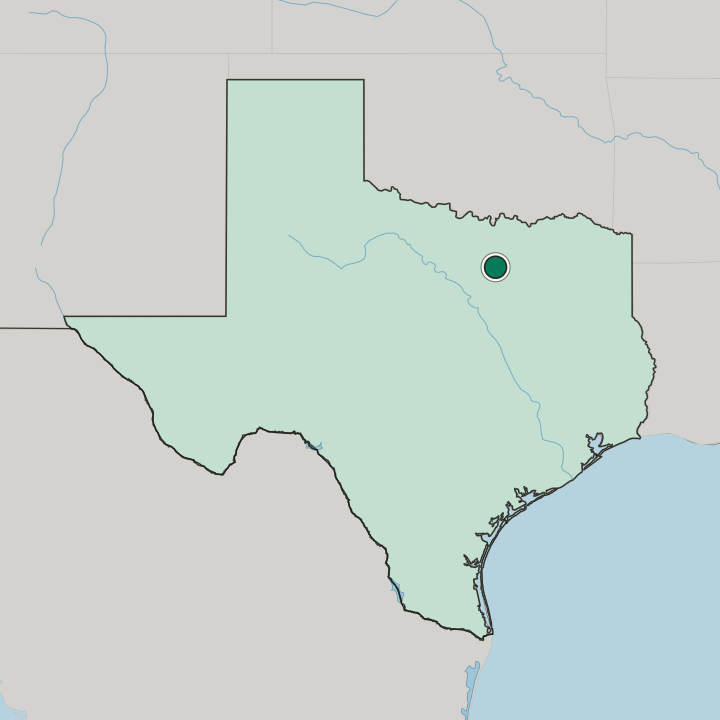
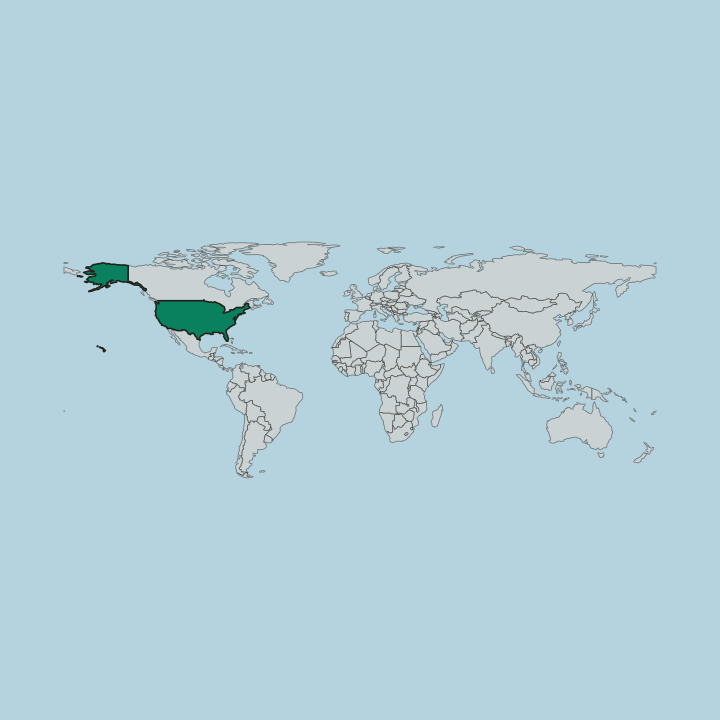
An airport takes much of the map. Grapevine occupies Mid-Cities ground between Dallas and Fort Worth, and a large share of its municipal area is given over to Dallas/Fort Worth International Airport rather than to streets or houses. The remainder is level and built up.
Most of the city falls inside Tarrant County, with minor portions reaching into Dallas and Denton counties, so the town's own boundary crosses three county lines. The old blocks sit apart from all of it.
What is the climate of Grapevine?
Winter is what Grapevine sells. The subtropical band it sits in keeps December mild enough for the Christmas Capital of Texas programme to run through the streets rather than indoors, which is half the reason the billing works at all. Summer is the harder season.
Heat settles over this flat Mid-Cities ground with no relief from height or shade, so the walk between the Stewart House, the Wiggins House and the Cotton Belt Section House is best taken early.
How do you get to Grapevine?
Most people land rather than drive. Dallas/Fort Worth International Airport lies partly inside the city limits, so a flight into the metroplex puts Grapevine closer than either Dallas or Fort Worth, and the transfer is short enough to make the town a common first night. Roads handle the rest.
Tarrant County traffic runs through on the suburban routes, the Denton county side gives an alternative approach, and the historic streets near the Stewart House and the Cotton Belt Section House are compact enough to leave the car once you arrive.
Common questions
What is the best area to stay in Grapevine?
The old blocks by the Stewart House: walking the Christmas Capital of Texas programme from a listed street. The Dallas/Fort Worth International Airport edge: a dawn departure without a night booked in Dallas. Near Gateway Church: weekend congregations arriving for Gateway Church.
Good for
More cities in Texas
Updated September 2026