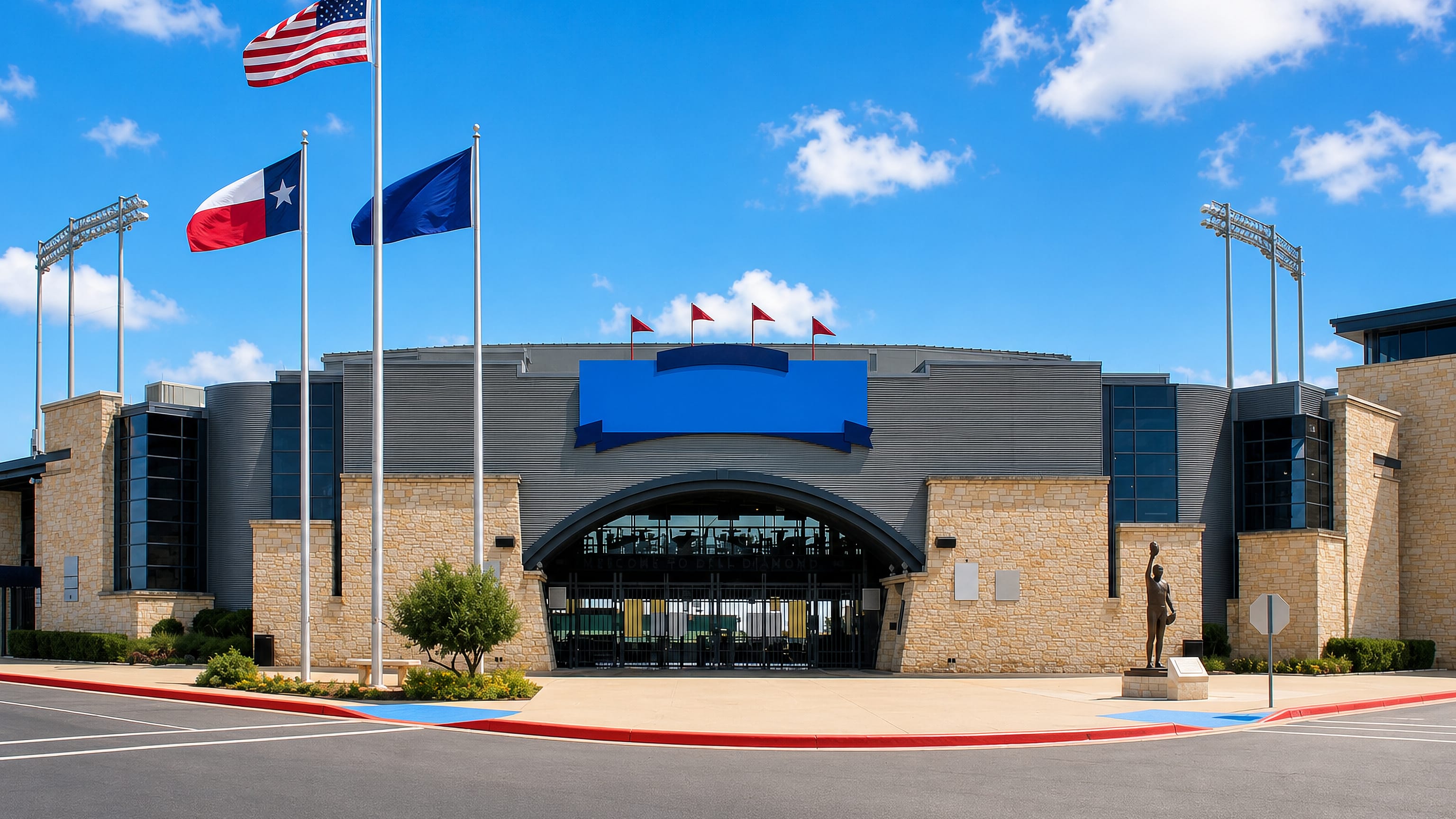
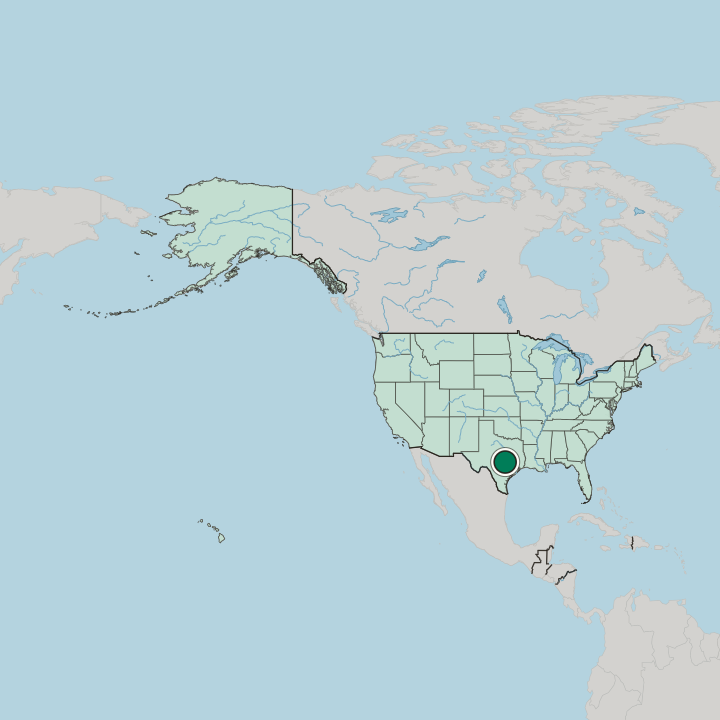
United States · Texas
Where to Stay in Round Rock, Texas
Round Rock is a Texas city of the Central Hill Country, spread across Williamson County and Travis County inside Greater Austin, dating from 1851.
Hotel links are affiliate links: booking through them may earn us a commission, at no extra cost to you. It never affects how places are ranked. How this works


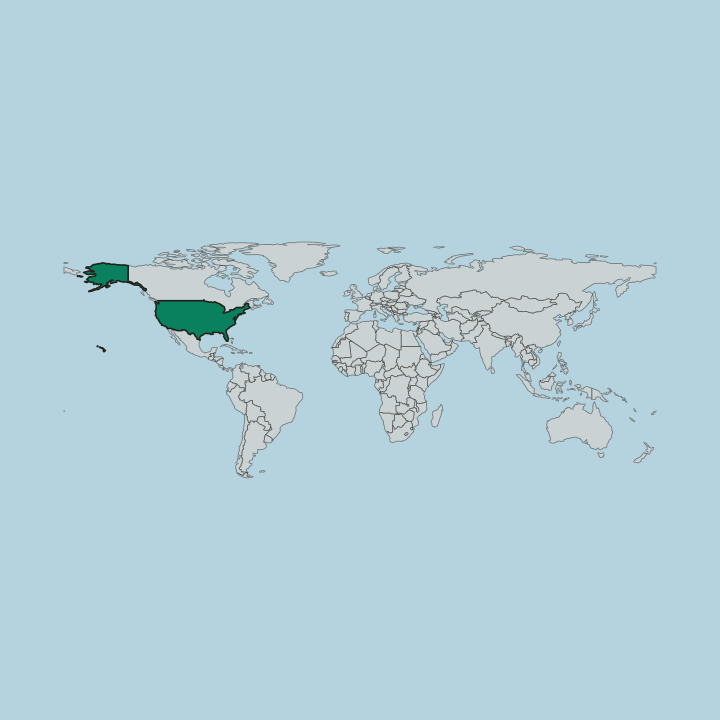
Where to stay in Round Rock
How the choice of base plays out on the ground.
Brushy Creek marks the older side of the choice in Round Rock. The Inn at Brushy Creek, the Old Broom Factory Building and the Round Rock Post Office belong to the older core, and a room there puts the historic register within a walk. Palm Valley Lutheran Church stands nearby.
The Early Commercial Building anchors the same few blocks. That corner suits anyone here for the buildings rather than for a base close to Austin, and it keeps the Caldwell-Palm House and the Nelson-Crier House in the same short circuit. The Travis County edge works differently.
Rooms on that side of the city line trade the historic core for a shorter run into Austin, which matters to stays built around the wider Greater Austin area rather than around Round Rock itself. El Milagro sits along that stretch. Williamson County and Travis County divide the built ground between them, so the choice is less between two towns than between two ends of one street plan, with the Barker House and the Olson House on the older end.
The MacNabb Home and the Cabin from Gabriel Mills Area round out the older register.
Find hotels in Round Rock
Direct booking searches for these neighbourhoods.
The Brushy Creek core
Inn at Brushy Creek and Palm Valley Lutheran Church stand within the same few blocksFind hotels in The Brushy Creek coreBases built around Greater Austin rather than around Round RockThe Travis County edge
Shorter run into Austin, with El Milagro along the same stretchFind hotels in The Travis County edgeStays wanting the Barker House and the Olson House within reachThe Williamson County side
Older street plan holding the MacNabb Home and the Caldwell-Palm HouseFind hotels in The Williamson County sideHotel links are affiliate links: booking through them may earn us a commission, at no extra cost to you. It never affects how places are ranked. How this works
About Round Rock
Old buildings carry the name.
What is Round Rock known for?
Palm Valley Lutheran Church, the Old Broom Factory Building and the Inn at Brushy Creek head a long list of preserved structures, and the whole city sits inside Greater Austin without belonging to Austin itself. The Central Hill Country frames it. El Milagro and the Caldwell-Palm House keep their own places on the register.
What are the main landmarks in Round Rock?
Round Rock's register runs mostly to houses. The Barker House, the Olson House, the MacNabb Home and the Caldwell-Palm House survive from the town's first century, and the Cabin from Gabriel Mills Area carries the name of its origin. Trade left its own buildings.
The Old Broom Factory Building and the Early Commercial Building mark the working side, while Palm Valley Lutheran Church and El Milagro sit apart from both. The Round Rock Post Office closes the list.
What is the history of Round Rock?
The town dates from 1851. Its first century is written into the building register rather than into monuments, with the Round Rock Post Office, the Caldwell-Palm House and the Nelson-Crier House standing among the survivals from the settlement's early decades. Palm Valley Lutheran Church joined that register.
Trade and craft left the Old Broom Factory Building and the Early Commercial Building, while the Cabin from Gabriel Mills Area and the Inn at Brushy Creek keep the names of places that mattered before the city had its present outline. Austin changed the arithmetic. Growth out of Austin pulled Round Rock into the Greater Austin metropolitan area, and the city spans Williamson County and Travis County rather than sitting alone in the Central Hill Country.
The old register survived the change. The Barker House, the Olson House and the MacNabb Home still stand, and El Milagro holds its own entry, so the nineteenth-century town remains legible inside a city of the Austin belt. Roughly 93 square kilometres fall inside the limits.
Williamson County and Travis County divide that ground between them, and the Travis County corner marks where Round Rock runs up against the rest of the Austin conurbation.
Where is Round Rock?
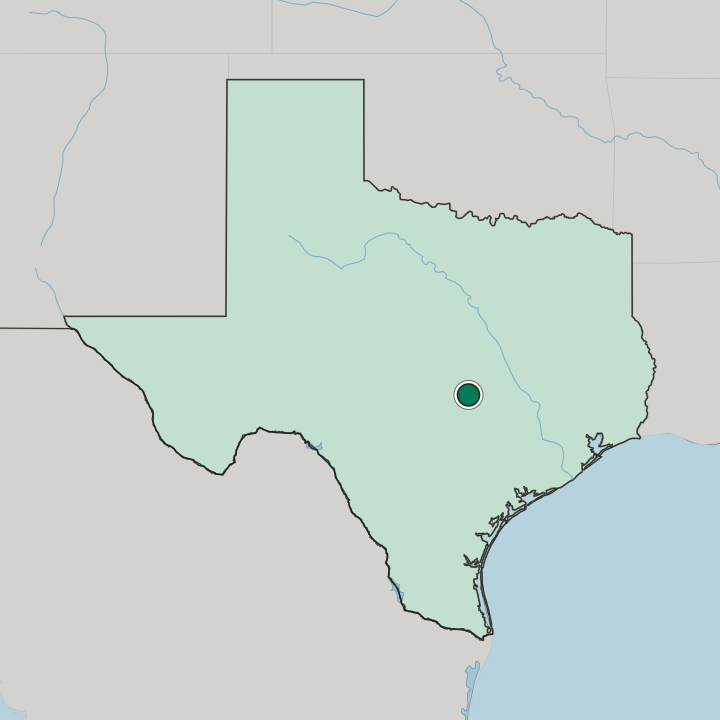
Two counties split the ground. Round Rock covers roughly 93 square kilometres of the Central Hill Country, with the county line between Williamson County and Travis County cutting across the built area and downtown Austin 19 miles away. Brushy Creek lends its name to the inn.
Greater Austin absorbs the whole of it.
What is the climate of Round Rock?
Heat defines the long half of the year. The subtropical band that crosses the Central Hill Country keeps the summer half of the year long and hot, and the same conditions run on across Greater Austin, which shares the ground. Winters stay brief.
The coolest weeks fall at either end of the calendar, leaving the hardest heat in its middle.
How do you get to Round Rock?
Round Rock lies 19 miles from downtown Austin inside the same metropolitan area, so arrivals cross Greater Austin before reaching the city line. Williamson County takes over past that line. Once inside the limits, the Old Broom Factory Building, Palm Valley Lutheran Church and the Inn at Brushy Creek fall within a short circuit of one another, with El Milagro not far off.
The city plan holds them together.
Common questions
What is the best area to stay in Round Rock?
The Brushy Creek core: Walkers doing the Old Broom Factory Building and the Round Rock Post Office. The Travis County edge: Bases built around Greater Austin rather than around Round Rock. The Williamson County side: Stays wanting the Barker House and the Olson House within reach.
Good for
More cities in Texas
Updated September 2026