United States · Texas
Where to Stay in San Marcos, Texas
San Marcos is a college town on the San Marcos River in the Central Hill Country of Texas, county seat of Hays County and settled in 1808.
Hotel links are affiliate links: booking through them may earn us a commission, at no extra cost to you. It never affects how places are ranked. How this works


Where to stay in San Marcos
The practical side of choosing where to sleep.
Texas State University sets the rhythm of the choice. Rooms near the campus put the university, the San Marcos River and the Meadows Center for Water and the Environment within the same short circuit, which suits anyone here for term dates or the water research. First United Methodist Church stands nearby.
The older streets around it and around Fort Street Presbyterian Church hold the Burleson-Knispel House, which gives that side of the town its architectural interest. The Central Hill Country begins past the last streets. Interstate 35 offers the other logic.
San Marcos sits on the corridor between Austin and San Antonio, so a room near the highway works for stays that treat the town as a base for both cities rather than a destination in itself. Hays County holds most of the ground. The limits also reach into Caldwell County and Guadalupe County, which puts one edge of the city inside Greater Austin and another inside Greater San Antonio.
Dick's Classic Garage sits off the corridor. Anyone weighing the two should count the drive, since half an hour separates San Marcos from Austin and the corridor carries traffic in both directions all day.
Find hotels in San Marcos
Direct booking searches for these neighbourhoods.
By Texas State University
Campus and the San Marcos River fall within the same short circuitFind hotels in By Texas State UniversityStays wanting the Burleson-Knispel House and First United Methodist Church on footThe Fort Street Presbyterian Church streets
Older street plan gathered around Fort Street Presbyterian ChurchFind hotels in The Fort Street Presbyterian Church streetsBases splitting time between Austin and San AntonioThe Interstate 35 corridor
Highway frontage on the Interstate 35 corridor, with Dick's Classic Garage close byFind hotels in The Interstate 35 corridorHotel links are affiliate links: booking through them may earn us a commission, at no extra cost to you. It never affects how places are ranked. How this works
About San Marcos
A university and a river.
What is San Marcos known for?
Texas State University fills the town through term, and the San Marcos River carries the research of the Meadows Center for Water and the Environment on its banks. Old cars have their own shed. Dick's Classic Garage keeps that collection, and the ground itself is reckoned among the oldest continuously inhabited sites in the Americas.
What are the main landmarks in San Marcos?
Water heads the list. The Meadows Center for Water and the Environment works on the San Marcos River, and the churches, First United Methodist Church and Fort Street Presbyterian Church, mark the older street plan around it. One house carries a double name.
The Burleson-Knispel House stands among them, while Dick's Classic Garage keeps a collection of motor cars that has nothing to do with either the river or the churches. Texas State University closes the register.
What is the history of San Marcos?
People have lived on this ground a very long time. The banks of the San Marcos River are reckoned among the oldest continuously inhabited sites in the Americas, and the settlement that became the modern town was laid out by Mexican families in 1808. Hays County took its seat here.
Church building followed, and First United Methodist Church and Fort Street Presbyterian Church survive from that phase, along with the Burleson-Knispel House on the older streets. A university reshaped the town. Texas State University turned San Marcos into a college town, and the Meadows Center for Water and the Environment gave the river a research institution of its own.
The corridor did the rest. Interstate 35 tied the town to Austin and San Antonio at once, and the city limits grew until they crossed out of Hays County into Caldwell County and Guadalupe County, straddling Greater Austin and Greater San Antonio. Dick's Classic Garage came later still.
The Central Hill Country around it stayed what it was, so the town holds an old river site, a campus and a highway corridor in one set of limits.
Where is San Marcos?
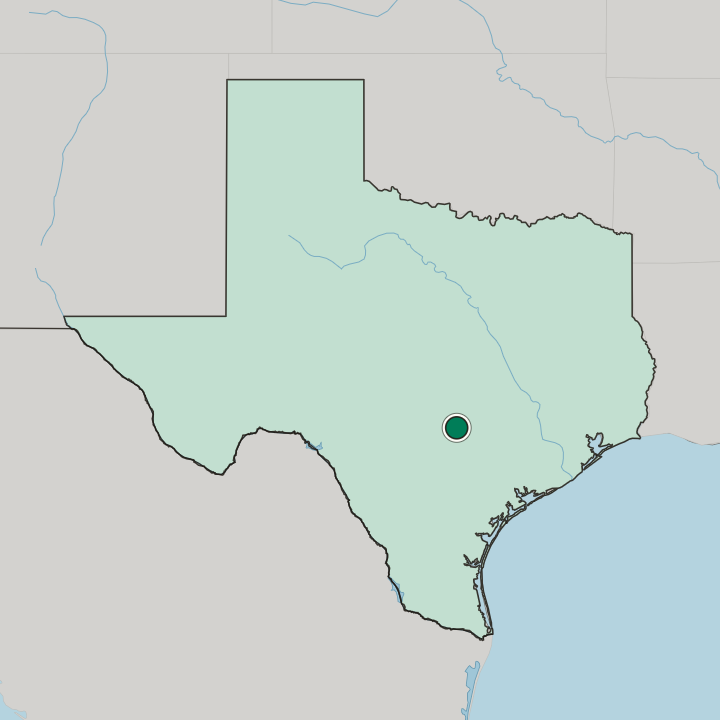
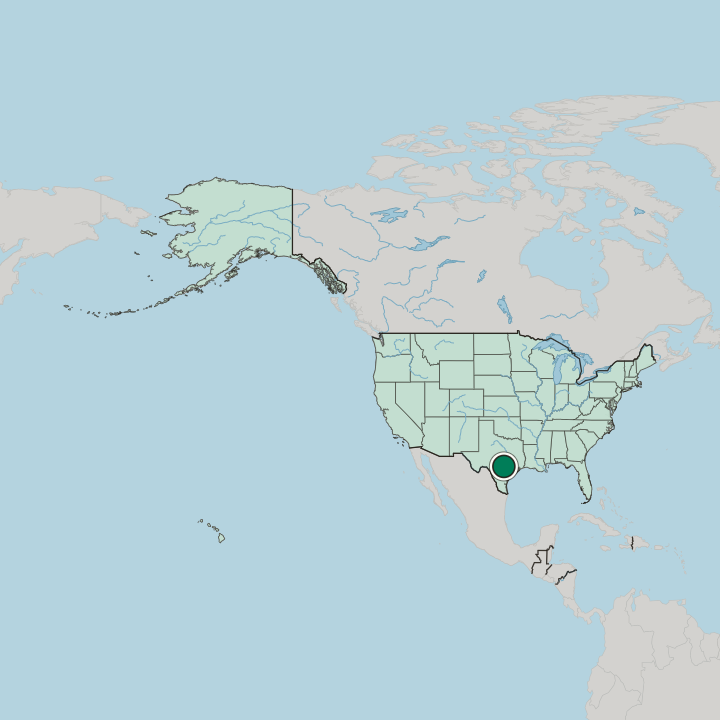
The San Marcos River runs through the town. Its limits take in about 89 square kilometres of the Central Hill Country and reach out of Hays County into Caldwell County and Guadalupe County, which is why one part of the city belongs to Greater Austin and another to Greater San Antonio. Interstate 35 crosses the middle.
Austin lies about half an hour away along that corridor, with San Antonio at its other end.
What is the climate of San Marcos?
Warmth outlasts the school year. The subtropical band over the Central Hill Country keeps the warm season long, and the Interstate 35 corridor carries the same weather between Austin and San Antonio without much change along its length. Cool weeks are few.
The San Marcos River carries the town through both halves of the year.
How do you get to San Marcos?
Interstate 35 does the work. San Marcos sits directly on the corridor between Austin and San Antonio, which puts the town about half an hour's drive from Austin and within reach of both metropolitan areas without a change of road. Hays County roads take over from there.
Texas State University, the Meadows Center for Water and the Environment and Dick's Classic Garage all sit within the same city limits, so the last stage of any arrival is short.
Common questions
What is the best area to stay in San Marcos?
By Texas State University: Term-time business and time at the Meadows Center for Water and the Environment. The Fort Street Presbyterian Church streets: Stays wanting the Burleson-Knispel House and First United Methodist Church on foot. The Interstate 35 corridor: Bases splitting time between Austin and San Antonio.
Good for
More cities in Texas
Updated September 2026