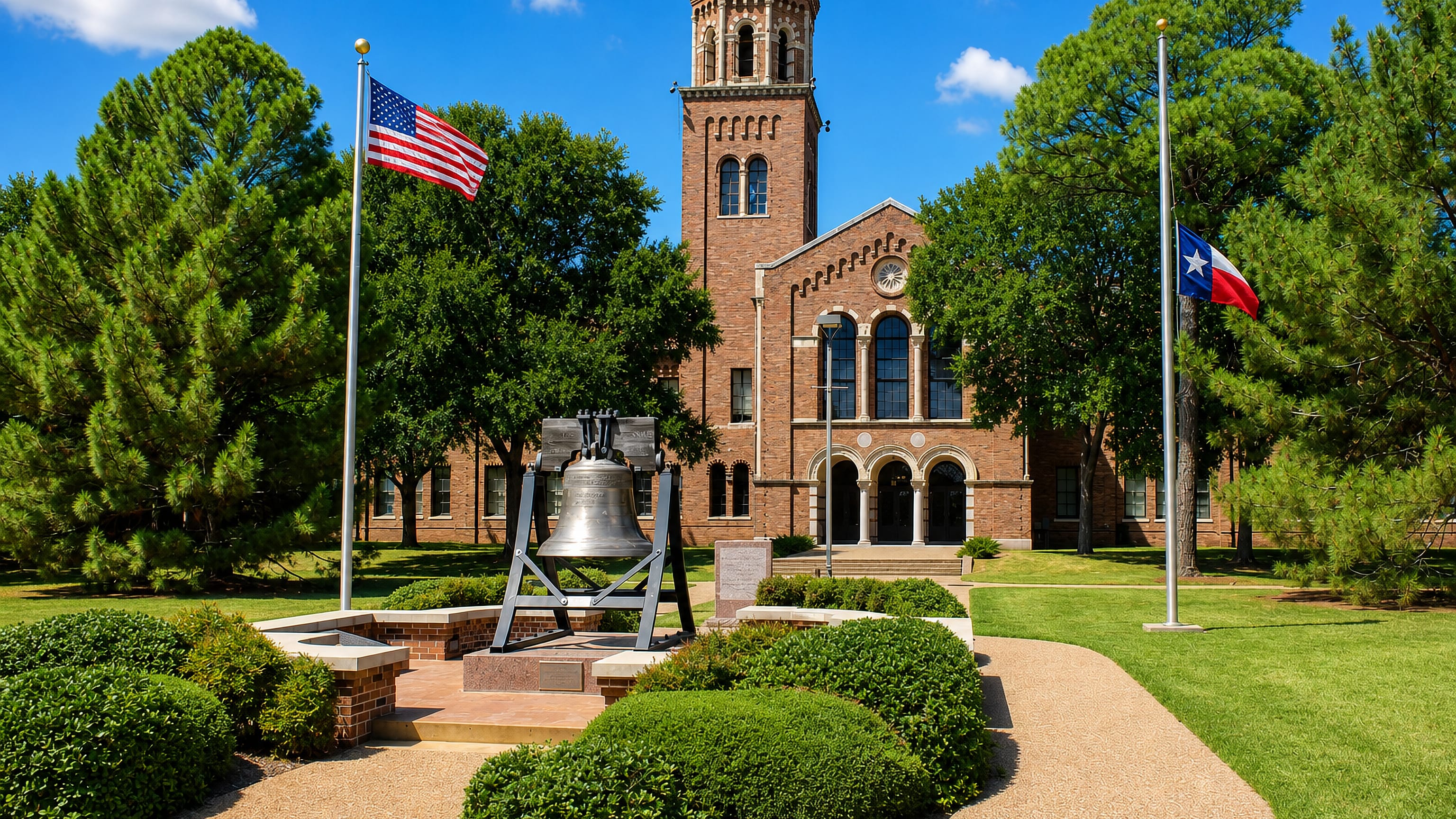
United States · Texas
Where to Stay in Wichita Falls, Texas
Wichita Falls is the seat of Wichita County on the North Central Plains of Texas, named for the Wichita people and the falls on their river.
Hotel links are affiliate links: booking through them may earn us a commission, at no extra cost to you. It never affects how places are ranked. How this works


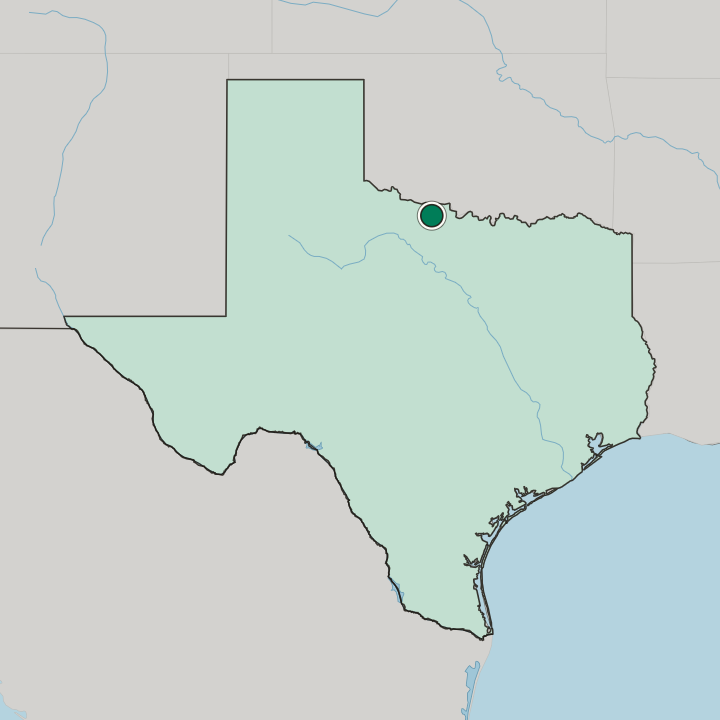
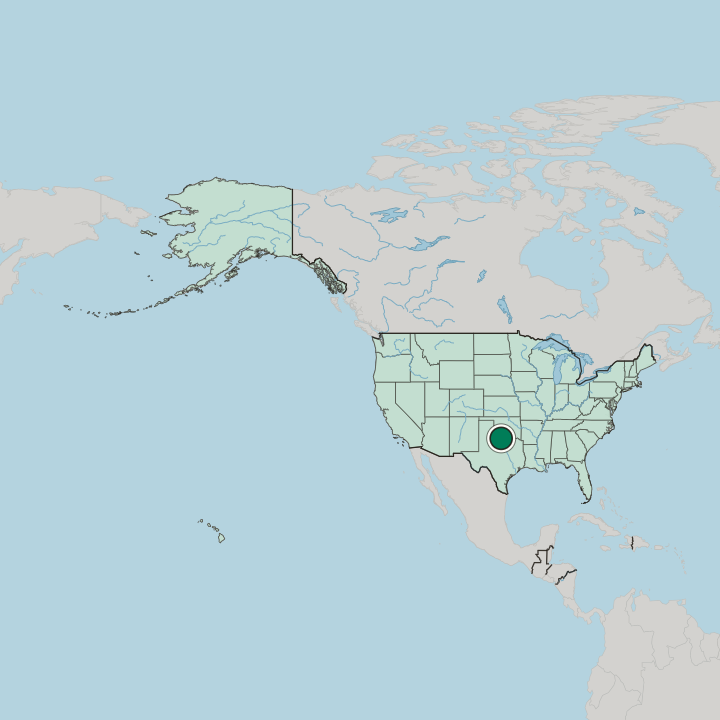
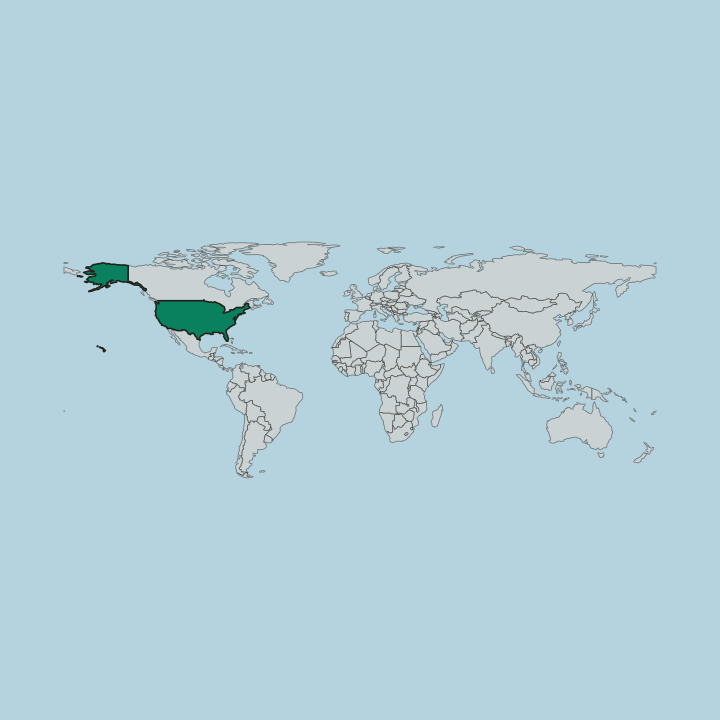
Where to stay in Wichita Falls
How the choice of base plays out on the ground.
Downtown keeps the older addresses. Rooms near the Wichita Falls Railroad Museum put the Professional Wrestling Hall of Fame and Museum and the old churches of the county seat within reach on foot, which suits you if the town's own story is the point of the trip. The blocks empty after work.
Sacred Heart Catholic Church, First Baptist Church and the Episcopal Church of the Good Shepherd stand among them, and the First United Methodist Church marks another corner of the same grid. Nights are calm. The Wichita River is close by.
I-44 runs past the other half. Rooms along the highway suit anyone with a car, since Sheppard Air Force Base, Midwestern State University and the roads out across Archer and Clay Counties all start from that side. Parking is never an issue.
Families visiting the university often take this ground, and the drive back downtown to the Wichita River takes only a few minutes at any hour. Sheppard Air Force Base keeps some rooms busy through the week. Crossing town takes minutes either way.
The city spreads wide across Wichita County, so the choice is between walking the old grid and driving everything, and neither costs much time.
Find hotels in Wichita Falls
Direct booking searches for these neighbourhoods.
Downtown by the Railroad Museum
The railroad museum, Sacred Heart Catholic Church and First Baptist Church stand a few blocks apartFind hotels in Downtown by the Railroad MuseumOvernight stops on the run along I-44The I-44 corridor
Rooms beside the highway a short drive from Sheppard Air Force BaseFind hotels in The I-44 corridorTrips built around Midwestern State UniversityNear Midwestern State University
Campus streets sit a short way from the Wichita River and the downtown gridFind hotels in Near Midwestern State UniversityHotel links are affiliate links: booking through them may earn us a commission, at no extra cost to you. It never affects how places are ranked. How this works
Things to do in Wichita Falls
Ranked by global recognition; descriptions from Wikidata (CC0).
Museums & Galleries
2- Professional Wrestling Hall of Fame and Museum
- Wichita Falls Railroad Museum
Churches & Religious Sites
3- First Baptist Church Heritage
- First United Methodist Church Heritage
- Episcopal Church of the Good Shepherd
Stadiums & Sports
1- D.L. Ligon Coliseum
Landmarks & Notable Places
3- Graphics II Heritage
- Albert Zundelowitz House
- Bernard Martin House
worth knowingacross 4 categories in Wichita Falls
About Wichita Falls
The railroad made the town.
What is Wichita Falls known for?
Fort Worth and Denver Railroad brought the first train in 1882, and the oil boom that followed turned Wichita Falls into the working centre of the plains around it. Two museums hold that record. The Wichita Falls Railroad Museum keeps the rolling stock, while the Professional Wrestling Hall of Fame and Museum draws a different crowd entirely to Wichita County.
What are the main landmarks in Wichita Falls?
The Professional Wrestling Hall of Fame and Museum is the surprise. The Wichita Falls Railroad Museum sits closer to the town's own story, with rolling stock from the line that opened the place. Churches fill the older streets.
Sacred Heart Catholic Church, First Baptist Church, the First United Methodist Church and the Episcopal Church of the Good Shepherd stand among family homes such as the Albert Zundelowitz House and the Berry Brown House.
What is the history of Wichita Falls?
The Wichita River gave the name. Wichita people lived near the falls on the river, and the town that grew there took both the name and the water as its own. Rail changed the scale.
Fort Worth and Denver Railroad brought the first train in 1882, and Wichita Falls became the trading floor for the farms and stock of the plains around it. Then came oil. The boom of the early twentieth century made the city the headquarters of north Texas petroleum production, service and manufacturing, and the money went into houses.
Money built the streets. The Albert Zundelowitz House, the Berry Brown House, the Guy Dewitt Anderson House and the Samuel Kruger House survive from the years when oil and trade paid for the best addresses in the county. Congregations built alongside them.
Sacred Heart Catholic Church, First Baptist Church and the Episcopal Church of the Good Shepherd date from the same expansion, and the First United Methodist Church rose within the same few blocks. The base came later. Sheppard Air Force Base, Midwestern State University and the industry along I-44 carried the city past the oil years, while the Wichita Falls Railroad Museum keeps the record of the line that started it.
The falls stayed in the name.
Where is Wichita Falls?
Plains run out in every direction. Wichita Falls stands on the North Central Plains of Texas, on the Wichita River, at the centre of a metropolitan area taking in Archer, Clay and Wichita Counties. The horizon is wide and low.
Farm and grazing country reaches from the edge of the city, and the river cuts a shallow line through it past the falls that gave the place its name.
What is the climate of Wichita Falls?
Wind is the constant on the North Central Plains, and Wichita Falls takes it hot and dry through a subtropical summer that leaves the Wichita River running low. Winters bite briefly. Cold fronts come down the open plains with nothing to slow them, and the swing between one day and the next can be sharp.
How do you get to Wichita Falls?
I-44 does the long-distance work. The highway crosses Wichita County and links the city to the plains beyond, while Sheppard Air Force Base and Midwestern State University pull their own traffic in from Archer and Clay Counties. Rail built the place first.
Fort Worth and Denver Railroad opened the line in 1882, and the Wichita Falls Railroad Museum is what remains of that arrival for anyone who wants to see it.
Common questions
What is the best area to stay in Wichita Falls?
Downtown by the Railroad Museum: Walking the Wichita Falls Railroad Museum and the old county-seat churches. The I-44 corridor: Overnight stops on the run along I-44. Near Midwestern State University: Trips built around Midwestern State University.
Good for
More cities in Texas
Updated September 2026