
Austria
Salzburg, Austria — Towns & Travel Guide
Salzburg is an Alpine state in north-west Austria, where the Salzach River carries mountain water down from the Hohe Tauern.
Hotel links are affiliate links: booking through them may earn us a commission, at no extra cost to you. It never affects how places are ranked. How this works


Towns & cities in Salzburg
One town here has its own guide — it links to where to stay.

 Austria
Salzburg
Baroque towers crowd the Salzach under the fortress rock at Salzburg, an Austrian city known for Hohensalzburg Fortress and Mozart's birthplace.Where to stay →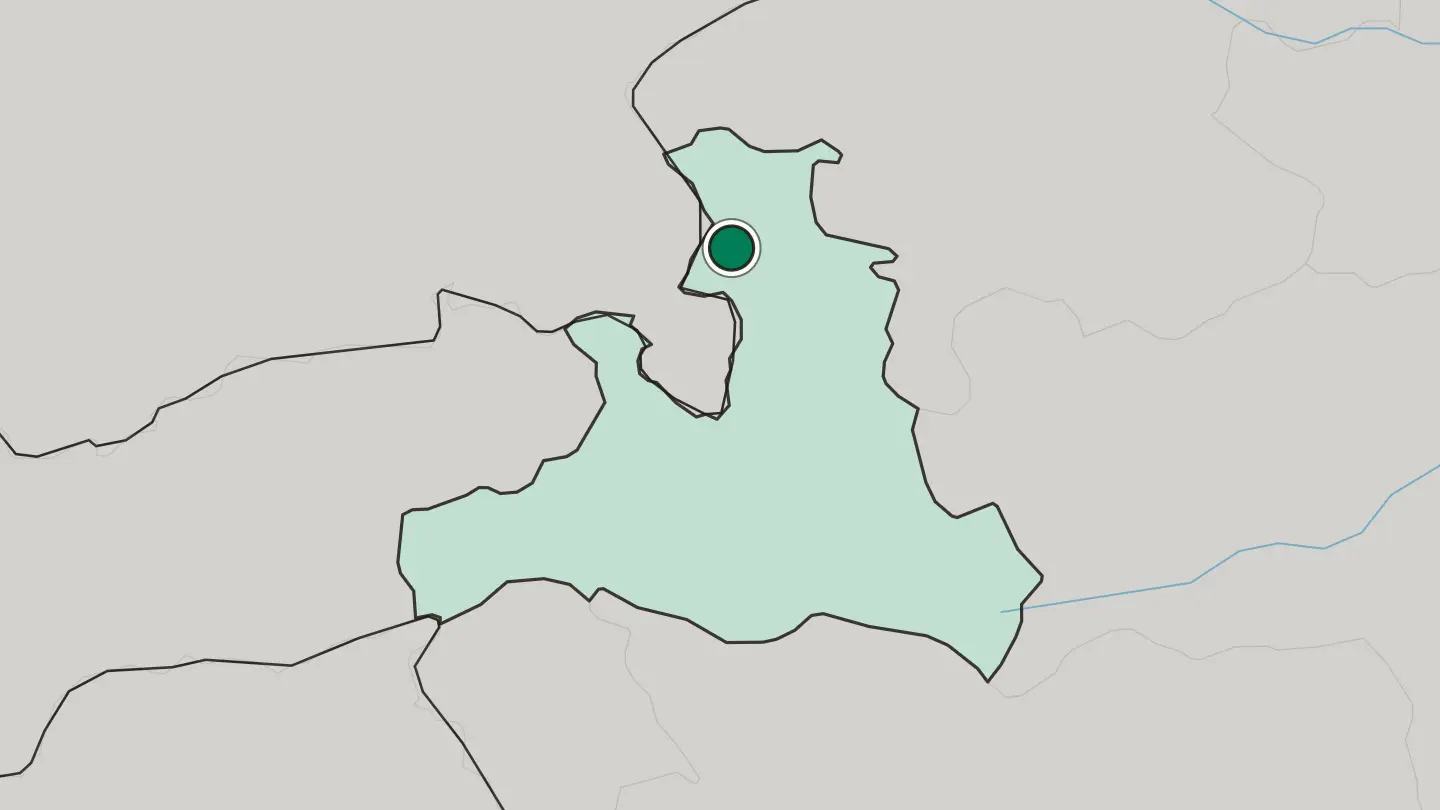
Hotel links are affiliate links: booking through them may earn us a commission, at no extra cost to you. It never affects how places are ranked. How this works
About Salzburg
Two names carry the state.
What is Salzburg known for?
Mozart was born in its capital, Salzburg, and the city that raised him also gave The Sound of Music its Alpine backdrop. Beyond that fame the land is mountains: nine-tenths of it sits within the Alps, and the Hohe Tauern along the southern edge push past the three-thousand-metre line toward the Grossglockner. Salt gave the region both its wealth and its name, mined in the valleys long before any film crew arrived.
Skiers know it for the resorts around Zell am See, walkers for the Salzach valley that threads the whole state together.
Where is Salzburg?
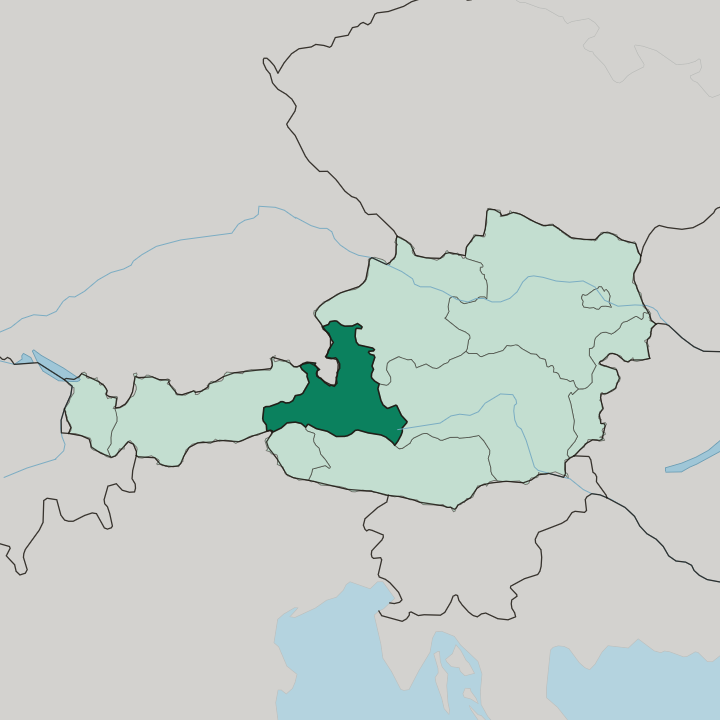
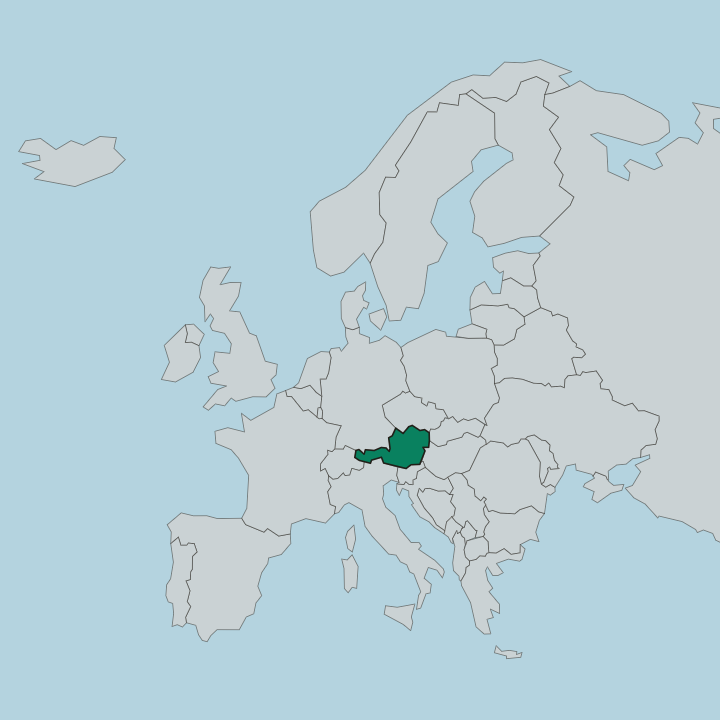
Salzburg fills a long, narrow strip of north-west Austria, wedged against the German state of Bavaria. Its shape follows water and rock. The Salzach River rises near Krimml in the western Pinzgau, gathers the streams of the high valleys, and runs north through the middle of the state before turning to form part of the Bavarian border.
Nine-tenths of the land lies within the Alps. Along the southern edge the Hohe Tauern raise the main Alpine crest, a wall of glaciers and three-thousanders that separates Salzburg from Carinthia and Tyrol beyond. The state is read in five old regions, each a valley world of its own.
Flachgau and Tennengau spread across the gentler north, where the mountains give way to lake-dotted lowland around the capital. Pinzgau reaches west toward the Grossglockner and the source of the Salzach. Pongau holds the centre, a knot of deep valleys and passes.
Lungau sits high and apart in the south-east, a cold upland basin closed off by ridges. Upper Austria lies to the north-east and Styria to the east, but it is the Alps, not any neighbour, that shape the place. Every road here follows a valley.
What is Salzburg like?
Music sits at the centre of how the state sees itself. Wolfgang Amadeus Mozart was born in the capital in 1756, and the city has built its identity around him ever since, from the summer festival that fills its churches and squares to the house where he grew up. The Sound of Music added a second layer, sending visitors to the meadows and lakes north of the city where much of it was filmed.
Around all of this runs the baroque grandeur left by the prince-archbishops, whose salt money paid for the domes and fountains of the old town. Beyond the capital the culture turns rural and Alpine. German is the language, spoken in a broad local dialect once you leave the city streets.
Cowbells, mountain huts, and summer pasture farming still mark the high valleys of the Pinzgau and the Lungau. Folk custom holds on strongly here. Carved masks and midwinter processions, brass bands and church feasts belong to the year as much as any concert hall does.
The contrast is the point: courtly baroque in Salzburg, hard mountain life in the valleys above it.
What is the history of Salzburg?
Salt made Salzburg. For centuries the state was ruled from its capital not by a duke but by an archbishop, whose prince-archbishopric stood as an independent church-state within the Holy Roman Empire and drew its wealth from the salt mined in the surrounding valleys. That wealth built the baroque city and its fortress.
The church rule ended in 1803, when the territory was secularised, and after the upheavals that followed it was joined to Austria for good in 1816. What had been a sovereign clerical realm became one Austrian state among nine.
What is the climate of Salzburg?
Salzburg's weather is written by the mountains. Standing on the northern rim of the Alps, the state catches a lot of rain, and the wettest spells come through the summer as moist air piles up against the Hohe Tauern. Winters are cold and snowy, which is exactly why the high valleys of the Pinzgau fill with skiers.
Altitude changes everything from valley to valley. The Lungau upland in the south-east runs colder and clearer than the milder lowland around the capital, and warm foehn winds off the southern ranges can break the chill without warning.
How do you get to Salzburg?
Most visitors arrive through the capital. Salzburg Airport, named for Mozart, sits on the edge of the city near the Bavarian border and handles most of the air traffic for the whole state and its ski country. The old town lies a short bus ride away, and the main station links onward by hourly train up the Salzach valley toward Zell am See and the mountains.
Trains also run north into Germany and east across Austria toward Vienna. Beyond the rail lines, every deeper valley is reached by road.
Common questions
What is the best area to stay in Salzburg?
Salzburg: the Mozart city and the baroque old town. Zell am See: lake-and-mountain resort life in the Pinzgau. Bad Gastein: thermal springs and the southern ski valleys. The Salzach valley: following the river through the state's heart.
Good for
More regions in Austria
Updated September 2026