Austria
Kärnten, Austria — Towns & Travel Guide
Kärnten is Austria's southernmost state, an Alpine basin of warm lakes and high peaks between the Hohe Tauern and the Slovenian border.
Hotel links are affiliate links: booking through them may earn us a commission, at no extra cost to you. It never affects how places are ranked. How this works


Towns & cities in Kärnten
One town here has its own guide — it links to where to stay.
 Austria
Klagenfurt am Wörthersee
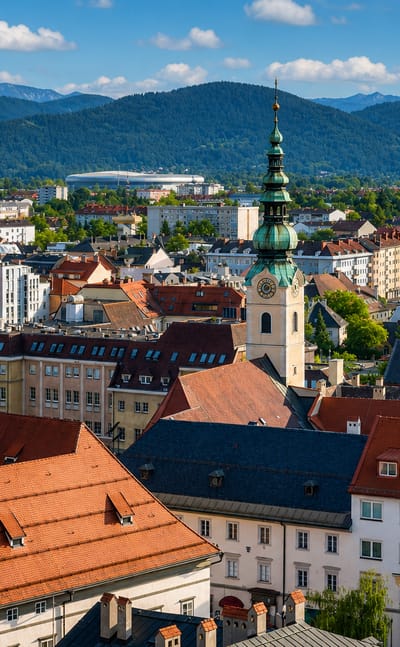
Klagenfurt am Wörthersee is the capital and largest city of the Austrian state of Carinthia.Where to stay →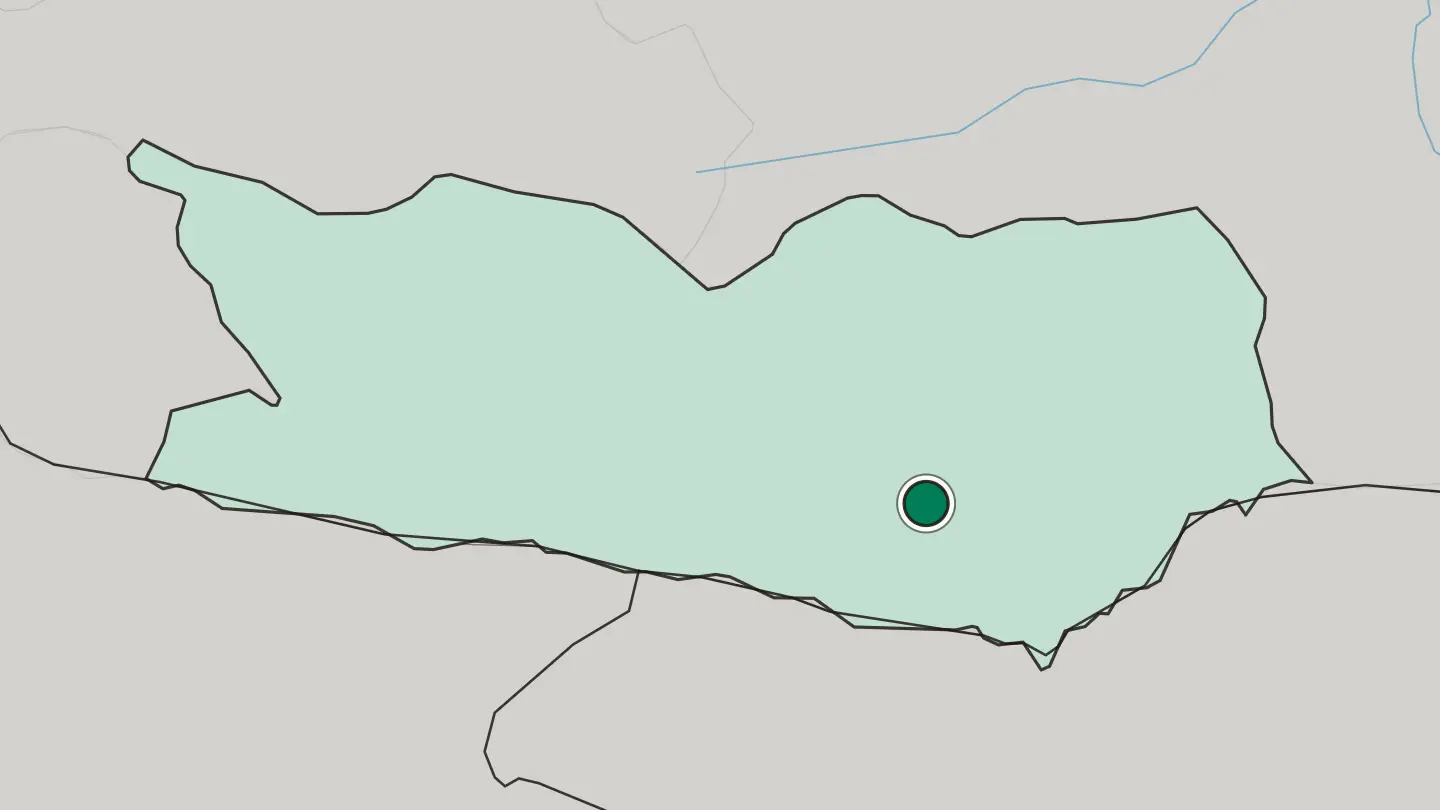
Hotel links are affiliate links: booking through them may earn us a commission, at no extra cost to you. It never affects how places are ranked. How this works
About Kärnten
Kärnten is the lake district of the Austrian Alps.
What is Kärnten known for?
More than 200 lakes fill its valleys. The Wörthersee, warmest of the large Alpine lakes, draws swimmers to Klagenfurt and Velden through the summer, while the Grossglockner rises on the northern border as Austria's highest peak. Winter brings skiers to the Nassfeld above Hermagor and to the slopes of Bad Kleinkirchheim.
Sunshine hours here run the highest of any Austrian state, a southern light that gives the region its Alpine-Adriatic character.
Where is Kärnten?
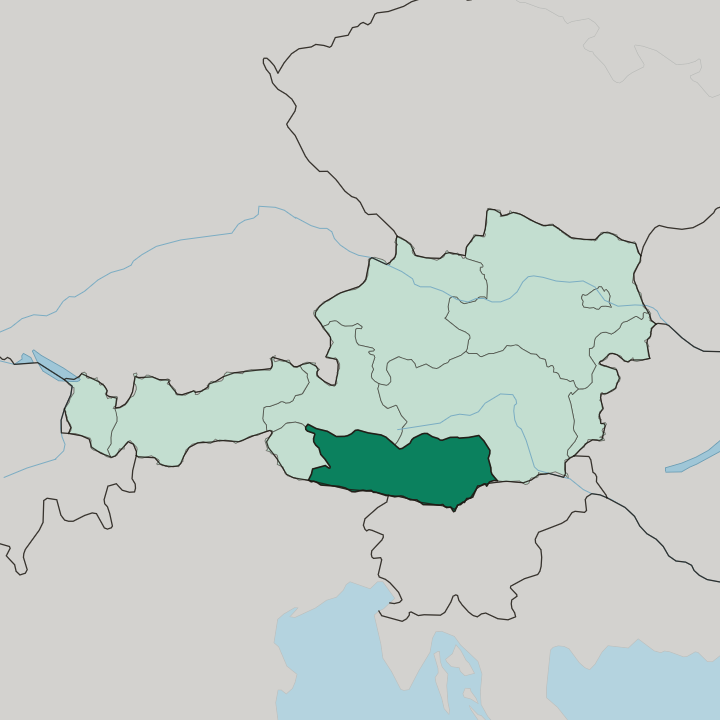
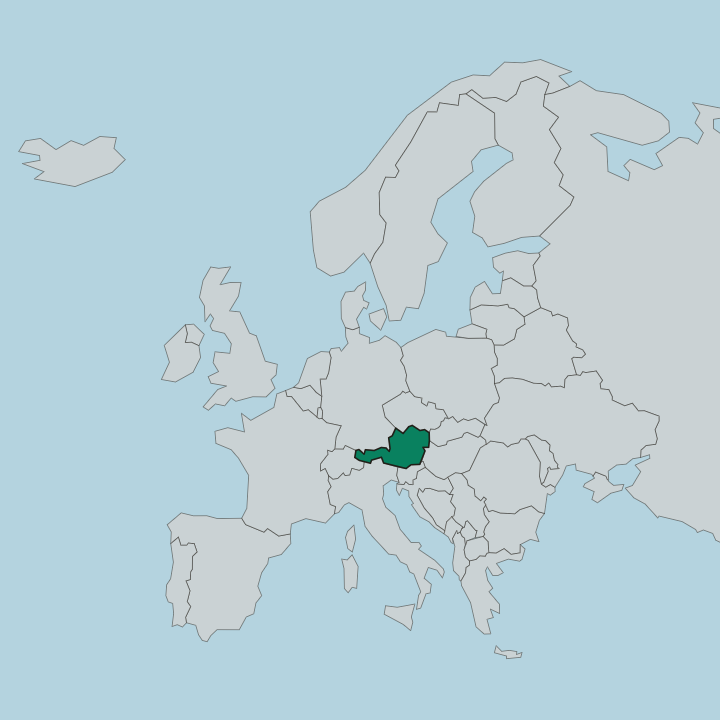
Kärnten fills the far south of Austria, walled off from the rest of the country by mountains on almost every side. The Hohe Tauern close the north-west, and the Grossglockner marks the corner where the state meets Tyrol on Austria's highest ground. Beyond the northern ridges lie Salzburg and Styria.
South of the basin, the border is the wall. The Carnic Alps face Italy along the Gail valley, and the Karawanks run east from there as the line against Slovenia. Between those ranges the land drops into the Klagenfurt basin, the low warm heart of the state.
The Drau ties it together. It enters from East Tyrol in the west, gathers the Gail, the Möll, the Gurk and the Lavant, and carries the whole valley system east toward the Slovenian frontier. Villach stands where the river meets the basin.
Klagenfurt sits east of it, on the Wörthersee. More than 200 lakes lie scattered through the valleys around them, the Wörthersee, the Millstätter See, the Ossiacher See and the Faaker See among the largest. The mountains hold the weather out and the warmth in, and that basin is why the south of Austria swims while the rest of it skis.
What is Kärnten like?
Two languages meet in the south of Kärnten. The main tongue is Austrian German, in the Southern Bavarian dialect that colours everyday speech across the state. Alongside it, in the valleys south of the Drau, a Slovene-speaking minority keeps its own dialect alive.
The Carinthian Slovenes settle the Jauntal and the Rosental, the Gailtal and the country around the Sattnitz hills, and their names sit on the map beside the German ones. That bilingual south is the older layer. The pull of the border shows in more than language.
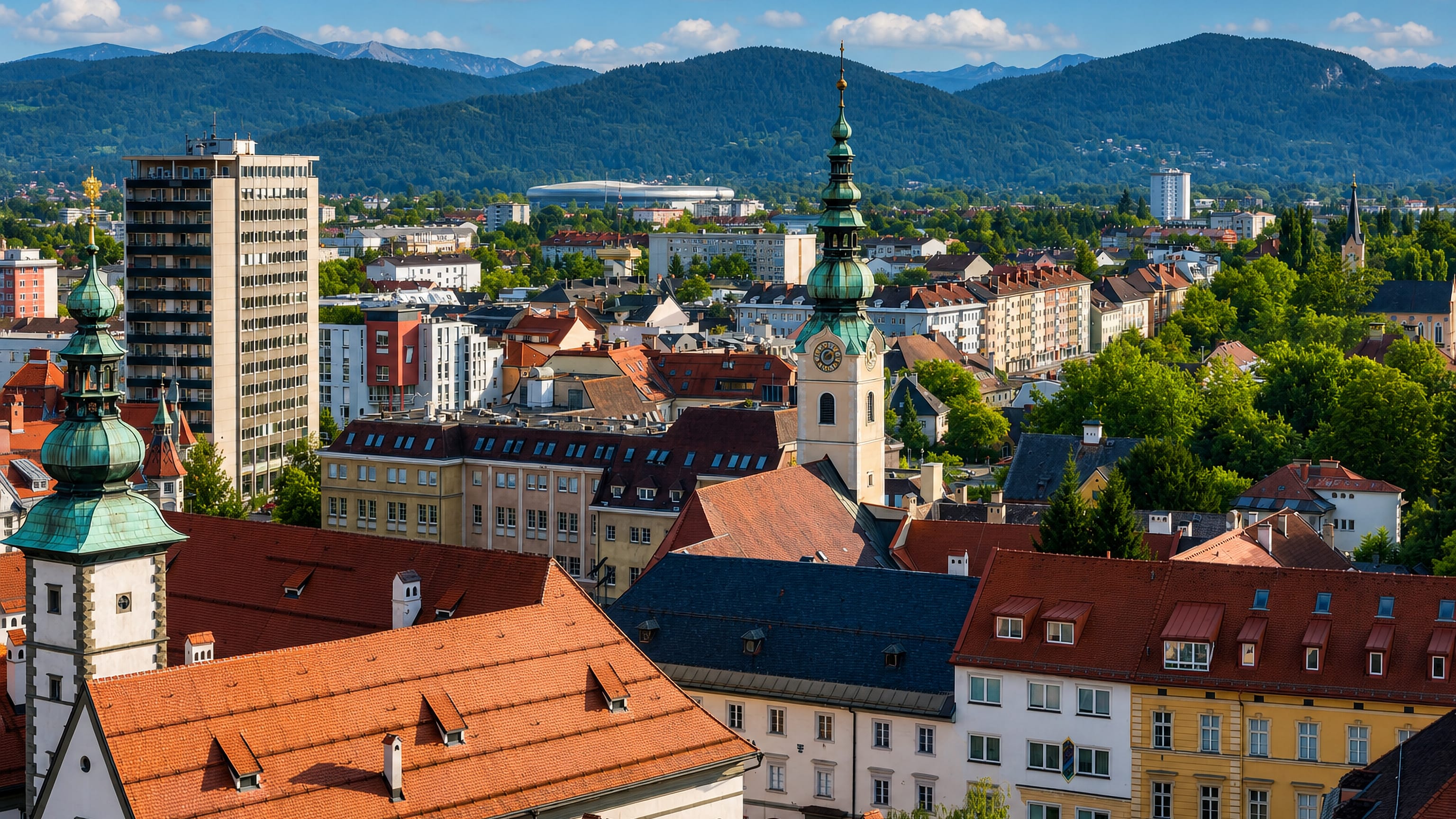
Kärnten calls itself the meeting of the Alps and the Adriatic, and the food, the light and the long summers all lean toward the Italian and Slovenian south. Klagenfurt anchors the cultural life, a Renaissance capital with an old town of arcaded courtyards. Villach carries the same southern ease in its riverside squares along the Drau.
The lakes rule the calendar too. Summer belongs to the Wörthersee and the beaches around it; the mountains take the winter. Song runs deep in the valleys, and the Kärntnerlied choral tradition is sung in both tongues.
What is the history of Kärnten?
Kärnten grew out of Carantania, an early Slavic principality in the eastern Alps. Emperor Otto II split it from Bavaria in 976 and made it a duchy of its own, the first new imperial duchy of the Holy Roman Empire. It passed to the Habsburgs in 1335 and stayed a crown land until the empire fell.
The hardest chapter came after 1918. When the Treaty of Saint-Germain redrew the southern border in 1919, a plebiscite in 1920 let the disputed Slovene-speaking south vote, and it chose Austria over the new Yugoslav kingdom.
What is the climate of Kärnten?
The mountains make the weather here. Ringed by the Hohe Tauern, the Carnic Alps and the Karawanks, the Klagenfurt basin sits sheltered from the north, which gives Kärnten more sunshine hours than any other Austrian state and summers warm enough to heat the Wörthersee to bathing temperature. Winters are long and snowy on the heights, and cold air pools in the basin under clear skies, so morning fog is common on the lakes while the peaks stay bright.
That inversion is the south's own trade-off: shade below, sun above.
How do you get to Kärnten?
Klagenfurt keeps the state's own airport. It is small, linked to Vienna and a handful of European cities, so many travellers instead fly into Ljubljana across the Slovenian border or into Salzburg to the north and drive down through the Alps. The rail line and the A2 motorway thread the Tauern range from the north, tunnelling south into the Klagenfurt basin.
From the west the Drau valley road runs in from East Tyrol. Italy and Slovenia lie just over the passes. A trip here can begin from three countries at once.
Common questions
What is the best area to stay in Kärnten?
Klagenfurt: the Wörthersee capital. Velden: the western Wörthersee shore. Villach: the Drau and the southern borders. Bad Kleinkirchheim: the Nockberge slopes.
Good for
More regions in Austria
Updated September 2026