Belgium · Flanders · Gent
Brugse Poort, Gent — Area Guide & Where to Stay
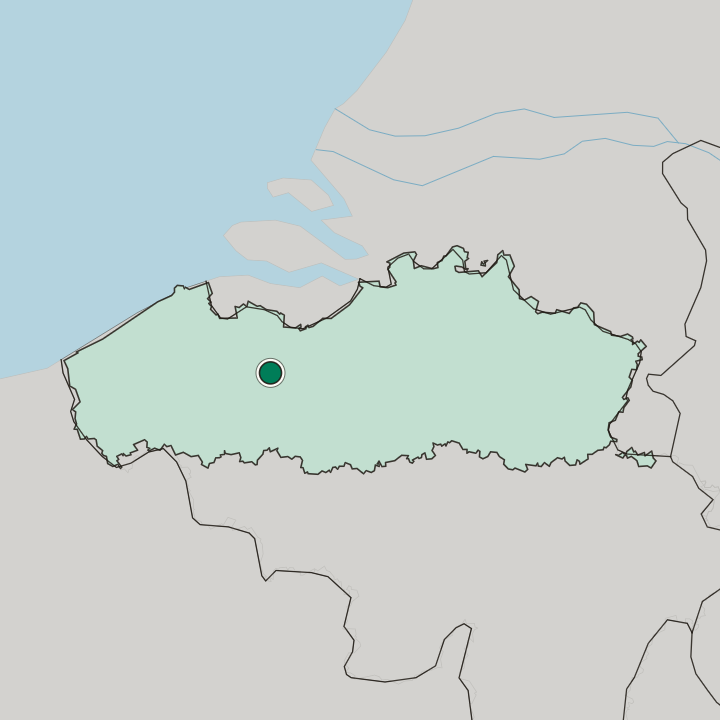
Brugse Poort takes its name from a city gate that stood until 1860, in the working-class belt northwest of medieval Gent.
Hotel links are affiliate links: booking through them may earn us a commission, at no extra cost to you. It never affects how places are ranked. How this works


Where to stay in Brugse Poort
Where the beds are, and what that means for the visit.
Brugse Poort keeps flats above shops rather than hotel counters, and the reception desks sit inside the ring in Gent's Binnenstad. Bevrijdingslaan and Brugsesteenweg bring the traffic in from the centre, so a room off Phoenixstraat or Noordstraat trades a longer walk to the belfry for a quieter night above a street of two-storey brick. The mustard came from Sparrestraat. Rooigem and Malem sit next door, and the city files all three under one name.
Things to do in and around Gent
Ranked by global recognition; descriptions from Wikidata (CC0).
Museums & Galleries
3- Huis van Alijn
- STAM Ghent City Museum
- Hotel Clemmen
Churches & Religious Sites
8- St Bavo's Cathedral Heritage
- Saint Nicholas' Church Heritage
- Saint Michael's Church, Ghent Heritage
- Sint-Jacobskerk Heritage
- St. Stefanus, Ghent Heritage
Show 3 more →
- Caermers monastry Heritage
- Kloosterkerk van de Ongeschoeide Karmelieten Heritage
- Saint Martin's Church Heritage
Stadiums & Sports
2- Flanders Sports Arena
- Vlaams Wielercentrum Eddy Merckx
Landmarks & Notable Places
3- Tolhuisje Heritage
- Toreken Heritage
- De Gekroonde Hoofden Heritage
worth knowingacross 4 categories in and around Gent
About Brugse Poort
What are the main landmarks in Brugse Poort?
Sint-Jan-Baptistkerk stands on the Emilius Seghersplein, the one square the district turns around. The gate that named the whole place is gone: the Brugse Poort belonged to Gent's second walls, went up in the fourteenth century, also answered to the name Waalpoort, and was taken out of use in 1860. What is left is the street plan it fed.
Factory names survive in the streets.
What is the history of Brugse Poort?
The factories came before the streets. Metalworking began on Kettingstraat in 1821 under Huyttens-Kerreman and later traded as NV Le Phoenix, linen came with the Société Linière La Lys, and furniture with Van den Berghe-Pauvers on Meibloemstraat. Between 1860 and 1890 the fields north of the gate filled with workers' rows, laid out fast and without a plan, which is why the streets still wander.
Louis Paul Boon wrote here in the 1950s.
Where is Brugse Poort?
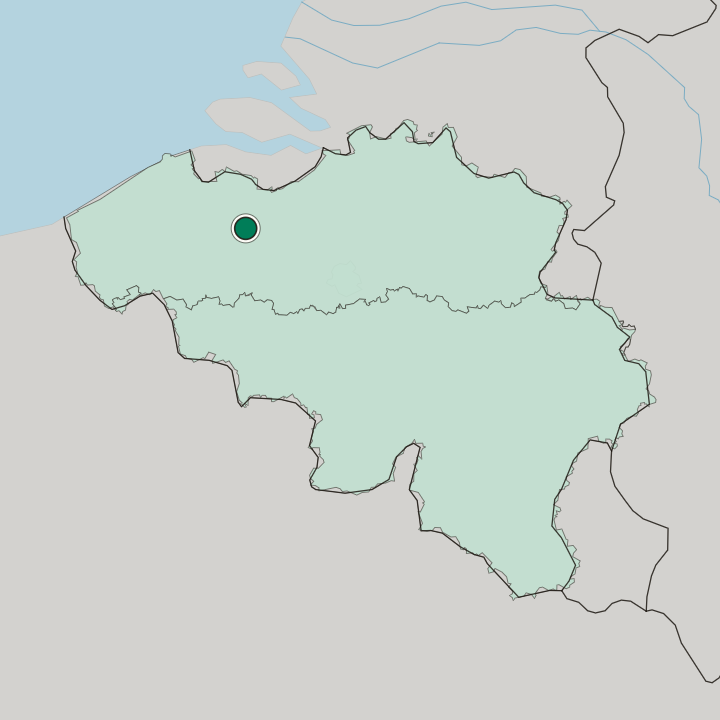
The district fills the belt northwest of medieval Gent, with Brugsesteenweg running out through it toward Bruges.
Good for
More areas in Gent
Updated October 2026