Belgium · Flanders · Gent
Portus aan de Reep, Gent — Area Guide & Where to Stay
Tournai limestone rises from the Nederschelde at the Geeraard de Duivelsteen in Portus aan de Reep, the oldest civil core of Gent, walled in 879.
Hotel links are affiliate links: booking through them may earn us a commission, at no extra cost to you. It never affects how places are ranked. How this works



Where to stay in Portus aan de Reep
The practical side of choosing where to sleep.
Portus aan de Reep is a quarter of offices, palaces and residences rather than a hotel strip. The Bisschoppelijk Paleis, the Provinciehuis and the Geeraard de Duivelsteen take up much of the ground between the Nederpolder and the Gouvernementstraat, so beds are thin on these few streets. Hotel streets begin a few hundred metres west, toward the Korenmarkt.
The Reep marks the east side. Gent-Dampoort lies about a kilometre east of the quarter, and Gent-Sint-Pieters, the main station, about two kilometres south-west. Take this corner if you want St Bavo's Cathedral at the end of the street.
About Portus aan de Reep
What are the main landmarks in Portus aan de Reep?
Portus aan de Reep holds St Bavo's Cathedral, the Geeraard de Duivelsteen, the Bisschoppelijk Paleis, and the Provinciehuis. Bishop Transmar consecrated the cathedral as the Sint-Janskerk in 942, and the Van Eyck brothers' Lam Gods hangs inside it. The steen dates from 1225.
Over the centuries that house served as an armoury, a school, a seminary, and an asylum, and Arthur Verhaegen restored it for the Rijksarchief from the 1890s. Geo Verbanck cut the bas-reliefs on the Henegouwenstraat side of the Provinciehuis. The Bisschoppelijk Paleis has held the diocese east of the cathedral, on the Bisdomplein, since 1845.
What is the history of Portus aan de Reep?
Portus aan de Reep began as a fortified trading settlement on the Scheldt in the 9th century. Vikings drove the Benedictines from the Sint-Baafsabdij and the Sint-Pietersabdij on the Blandijnberg in 879, and the lay population, already on higher ground between the two, dug a horseshoe moat and raised a rampart. A harbour worked inside that wall.
The Treaty of Verdun had made the Scheldt a frontier in 843, so this trade sat on a political edge. Bishops of Gent lived on the Nederpolder from 1559, took the Hof van Sint-Baafs in 1633, and lost it to the French in 1794. That building is gone, and the Provinciehuis stands on its ground.
Where is Portus aan de Reep?
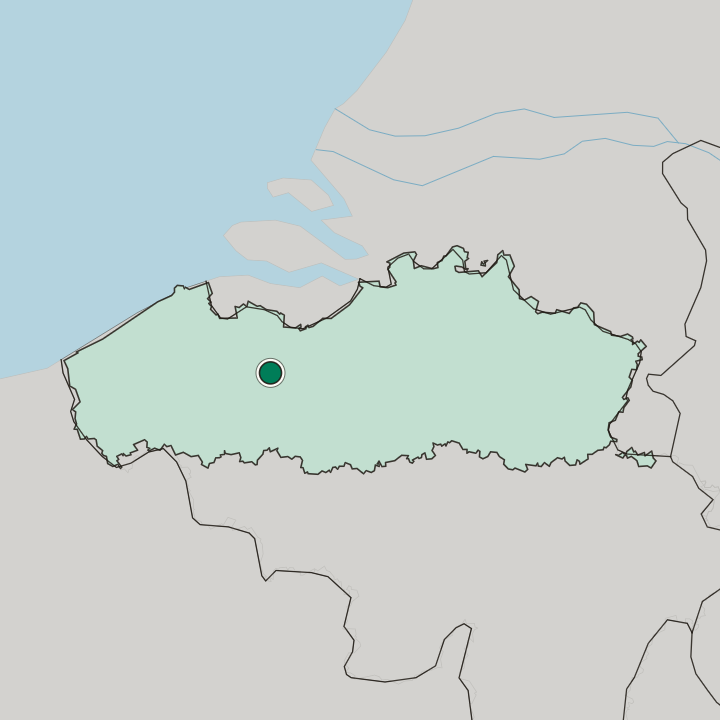
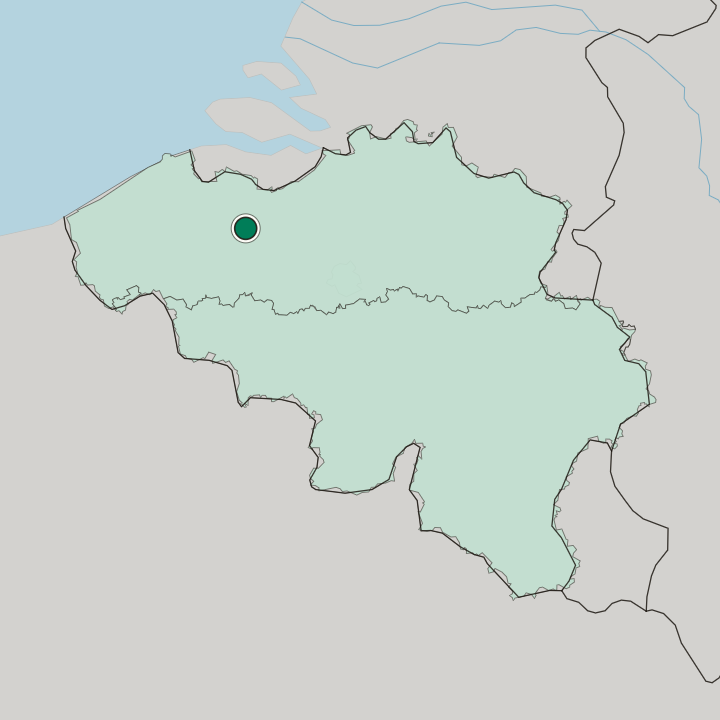
Portus aan de Reep sits against the Reep on the east side of central Gent, running from the Nederpolder south to the Gouvernementstraat.
More areas in Gent
Updated October 2026