Brazil · São Paulo
Where to Stay in Americana, São Paulo
Americana grew from an 1875 railway station and a cotton weaving mill, a municipality of São Paulo state in the Metropolitan Region of Campinas.
Hotel links are affiliate links: booking through them may earn us a commission, at no extra cost to you. It never affects how places are ranked. How this works


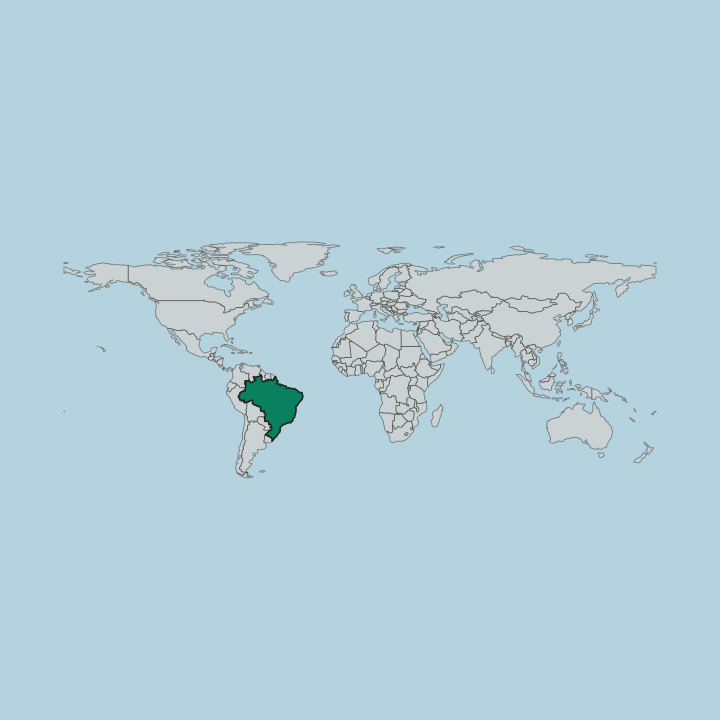
Where to stay in Americana
How the choice of base plays out on the ground.
The early town occupies a small patch. Americana grew outward from a railway station and a weaving mill, so the Igreja Matriz Velha de Santo Antonio, Marco Zero and Saint Anthony Church belong to the oldest ground rather than to the newer edges. Monuments mark the founders.
Monumento Comendador Muller and Monumento Imigração Norte Americana both name what the city credits for its beginning, and a room near them puts that reading of the place at the door. Civic business sits together. The Centro Civico de Americana concentrates the municipal side, and the Museu de Arte Contemporânea de Americana is the one collection worth planning a stay around if art is the reason for coming. Campinas is the larger pull.
Americana belongs to the Metropolitan Region of Campinas, which means a bed here can serve work across a set of municipalities rather than this one alone, and that is how a fair share of its rooms are used. The municipality is broad. Roughly 134 square kilometres of São Paulo state carry the name, and the further a room sits from the Igreja Matriz Velha de Santo Antonio the more of the day turns into a drive.
Lodging drops off fast. Outside the old railway core there is little reason to look, unless a specific address in the Metropolitan Region of Campinas is what you are there for.
Find hotels in Americana
Direct booking searches for these neighbourhoods.
The Igreja Matriz Velha de Santo Antonio quarter
The Igreja Matriz Velha de Santo Antonio and Marco Zero mark where Americana began, and Saint Anthony Church carries the same dedication a short way on.Find hotels in The Igreja Matriz Velha de Santo Antonio quartermunicipal errands and the contemporary art collectionAround the Centro Civico de Americana
The Centro Civico de Americana groups the municipal business of the city, and the Museu de Arte Contemporânea de Americana gives that same central ground its cultural anchor.Find hotels in Around the Centro Civico de Americanadrivers working across the Metropolitan Region of CampinasThe outer municipality
Americana spreads over roughly 134 square kilometres of São Paulo state, where the rooms outside the old railway core are few and a car stops being optional. Rooms are few around here — worth securing early.Find hotels in The outer municipalityHotel links are affiliate links: booking through them may earn us a commission, at no extra cost to you. It never affects how places are ranked. How this works
Things to do in Americana
Ranked by global recognition; descriptions from Wikidata (CC0).
Churches & Religious Sites
2- Saint Anthony Church Heritage
- Igreja Matriz Velha de Santo Antonio Heritage
Castles & Historic Sites
3- Marco Zero (Americana) Heritage
- Monumento Comendador Muller Heritage
- Monumento Imigração Norte Americana Heritage
Stadiums & Sports
1- Centro Civico de Americana
worth knowingacross 3 categories in Americana
About Americana
Cotton put it on the map.
What is Americana known for?
The settlement formed around a railway station founded in 1875 and a cotton weaving factory on a farm nearby, which is about as plain an origin as a city can have. Art came much later. The Museu de Arte Contemporânea de Americana holds the city's collection, and Marco Zero fixes the point everything else in the municipality is measured from.
What are the main landmarks in Americana?
Two churches carry the name. Saint Anthony Church and the Igreja Matriz Velha de Santo Antonio share a dedication, and the second names itself the old one, which settles the order between them. Monuments fill the rest.
Marco Zero, Monumento Comendador Muller and Monumento Imigração Norte Americana are the markers Americana has raised for itself, while the Museu de Arte Contemporânea de Americana and the Centro Civico de Americana complete a short list.
What is the history of Americana?
A station came first. The original settlement developed around the local railway station founded in 1875, and a cotton weaving factory on a nearby farm gave it the second half of a reason to exist. Cotton was the trade.
The weaving factory sat on a farm rather than in a town, which is why the station and the mill between them decided where Americana would stand. The name points outward. Monumento Imigração Norte Americana carries North American immigration in its own title, which is the strand of the past the city has chosen to mark in public.
Santo Antonio held the parish. The Igreja Matriz Velha de Santo Antonio names itself the old mother church, and Saint Anthony Church carries the same dedication forward, so one saint accounts for both of the church landmarks here. Comendador Muller has his own monument.
Monumento Comendador Muller stands among the markers Americana keeps, alongside Marco Zero, which fixes the point the municipality measures itself from. The region came later. Americana was folded into the Metropolitan Region of Campinas, and the Centro Civico de Americana and the Museu de Arte Contemporânea de Americana are the civic and cultural additions of a town that had outgrown its station.
Where is Americana?
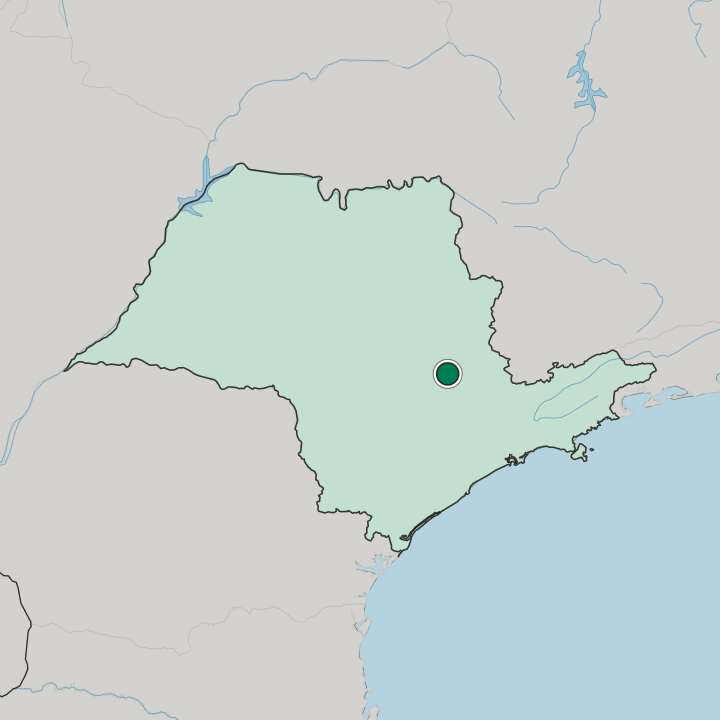
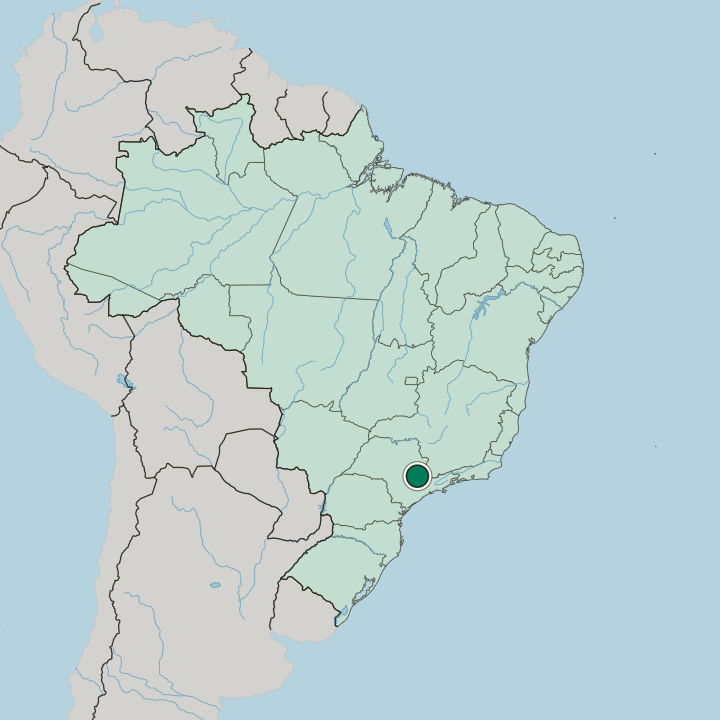
The city does not sprawl. Americana covers about 134 square kilometres in the state of São Paulo, ground that belongs to the Metropolitan Region of Campinas rather than standing on its own. A farm and a station set the shape.
The city grew from those two points rather than from a port or a river crossing, which is why Marco Zero rather than any natural feature marks its centre.
What is the climate of Americana?
Climate here comes down to the tropical band. Americana belongs to it as a municipality of São Paulo state, which means the year is read off the rain rather than off any hard swing of temperature. One half of the year is wetter.
The drier stretch is when the old core around the Igreja Matriz Velha de Santo Antonio is easiest on foot, while the wetter one delivers most of what falls across the Metropolitan Region of Campinas.
How do you get to Americana?
A railway station started it. The settlement grew around the local station founded in 1875, and the line through Americana is the oldest of the approaches, even if road traffic from the rest of the Metropolitan Region of Campinas carries more of the load. Campinas anchors the region.
Americana is one municipality of that grouping in São Paulo state, so arrivals rarely come to it alone, and the Centro Civico de Americana is where the municipal business of the place is transacted once they do.
Common questions
What is the best area to stay in Americana?
The Igreja Matriz Velha de Santo Antonio quarter: the oldest ground and Marco Zero on foot. Around the Centro Civico de Americana: municipal errands and the contemporary art collection. The outer municipality: drivers working across the Metropolitan Region of Campinas.
Good for
More cities in São Paulo
Updated October 2026