Brazil
São Paulo, Brazil — Towns & Travel Guide
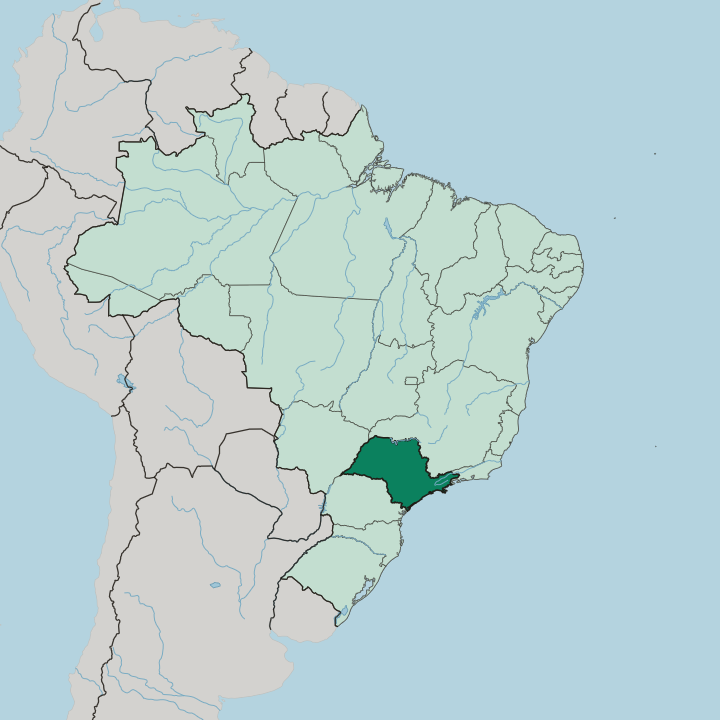
São Paulo is a state in southeastern Brazil, named for its capital, the largest city in the country and its business heart.
Hotel links are affiliate links: booking through them may earn us a commission, at no extra cost to you. It never affects how places are ranked. How this works


Towns & cities in São Paulo
Pick a town or city — each links to where to stay.

 Brazil
São Paulo
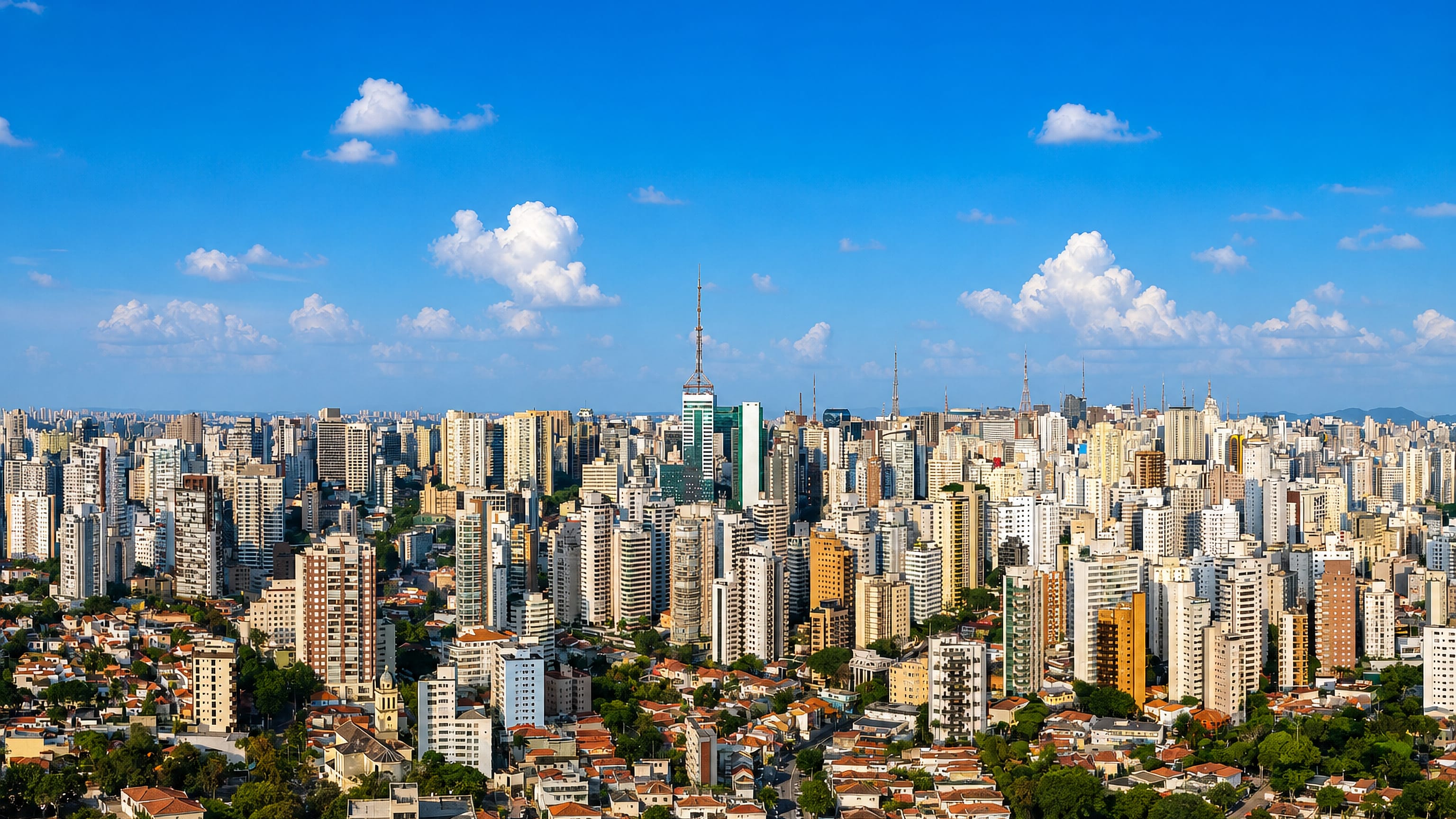
From Pátio do Colégio, São Paulo spreads out as Brazil's largest city and the capital of the state of São Paulo, founded in 1554.Where to stay →
 Brazil
Guarulhos
Guarulhos is the airport city of the Metropolitan Region of São Paulo, a Brazilian municipality founded in 1560 beside the Tietê.Where to stay →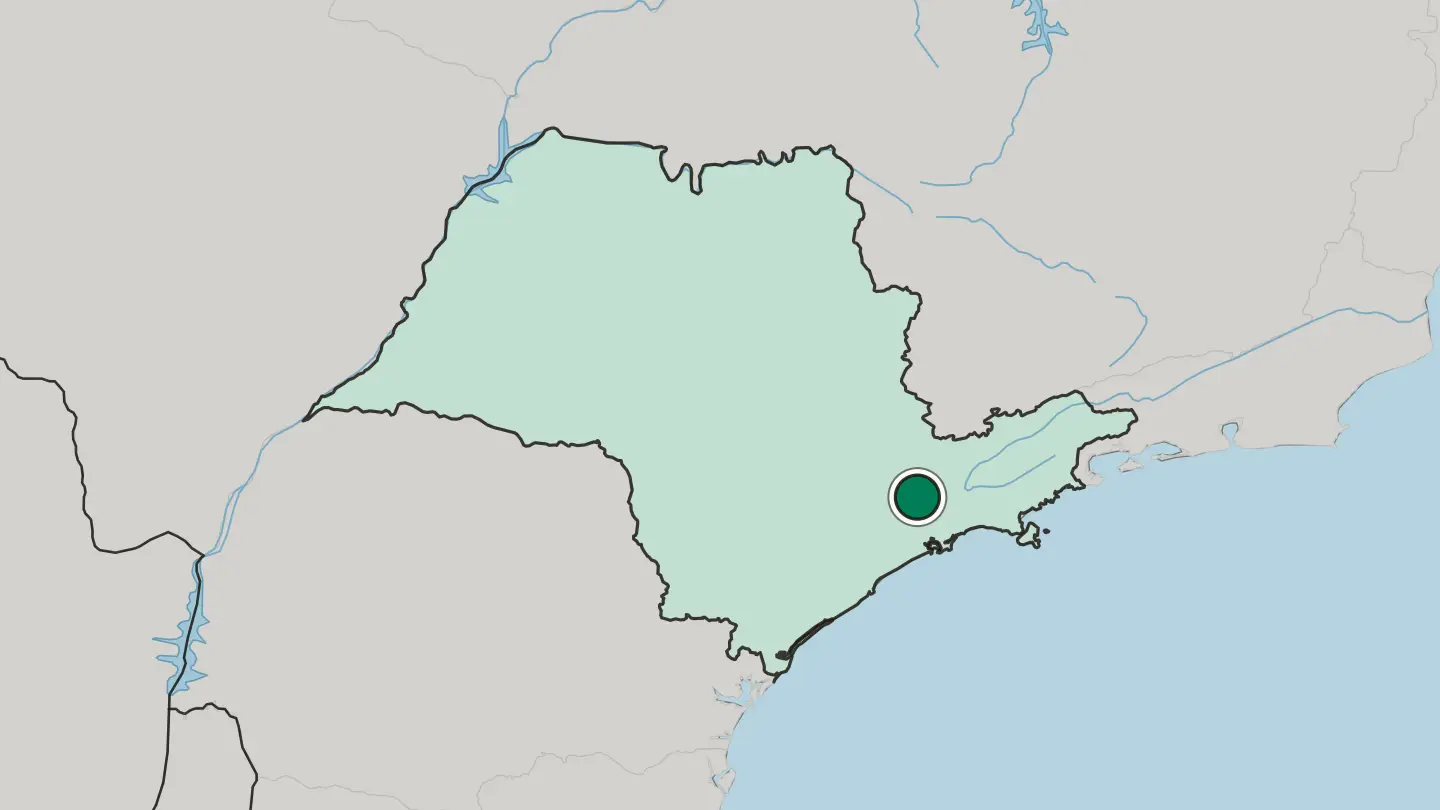
 Brazil
Campinas
Campinas dates to 1774. The city stands northwest of São Paulo and heads Grande Campinas, the state's second metropolitan area.Where to stay →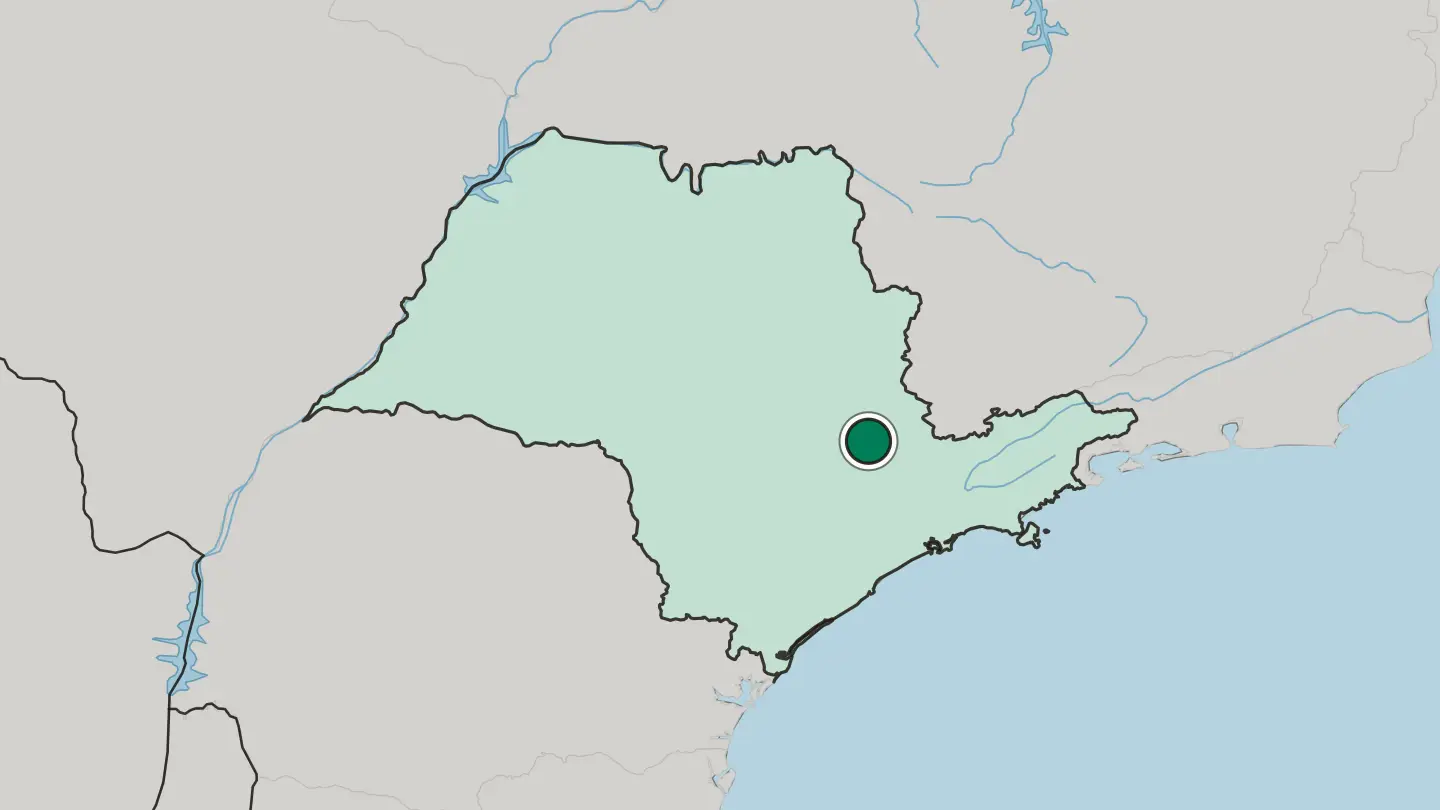
 Brazil
São Bernardo do Campo
São Bernardo do Campo grew from a 1553 foundation into a wide São Paulo state city of galleries and monuments. Parks take up much of it.Where to stay →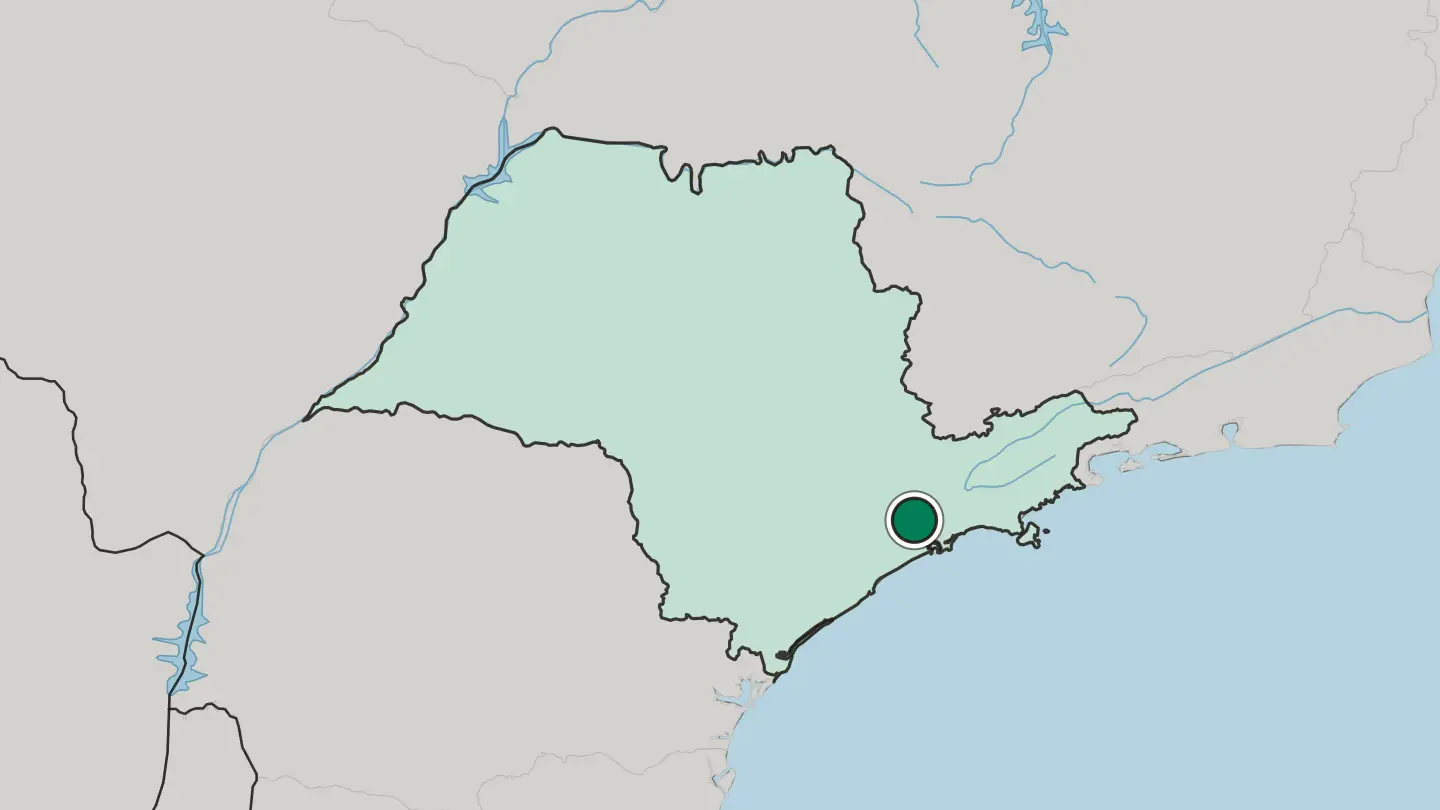
 Brazil
São José dos Campos
São José dos Campos was founded in 1767 and later became the birthplace of Brazil's aerospace industry. Churches mark the older half.Where to stay →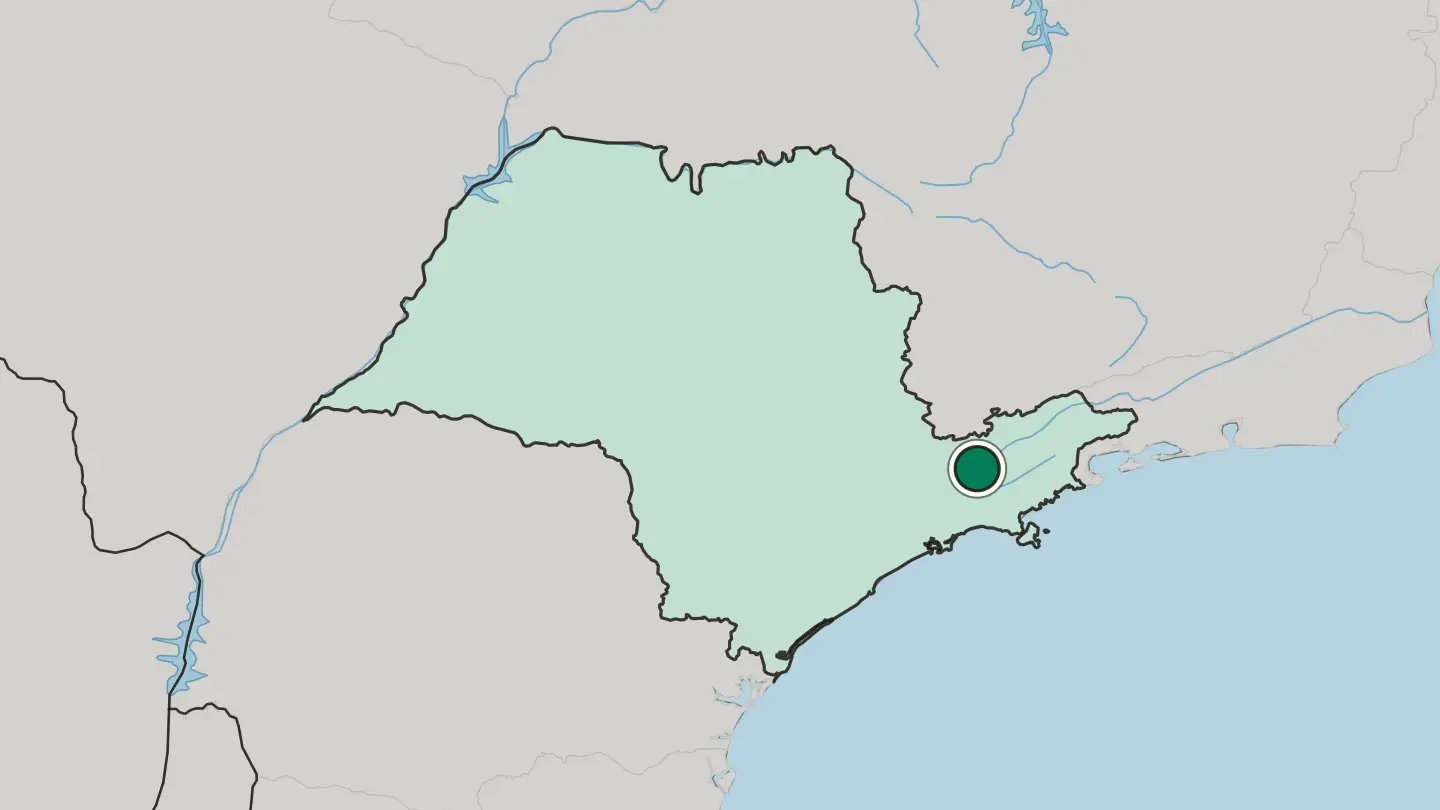
 Brazil
Osasco
Osasco was a district of São Paulo until 1962 and took the motto Urbs labor: a dense industrial municipality inside Greater São Paulo.Where to stay →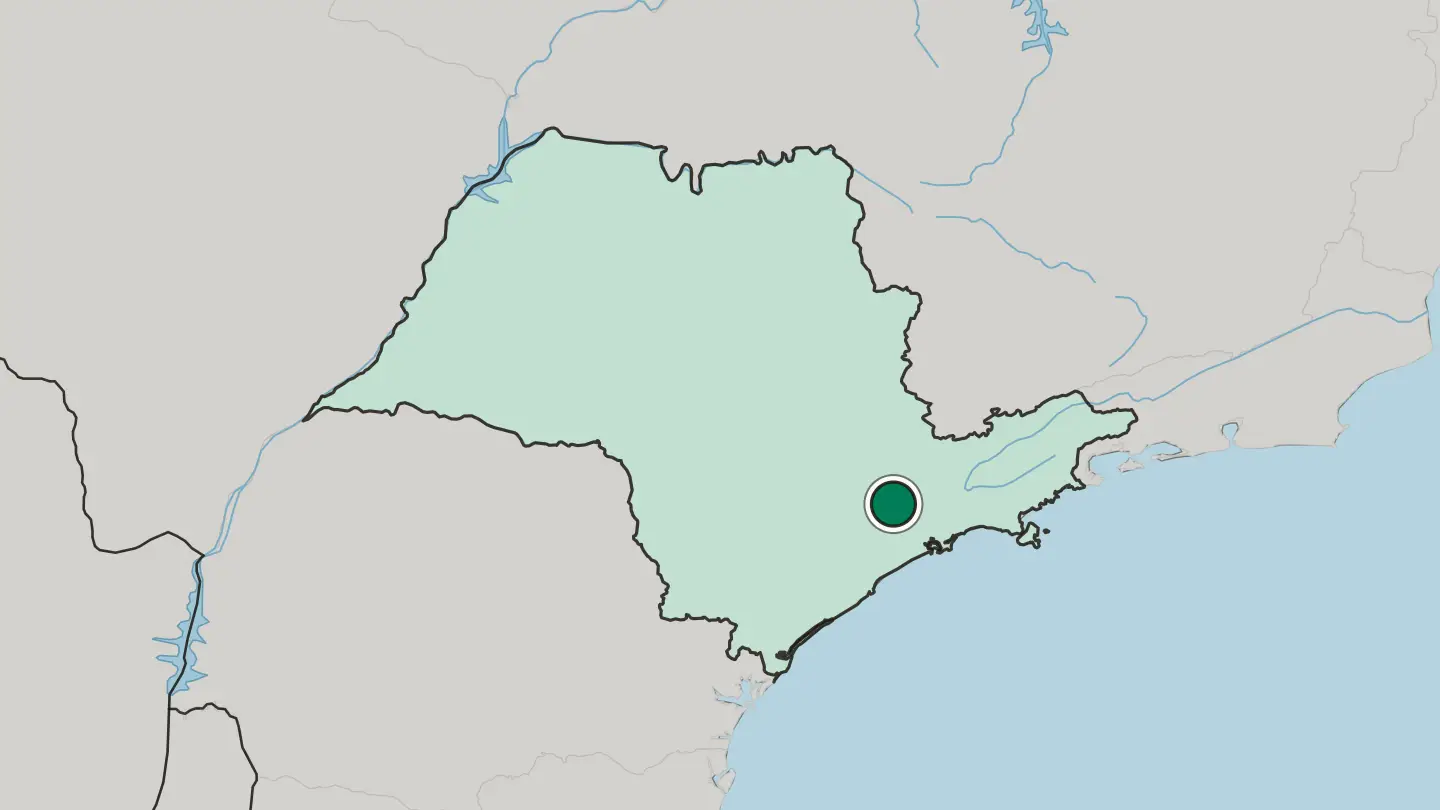
 Brazil
Ribeirão Preto
Ribeirão Preto is a city of São Paulo state in Brazil, founded in 1856, whose five museums and Saint Sebastian Cathedral set its public face.Where to stay →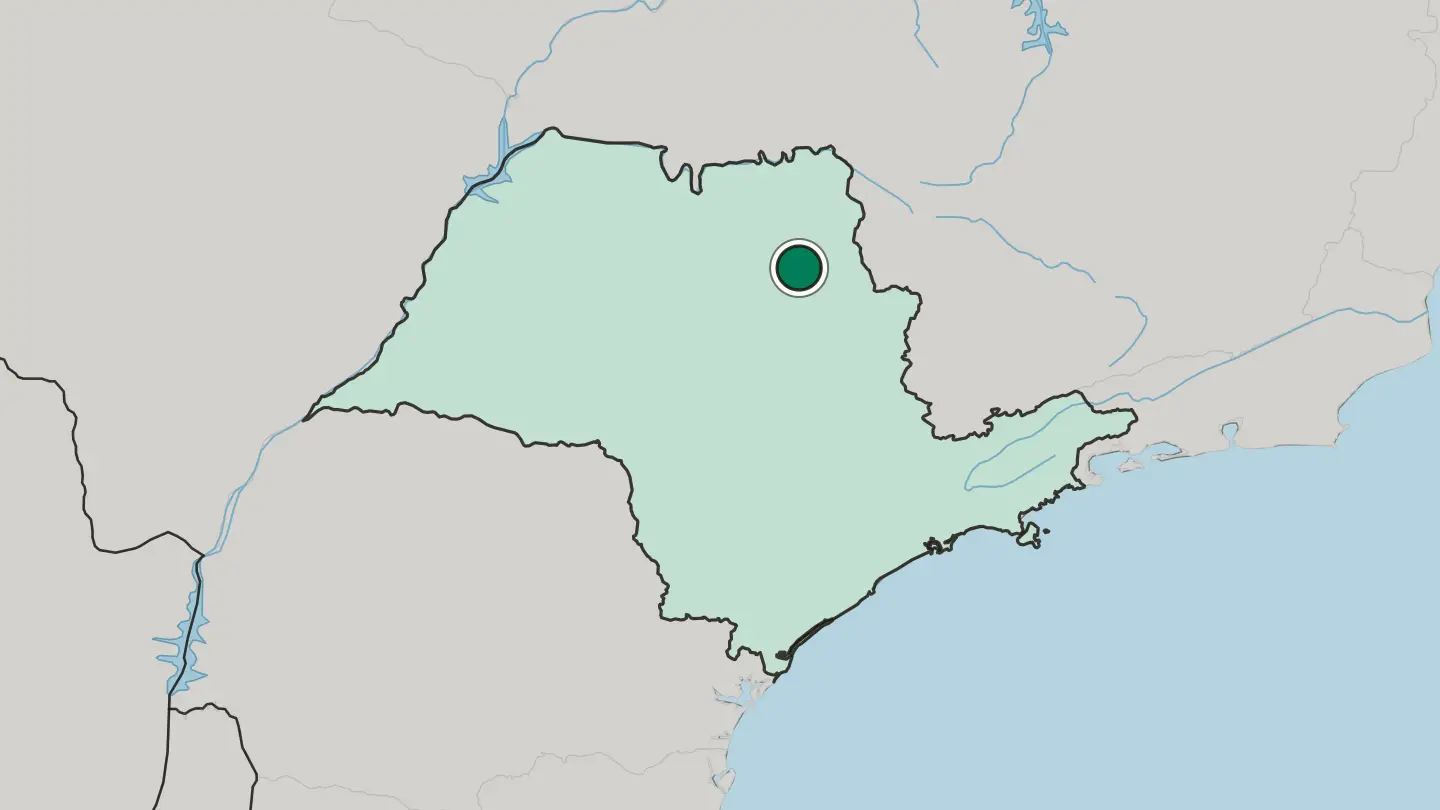
 Brazil
Sorocaba
Sorocaba is an interior city of São Paulo state, an old railway town where Mosteiro São Bento faces a well-kept downtown. Cyclists own the streets.Where to stay →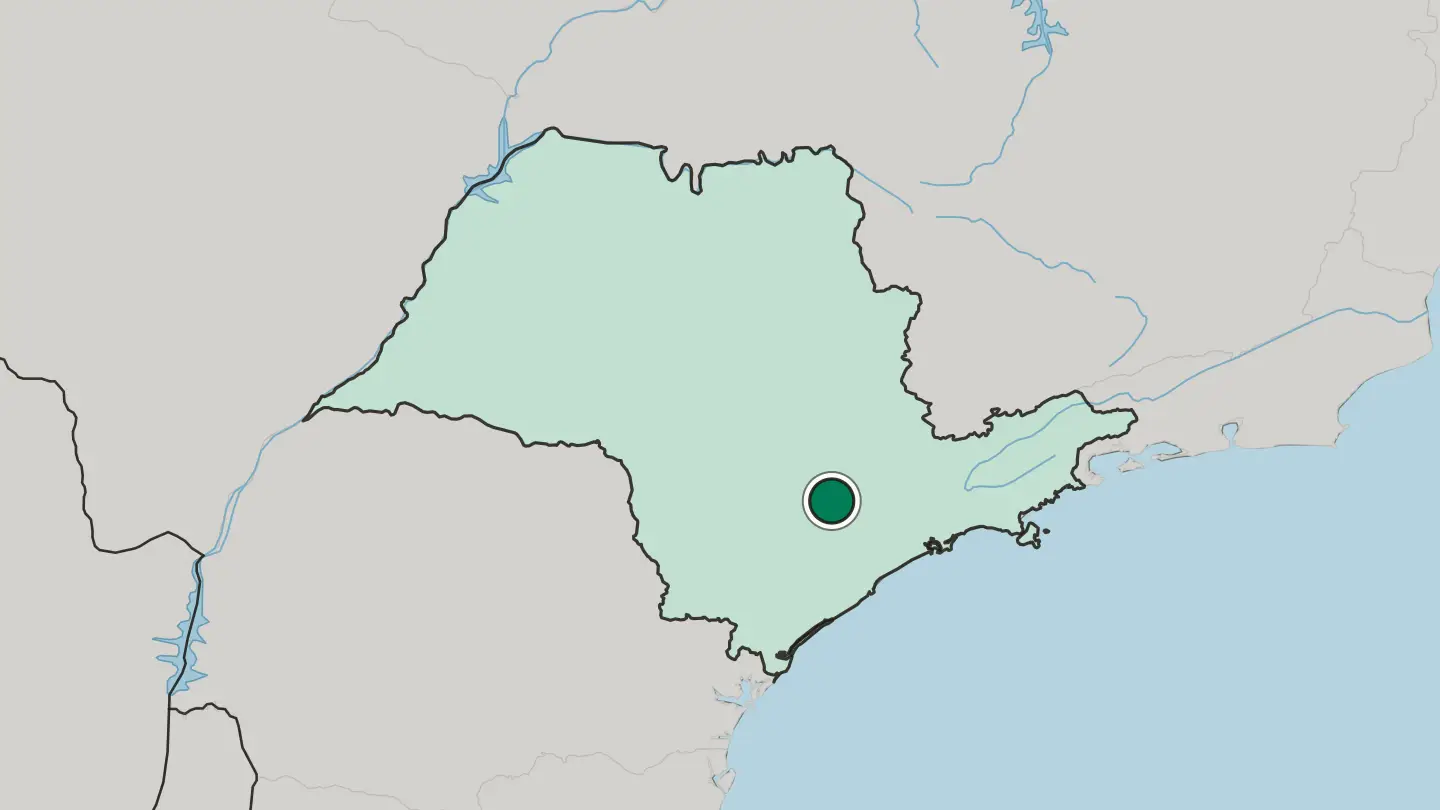
All towns & cities (50)
 Brazil
Santo André
Santo André dates from 1553 and belongs to the ABC Region inside metropolitan São Paulo, keeping a car museum and a science park of its own.Where to stay →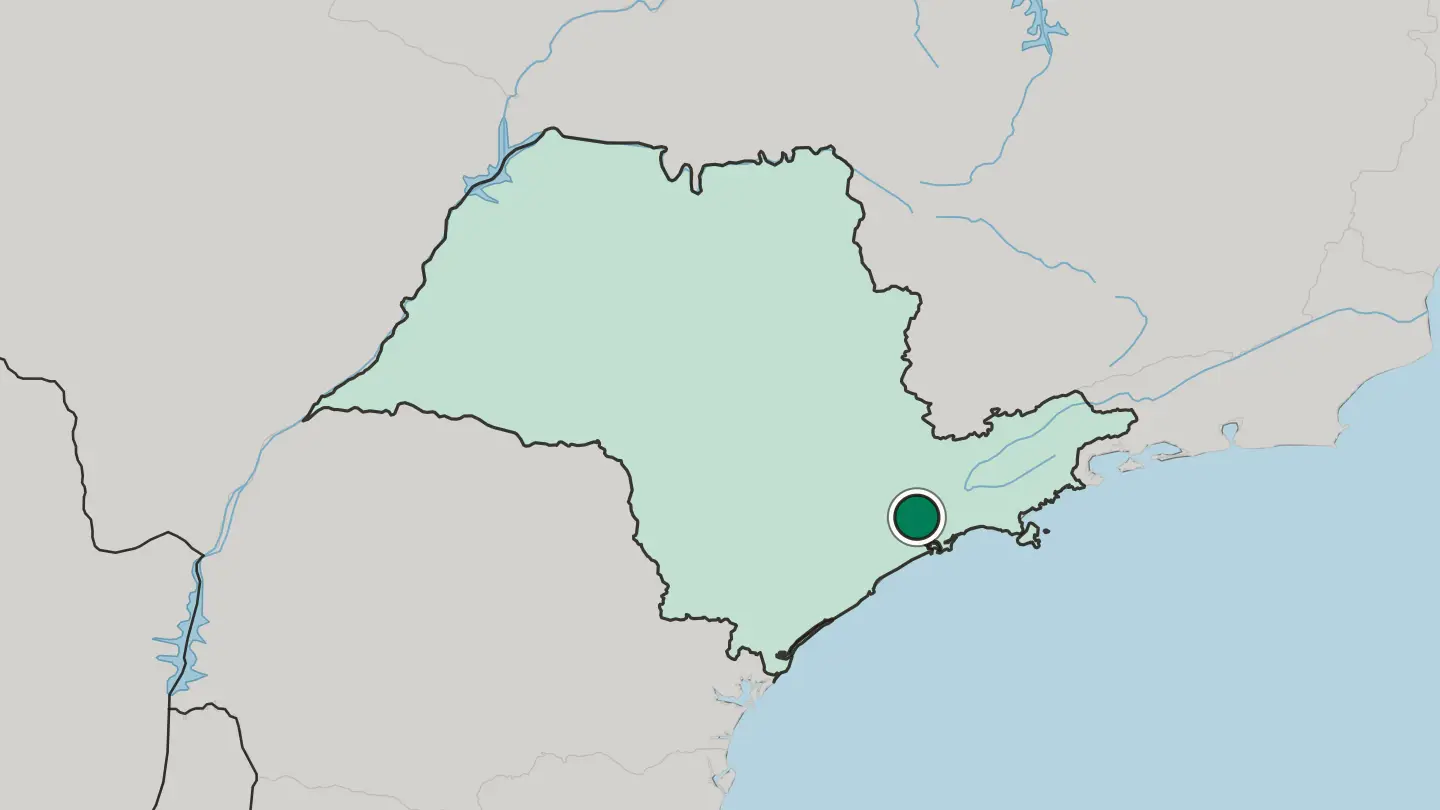
 Brazil
São José do Rio Preto
São José do Rio Preto keeps two museums of untrained painting, a railway collection and an 1852 foundation in São Paulo state. Art is the claim.Where to stay →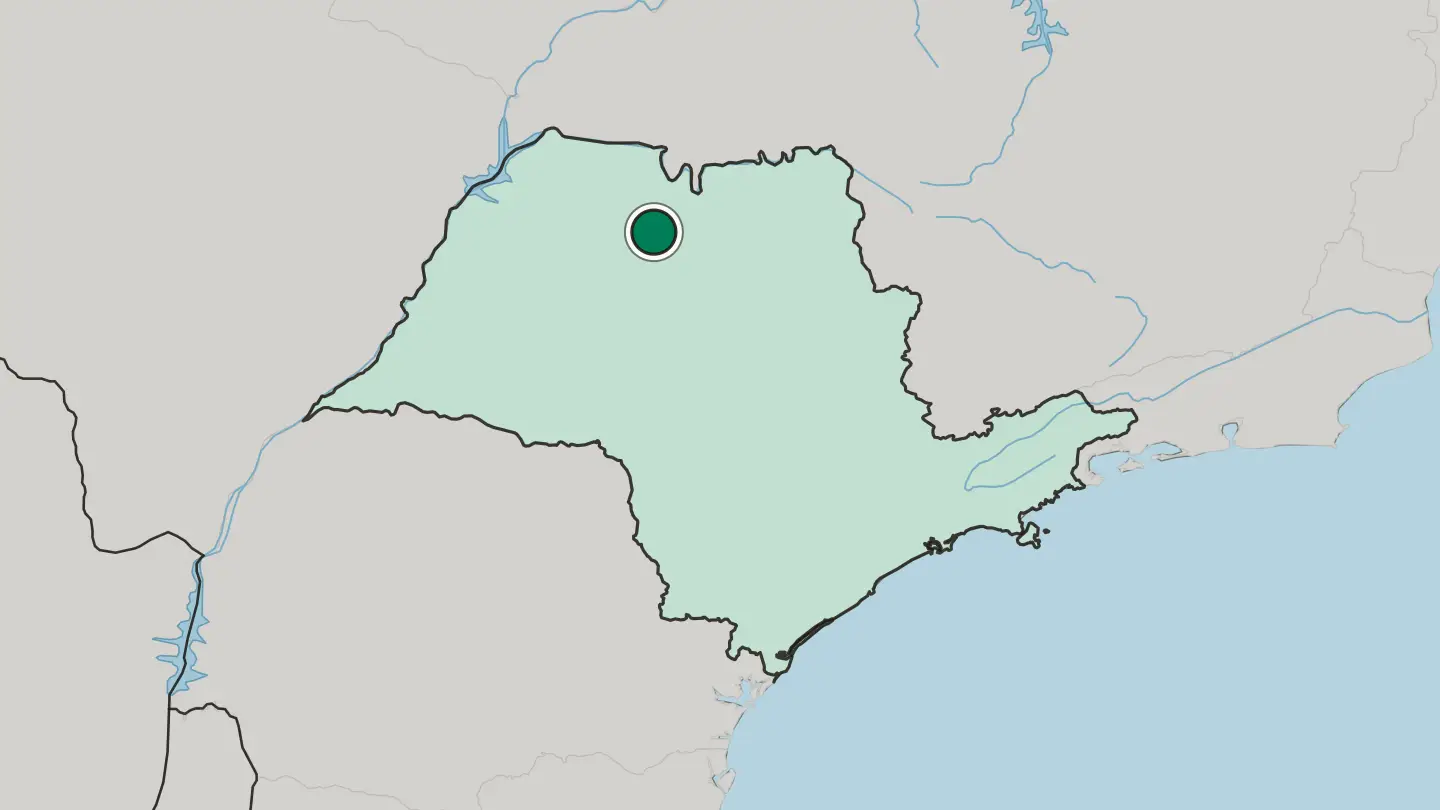
 Brazil
Mauá
Its name is Tupi for high. Mauá is an industrial municipality of the metropolitan region of São Paulo, on the Santos-Jundiaí railway.Where to stay →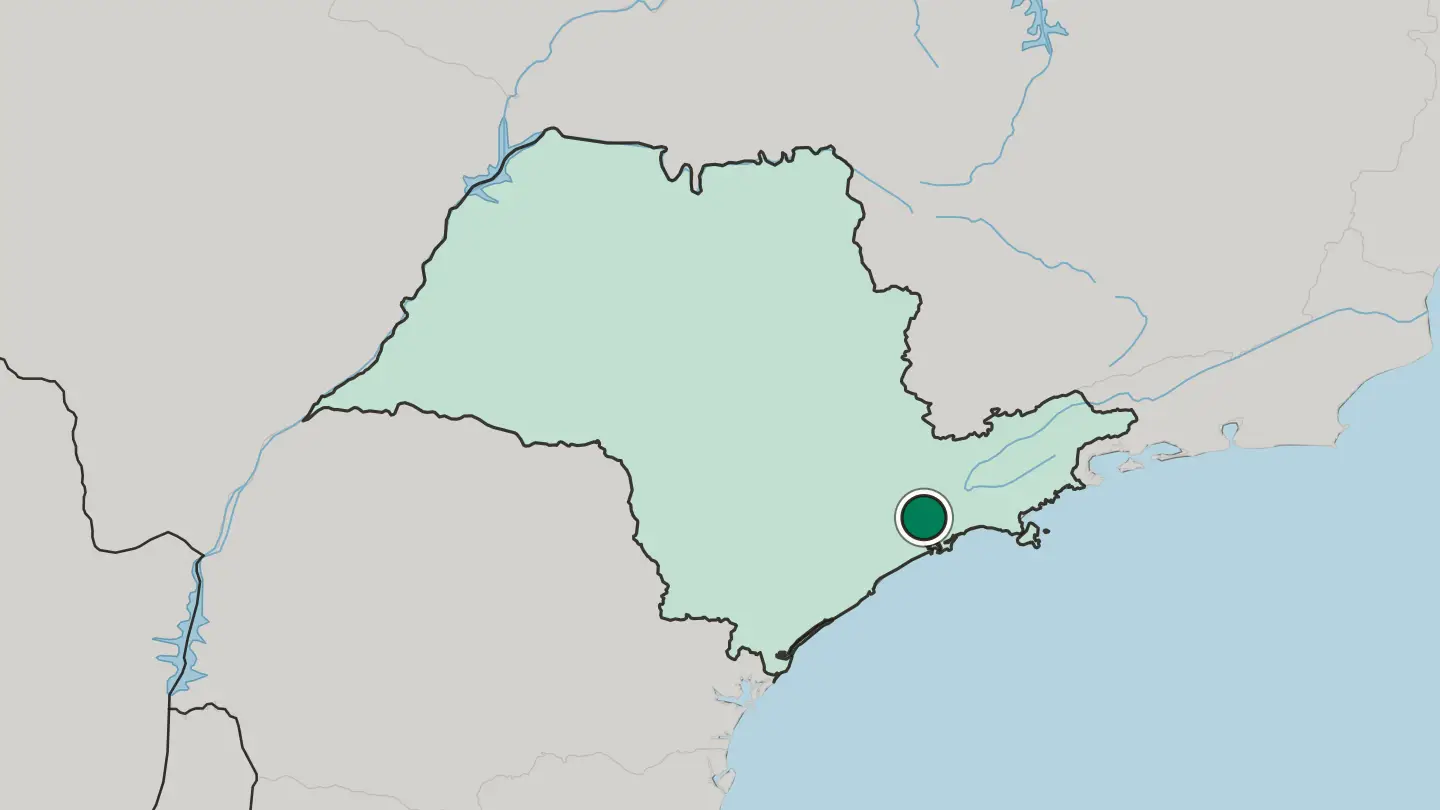
 Brazil
Jundiaí
Grapes, figs and a forested range. Jundiaí is a city of the Campinas Region of São Paulo, under the Serra de Japi north of São Paulo.Where to stay →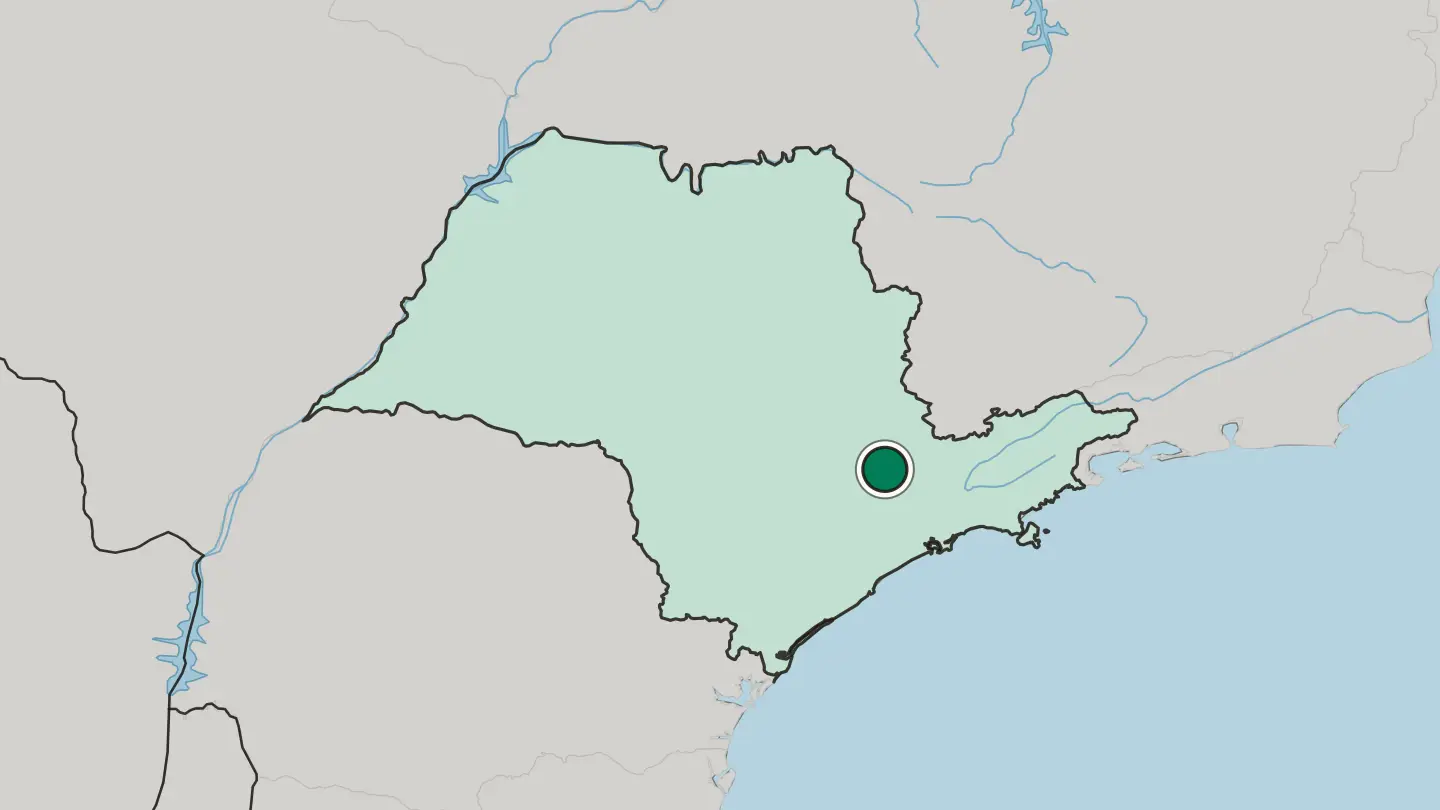
 Brazil
Santos
Santos, founded in 1546 on the island of São Vicente, holds the most important port in South America, a record beachfront garden and the Pelé Museum.Where to stay →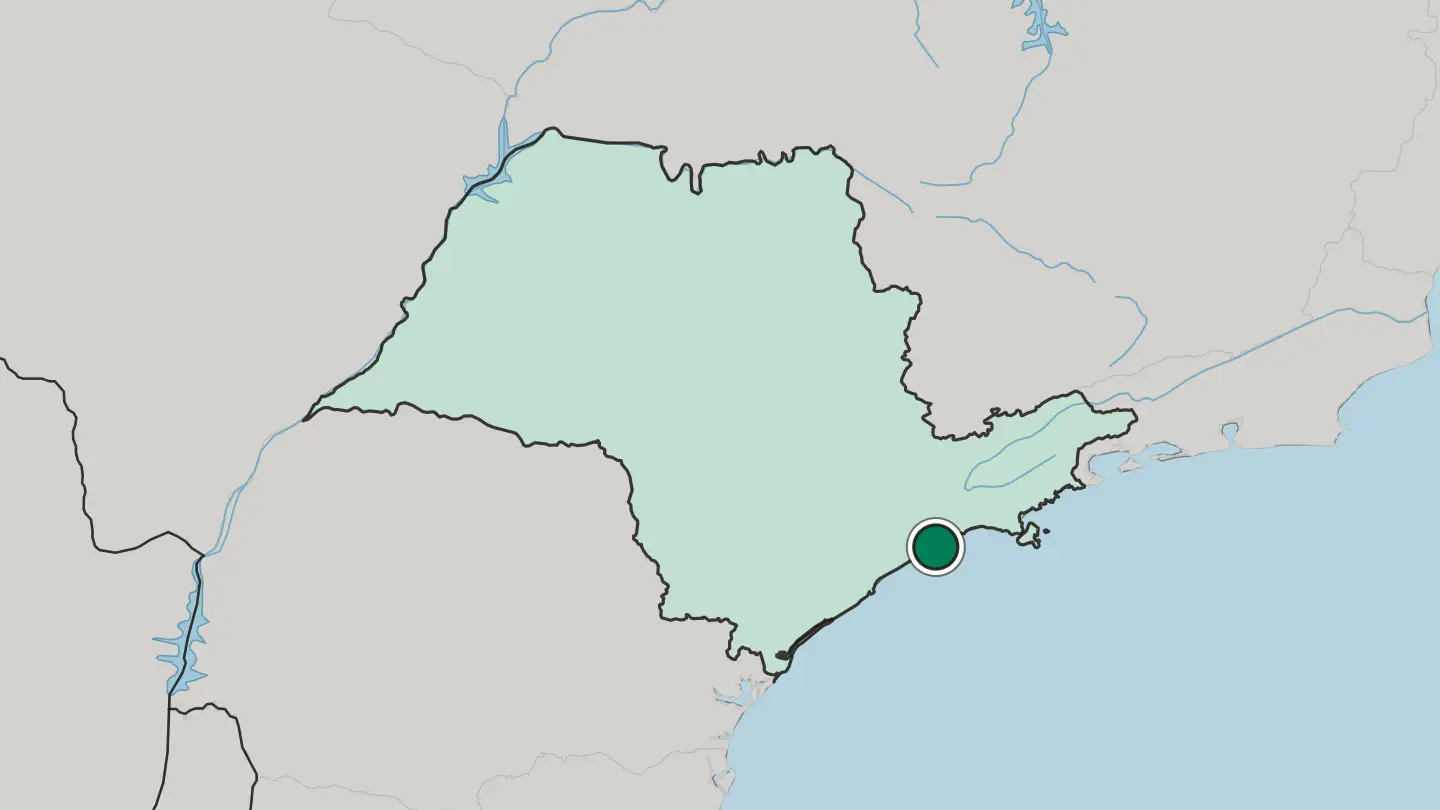
 Brazil
Piracicaba
Piracicaba, founded in 1767 in São Paulo state, is named as the birthplace of the caipirinha and holds the Museu da Água among its riverside heritage.Where to stay →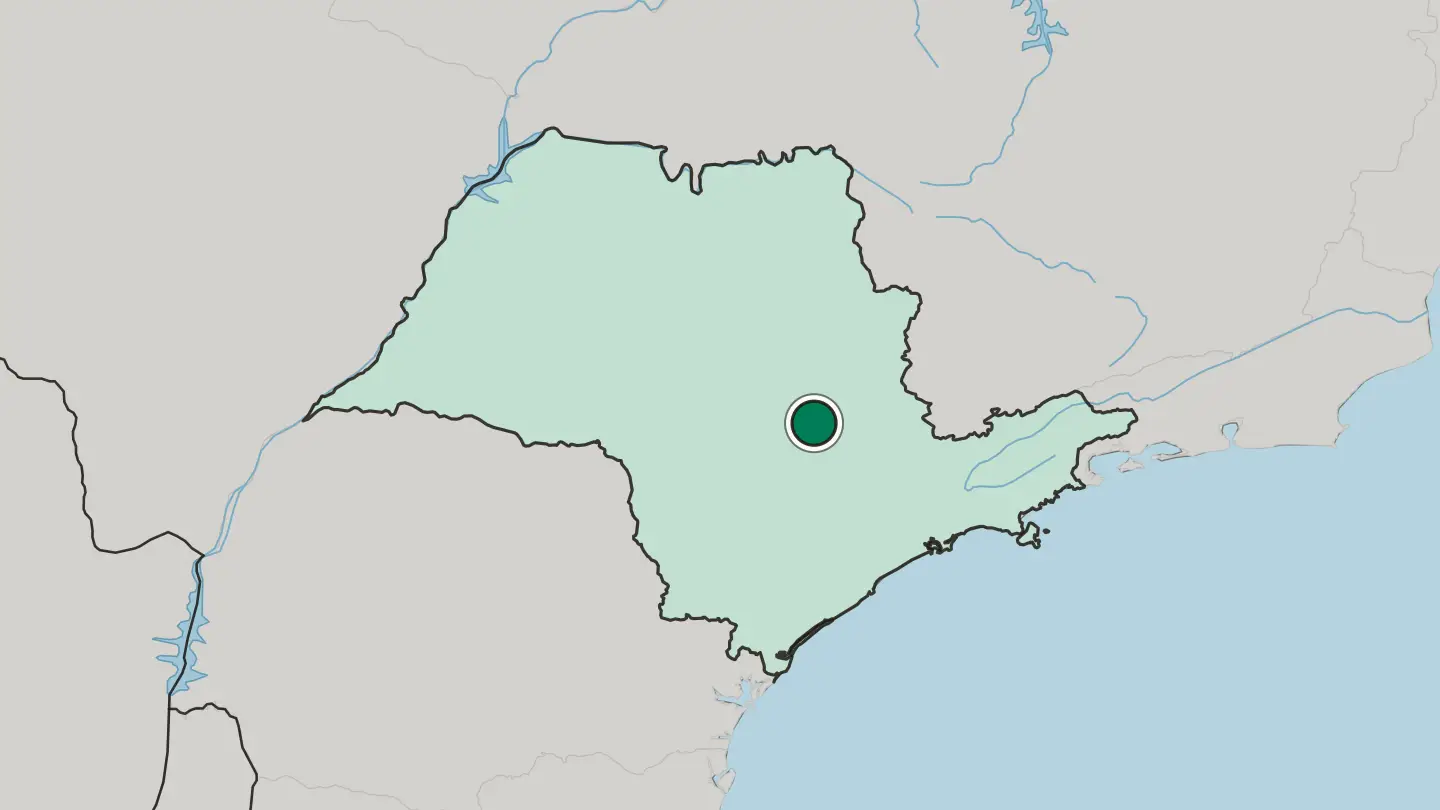
 Brazil
Diadema
Diadema is a city in the ABCD Region of Greater São Paulo, 17 km out from the centre of São Paulo, split off from São Bernardo do Campo in 1959.Where to stay →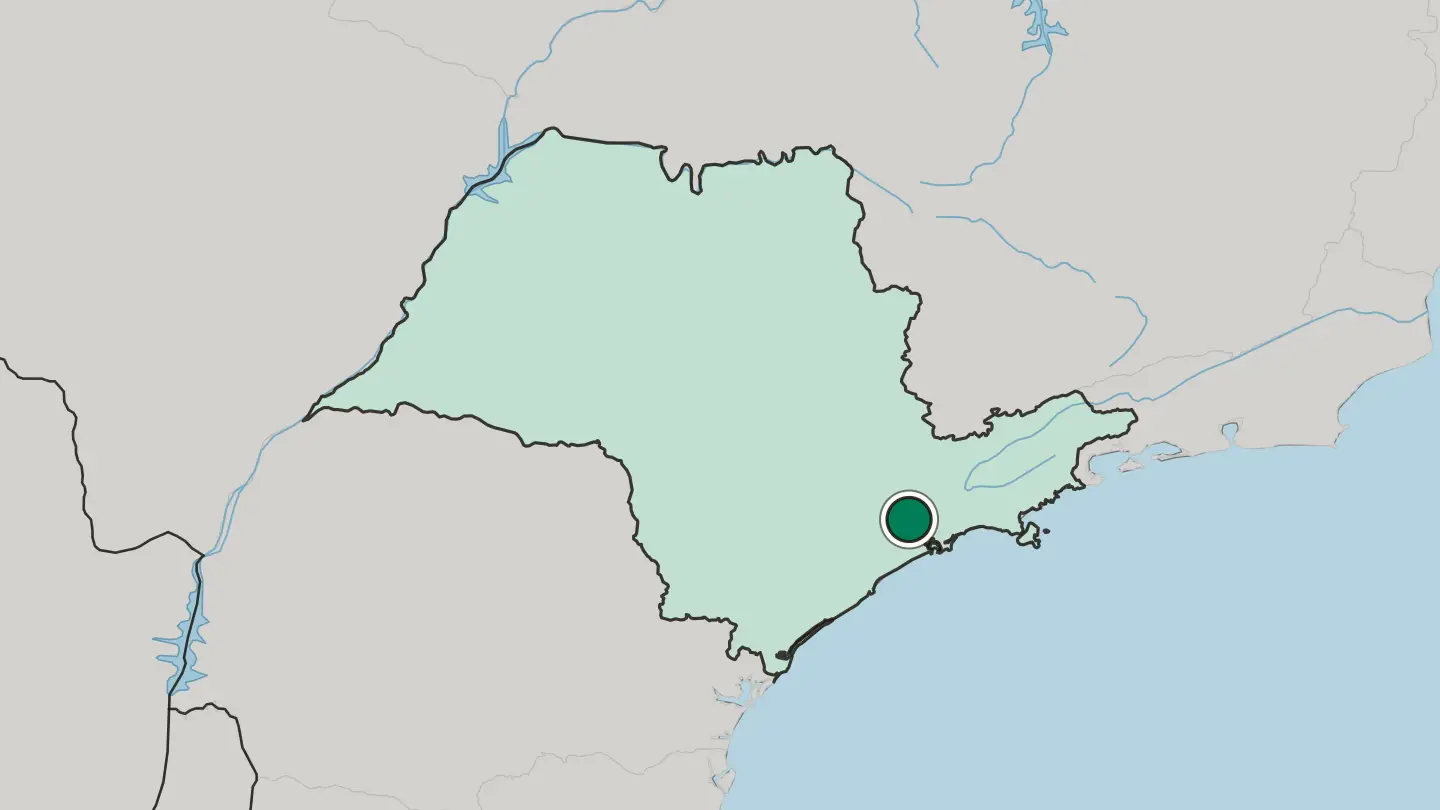
 Brazil
Bauru
Bauru anchors the Central-West region of São Paulo, a university city in the interior of the state with a strong railway inheritance.Where to stay →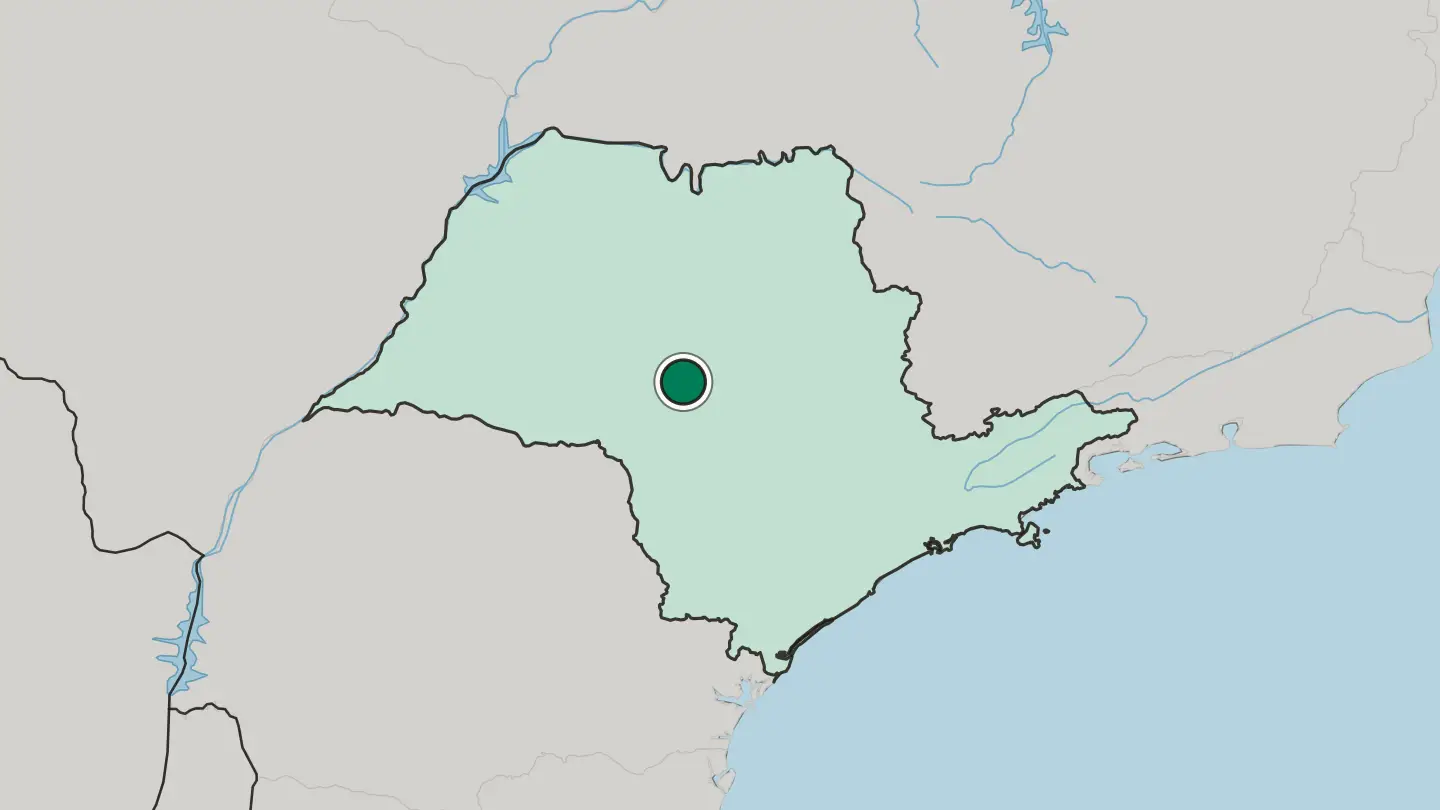 Brazil
Itaquaquecetuba
Itaquá is the local shorthand. Itaquaquecetuba is a municipality of the Metropolitan Region of São Paulo, known for its chapels and small museums.Where to stay →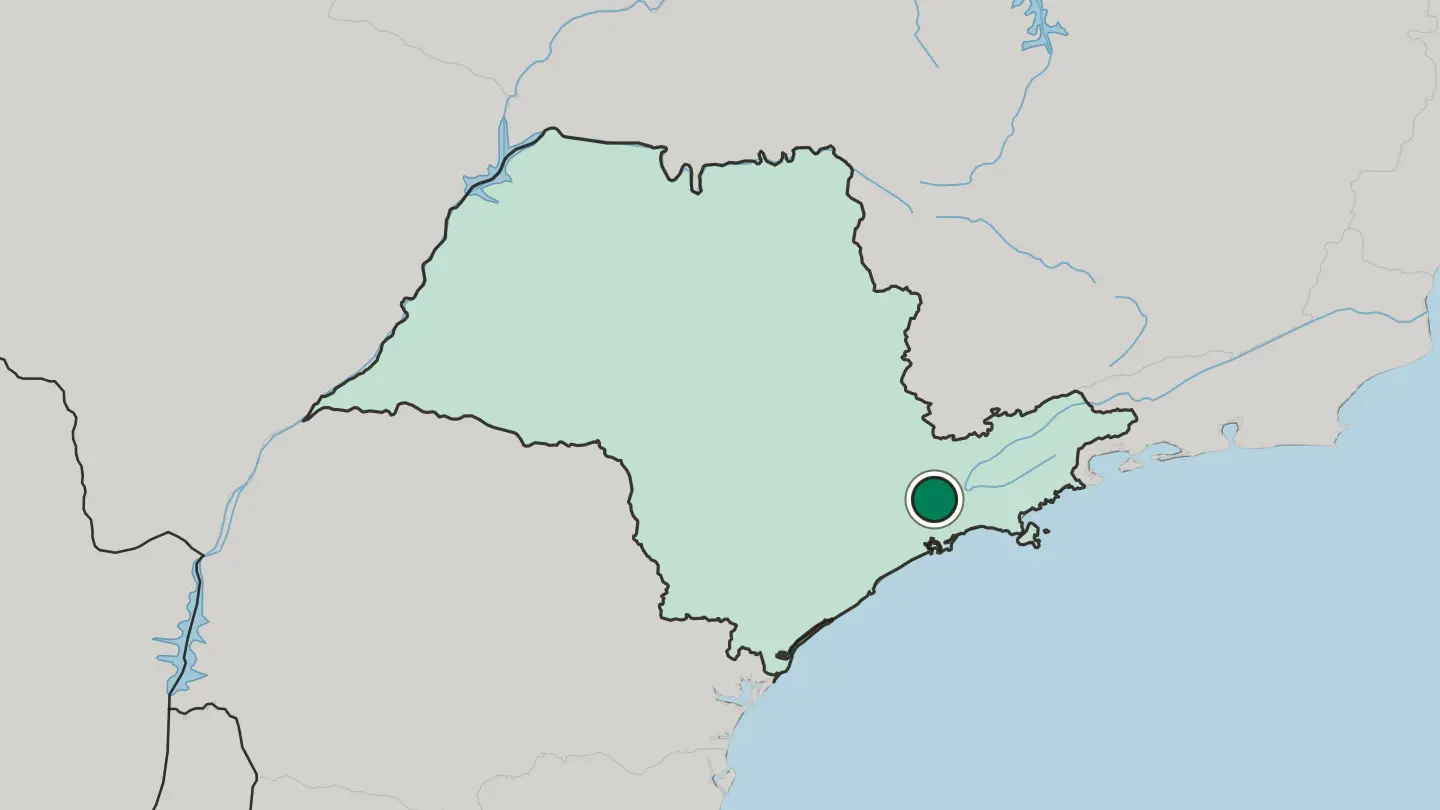
 Brazil
Franca
Franca is a Brazilian city 401 km from São Paulo, keeper of the Museu do Calçado de Franca and the Pinacoteca Municipal Miguel Ângelo Pucci.Where to stay →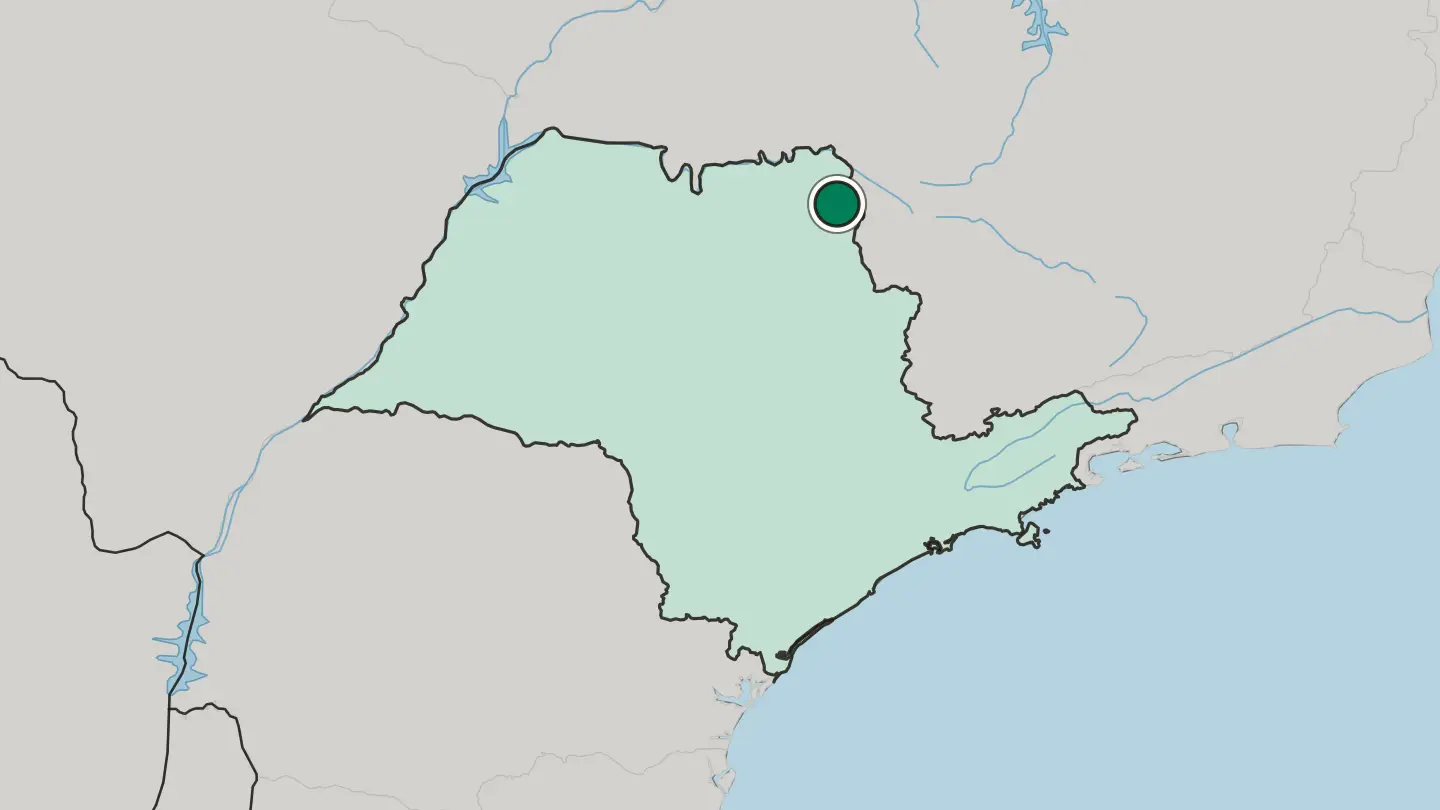 Brazil
Praia Grande
Praia Grande is a beach city of the Baixada Santista on the São Paulo coast, next to Santos, with the district of Solemar inside its territory.Where to stay →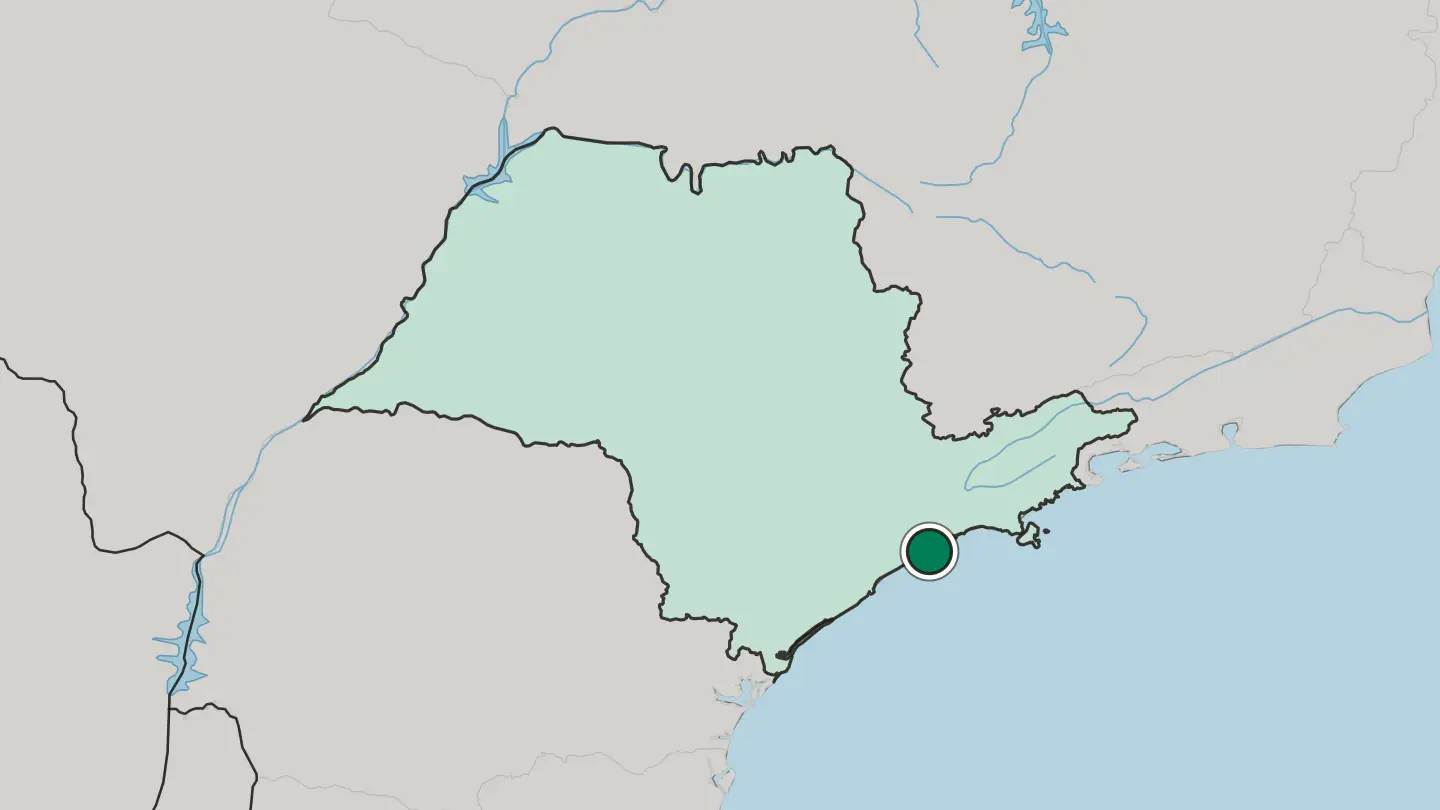
 Brazil
São Vicente
Founded in 1532 on the coast of southern São Paulo, São Vicente counts as the first city of Brazil and runs unbroken into Santos.Where to stay →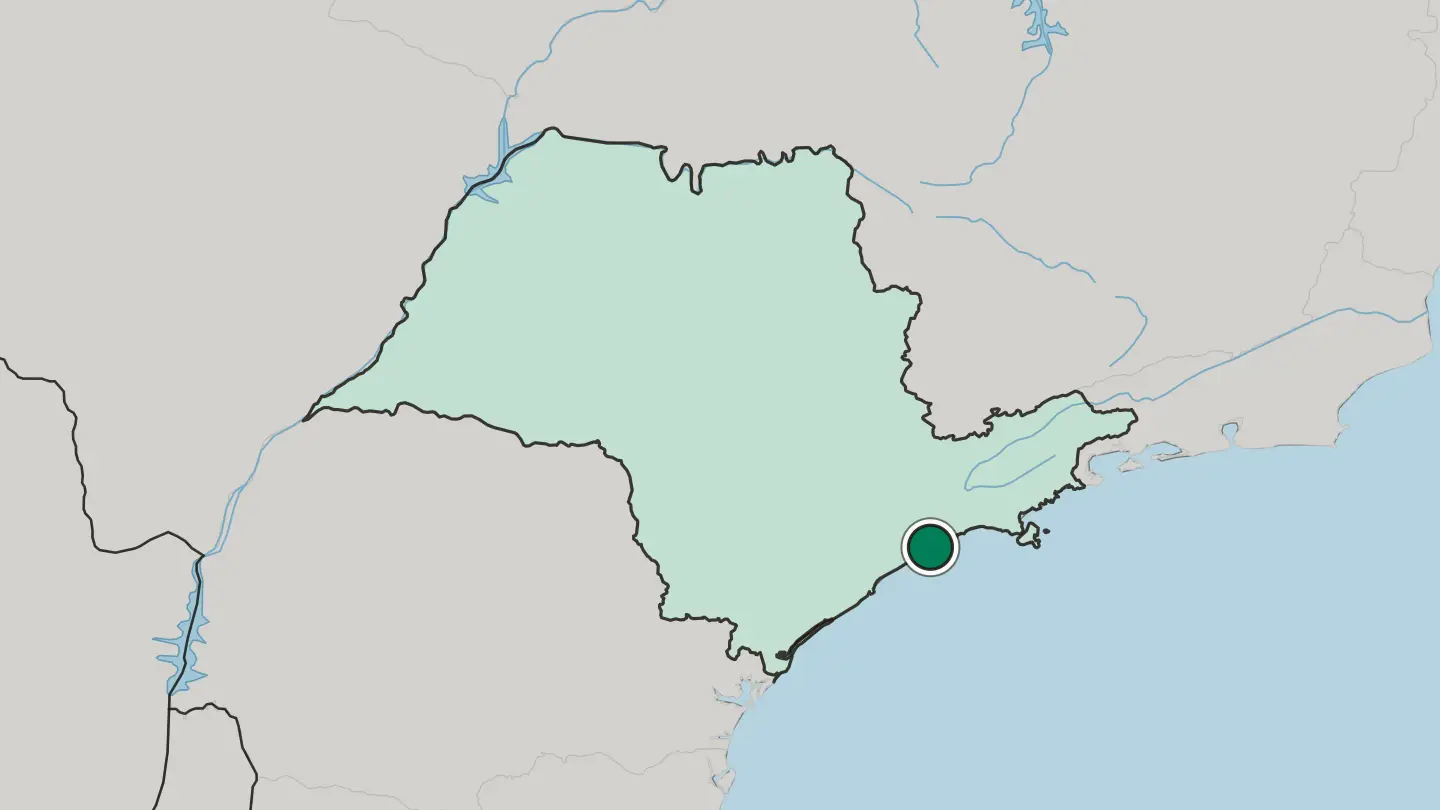
 Brazil
Mogi das Cruzes
Mogi das Cruzes, a municipality of São Paulo state founded in 1560, keeps its old courthouse, its Pinacoteca and the Casarão do Chá.Where to stay →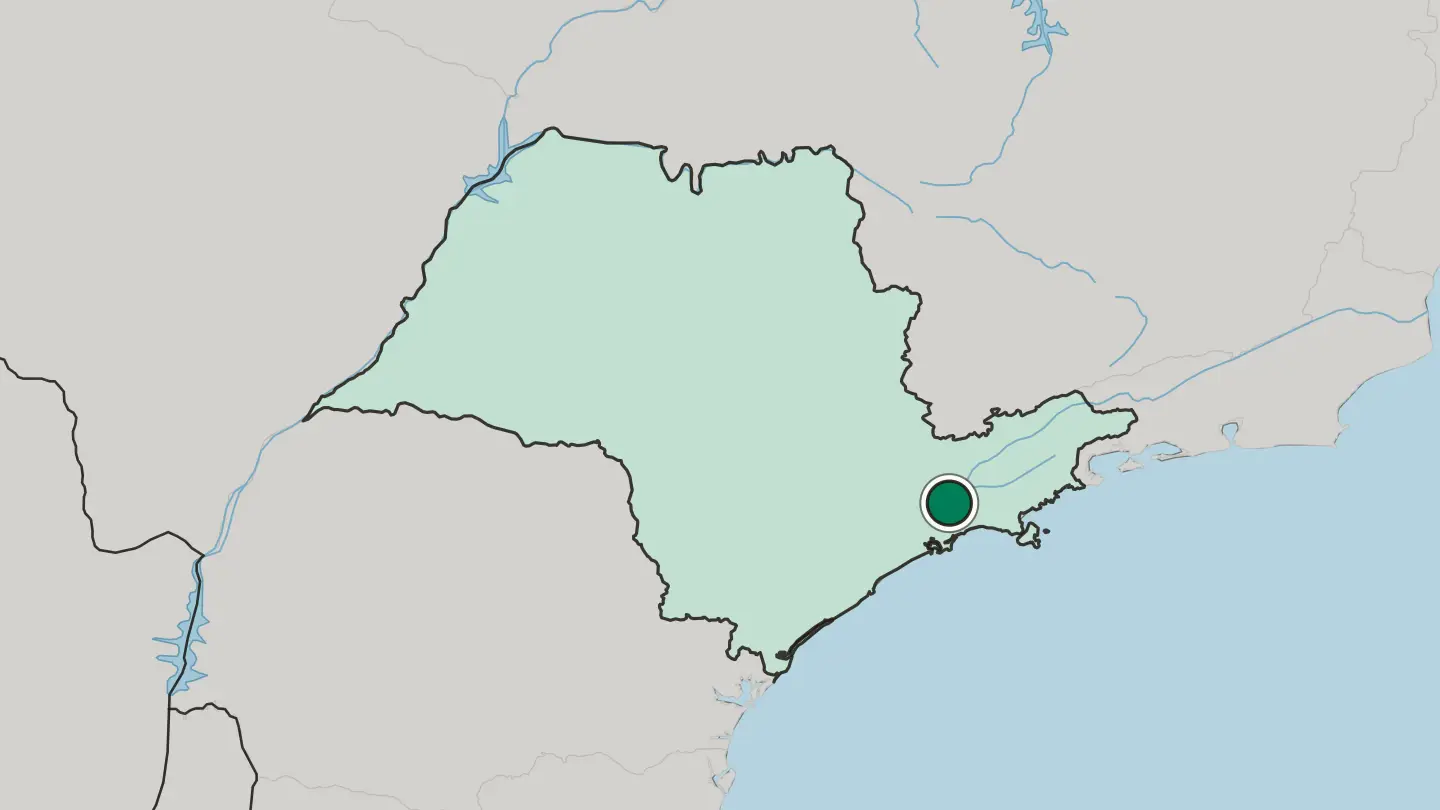
 Brazil
Guarujá
Guarujá is an island city on the São Paulo coast of Brazil, a beach municipality of the Baixada Santista whose name is Tupi for narrow path.Where to stay →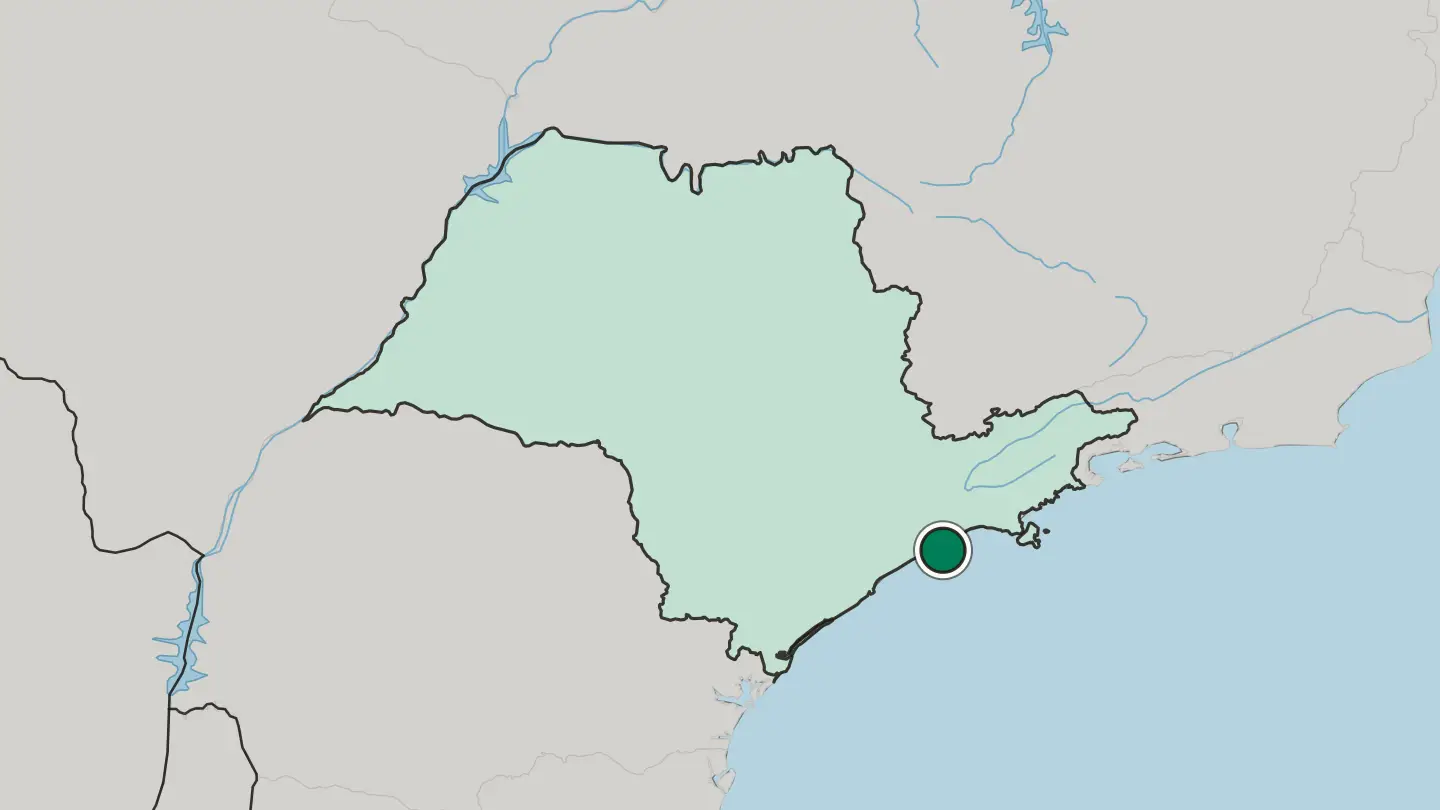
 Brazil
Taubaté
Taubaté sits in the Paraíba Valley of São Paulo state, between São Paulo and Rio de Janeiro, with museums to Monteiro Lobato and Mazzaropi.Where to stay →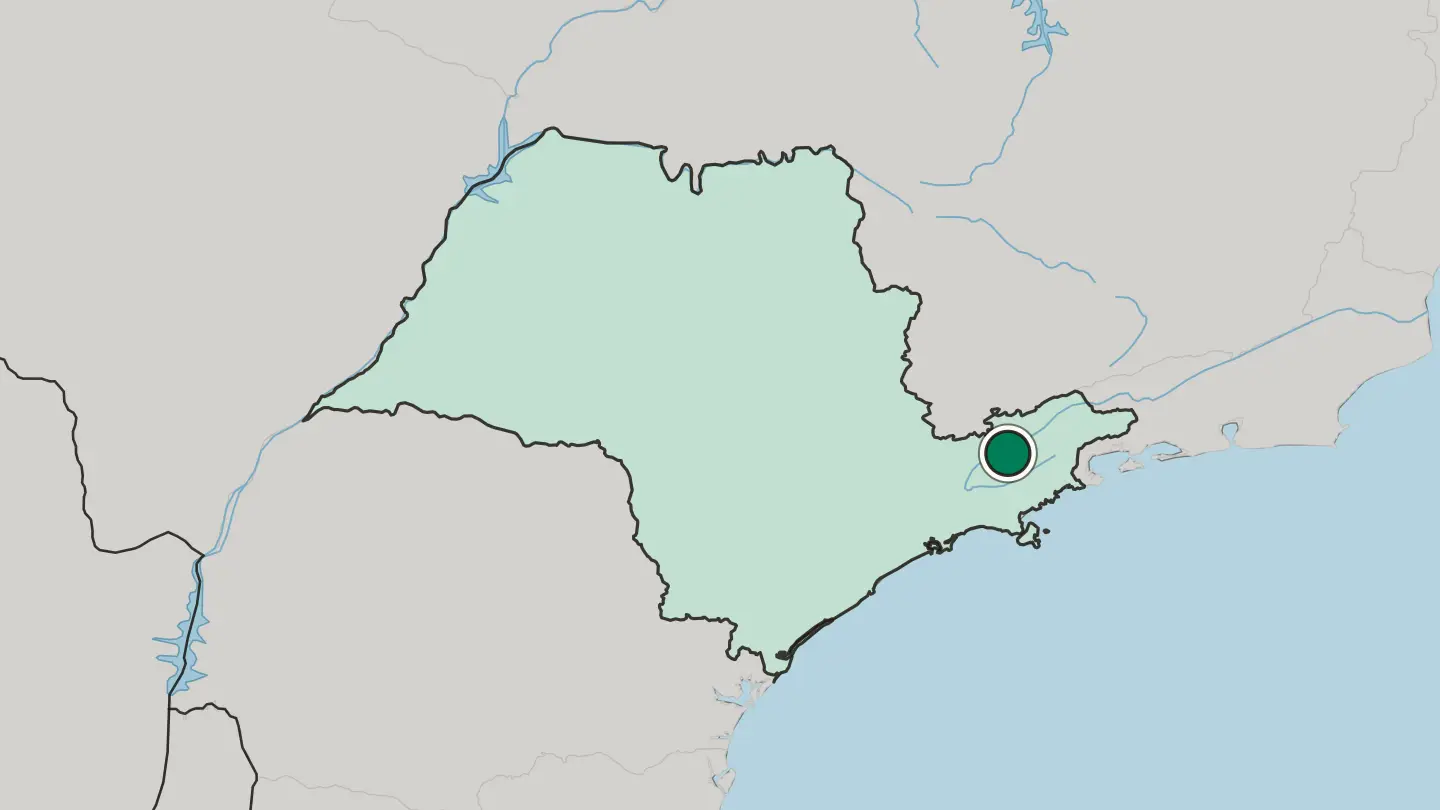
 Brazil
Barueri
Barueri sits inside the Metropolitan Region of São Paulo, a tightly bounded municipality whose office district outweighs its old core.Where to stay →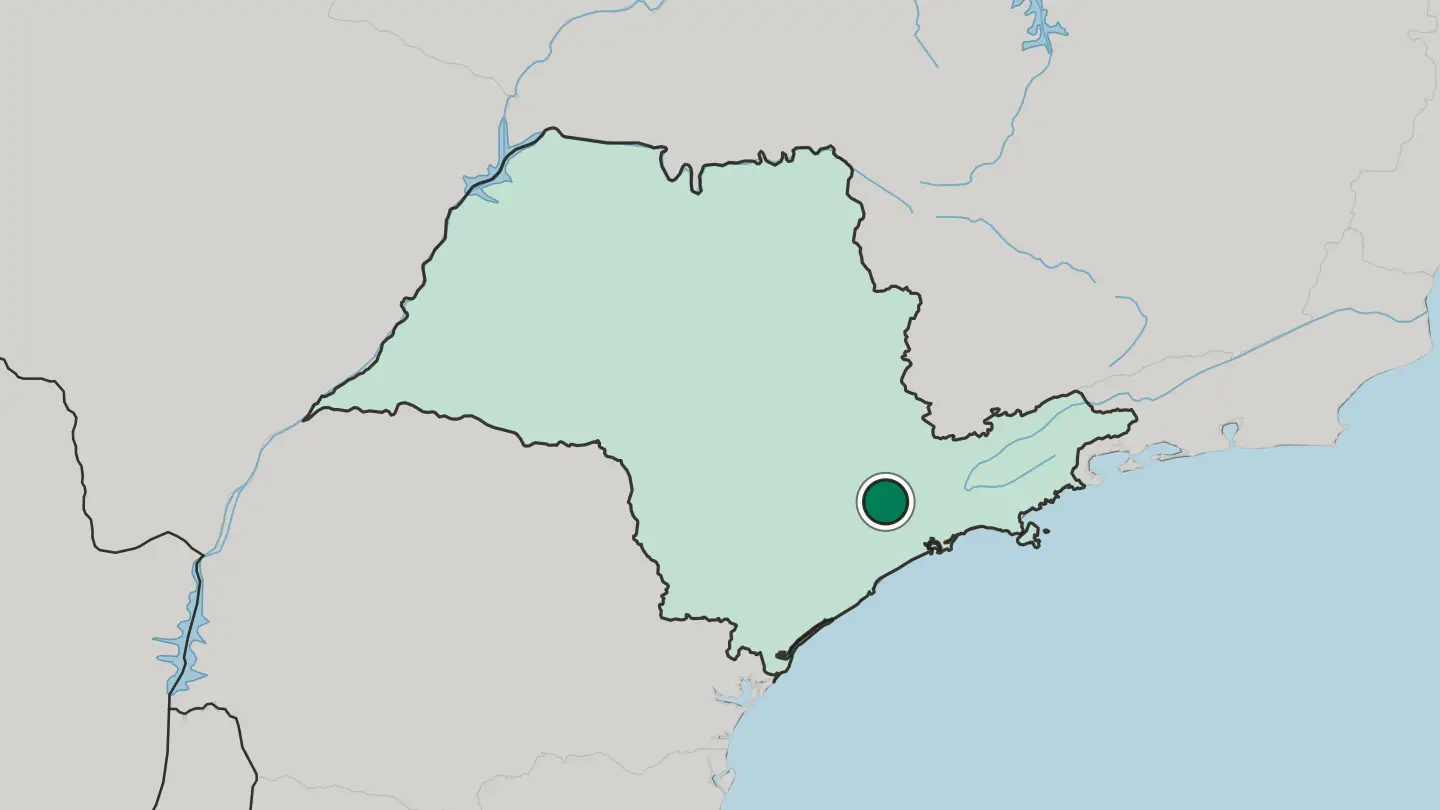
 Brazil
Limeira
Two highways deliver most arrivals. Limeira is a city of São Paulo state, 154 kilometres from the capital along the Rodovia Anhanguera.Where to stay →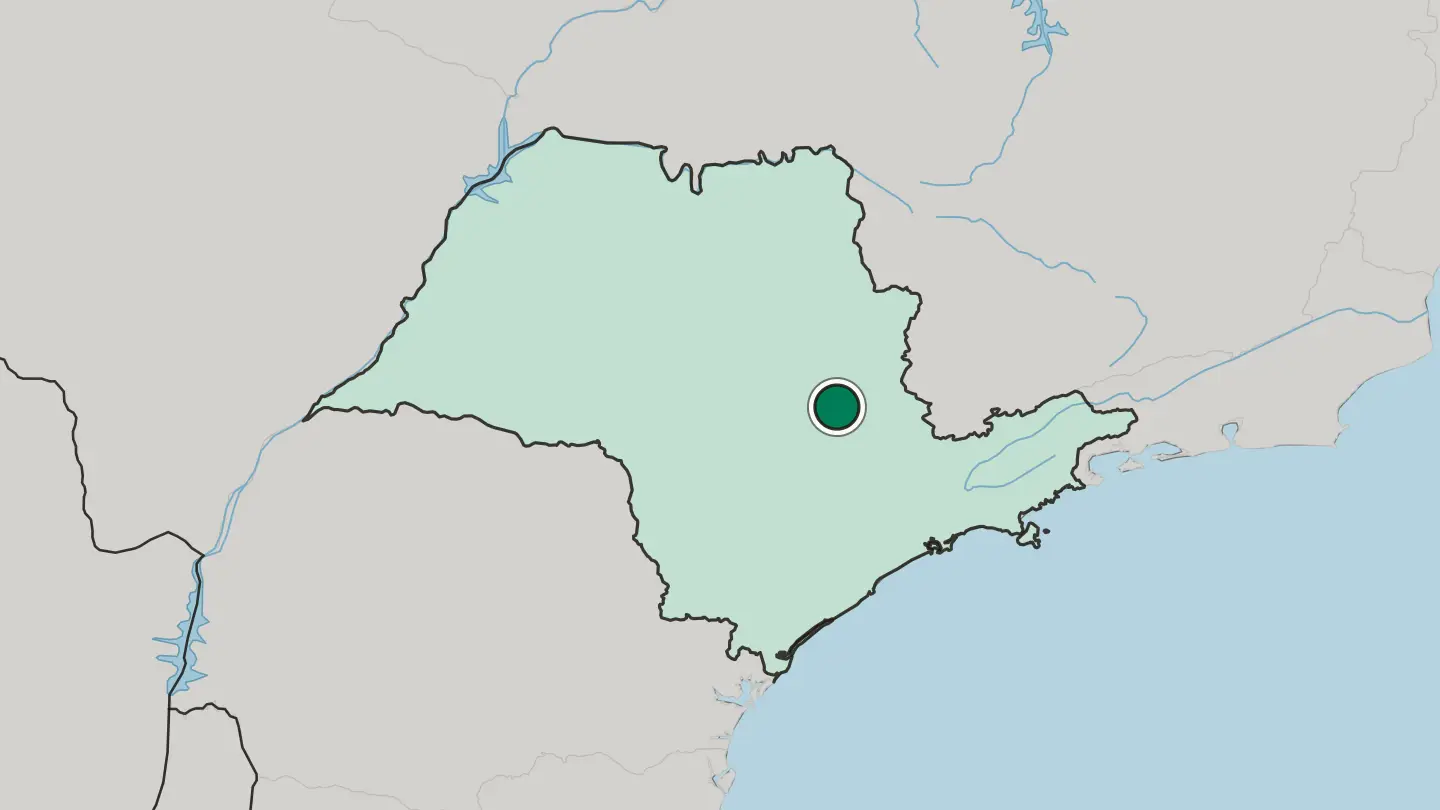 Brazil
Indaiatuba
Indaiatuba is a Brazilian city of the Metropolitan Region of Campinas in São Paulo state, its Tupi name meaning a gathering of palm trees.Where to stay →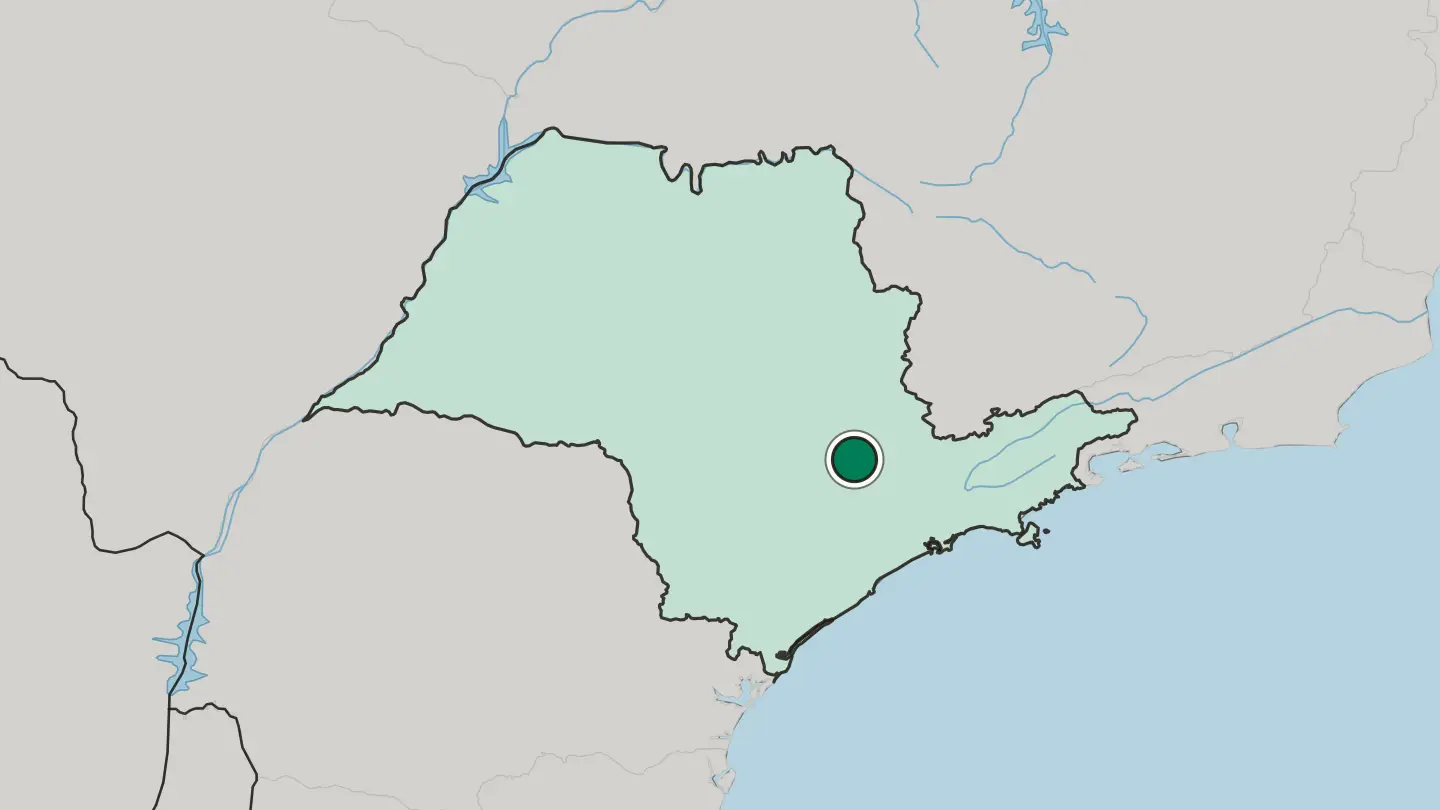 Brazil
Cotia
Cotia dates to 1856. The municipality lies 30 kilometres west of São Paulo and holds the Morro Grande Forest Reserve.Where to stay →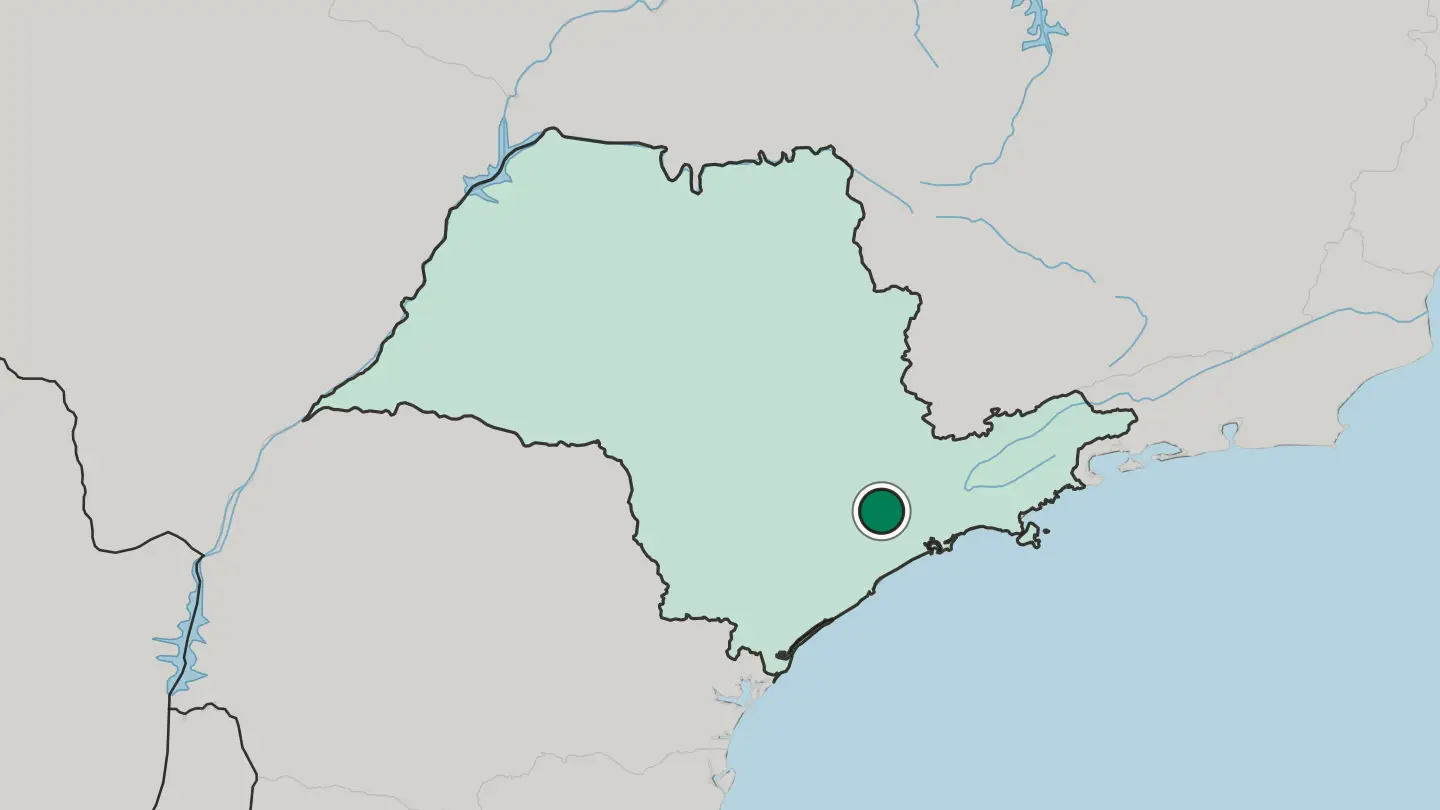
 Brazil
Embu das Artes
Embu das Artes is a Brazilian town of artists inside Grande São Paulo, holding the Museu do Índio and a Jesuit collection of sacred art.Where to stay →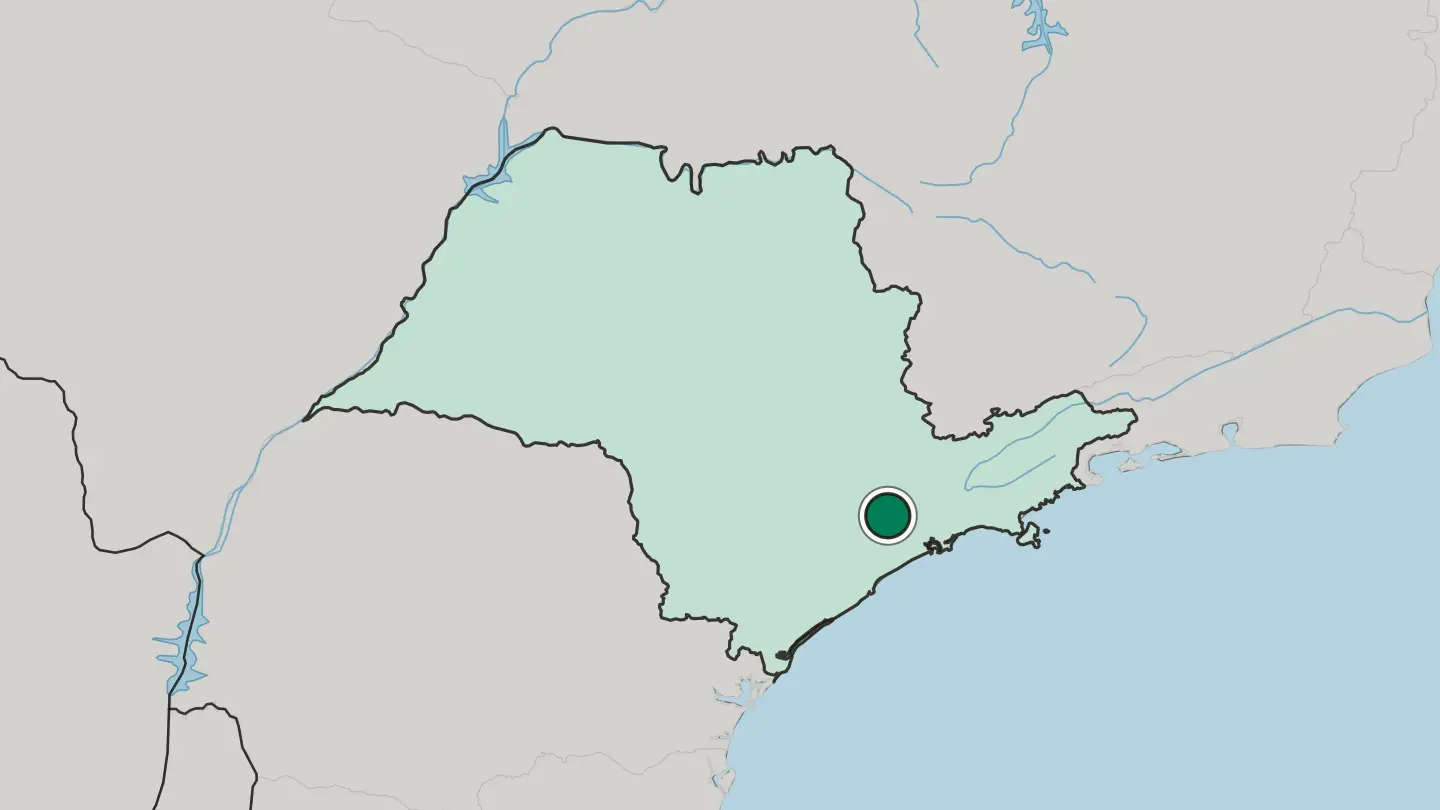
 Brazil
Americana
Americana grew from an 1875 railway station and a cotton weaving mill, a municipality of São Paulo state in the Metropolitan Region of Campinas.Where to stay →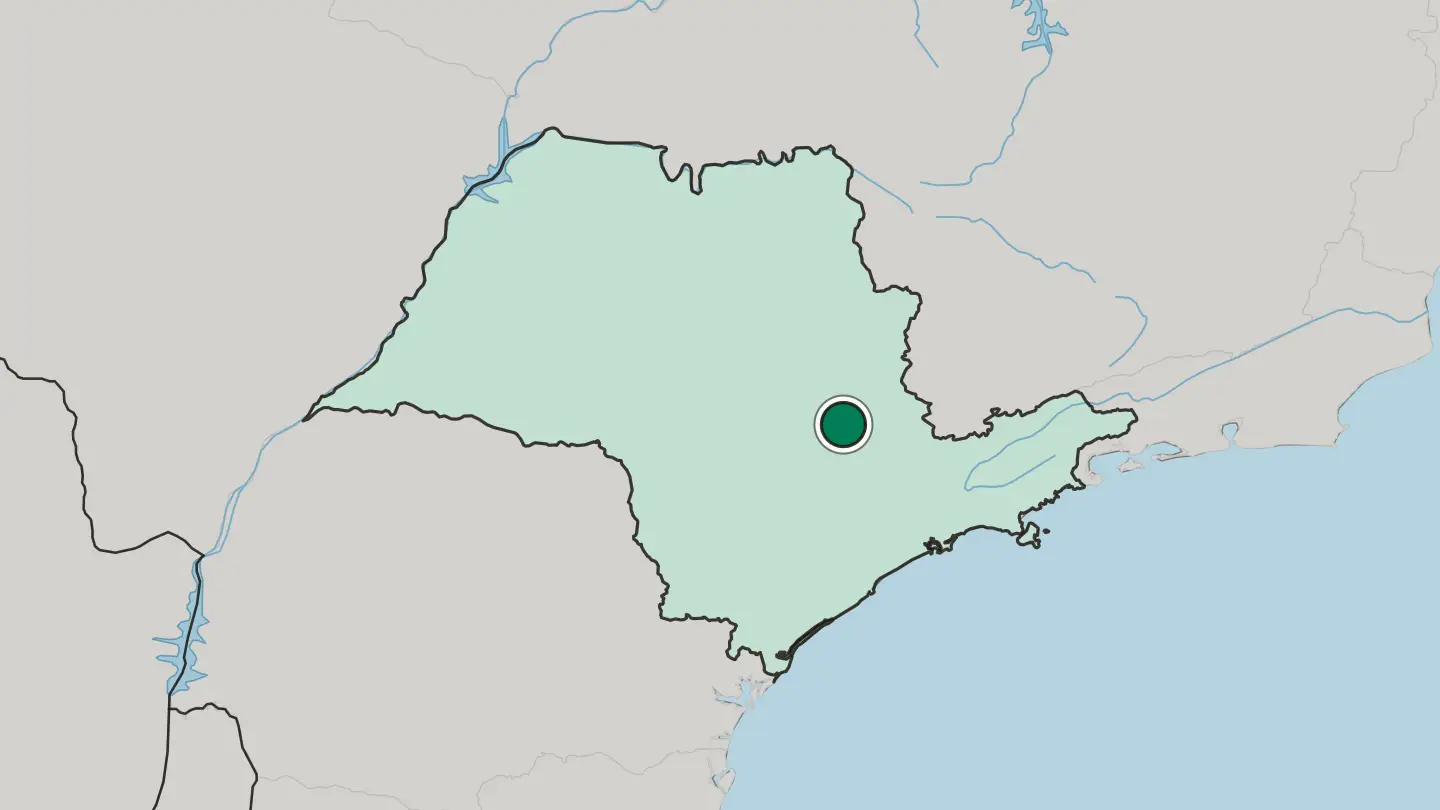 Brazil
Marília
A young city by state standards. Marília was founded in 1928 in the interior of São Paulo, 443 kilometres by road from the state capital.Where to stay →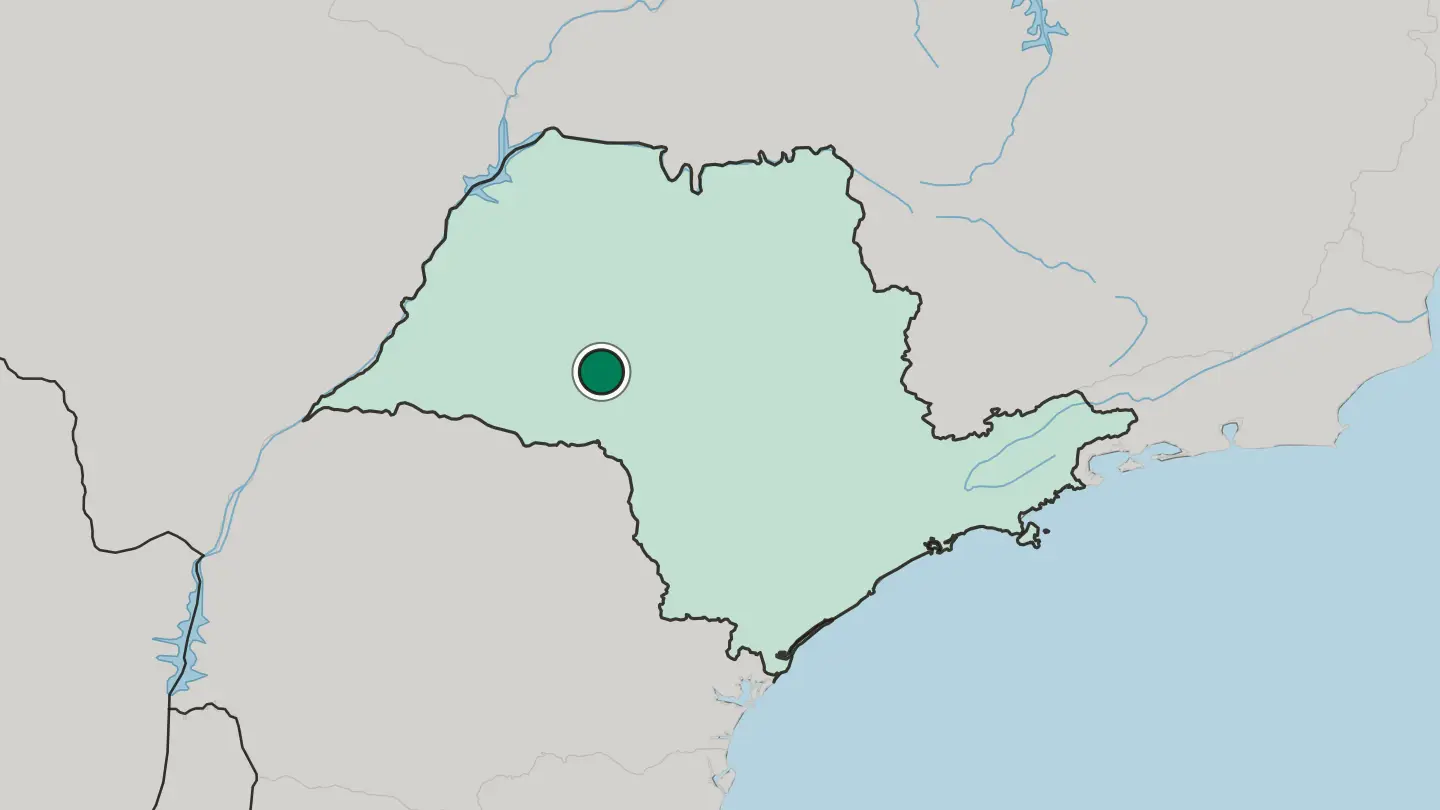
 Brazil
Presidente Prudente
Presidente Prudente, founded in 1917 in São Paulo state, keeps its record in three museums of history, museology and archaeology.Where to stay →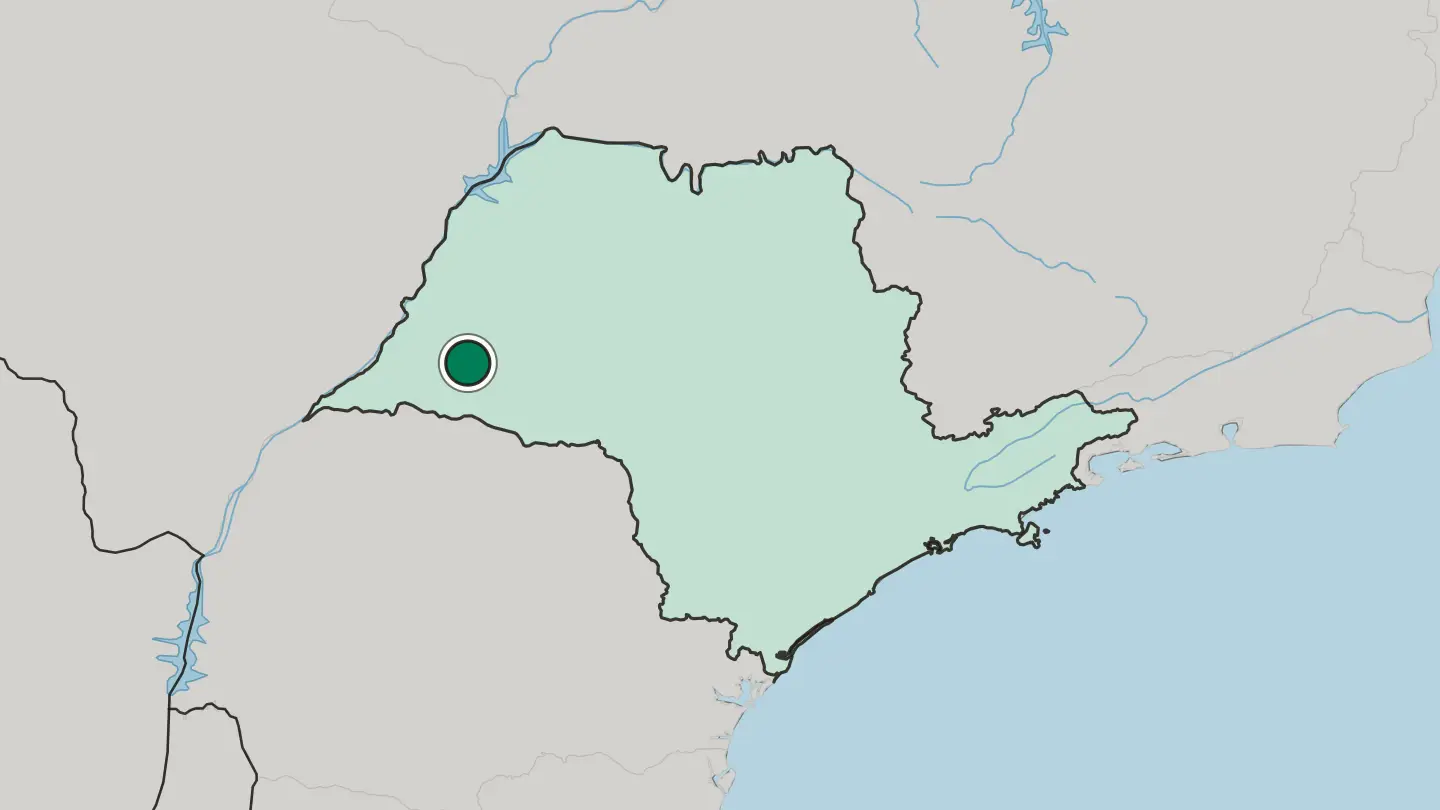
 Brazil
São Carlos
São Carlos grew from an 1857 foundation in São Paulo state, where a cathedral, five churches and a physics memorial share one grid. Science shaped it.Where to stay →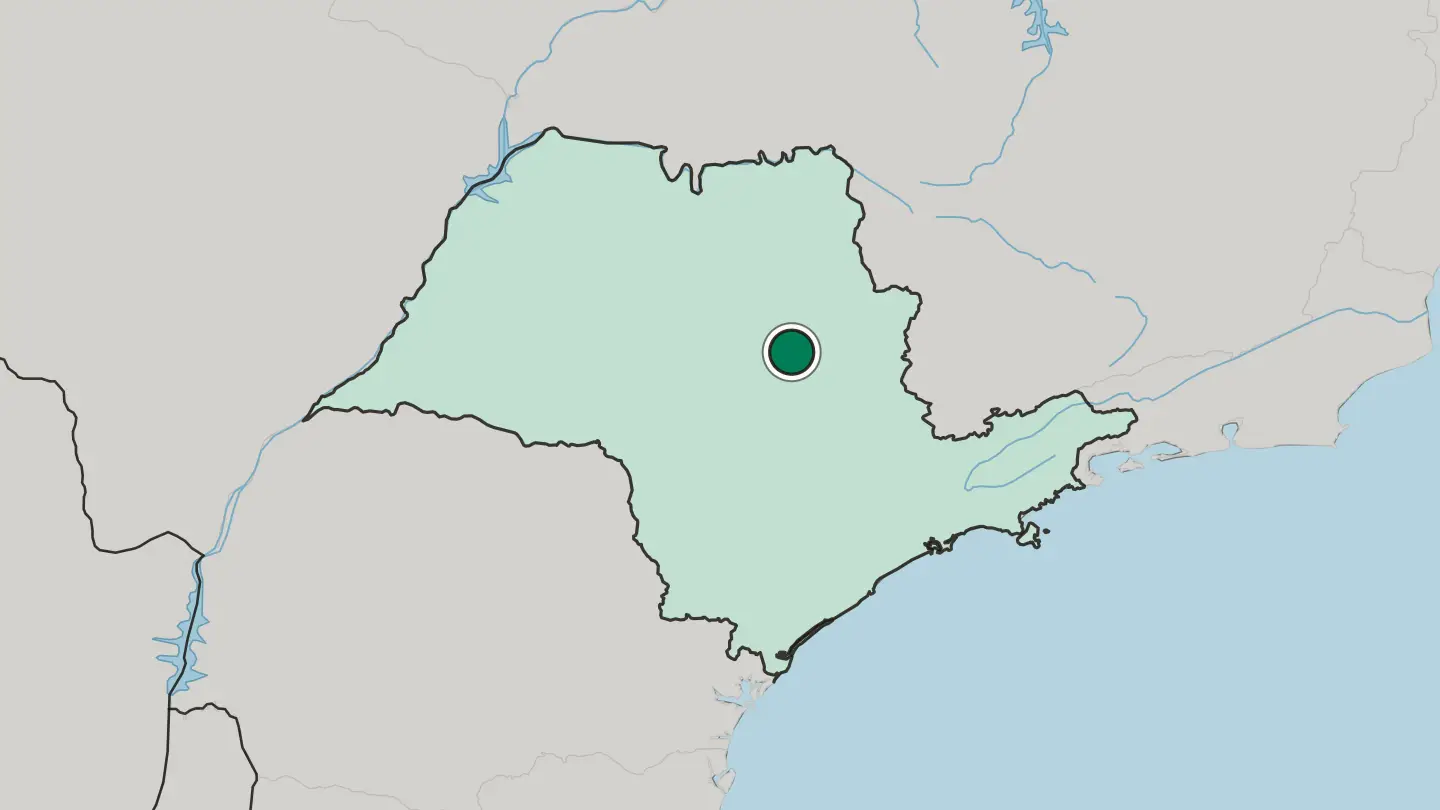
 Brazil
Rio Claro
A city of the state of São Paulo in Brazil, Rio Claro dates from 1827 and keeps museums of rocks, fossils, and the eucalyptus.Where to stay →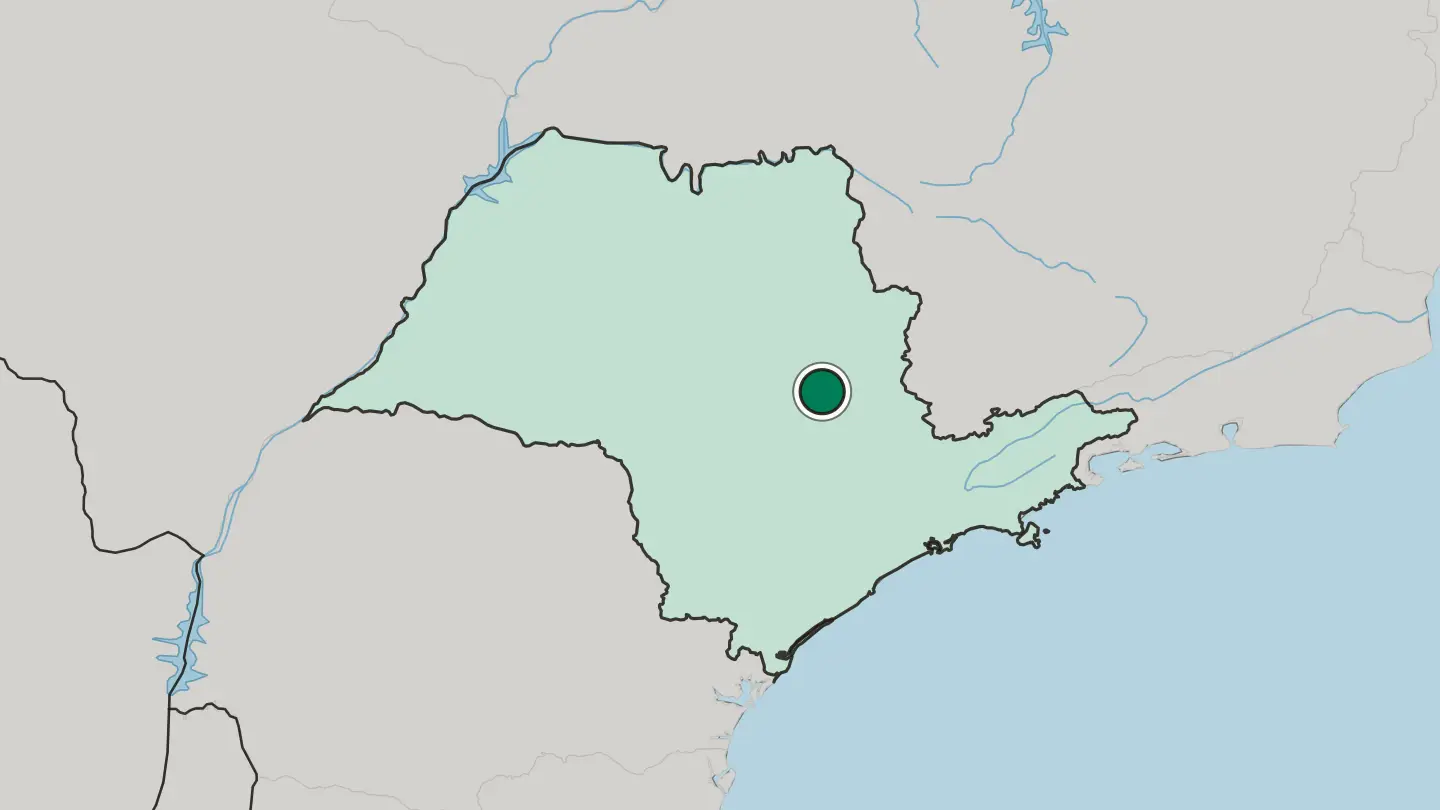
 Brazil
Santa Bárbara d'Oeste
Santa Bárbara d'Oeste, founded in 1818, sits in the Metropolitan Region of Campinas, with an immigration museum and the Cemitério dos Americanos.Where to stay →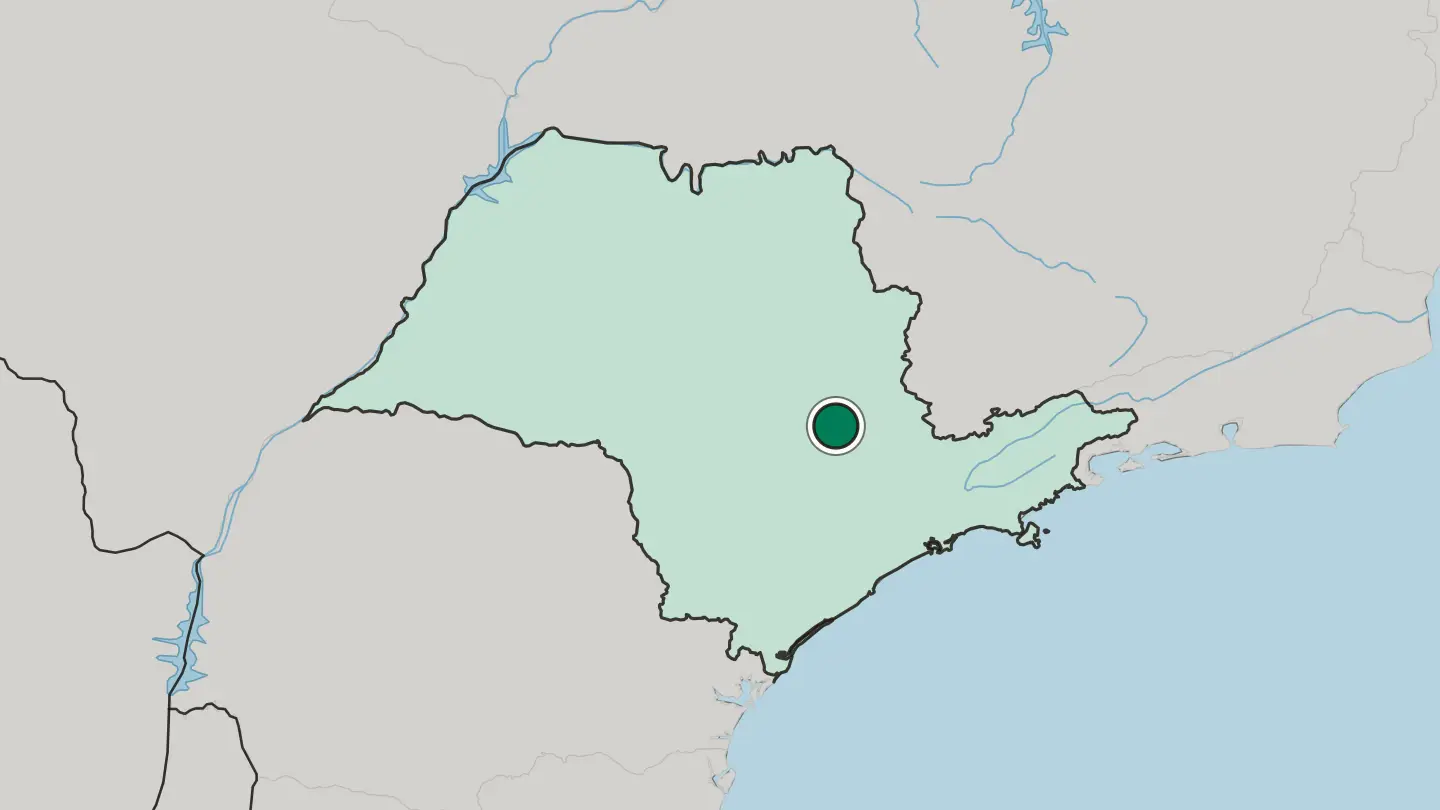 Brazil
Bragança Paulista
Bragança Paulista is a São Paulo hill town gathered around Lake Taboão, with sausage-making and the Fazenda Dona Carolina among its marks.Where to stay →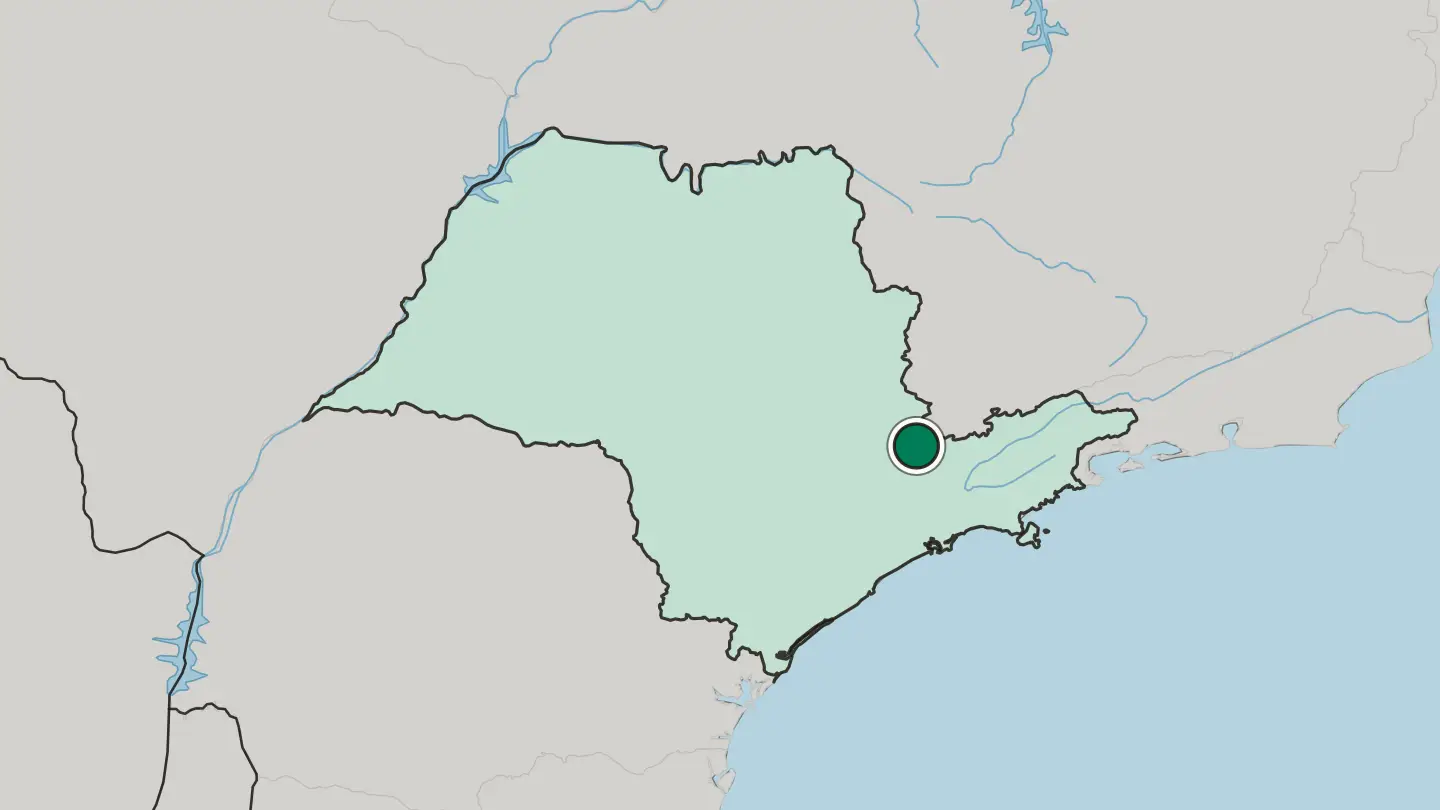
 Brazil
Araçatuba
Araçatuba carries a Tupi name meaning abundance of araçá, a city in the northwest of São Paulo state built around its central railway complex.Where to stay →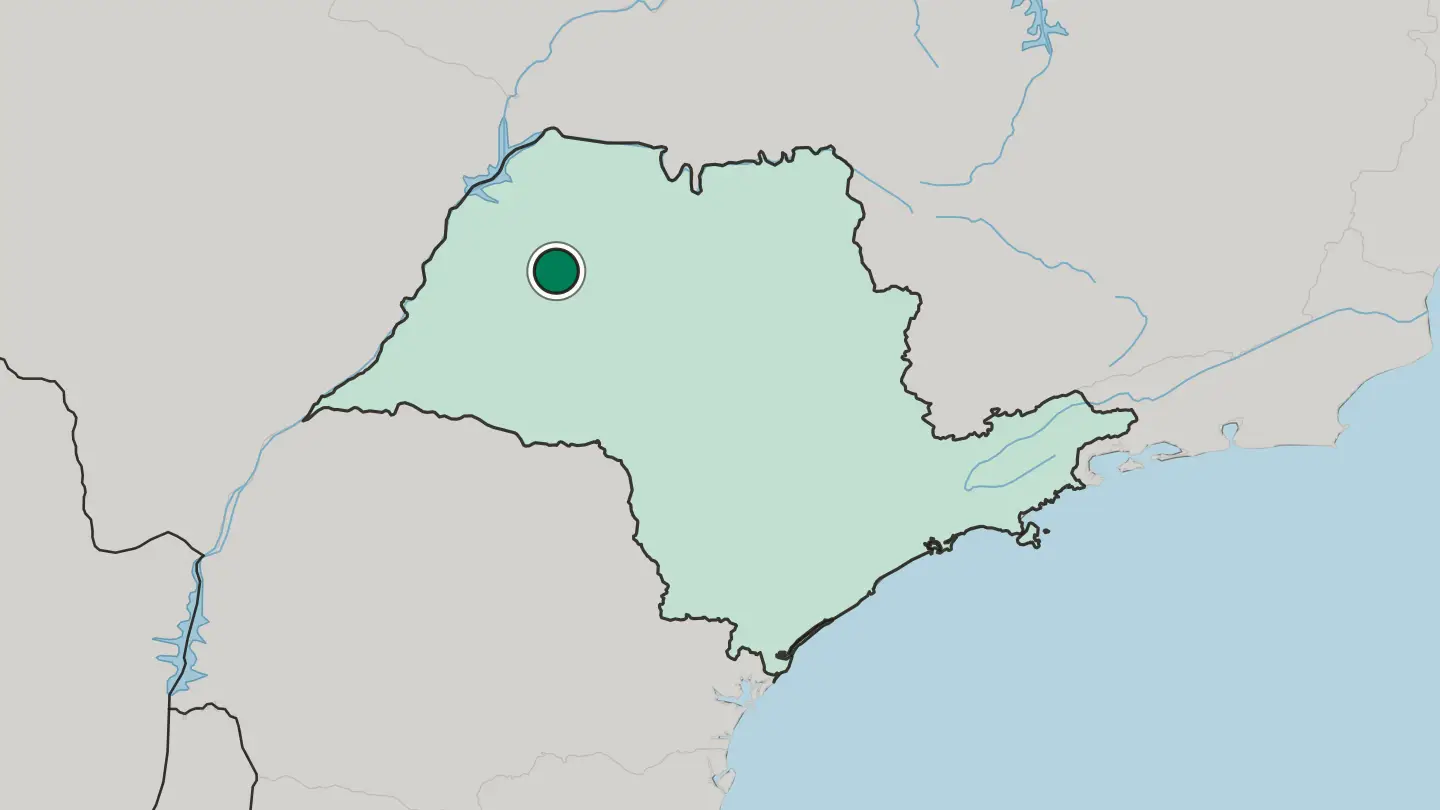
 Brazil
Araraquara
Araraquara is called the abode of the sun, a São Paulo city of oranges and sugar cane founded in 1817 across more than a thousand square kilometres.Where to stay →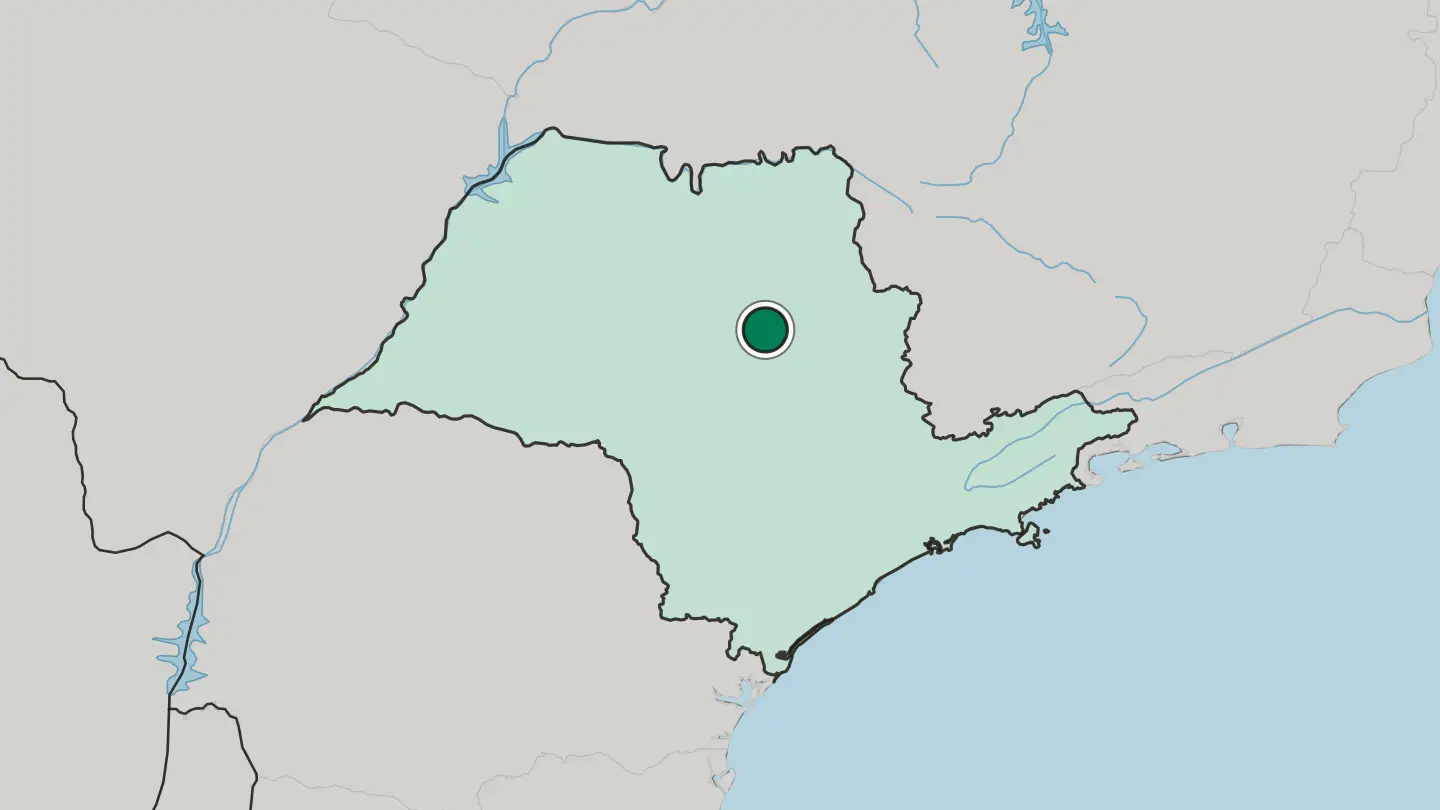
 Brazil
São Caetano do Sul
São Caetano do Sul packs an 1877 foundation, a car museum and a magic museum into 15 square kilometres of São Paulo state. Distances stay small.Where to stay →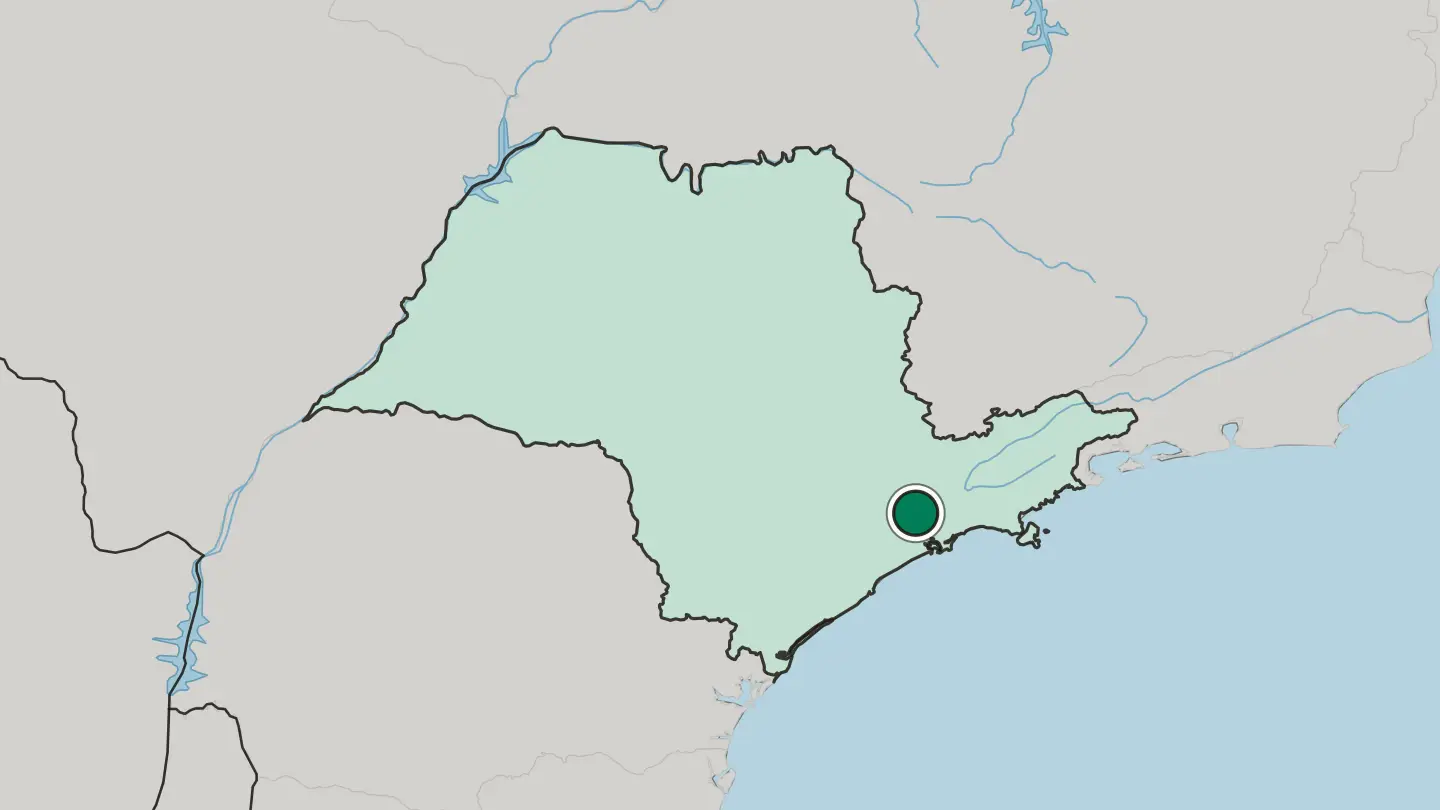 Brazil
Pindamonhangaba
Pindamonhangaba, founded in 1705 in the Vale do Paraíba of São Paulo state, keeps its palacetes, its railway station and the Palácio Dez de Julho.Where to stay →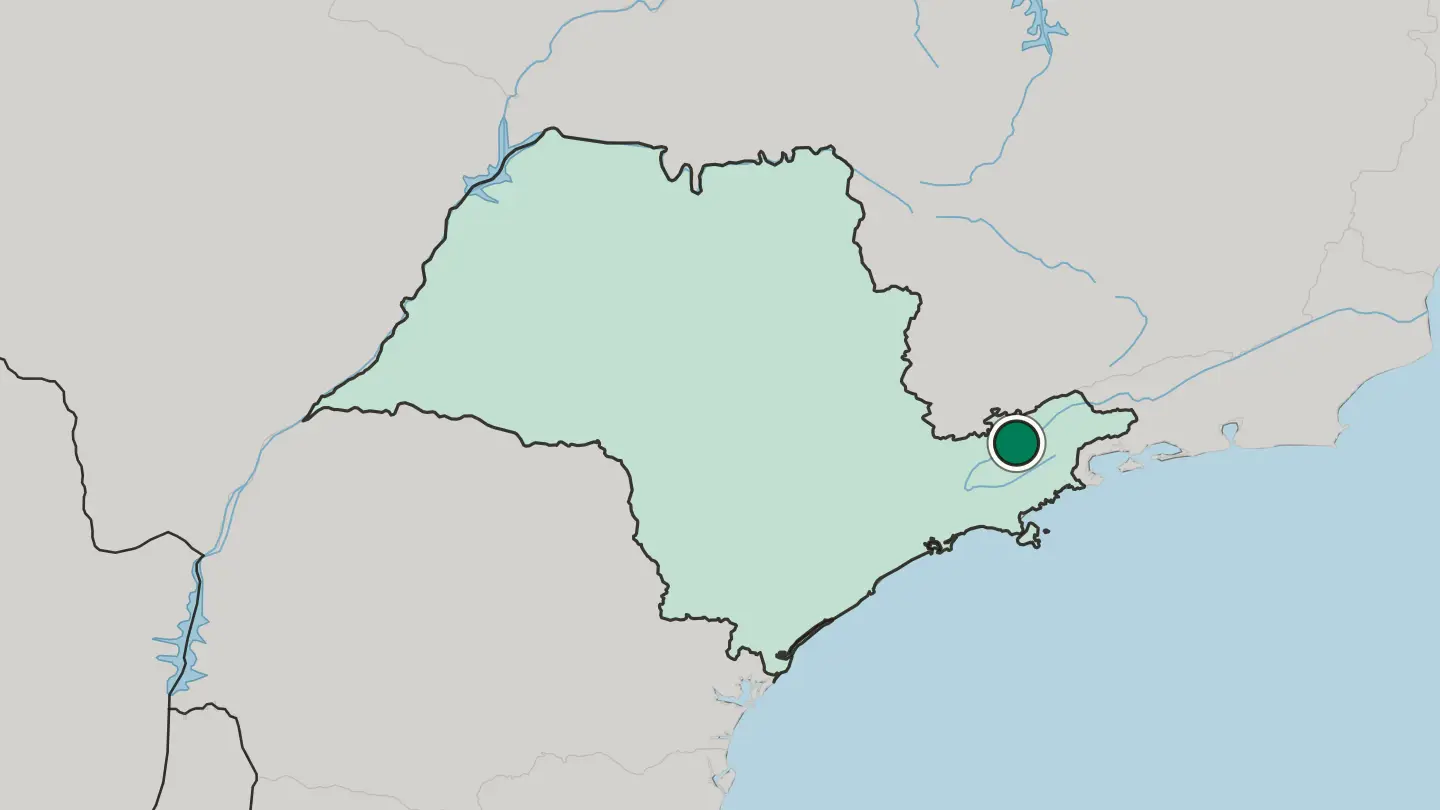
 Brazil
Santana de Parnaíba
Santana de Parnaíba, founded by the Tietê River in 1625, keeps a colonial centre held as a state heritage site near São Paulo.Where to stay →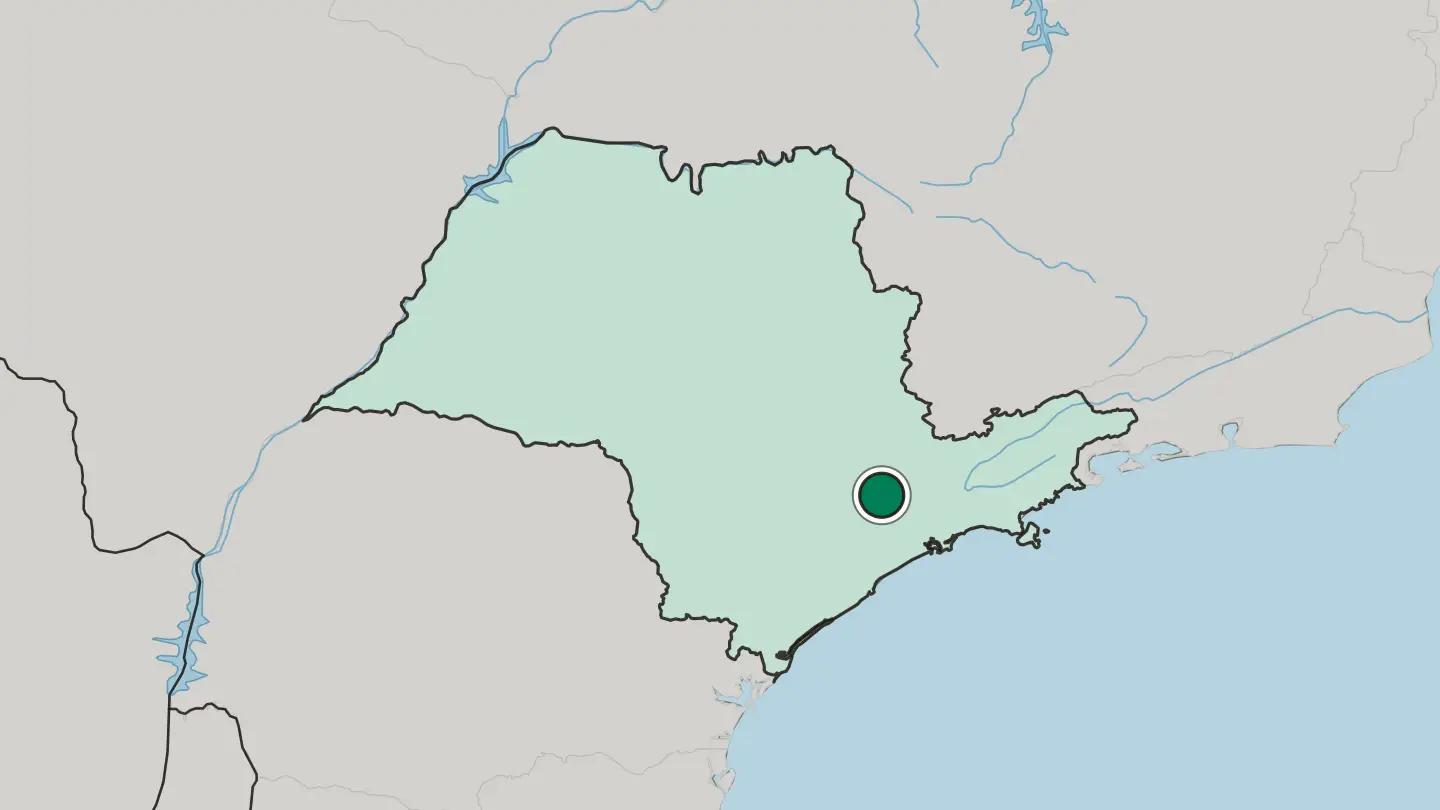
 Brazil
Botucatu
Botucatu is a hill-country city well inland from São Paulo, with waterfalls, coffee-era fazendas and a botanical garden of its own.Where to stay →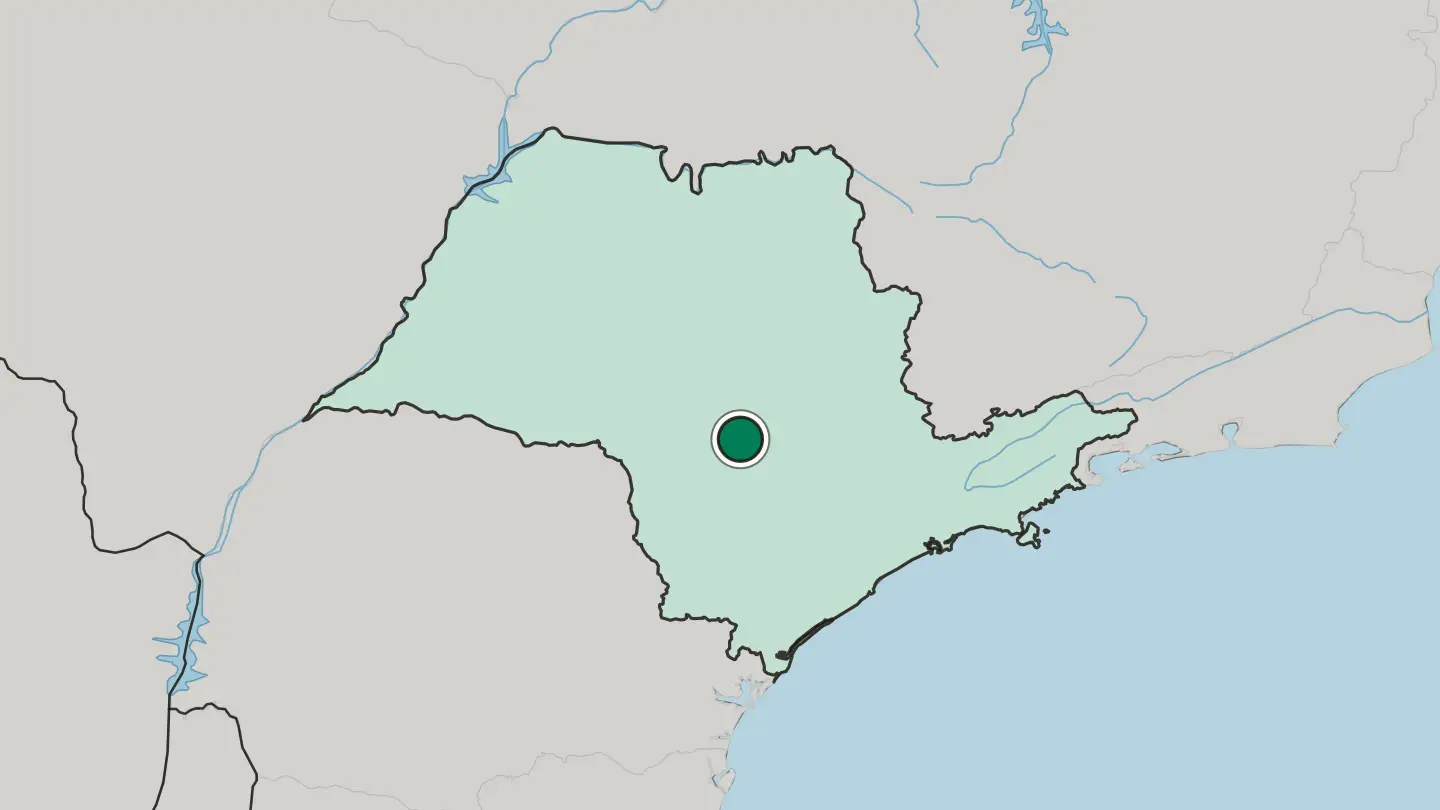 Brazil
Atibaia
Atibaia is a city of the state of São Paulo, Brazil, its old streets gathered around the Igreja Matriz São João Batista.Where to stay →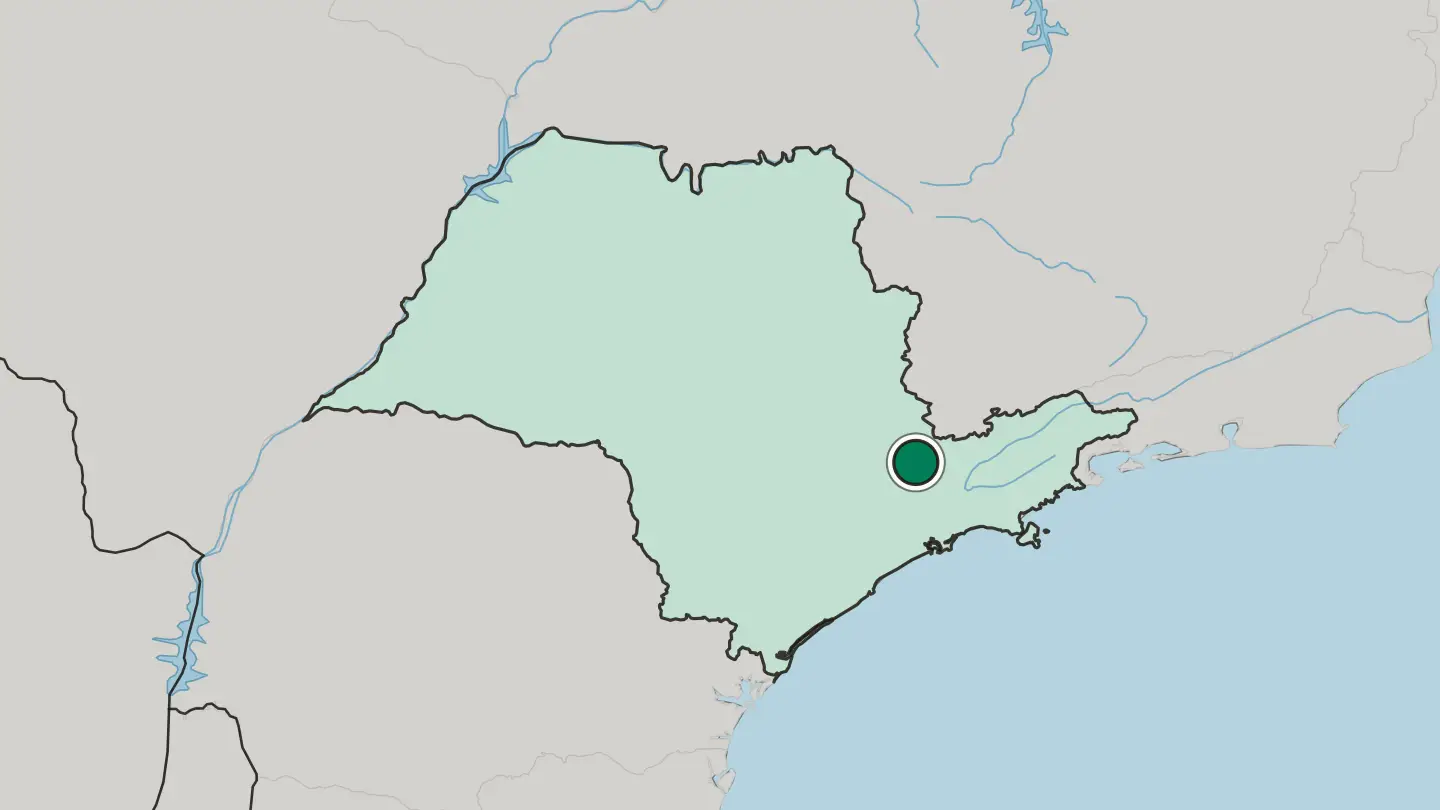 Brazil
Itu
The name is Tupi for big waterfall. Itu is a historic city of São Paulo state, on the Tietê in the Metropolitan Region of Sorocaba.Where to stay →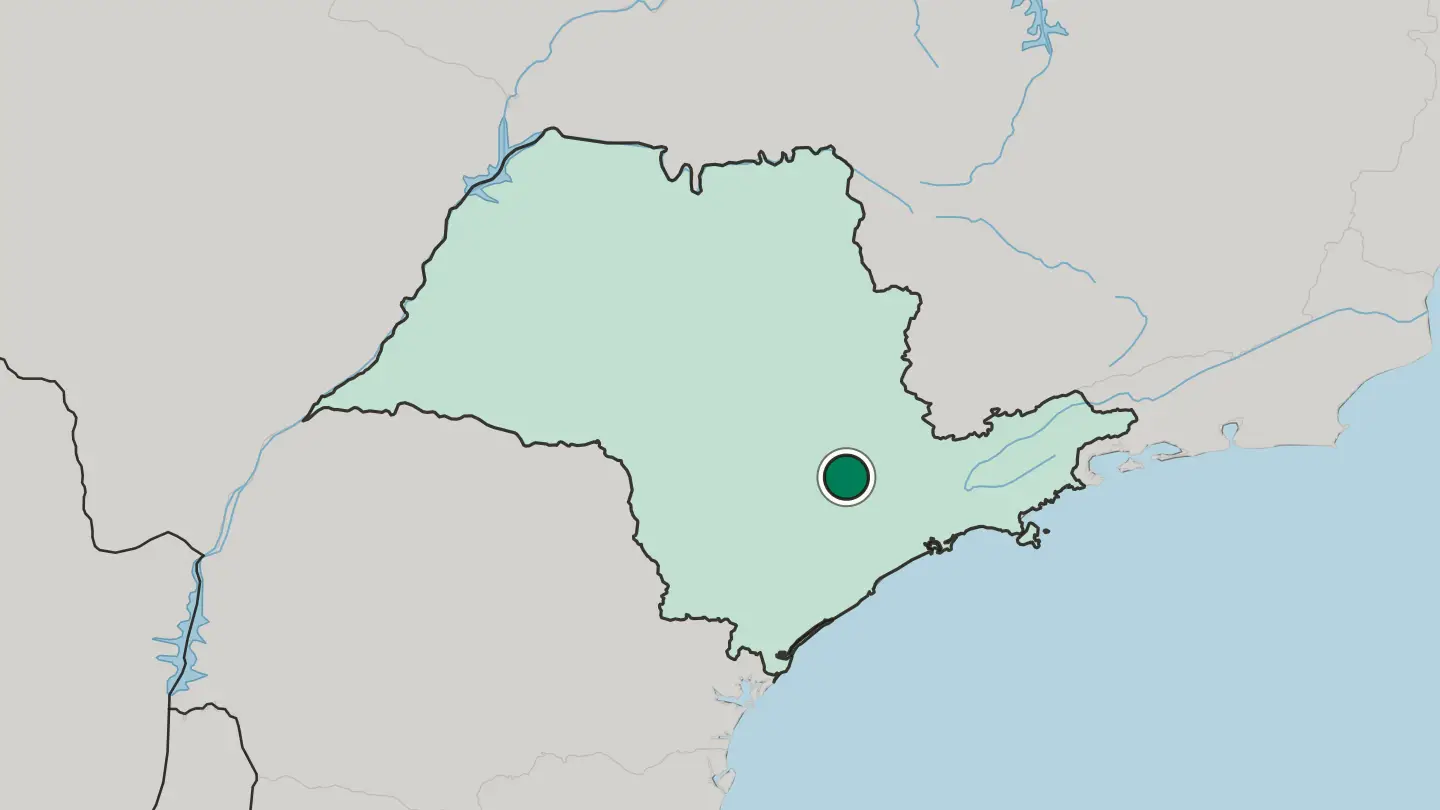 Brazil
Caraguatatuba
Caraguá is the short name. Caraguatatuba is the largest city on São Paulo's north shore, a beach town in the state's coastal strip, founded in 1857.Where to stay →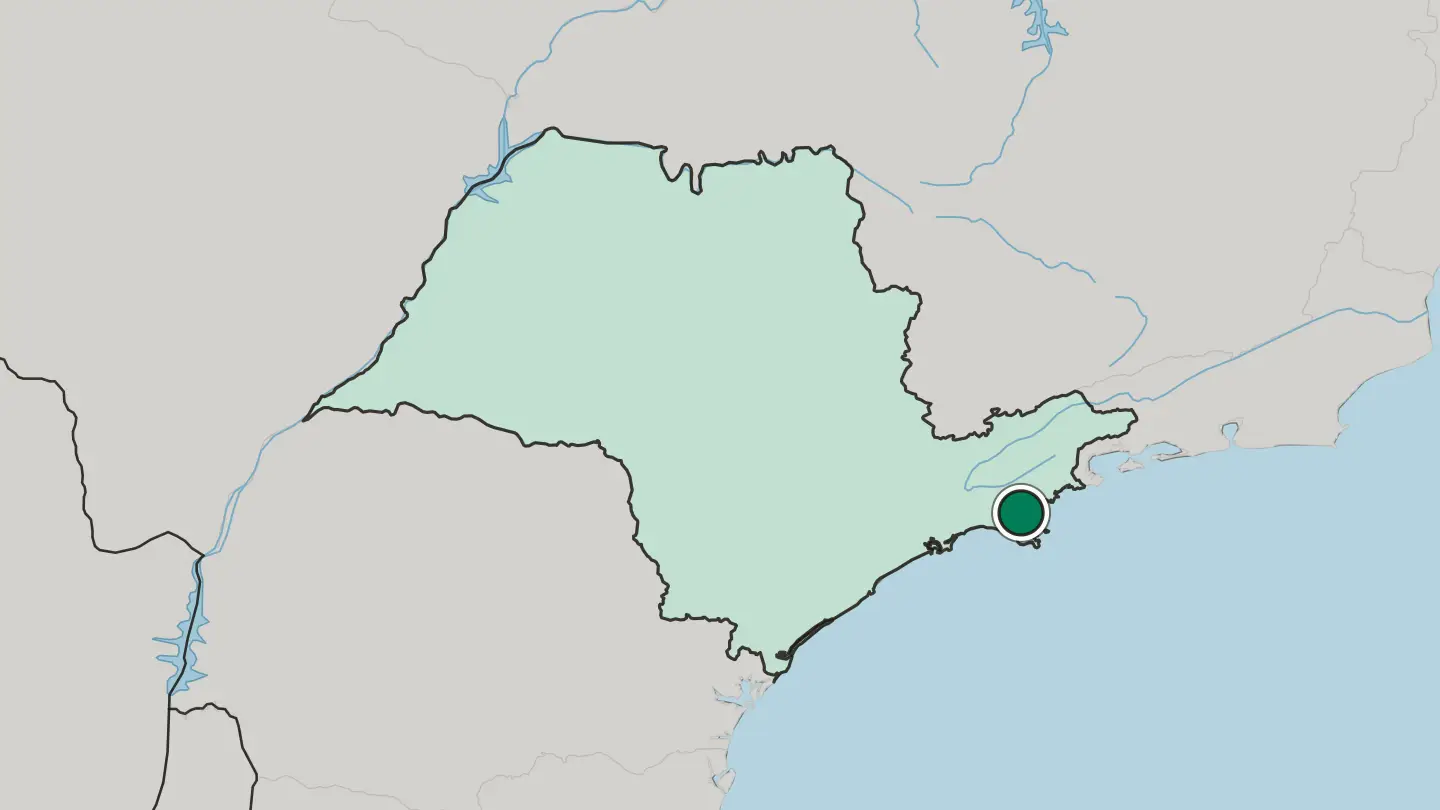
 Brazil
Guaratinguetá
Guaratinguetá is a colonial Brazilian city of São Paulo state, founded in 1630, close to the Aparecida shrine and keeper of the Museu Frei Galvão.Where to stay →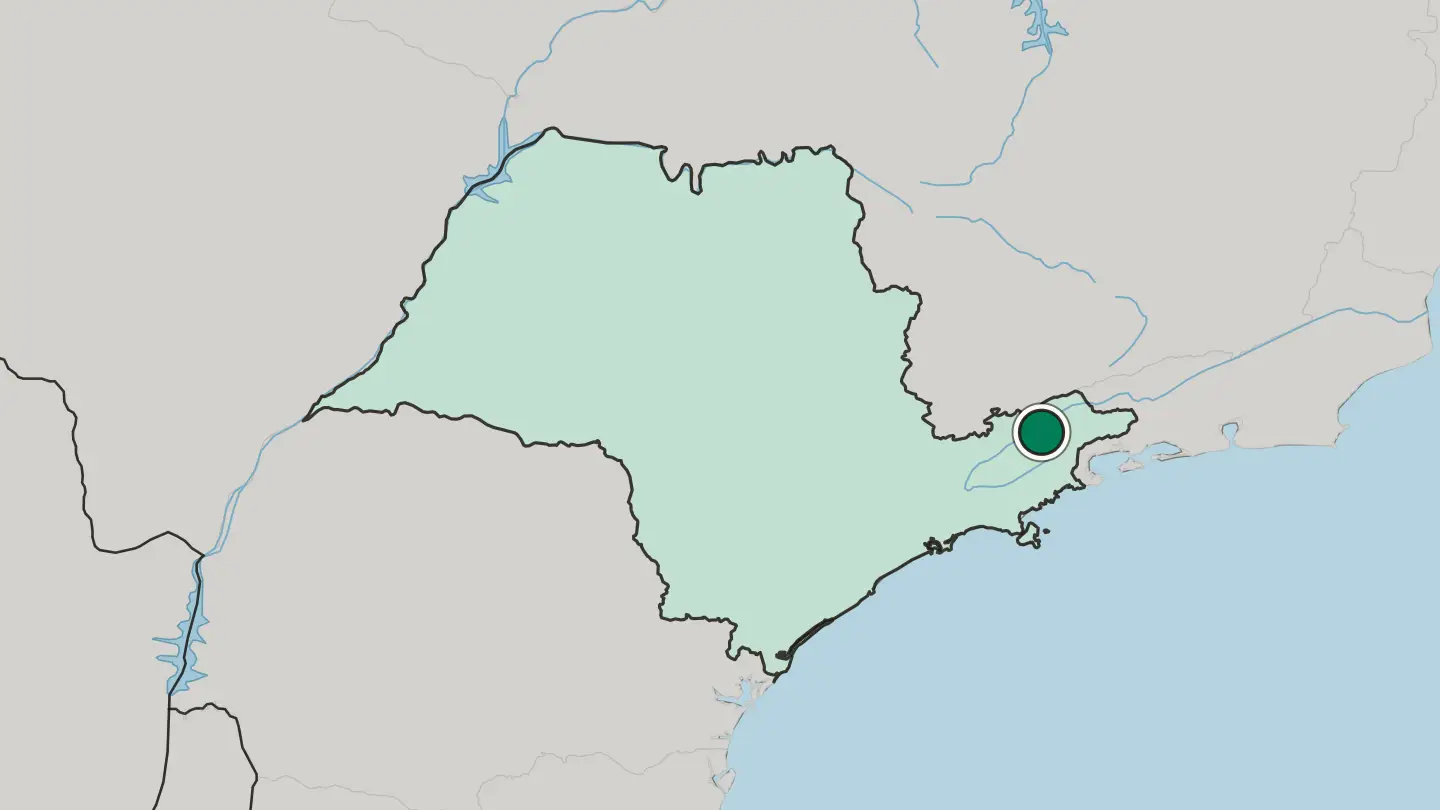 Brazil
Cajamar
Cajamar was created in 1959. The municipality lies in the Metropolitan Region of São Paulo, bordered by Jundiaí and Santana do Parnaíba.Where to stay →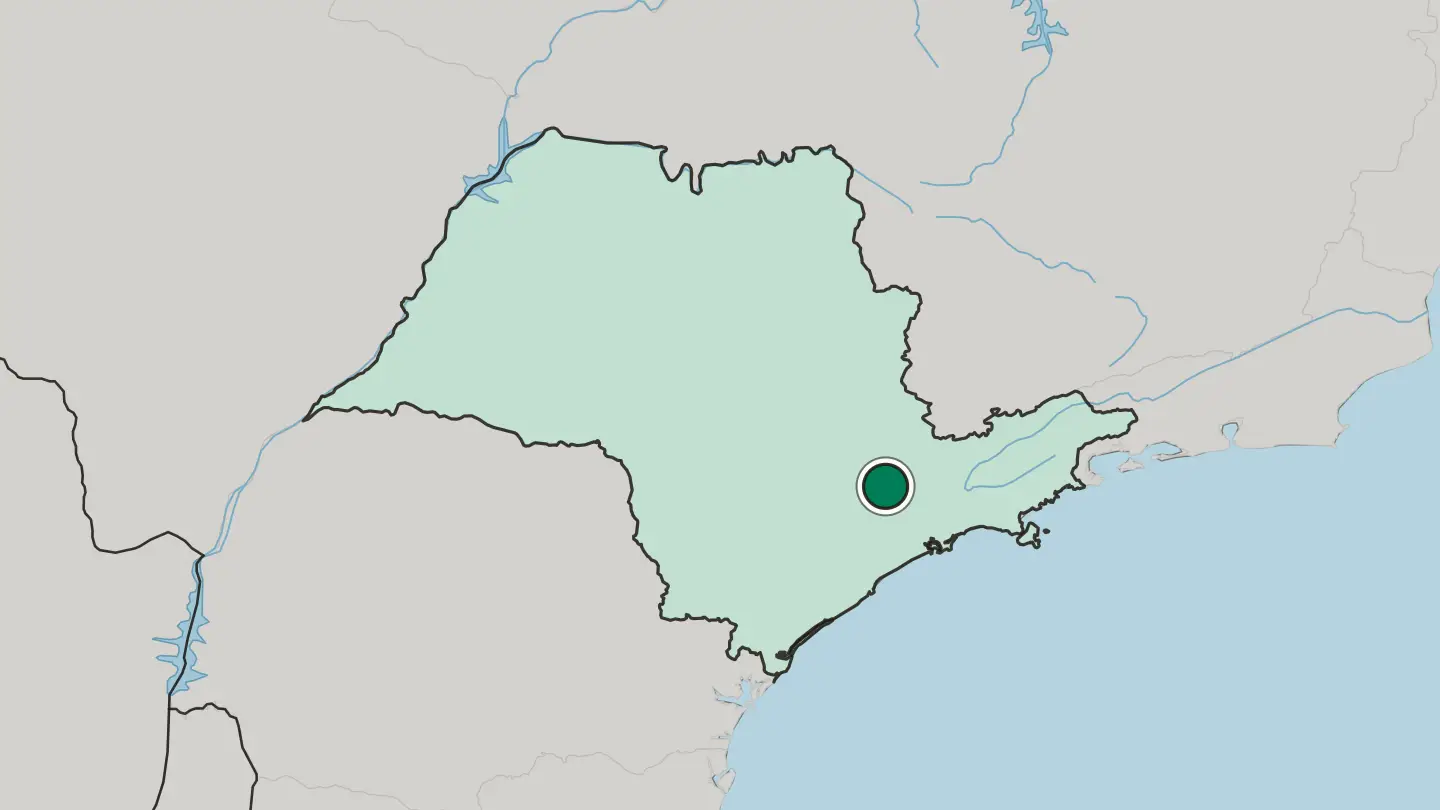
 Brazil
Ubatuba
Ubatuba spreads along the northern coast of São Paulo state, with more than 80 beaches set between Atlantic rainforest and the open sea.Where to stay →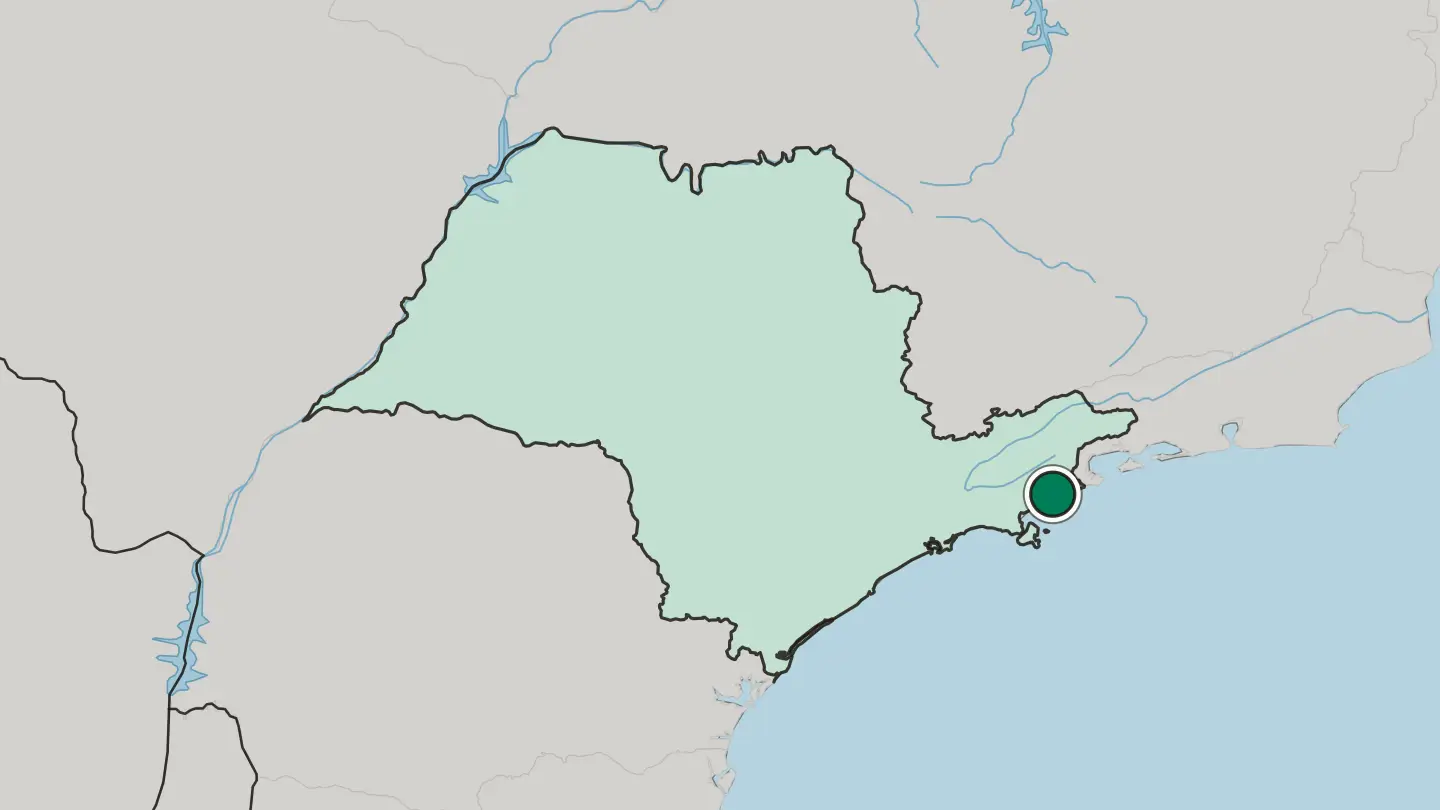
 Brazil
São Sebastião
São Sebastião is a coastal city on the North Coast of São Paulo, Brazil, holding a colonial centre and the surf beach at Maresias.Where to stay →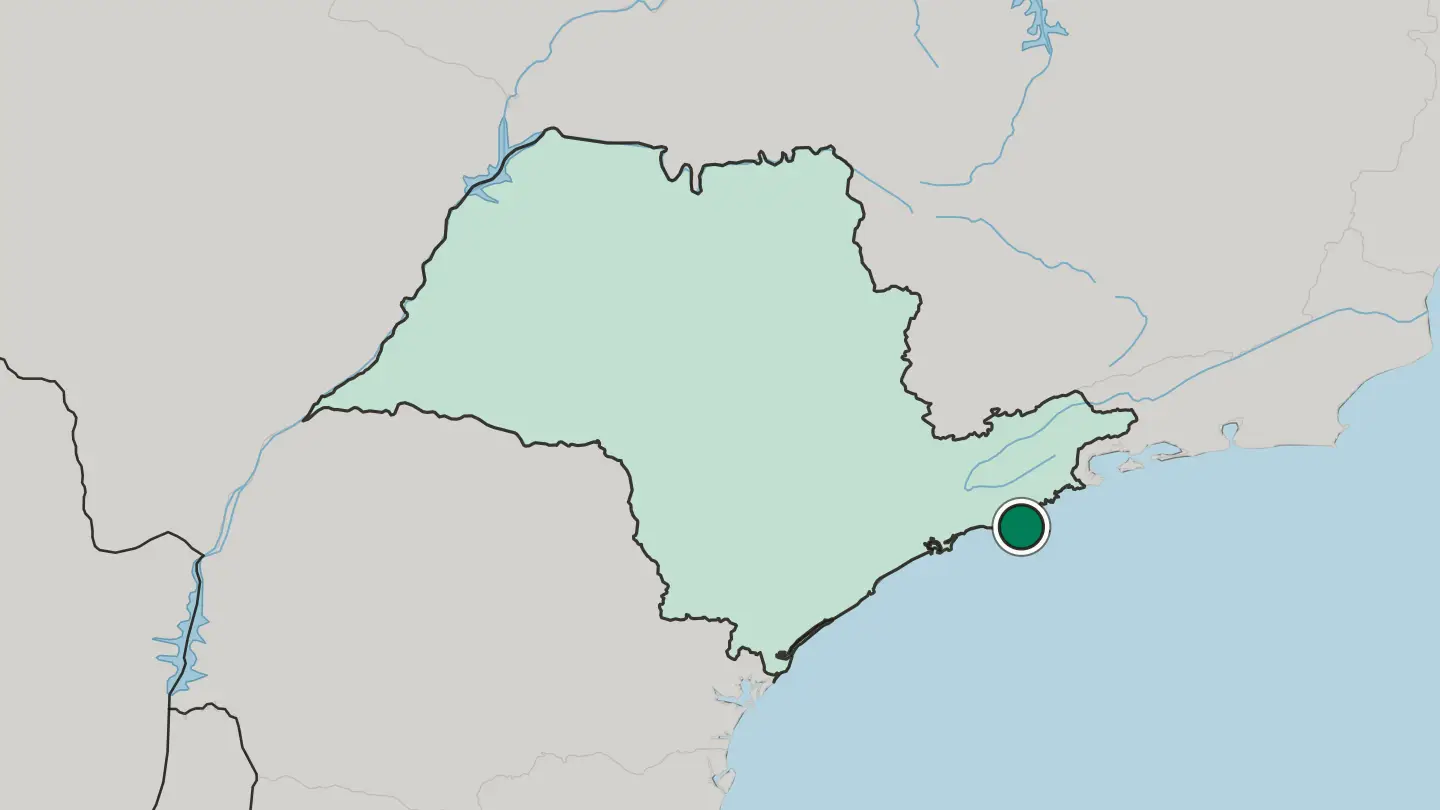
 Brazil
Bertioga
Bertioga is a seaside town on the São Paulo coast, its beaches backed by forest and held by the Forte de São João da Bertioga.Where to stay →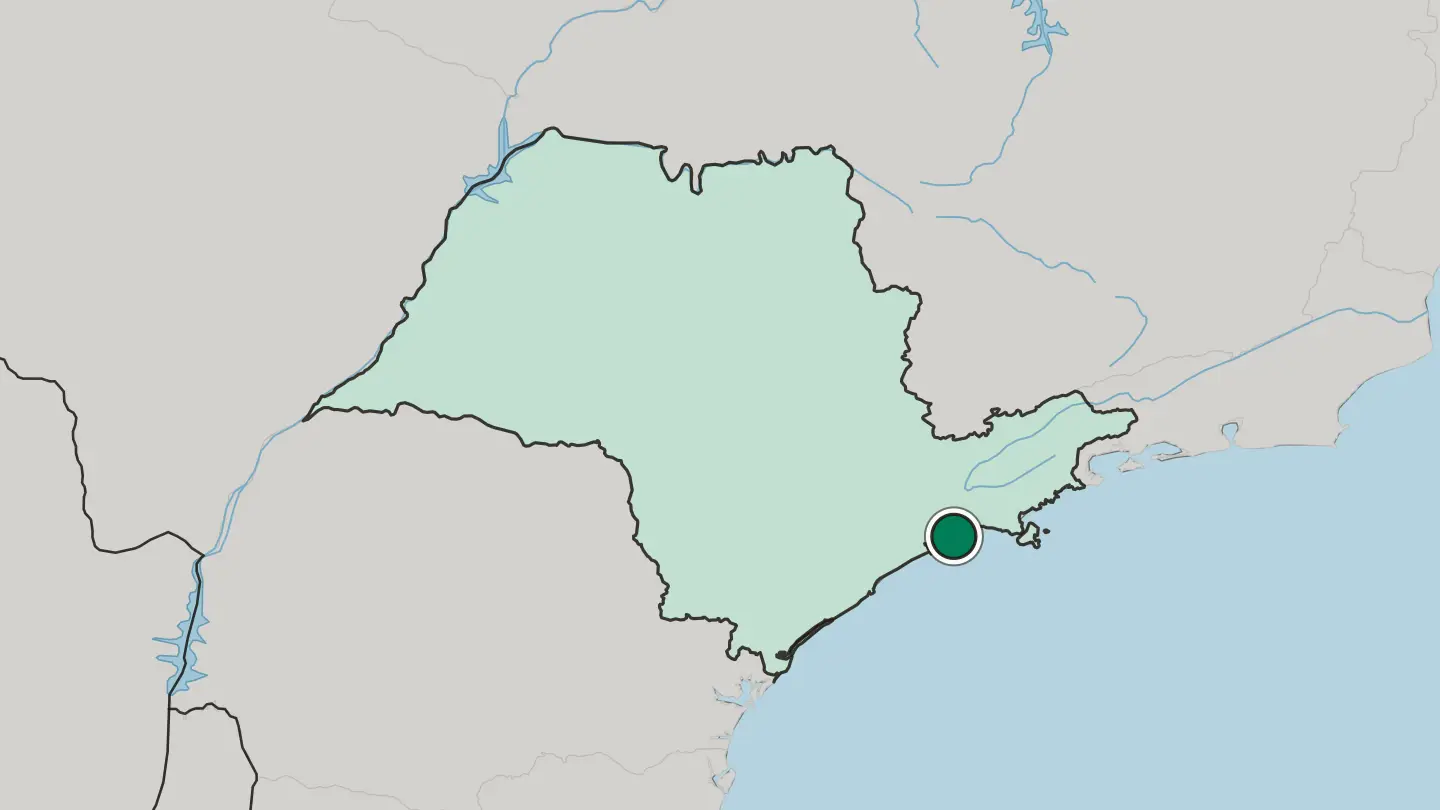
 Brazil
Campos do Jordão
Campos do Jordão is Brazil's highest city. It stands in the Serra da Mantiqueira, in the state of São Paulo, and dates its founding to 1874.Where to stay →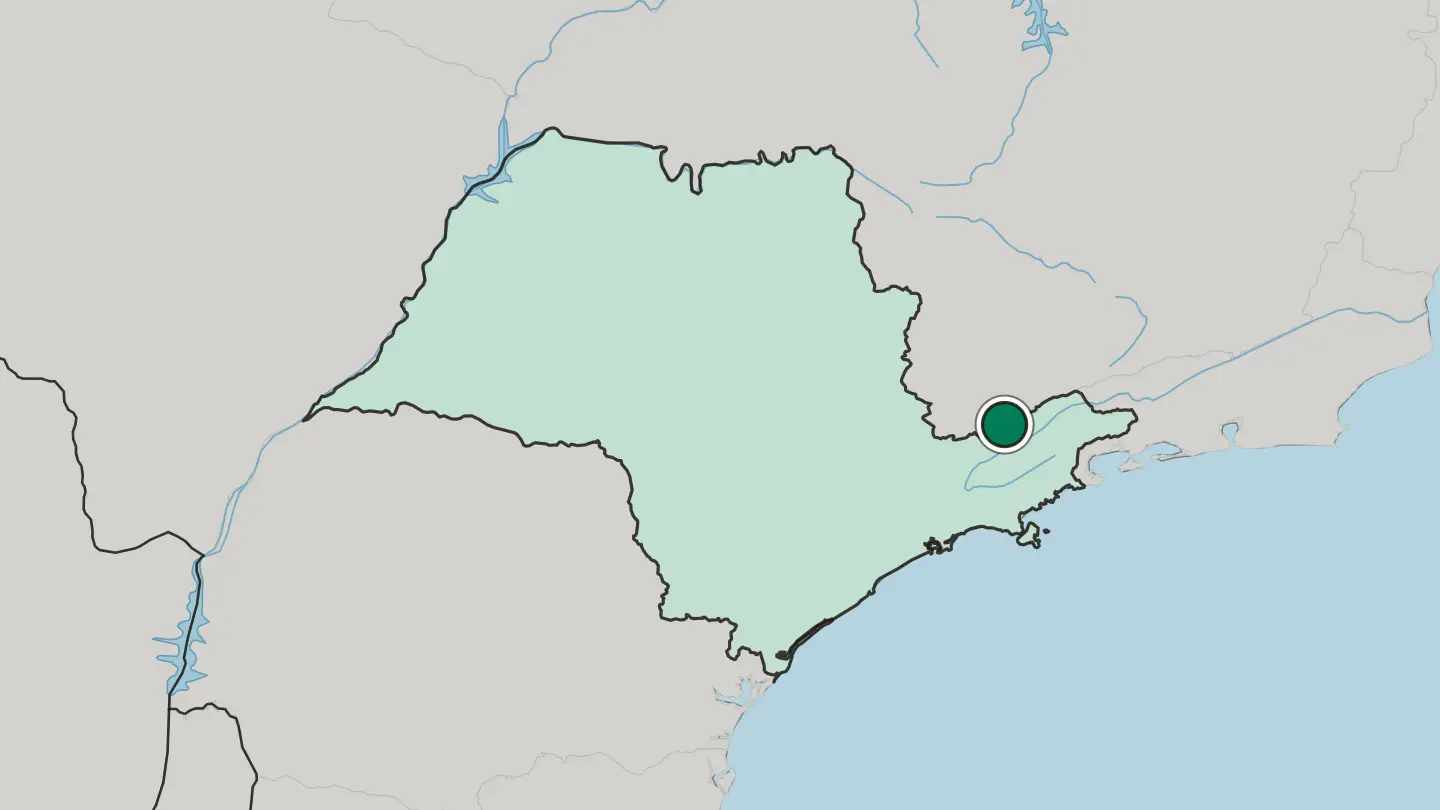
Hotel links are affiliate links: booking through them may earn us a commission, at no extra cost to you. It never affects how places are ranked. How this works
About São Paulo
What is São Paulo known for?
São Paulo is known as the home of its namesake capital, the largest city in Brazil. The state runs on that city. Its capital, the city of São Paulo, is a centre of commerce, finance, and culture, celebrated as a City of Film and a World Capital of Gastronomy, and its people, the paulistanos, live by the civic motto Non ducor, duco.
Around it, the state spreads across southeastern Brazil.
Where is São Paulo?
São Paulo is a large state in southeastern Brazil, holding the country's biggest city. Its scale is considerable. The state stretches across the interior of Brazil's southeast, well inside the continent rather than clinging to a single coast or river, broad enough to hold a great metropolis and a wide spread of country beyond it.
Farmland and towns fill the space between its cities. Distances here run long. At its centre stands the capital, the city of São Paulo, the largest city in Brazil and the anchor of the whole state.
The metropolis dominates the map, drawing roads and rail toward it from every direction across southeastern Brazil. Its territory reaches far beyond the capital into farmland and smaller cities. Around that core the state opens out.
Beyond the built-up capital lie the wider inland lands of the state, tropical and set back from the sea, part of the great southeastern block of Brazil. Little about the state escapes the pull of its capital. São Paulo is a state defined less by a single mountain or river than by its sheer size and the metropolis at its heart, the largest city in Brazil.
What is São Paulo like?
Culture in São Paulo is set by its capital, a metropolis of many worlds. The city of São Paulo draws an intense cultural life, celebrated as a World Capital of Gastronomy and a City of Film, thick with restaurants, galleries, and nightlife. Food is a large part of the city's fame.
The tempo is fast. Its people, the paulistanos, carry a working, striving spirit that the city wears with pride. Their civic motto is Non ducor, duco.
It means I am not led, I lead. Beyond the capital, the state takes its cultural cue from that metropolis. The capital sets the cultural pace for the whole state around it.
Portuguese is the everyday language, as across Brazil, and the paulistanos give São Paulo a fast, working character that reaches well past the city limits. Galleries, kitchens, and stages keep the city busy day and night. The mood is urban, not coastal.
Where beach life sets the tone in some Brazilian states, here it is commerce, gastronomy, arts, and nightlife that shape the culture, an intense city experience radiating out across southeastern Brazil.
What is the history of São Paulo?
São Paulo was established in its modern form as a state in 1889, taking its name from its capital city. The name came from the city. Its capital, the city of São Paulo, grew into the largest city in Brazil, and the state around it became one of the country's central pieces in southeastern Brazil.
The story here is the rise of a metropolis and the state that carries its name.
What is the climate of São Paulo?
São Paulo has a tropical climate, though its inland position in southeastern Brazil takes some of the edge off the heat. Warmth runs through the year. Rather than a cold season, the state moves between a wetter, warmer stretch and a cooler, drier one, milder than the low tropics nearer the equator.
The interior sets the pattern. Away from the sea, the state around São Paulo feels a more temperate version of Brazil's tropical climate.
How do you get to São Paulo?
Most journeys into São Paulo run through its capital, the busiest city in Brazil. The metropolis is the entry point. Flights and highways converge on the city of São Paulo from across Brazil and beyond, making it the main way into the state.
From the capital, roads fan out across southeastern Brazil to the rest of the state's towns and country.
Good for
More regions in Brazil
Updated September 2026