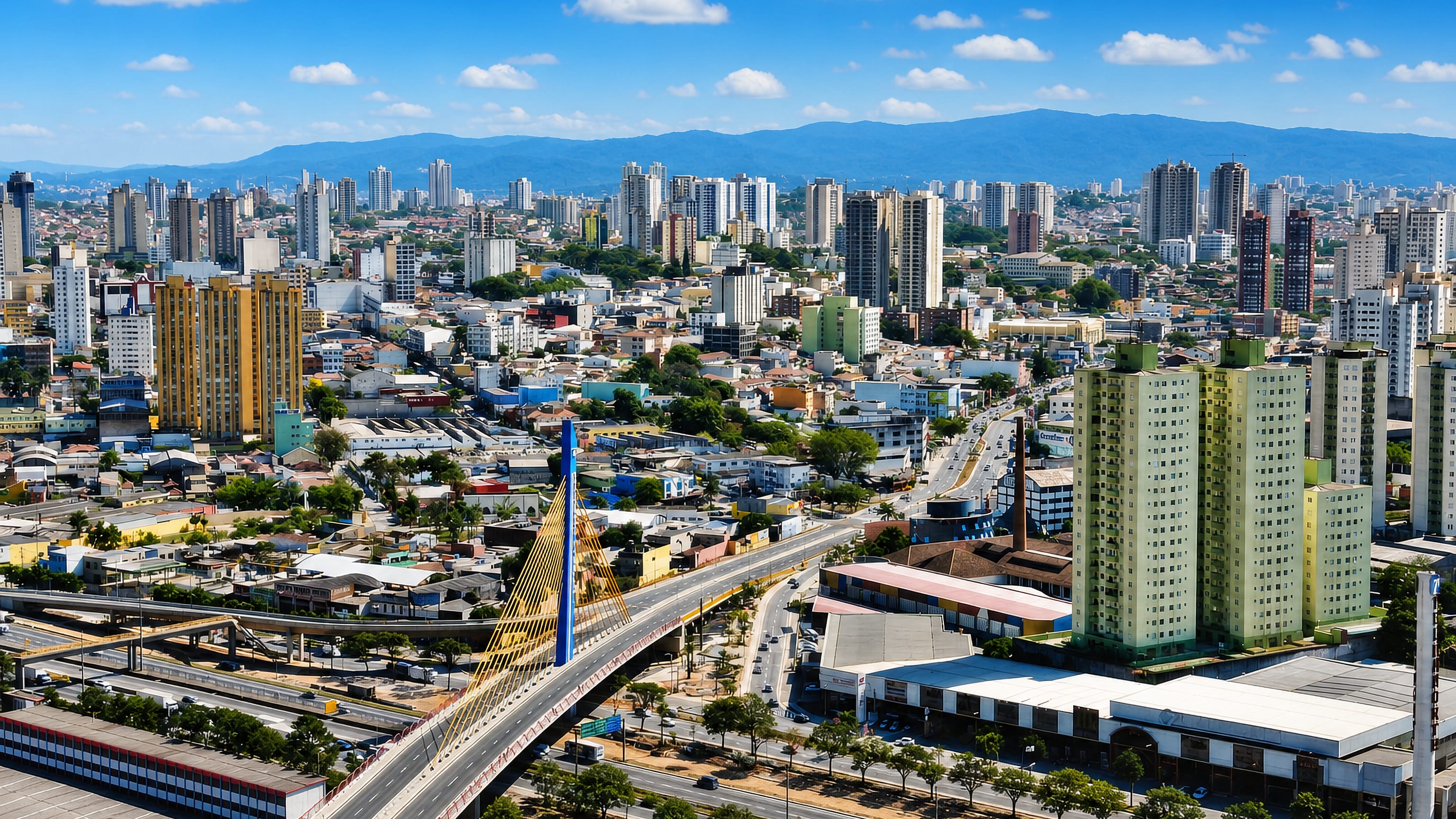
Brazil · São Paulo
Where to Stay in Guarulhos, São Paulo
Guarulhos is the airport city of the Metropolitan Region of São Paulo, a Brazilian municipality founded in 1560 beside the Tietê.
Hotel links are affiliate links: booking through them may earn us a commission, at no extra cost to you. It never affects how places are ranked. How this works


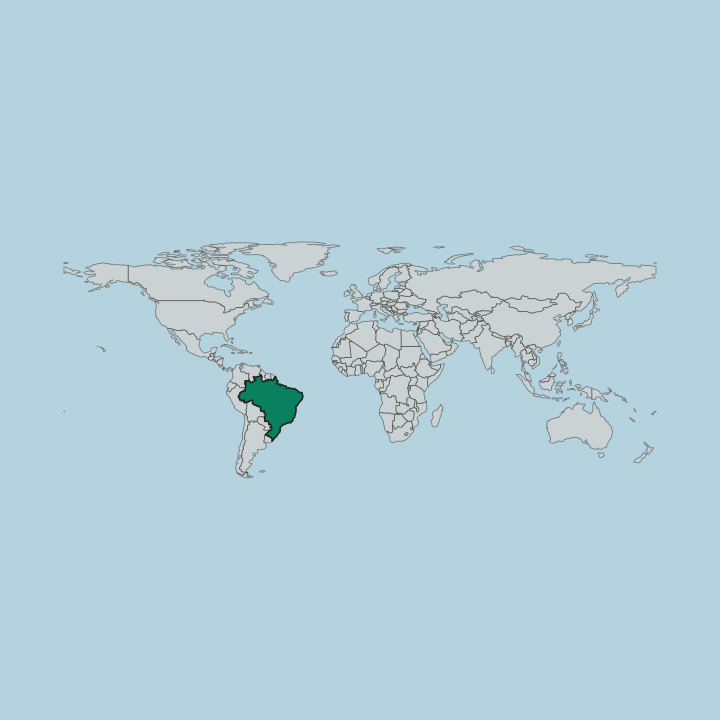
Where to stay in Guarulhos
Where visitors usually base themselves, and why.
Most beds here serve the runway. Rooms cluster near the terminals because the airport generates the demand, and their entire proposition is a short transfer and a bed before an early flight rather than any view of Guarulhos. That is a legitimate reason to stay.
Shuttles run at odd hours. Anyone with a connection to catch will find the airport hotels do exactly what they promise and nothing at all beyond it. The other Guarulhos has nothing to do with that.
Around the Catedral Nossa Senhora da Conceição the older municipality survives, and the Museu Histórico Municipal de Guarulhos, Casa Amarela and the José Maurício House belong to that same civic centre rather than to the airport strip. Sesc Guarulhos sits on that side too. Green space runs the other way, toward the Cabuçu gate of the Parque Estadual da Cantareira and the Ecological Park of Tietê, which suits you if a morning in forest matters more than a fast check-in. São Paulo is next door.
Its hotel districts are the default for anyone who is not tied to a flight. Distance is the only cost.
Few places to stay in Guarulhos — most visitors book in São Paulo nearby.
Find hotels in Guarulhos
Direct booking searches for these neighbourhoods.
The terminals
Hotels beside the international airport are built around shuttle times rather than around anything in Guarulhos itself.Find hotels in The terminalsSeeing the municipality that existed before the runwaysAround the Catedral Nossa Senhora da Conceição
The Museu Histórico Municipal de Guarulhos, Casa Amarela, the José Maurício House and Sesc Guarulhos belong to this older civic centre, not to the airport strip. Rooms are few around here — worth securing early.Find hotels in Around the Catedral Nossa Senhora da ConceiçãoMornings in the Parque Estadual da Cantareira before a late flightThe Cabuçu side
The Cabuçu gate of the Parque Estadual da Cantareira and the Ecological Park of Tietê are the protected green inside a mostly built-up municipality. Beds are limited here, so book early.Find hotels in The Cabuçu sideHotel links are affiliate links: booking through them may earn us a commission, at no extra cost to you. It never affects how places are ranked. How this works
Things to do in Guarulhos
Ranked by global recognition; descriptions from Wikidata (CC0).
Museums & Galleries
3- Ecological Park of Tietê
- Museu Histórico Municipal de Guarulhos
- Museu de Ciências Naturais
Churches & Religious Sites
3- Paróquia Nossa Senhora de Lourdes
- Catedral Nossa Senhora da Conceição
- IEAD - Parque das Nações - Madureira
Castles & Historic Sites
1- Dona Joaninha
Stadiums & Sports
1- Sesc Guarulhos
Landmarks & Notable Places
2- Casa Amarela Heritage
- José Maurício House
worth knowingacross 5 categories in Guarulhos
About Guarulhos
The airport comes first.
What is Guarulhos known for?
Guarulhos holds the international airport that handles most arrivals into São Paulo, and for a great many travellers the city is a terminal building and a taxi rank rather than a destination in its own right. That undersells it slightly. The Cabuçu section of the Parque Estadual da Cantareira puts protected forest inside the municipal boundary, and the Ecological Park of Tietê and the Zoológico Municipal de Guarulhos give the city its open space.
Second in the state after the capital.
What are the main landmarks in Guarulhos?
Museums, parks and one cathedral. The Catedral Nossa Senhora da Conceição and the Paróquia Nossa Senhora de Lourdes take the churches, while the Museu Histórico Municipal de Guarulhos, the Museu de Ciências Naturais and the Museu do Rio Tietê divide the collections between town history, natural science and the river. Casa Amarela and the José Maurício House are the old houses.
Dona Joaninha joins them. Outdoors it is the Ecological Park of Tietê, the Zoológico Municipal de Guarulhos and the Cabuçu side of the Parque Estadual da Cantareira, with Sesc Guarulhos covering the indoor programme.
What is the history of Guarulhos?
Guarulhos dates from 1560. That is an early date for the Metropolitan Region of São Paulo, and it means the municipality existed as a settlement for four centuries before the airport arrived to define it. The Tietê ran through it.
The Museu do Rio Tietê and the Ecological Park of Tietê both keep that river in the municipal record, which is more than most cities of this size manage for the water they grew beside. Old ground, later built over. The colonial layer survives in pieces.
Casa Amarela, the José Maurício House and Dona Joaninha are the domestic buildings the city kept, and the Catedral Nossa Senhora da Conceição carries the dedication its first parish was given. Then came the twentieth century. Growth turned a country municipality into the second city of São Paulo state, and the international airport gave it the role most travellers know, a place they pass through without seeing.
Even the honours went aeronautical: the name Marechal do Ar Alberto Santos Dumont belongs to that period rather than to the colonial one. Campinas is the nearest rival for size. The Museu Histórico Municipal de Guarulhos tells the rest.
Where is Guarulhos?
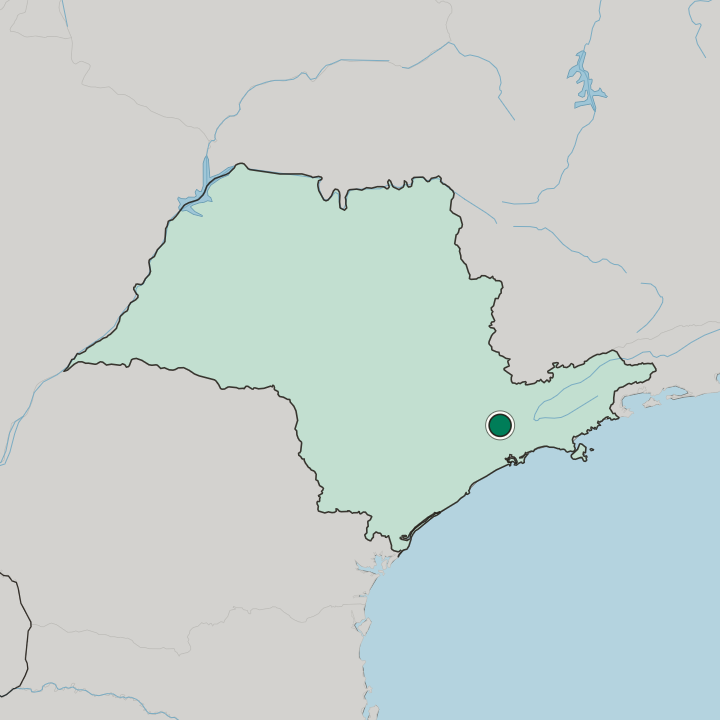
Three hundred and eighteen square kilometres, most of it built. Guarulhos runs from the Tietê lowland to the wooded ground at Cabuçu, where the Parque Estadual da Cantareira keeps part of its protected range inside the city limits, and between those edges the municipality is continuous urban ground shared with São Paulo. The boundary is invisible on the street.
Airport land takes a large share of it. Green survives at the edges.
What is the climate of Guarulhos?
The Cantareira does the weather. Guarulhos sits in the tropical band of the southern hemisphere, so the year divides into a warm wet half around January and a cooler drier half through the middle months rather than into four seasons of equal weight. High ground at Cabuçu holds cloud.
The Parque Estadual da Cantareira side of the city takes more rain than the built flats by the Tietê, and storms in the wet half tend to arrive after noon. Evenings cool off fast.
How do you get to Guarulhos?
Many arrivals to Brazil land here first. The international airport at Guarulhos handles the bulk of long-haul traffic bound for São Paulo, so a great many visitors touch down in this municipality before they ever see the capital. Ground transport covers the last stretch into São Paulo.
The Metropolitan Region of São Paulo runs continuous urban ground between the two, and buses, taxis and airport coaches all cover that distance at the mercy of the same traffic.
Common questions
What is the best area to stay in Guarulhos?
The terminals: A bed before an early departure and nothing else. Around the Catedral Nossa Senhora da Conceição: Seeing the municipality that existed before the runways. The Cabuçu side: Mornings in the Parque Estadual da Cantareira before a late flight. São Paulo instead: Anyone not tied to a departure time.
Good for
More cities in São Paulo
Updated October 2026