Brazil · São Paulo
Where to Stay in Campinas, São Paulo
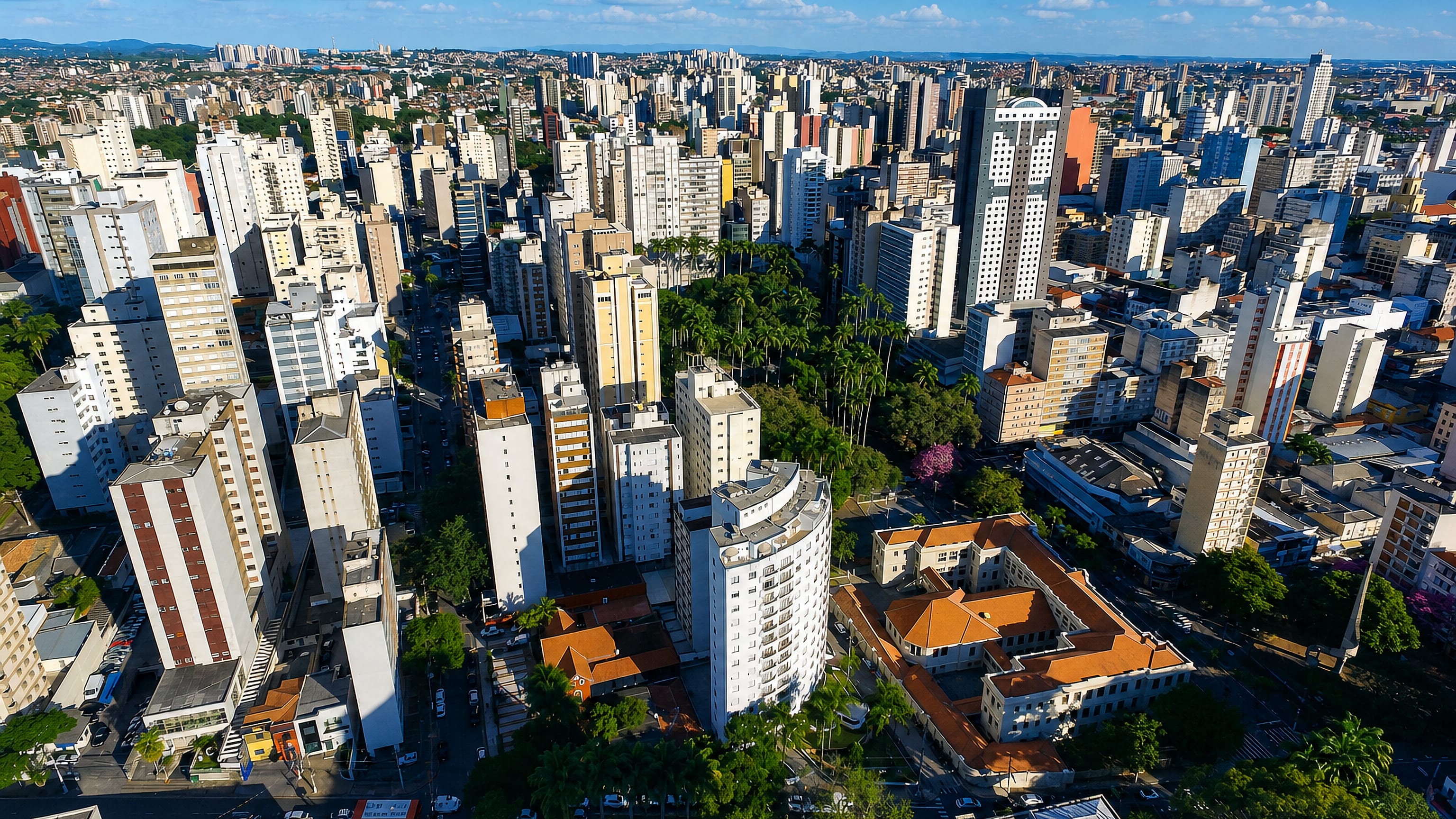
Campinas dates to 1774. The city stands northwest of São Paulo and heads Grande Campinas, the state's second metropolitan area.
Hotel links are affiliate links: booking through them may earn us a commission, at no extra cost to you. It never affects how places are ranked. How this works


Where to stay in Campinas
Where the beds are, and what that means for the visit.
The cathedral end of Campinas is the obvious first choice, since Our Lady of the Conception Cathedral, the Basilica of Our Lady of Carmel and Igreja São Benedito all stand within the old core. Green space sits alongside. Bosque dos Jequitibás gives the centre its park, and a room near it trades street noise for the slower side of the same district, with the Museu de História Natural among the collections in the city.
Rua Doutor Salles de Oliveira carries one of the surviving townhouses. Solar do Barão de Itapura belongs to the same layer of the city. The Museu da Sanasa - Torre do Castelo sits in the same museum list, alongside the Museu Dinâmico de Ciências de Campinas and the Museu da Imagem e do Som de Campinas.
UNICAMP pulls in another direction. The State University of Campinas draws its own traffic, and beds around a campus follow an academic calendar rather than a tourist one, which is worth knowing before booking a week. Grande Campinas spreads across twenty municipalities.
Anyone working across that area rather than visiting the centre may prefer a base on the São Paulo side, since the state capital lies southeast of the city. Portuguese is spoken throughout.
Find hotels in Campinas
Direct booking searches for these neighbourhoods.
Cathedral core
Campinas keeps its cathedral, the Basilica of Our Lady of Carmel and the older churches inside one walkable core, which is the shortest way to take them in.Find hotels in Cathedral coreEarly mornings in the Bosque dos JequitibásBosque dos Jequitibás
The park is central Campinas's one large stretch of shade, and rooms beside it stay quieter than those on the cathedral side.Find hotels in Bosque dos JequitibásStays built around the State University of CampinasAround UNICAMP
Beds near UNICAMP fill and empty with the academic calendar rather than with any visitor season.Find hotels in Around UNICAMPThe Sobrado à Rua Doutor Salles de Oliveira and the Solar do Barão de ItapuraRua Doutor Salles de Oliveira
Campinas kept its surviving townhouses on and around this street, which is where the older domestic architecture is still legible.Find hotels in Rua Doutor Salles de OliveiraHotel links are affiliate links: booking through them may earn us a commission, at no extra cost to you. It never affects how places are ranked. How this works
Things to do in Campinas
Ranked by global recognition; descriptions from Wikidata (CC0).
Museums & Galleries
3- Museu da Imagem e do Som de Campinas Heritage
- Museu de História Natural Heritage
- Museu de Arte Contemporânea de Campinas-José Pancetti Heritage
Churches & Religious Sites
5- Our Lady of the Conception Cathedral, Campinas Heritage
- Basilica of Our Lady of Carmel, Campinas Heritage
- Igreja São Benedito Heritage
- Capela de Nossa Senhora da Boa Morte Heritage
- Igreja Sagrado Coração de Jesus Heritage
Castles & Historic Sites
3- Monumento das Andorinhas Heritage
- Campinas Bicentennial Monument Heritage
- Statue of Bento Quirino, Campinas Heritage
Nature & Outdoors
1- Bosque dos Jequitibás Heritage
Landmarks & Notable Places
2- Solar do Barão de Itapura Heritage
- Sobrado à Rua Doutor Salles de Oliveira Heritage
worth knowingacross 5 categories in Campinas
About Campinas
What is Campinas known for?
Research gives Campinas its modern reputation, with the State University of Campinas, known as UNICAMP, and the Jardim Botânico do Instituto Agronômico both working in a city better known elsewhere for industry and services. Culture keeps pace. Museu Carlos Gomes, the Museu de Arte Contemporânea de Campinas-José Pancetti and the Pinacoteca do Centro de Ciências, Letras e Artes hold the collections.
Football has its own memorial. The Memorial do Guarani Futebol Clube and the Museu do Esporte José Roberto Piantoni record the sporting side.
What are the main landmarks in Campinas?
Churches lead the count. Our Lady of the Conception Cathedral, the Basilica of Our Lady of Carmel, Igreja São Benedito, Igreja Sagrado Coração de Jesus, Paróquia Nossa Senhora das Dores and the Capela de Nossa Senhora da Boa Morte are all recorded. Monuments mark people and dates.
The Statue of Bento Quirino, the Monumento das Andorinhas and the Campinas Bicentennial Monument stand among them, while Bosque dos Jequitibás is the green counterweight.
What is the history of Campinas?
The founding year is 1774. A bicentennial monument in the city marks the count from it, and the Campinas Bicentennial Monument is one of the few dated things the record offers about the town's own past. Names survive better than dates here.
Museu Campos Sales and Museu Carlos Gomes both carry people the city chose to keep, and the Statue of Bento Quirino adds a third to the list. Titles appear in the architecture. Solar do Barão de Itapura and the Sobrado à Rua Doutor Salles de Oliveira are the surviving houses of that layer, with the Capela de Nossa Senhora da Boa Morte kept in the same record.
Then came research and industry. Campinas turned into a centre of industry, services and research, and the State University of Campinas, the Jardim Botânico do Instituto Agronômico and the Museu Dinâmico de Ciências de Campinas all belong to that turn. The city outgrew its limits.
Grande Campinas took shape around it as a metropolitan area of twenty municipalities, second in São Paulo state only to Grande São Paulo, with the state capital lying southeast. Institutions followed. The Espaço Cultural do TRT da 15ª Região and the Museu da Sanasa - Torre do Castelo both attach to bodies that arrived with the larger city.
Where is Campinas?
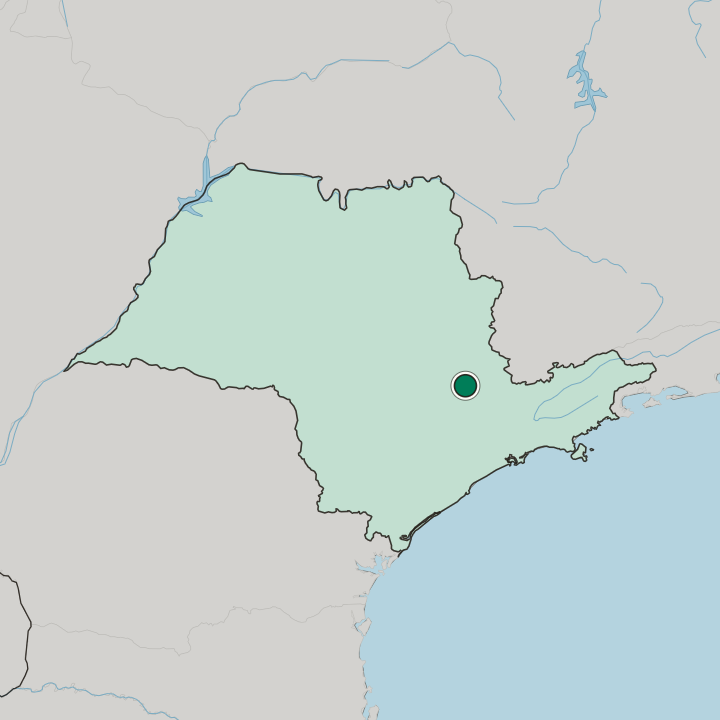
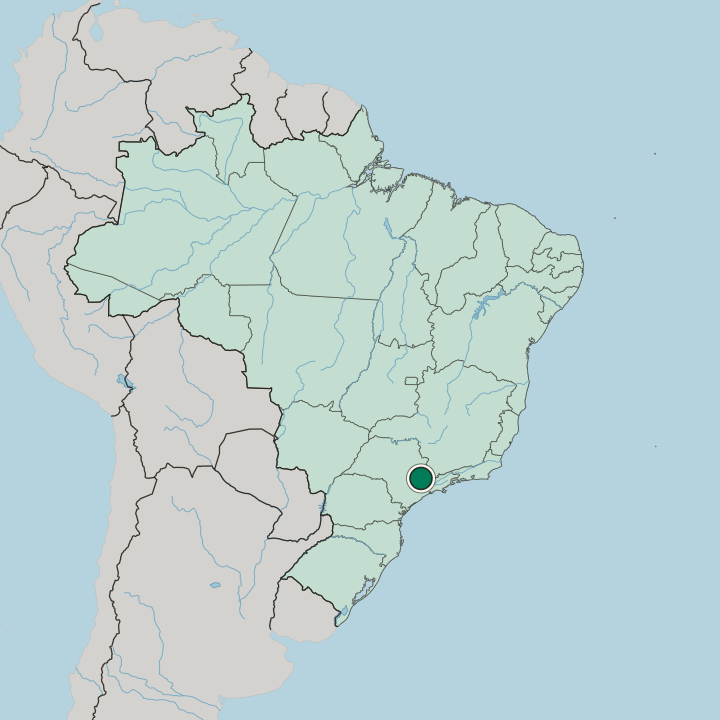
Campinas is an interior city, not a coastal one. The city stands northwest of São Paulo in the tropical band of the southern hemisphere, on ground that carries no coast and no major river in the record. Distance is the useful measure.
The state capital lies 84 kilometres southeast, and the twenty municipalities of Grande Campinas fill the ground around the core. Bosque dos Jequitibás holds the green inside the built centre.
What is the climate of Campinas?
Inland air sets the pattern. Campinas sits away from the coast in the tropical band, so no sea moderates it, and the seasons run against the northern calendar with the warmest months around the turn of the year. Shade matters more than shelter here.
Bosque dos Jequitibás and the Jardim Botânico do Instituto Agronômico are the two large planted spaces the record names, and both are better in the early hours than at midday. The record fixes no wet season.
How do you get to Campinas?
No road or line is named. The record puts Campinas 84 kilometres northwest of São Paulo, which makes the state capital the practical reference point for any approach, whether the last leg is driven or run by coach. Grande Campinas complicates the last mile.
Twenty municipalities share the metropolitan area, so an address in it can sit a long way from the cathedral core even when it carries the city's name. Check the exact municipality when booking.
Common questions
What is the best area to stay in Campinas?
Cathedral core: Our Lady of the Conception Cathedral and Igreja São Benedito on foot. Bosque dos Jequitibás: Early mornings in the Bosque dos Jequitibás. Around UNICAMP: Stays built around the State University of Campinas. Rua Doutor Salles de Oliveira: The Sobrado à Rua Doutor Salles de Oliveira and the Solar do Barão de Itapura.
Good for
More cities in São Paulo
Updated October 2026