Brazil · São Paulo
Where to Stay in Sorocaba, São Paulo
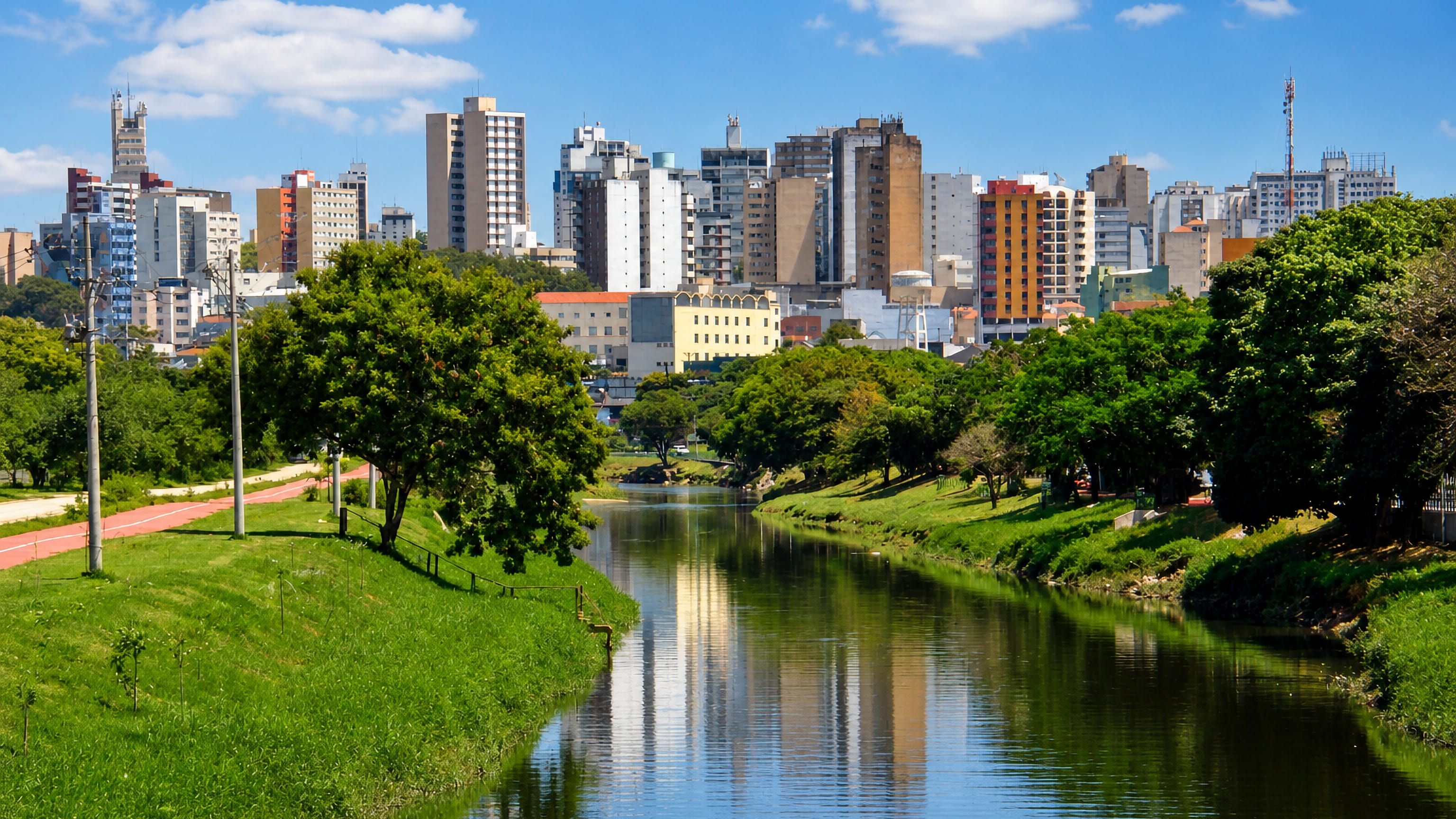
Sorocaba is an interior city of São Paulo state, an old railway town where Mosteiro São Bento faces a well-kept downtown. Cyclists own the streets.
Hotel links are affiliate links: booking through them may earn us a commission, at no extra cost to you. It never affects how places are ranked. How this works


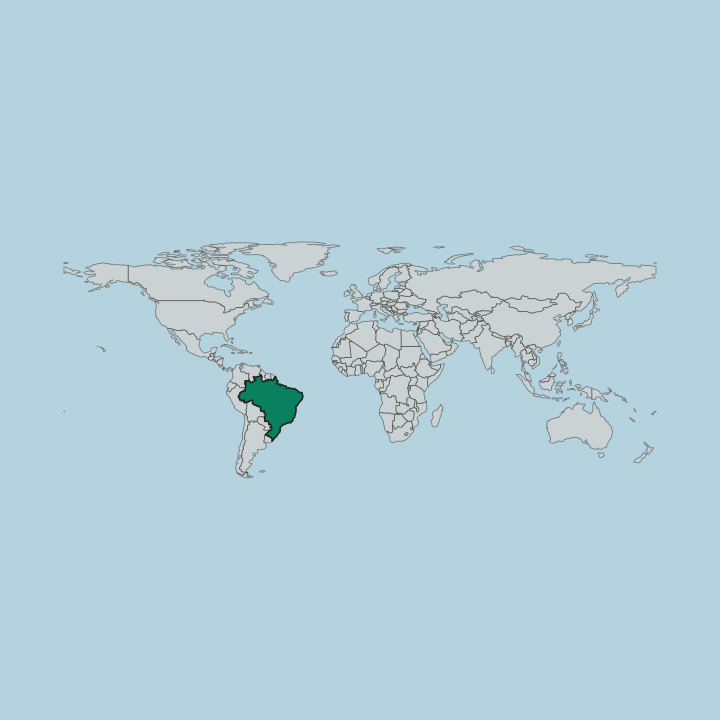
Where to stay in Sorocaba
How the choice of base plays out on the ground.
The choice in Sorocaba runs between the well-kept downtown and the railway side. Around Mosteiro São Bento and the Igreja de Santa Rita the streets stay compact, and a room in that quarter puts the Museu Histórico Sorocabano, the Casa de Aluísio de Almeida, and the everyday shops within an easy walk. Downtown is small enough to cross.
Anyone here for the churches and the municipal collections does best on those blocks, where the cycle lanes that gave the city its reputation begin at the door. Out by the old Sorocabana yards the two railway museums set the tone, and beds there sit nearer the roads that carry traffic toward Campinas and Greater São Paulo. Rooms run larger away from the middle.
A third option suits families with a car: the ground around the Municipal Zoological Park Quinzinho de Barros is greener and longer on parking, with the Mirante Ondina lookout and the Igreja do Bom Jesus do Bonfim das Águas Vermelhas reachable on one short drive. Rates ease as you leave the core. Sorocaba spreads across roughly 450 square kilometres, so the practical question is less which district is best than how far you are willing to drive between the museums, the zoo park, and the churches each morning.
Find hotels in Sorocaba
Direct booking searches for these neighbourhoods.
Downtown around Mosteiro São Bento
Mosteiro São Bento, Igreja de Santa Rita and the Casa de Aluísio de Almeida sit inside one compact grid.Find hotels in Downtown around Mosteiro São BentoRail travellers pairing both Sorocabana museums with the Campinas roadThe Sorocabana railway side
The old Sorocabana yards put the Museu Ferroviário de Sorocaba and its sister collection at the door.Find hotels in The Sorocabana railway sideFamilies driving between the zoo park and Mirante OndinaBy the Quinzinho de Barros zoo park
The Municipal Zoological Park Quinzinho de Barros anchors a greener stretch with room to park.Find hotels in By the Quinzinho de Barros zoo parkHotel links are affiliate links: booking through them may earn us a commission, at no extra cost to you. It never affects how places are ranked. How this works
Things to do in Sorocaba
Ranked by global recognition; descriptions from Wikidata (CC0).
Museums & Galleries
3- Museu Ferroviário de Sorocaba Heritage
- Casa de Aluísio de Almeida Heritage
- Museu Histórico Sorocabano Heritage
Churches & Religious Sites
3- Igreja do Bom Jesus do Bonfim das Águas Vermelhas Heritage
- Mosteiro São Bento Heritage
- Igreja de Santa Rita Heritage
worth knowingacross 2 categories in Sorocaba
About Sorocaba
What is Sorocaba known for?
Railways made Sorocaba's name. The Museu da Estrada de Ferro Sorocabana and the Museu Ferroviário de Sorocaba between them keep the locomotives, workshop equipment, and paperwork of the line that gave the city its industrial spine. Cycle lanes thread everything.
Away from the tracks, the Municipal Zoological Park Quinzinho de Barros draws the families, while the Museu Histórico Sorocabano holds the municipal record.
What are the main landmarks in Sorocaba?
Mosteiro São Bento holds the oldest thread. Igreja de Santa Rita and the Igreja do Bom Jesus do Bonfim das Águas Vermelhas carry that devotional line out through the surrounding streets, while the Mirante Ondina gives the city its one deliberate lookout. Two museums split the railway.
Between them the Museu Ferroviário de Sorocaba and the Museu da Estrada de Ferro Sorocabana keep the Sorocabana locomotives and plans, and the Casa de Aluísio de Almeida completes the set.
What is the history of Sorocaba?
Sorocaba was founded in 1654. The town took shape in the interior of São Paulo state long before industry reached it, and Mosteiro São Bento, Igreja de Santa Rita, and the Igreja do Bom Jesus do Bonfim das Águas Vermelhas mark the religious foundations that anchored those first centuries. The old core survives well.
Its downtown grid still traces the early streets, and the Casa de Aluísio de Almeida together with the Museu Histórico Sorocabano now holds what remains of the period, from household objects to the municipal record itself. Two museums mark what came after. The Museu da Estrada de Ferro Sorocabana and the Museu Ferroviário de Sorocaba preserve the locomotives, workshop gear, and documents of the Sorocabana railway, the enterprise that turned an inland farming town into a manufacturing one.
Industry followed the line. Sorocaba grew into the second-largest city of São Paulo state outside Greater São Paulo, behind Campinas alone, and it heads the Metropolitan Region of Sorocaba, a grouping of 27 municipalities across the surrounding interior. Rails, churches, and the museums that came from both now carry the whole of that story between the downtown grid and the old Sorocabana yards.
Where is Sorocaba?
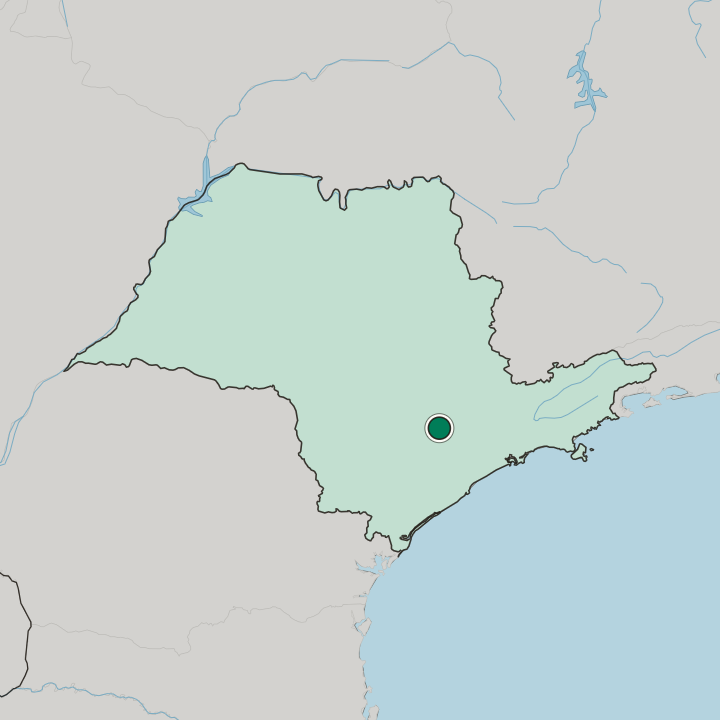
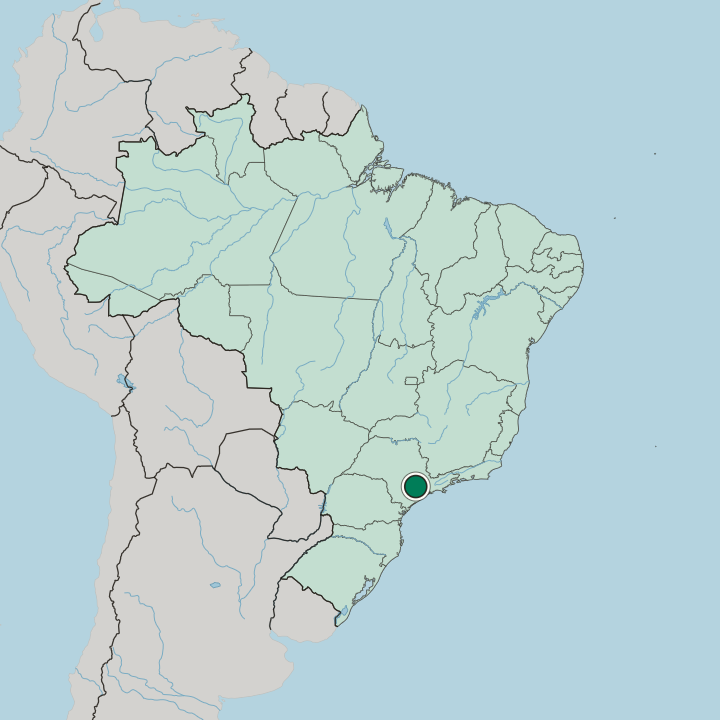
Sorocaba covers roughly 450 square kilometres of the interior of São Paulo state. The municipality sits inland and apart from Greater São Paulo, and its built-up ground spreads widely enough that cycle routes rather than one dense core shape how people cross it. Campinas lies in the same belt.
Around it the neighbouring towns of the Metropolitan Region of Sorocaba fill the country, and the Mirante Ondina gives the clearest read of that terrain.
What is the climate of Sorocaba?
Seasons here run against the northern calendar. Sorocaba lies in the subtropical band south of the equator, so the warmest weeks fall around January while July sits in the cooler half of the year. Being a long way inland does it.
Without a coast to steady it, the interior of São Paulo state swings further between afternoon heat and night cool than the shoreline does, which keeps the Municipal Zoological Park Quinzinho de Barros and the cycle lanes in use across most months.
How do you get to Sorocaba?
Almost every visitor arrives by highway. Road links toward Greater São Paulo and Campinas frame how travellers reach the interior of São Paulo state, and the towns of the Metropolitan Region of Sorocaba feed the same routes into the city. The old Sorocabana line survives as museum holdings.
Its locomotives sit in the Museu Ferroviário de Sorocaba and the Museu da Estrada de Ferro Sorocabana, while inside Sorocaba an unusually complete cycle network takes short trips that would need a car elsewhere.
Common questions
What is the best area to stay in Sorocaba?
Downtown around Mosteiro São Bento: Walkers keeping the Sorocabano museum and Santa Rita on foot. The Sorocabana railway side: Rail travellers pairing both Sorocabana museums with the Campinas road. By the Quinzinho de Barros zoo park: Families driving between the zoo park and Mirante Ondina.
Good for
More cities in São Paulo
Updated October 2026