Brazil · São Paulo
Where to Stay in São José do Rio Preto, São Paulo
São José do Rio Preto keeps two museums of untrained painting, a railway collection and an 1852 foundation in São Paulo state. Art is the claim.
Hotel links are affiliate links: booking through them may earn us a commission, at no extra cost to you. It never affects how places are ranked. How this works


Where to stay in São José do Rio Preto
The practical side of choosing where to sleep.
Base yourself by the collections. The central quarter carries the Museu de Arte Naïf and the Museu Histórico e Pedagógico Dom João VI within a walk of one another, which is the whole argument for staying there rather than beside a road, and it puts the ordinary shops and evening business on the same short circuit. Beds fill fastest in that quarter.
Anyone whose trip is built on painting should book it and stop thinking about the rest. The railway ground gives the second option. Rooms near the Museu Ferroviário de São José do Rio Preto sit closer to the through routes, they are easier to leave early, and they still leave the Museu de Arte Primitivista José Antônio da Silva a short drive away rather than an expedition.
A third choice suits families. The Centro Integrado de Ciência e Cultura anchors the science end of the city, and a bed on that side turns a morning of exhibits into a walk instead of a queue for parking. Space costs less out there.
Across 432 square kilometres of São Paulo state the municipality has room to spread, so the real decision is which of the three museums you want to reach without starting the car.
Find hotels in São José do Rio Preto
Direct booking searches for these neighbourhoods.
The Naïf museum quarter
The Museu de Arte Naïf and the Dom João VI collection share one central walk.Find hotels in The Naïf museum quarterEarly departures pairing the Rio Preto rail museum with the roadThe railway museum ground
The Museu Ferroviário de São José do Rio Preto sits on the old railway ground by the through routes.Find hotels in The railway museum groundFamilies whose mornings run on the Ciência e Cultura exhibitsThe Centro Integrado side
The Centro Integrado de Ciência e Cultura anchors the science end of the municipality.Find hotels in The Centro Integrado sideHotel links are affiliate links: booking through them may earn us a commission, at no extra cost to you. It never affects how places are ranked. How this works
About São José do Rio Preto
Two collections of self-taught painting sit here.
What is São José do Rio Preto known for?
The Museu de Arte Naïf and the Museu de Arte Primitivista José Antônio da Silva both hold work made outside the academies, an unusual pairing for a single municipality and the reason many art visitors make the trip at all. Science shares the bill. The Centro Integrado de Ciência e Cultura runs that side of the programme, and the Museu Ferroviário de São José do Rio Preto keeps the rolling stock.
What are the main landmarks in São José do Rio Preto?
Painting comes first here. The Museu de Arte Naïf gathers naïf work and the Museu de Arte Primitivista José Antônio da Silva carries the name of the painter whose primitivist canvases gave the municipality its reputation among collectors. Two others answer them.
The Museu Histórico e Pedagógico Dom João VI holds the municipal record under a royal name, the Centro Integrado de Ciência e Cultura takes the scientific side, and the Museu Ferroviário de São José do Rio Preto keeps the locomotives.
What is the history of São José do Rio Preto?
The foundation is dated to 1852. What grew from it spread across 432 square kilometres of São Paulo state, and the shape of that growth is legible in the institutions the municipality chose to keep rather than in any surviving colonial fabric, since almost nothing here predates the nineteenth century. The Museu Histórico e Pedagógico Dom João VI holds that account.
Its name reaches back to a Portuguese sovereign, though the material it keeps belongs to the town itself. Rails did the next part of the work. The Museu Ferroviário de São José do Rio Preto exists because the line mattered enough to be remembered when it stopped carrying passengers, and its locomotives stand for the decades when track rather than road tied this part of São Paulo state together.
Art came later and stayed. The Museu de Arte Primitivista José Antônio da Silva honours a painter working outside the academies, the Museu de Arte Naïf extends the same argument to naïf work in general, and between them they turned a municipality with no colonial monuments into a place collectors have reason to visit. The Centro Integrado de Ciência e Cultura completes the set.
Where is São José do Rio Preto?
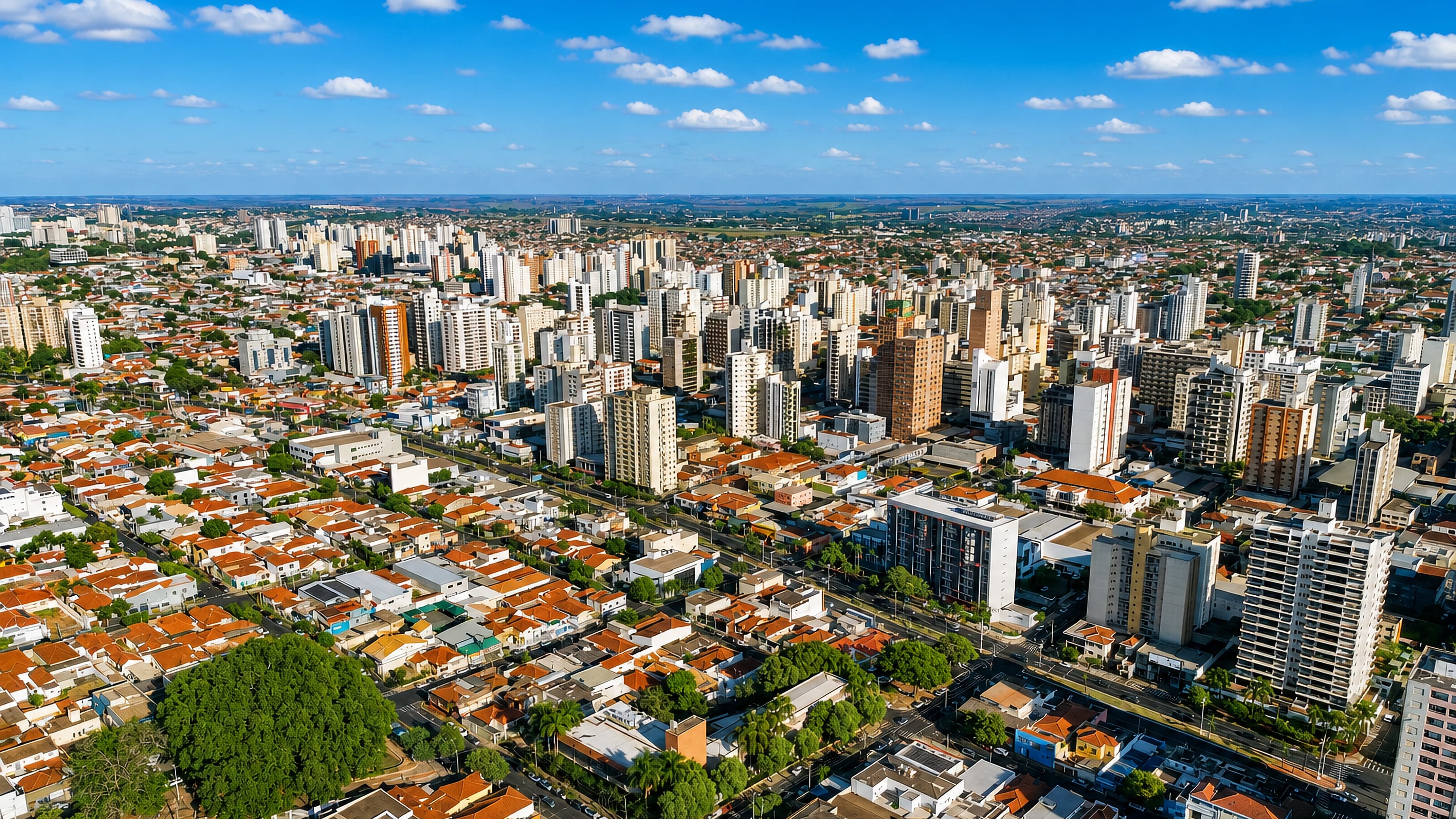
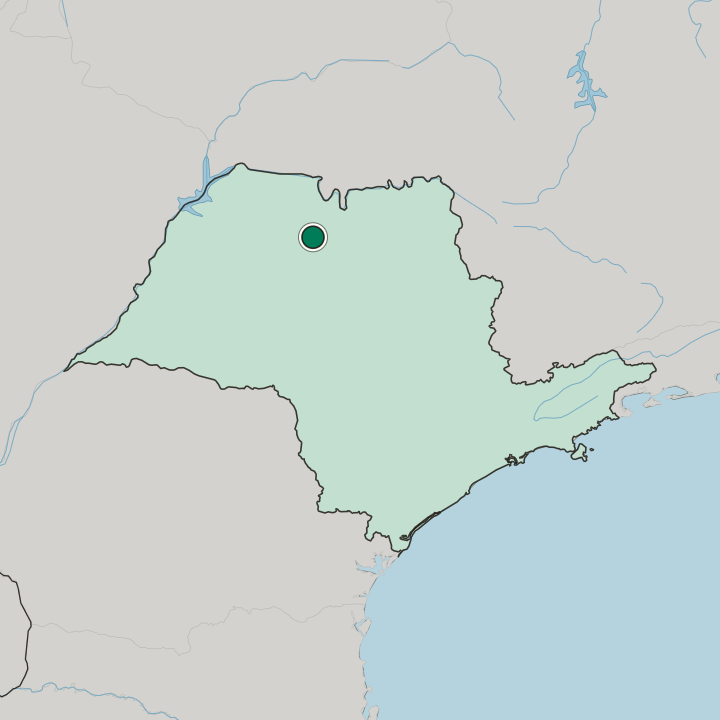
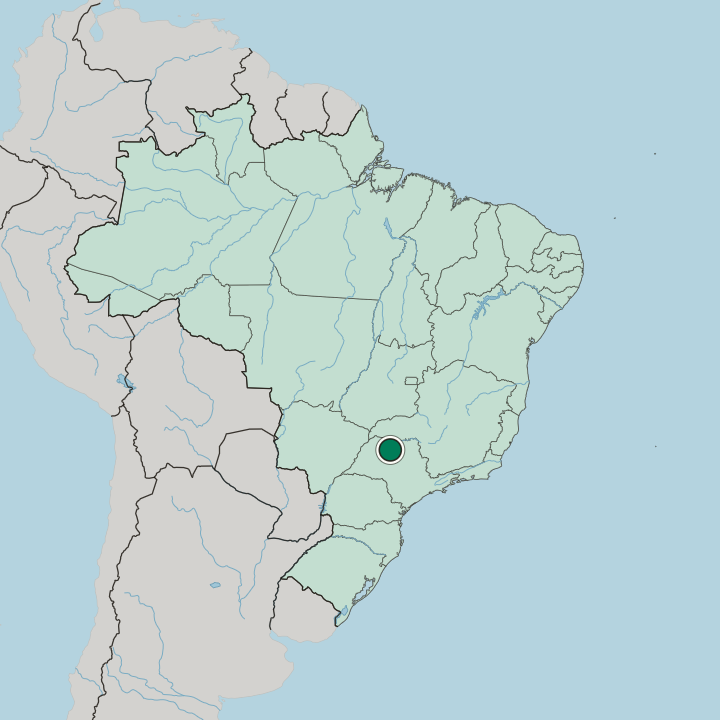
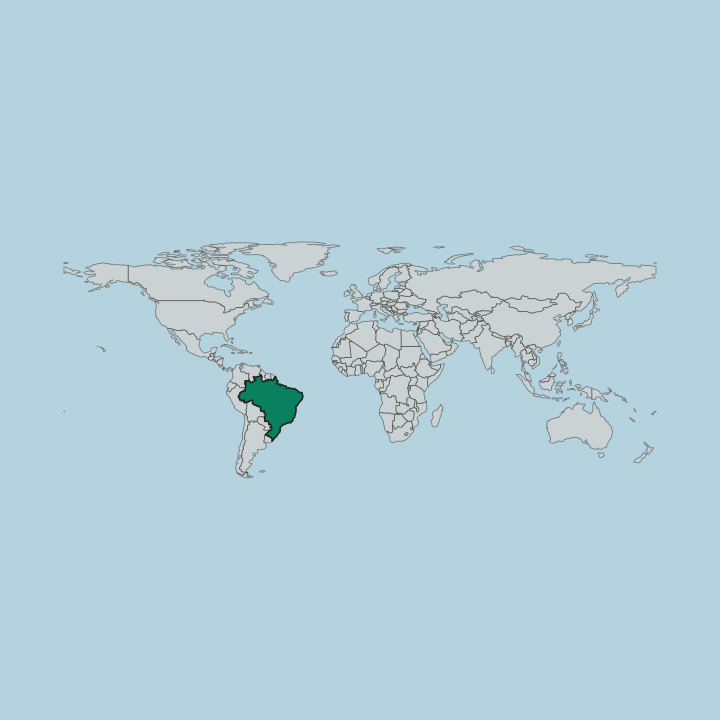
São José do Rio Preto holds 432 square kilometres of São Paulo state. Farmland takes most of it. The urban part sits well inside those boundaries, compact enough that the Museu de Arte Naïf, the Museu Histórico e Pedagógico Dom João VI and the Centro Integrado de Ciência e Cultura fall within the same set of streets, while the rest of the municipal territory stays open country beyond the last built edge.
What is the climate of São José do Rio Preto?
The warmth barely lets up. Sitting in the tropical band of the southern hemisphere, São José do Rio Preto divides its year into a wet stretch and a dry one instead of into warm and cold months, with the heaviest air arriving as the southern summer peaks around January. Afternoons ask for shade.
The Museu de Arte Naïf and the Centro Integrado de Ciência e Cultura absorb those hours easily, and the dry half of the year is when walking between them stops being a calculation.
How do you get to São José do Rio Preto?
The road brings almost everyone. São José do Rio Preto is reached across the farmland of São Paulo state, a run that ends at the built-up edge with no gradual thickening of settlement to announce it, and drivers are the usual arrivals. Track once did that job.
Its remains are kept in the Museu Ferroviário de São José do Rio Preto, and once inside the city the museums cluster tightly enough that the car can be left where it stops.
Common questions
What is the best area to stay in São José do Rio Preto?
The Naïf museum quarter: Art stays keeping the Naïf and Dom João VI rooms on foot. The railway museum ground: Early departures pairing the Rio Preto rail museum with the road. The Centro Integrado side: Families whose mornings run on the Ciência e Cultura exhibits.
Good for
More cities in São Paulo
Updated September 2026