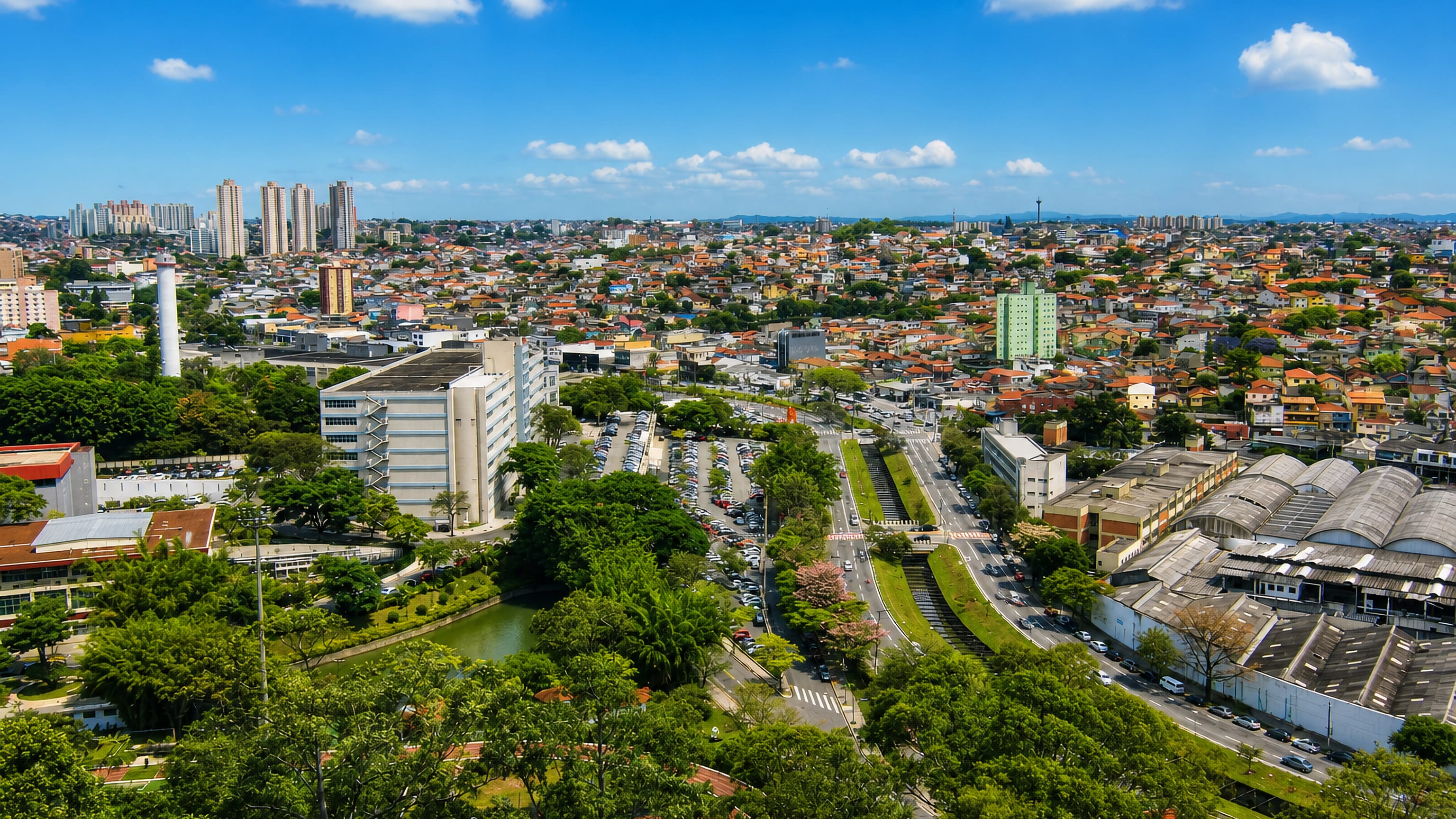
Brazil · São Paulo
Where to Stay in Osasco, São Paulo
Osasco was a district of São Paulo until 1962 and took the motto Urbs labor: a dense industrial municipality inside Greater São Paulo.
Hotel links are affiliate links: booking through them may earn us a commission, at no extra cost to you. It never affects how places are ranked. How this works


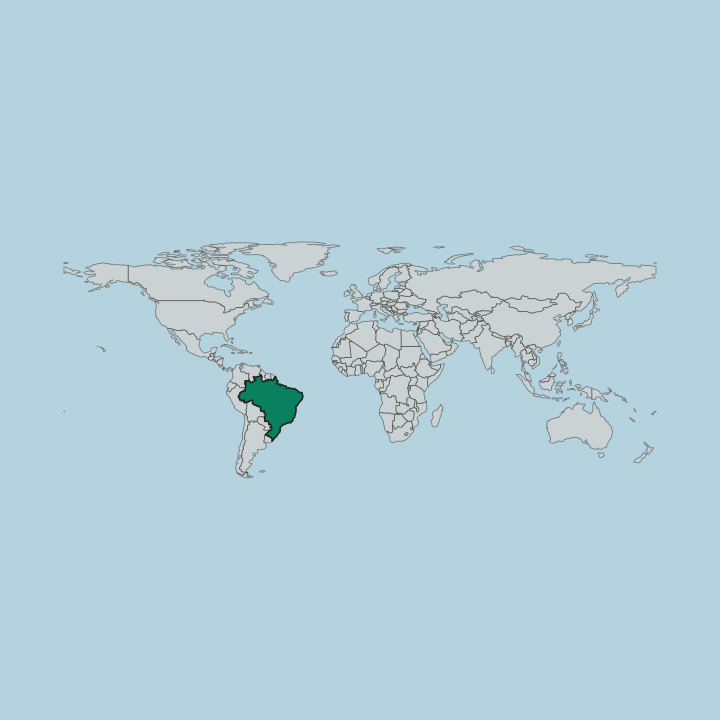
Where to stay in Osasco
The practical side of choosing where to sleep.
The reason to sleep in Osasco is usually business rather than the Instituto Butantan or Villa-Lobos State Park, and the municipality makes no secret of having little laid on for casual sightseeing. That is the honest version. A business district stay puts the working city on the doorstep, which suits anyone here for a meeting rather than a museum.
Urbs labor is not decoration. Casa da Fazenda do Morumbi and the Fundação Maria Luisa e Oscar Americano make the case for a longer stay than a single night. The other option is to treat Osasco as a base for the conurbation, since the built-up area runs into São Paulo without a break and the Instituto Tomie Ohtake, SESC Pompéia and the Museu da Pessoa all lie within it.
Traffic is the tax on that plan. Sixty-five square kilometres of dense municipality make short distances slow, and a stay chosen for the road out will spend its mornings in it. Greater São Paulo rewards patience.
The Bandeirantes Palace and the Museu Brasileiro de Rádio e Televisão are the sort of stop a spare afternoon can absorb.
Find hotels in Osasco
Direct booking searches for these neighbourhoods.
The business district of Osasco
Osasco left the city of São Paulo in 1962 and works as an industrial and commercial centre firstFind hotels in The business district of OsascoTrips built around the Instituto Tomie Ohtake and SESC PompéiaToward the São Paulo side of the conurbation
The built-up area runs from Osasco into São Paulo with no gap between the twoFind hotels in Toward the São Paulo side of the conurbationHotel links are affiliate links: booking through them may earn us a commission, at no extra cost to you. It never affects how places are ranked. How this works
About Osasco
Work is the theme.
What is Osasco known for?
Urbs labor, the Latin motto meaning city work, fits a municipality better known as an industrial district and an emerging business destination than as a stop for casual sightseeing. Density is the other headline, comparable to Tokyo and New York City. Most of the museums a visitor names sit in the conurbation that runs unbroken from Osasco into São Paulo, the Instituto Tomie Ohtake and SESC Pompéia among them.
What are the main landmarks in Osasco?
Osasco puts a long list within reach. Instituto Butantan, the Museu Brasileiro de Rádio e Televisão and the Museum of Archeology and Ethnology of the University of São Paulo all fall within reach of a stay in Osasco, along with the Villa-Lobos State Park. Bandeirantes Palace and the Civil Police Museum of the State of São Paulo add the administrative strand.
Paróquia São João Maria Vianney serves the parish.
What is the history of Osasco?
Osasco began as part of São Paulo. The district stayed under the city's administration until February 1962, when it separated and became a municipality in its own right, taking the Latin motto Urbs labor with it. City work was an accurate description.
The municipality that emerged was an industrial district, and it has been described that way since. Separation did not mean separation on the ground. Osasco is fully conurbated with São Paulo and the neighbouring cities, so the built-up area crosses the municipal line without a break and the two read as one place from a car window.
Sixty-five square kilometres hold it all, which is little ground for a city of this weight. Density on that scale puts Osasco alongside Tokyo and New York City in the same measure, and the municipality has since been counted among the larger economies of São Paulo state. Urbs labor still fits.
What a visitor sees is the conurbation, not the line: Instituto Butantan, Villa-Lobos State Park and the Museu da Pessoa all sit inside the same continuous city that Osasco forms a part of.
Where is Osasco?
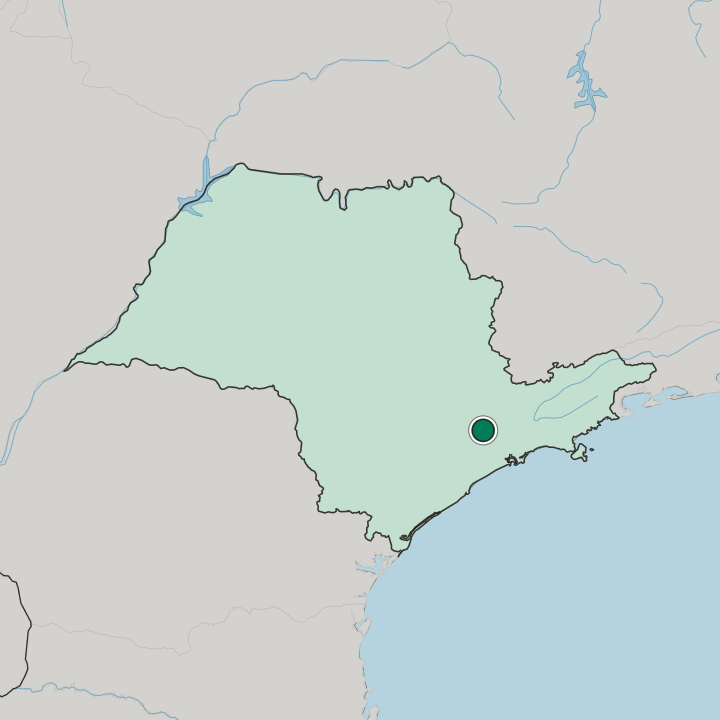
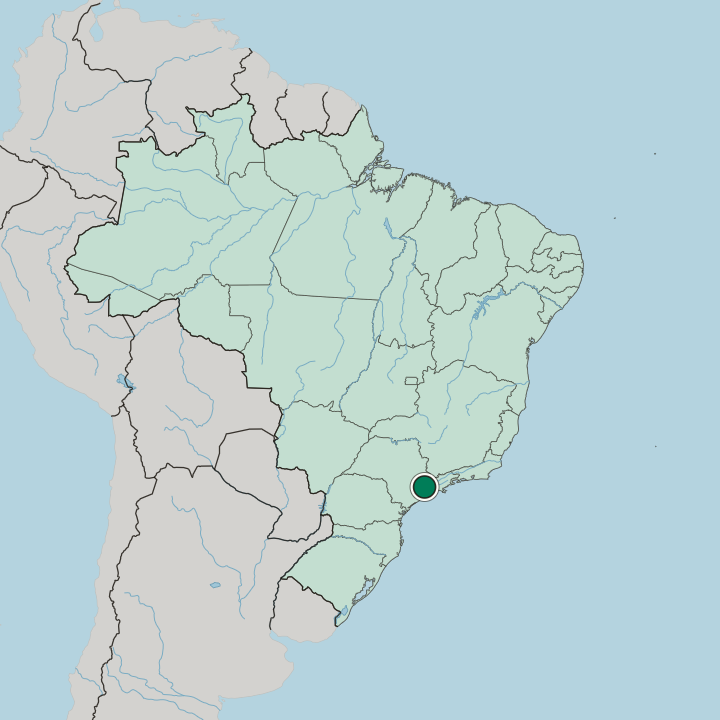
The municipality is small and full. Osasco occupies about sixty-five square kilometres inside Greater São Paulo, and because the built-up area runs unbroken into the neighbouring cities the boundary is administrative rather than visible. That makes it one of the more densely built municipalities anywhere, a density the record sets beside Tokyo. Brazil's subtropical band covers it.
What is the climate of Osasco?
Osasco shares the subtropical air of Greater São Paulo, where the warm months fall around December and January and the cool ones around July, the reverse of the northern year. The Southern Hemisphere sets the calendar. Anyone booking a trip should read the months backwards.
Density adds its own heat, and a city built this tightly holds the warmth of the day longer than open ground does.
How do you get to Osasco?
Arrival is a matter of crossing the conurbation. Osasco adjoins the city of São Paulo without a gap, so the approach runs through the metropolitan traffic of Greater São Paulo rather than along any separate road of its own. Times depend on the hour, not the distance.
From a base here, the Instituto Tomie Ohtake, Villa-Lobos State Park and the Estação Ciência da Universidade de São Paulo are all part of the same urban fabric.
Common questions
What is the best area to stay in Osasco?
The business district of Osasco: Meetings in the municipality that took Urbs labor as its motto. Toward the São Paulo side of the conurbation: Trips built around the Instituto Tomie Ohtake and SESC Pompéia.
Good for
More cities in São Paulo
Updated October 2026