Brazil · São Paulo
Where to Stay in Santo André, São Paulo
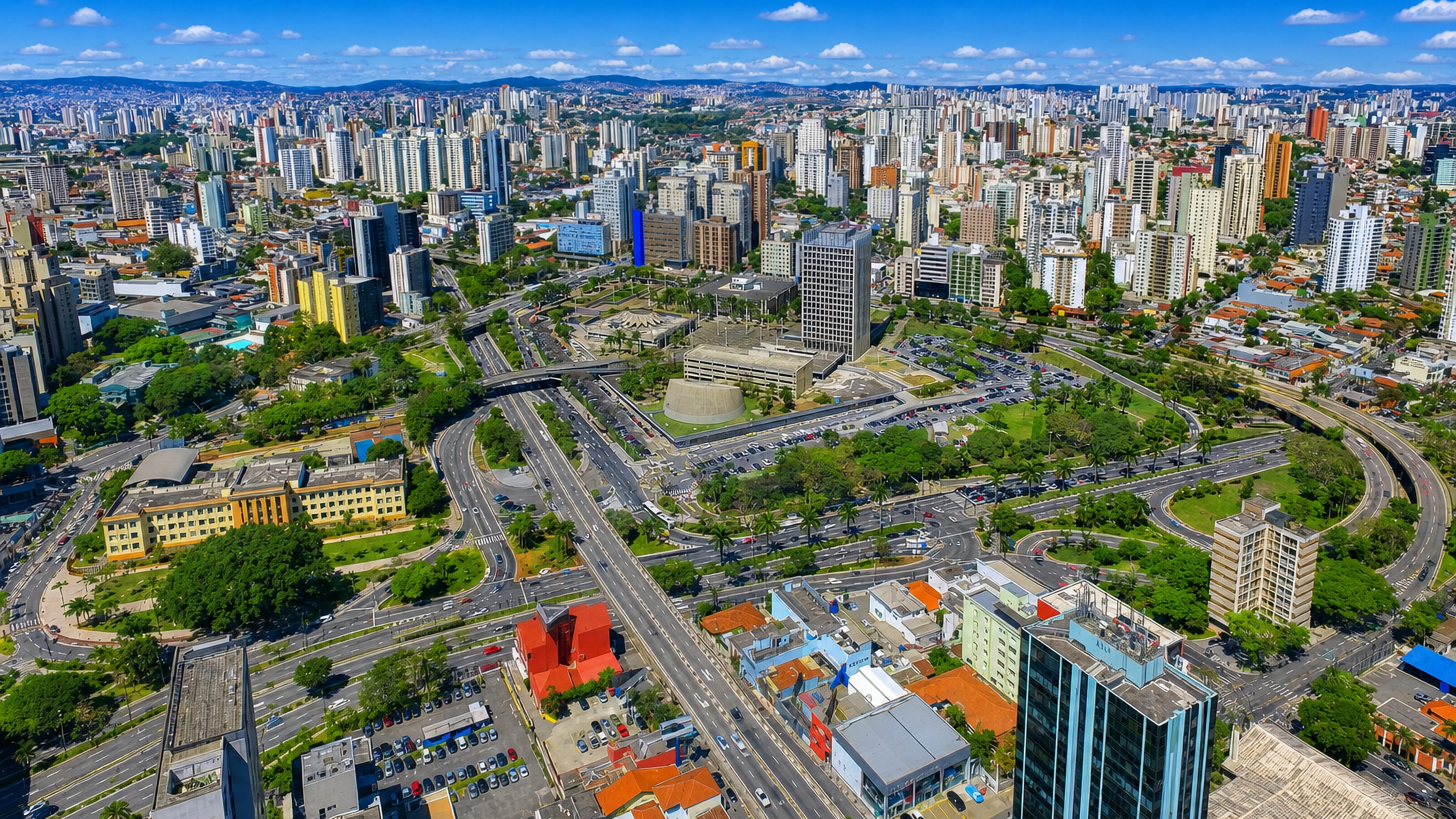
Santo André dates from 1553 and belongs to the ABC Region inside metropolitan São Paulo, keeping a car museum and a science park of its own.
Hotel links are affiliate links: booking through them may earn us a commission, at no extra cost to you. It never affects how places are ranked. How this works


Where to stay in Santo André
How the choice of base plays out on the ground.
Santo André keeps its lodging in the centre. Rooms around the Museu de Santo André and the Casa do Olhar Luiz Sacilotto put the municipal collections, the shops and the links to the rest of metropolitan São Paulo within a short walk, which is what most stays here actually need. Villa Rosa stands in that same quarter.
Residência e Sapataria dos Irmãos Frederico and the Residência de Bernardino Queiroz dos Santos survive nearby, low houses left among taller blocks. Residência de Dona Paulina Isabel de Queiroz belongs to the same run of protected houses. Families work outward instead.
Sabina School Knowledge Park is the reason to take a room away from the centre, since a day inside it will use up most of an afternoon and the drive back across Santo André is no way to end one. The Museu do Automóvel de São Paulo suits that kind of trip. Casa Amarela do Centro Universitário Fundação Santo André marks the campus side, quieter and thinner on shops, and the Sede do Haras Jaçatuba stands further out still, on the outer ground of the municipality.
Distances add up here.
Find hotels in Santo André
Direct booking searches for these neighbourhoods.
The centre around Museu de Santo André
Central blocks that also hold Villa Rosa and the Casa do Olhar Luiz SacilottoFind hotels in The centre around Museu de Santo AndréFamilies giving a whole day to the Sabina science parkNear Sabina School Knowledge Park
Outer residential ground beside the knowledge park, clear of the centre's trafficFind hotels in Near Sabina School Knowledge ParkLonger stays tied to the university and the Museu do Automóvel de São PauloThe Fundação Santo André campus side
Quieter streets around the Casa Amarela, thinner on shops than the middle of townFind hotels in The Fundação Santo André campus sideHotel links are affiliate links: booking through them may earn us a commission, at no extra cost to you. It never affects how places are ranked. How this works
Things to do in Santo André
Ranked by global recognition; descriptions from Wikidata (CC0).
Museums & Galleries
3- Residência de Bernardino Queiroz dos Santos Heritage
- Sede da Associação dos Ex-Combatentes do ABCDMRR Heritage
- Casa do Olhar Luiz Sacilotto
Landmarks & Notable Places
5- Villa Rosa Heritage
- Casa Amarela do Centro Universitário Fundação Santo André Heritage
- Residência de Dona Paulina Isabel de Queiroz Heritage
- Residência e Sapataria dos Irmãos Frederico Heritage
- Sede do Haras Jaçatuba Heritage
worth knowingacross 2 categories in Santo André
About Santo André
The ABC Region gives the city its shorthand.
What is Santo André known for?
Santo André is one of its municipalities, and the Sede da Associação dos Ex-Combatentes do ABCDMRR carries that grouping of towns in its own name. Cars have a museum here. Museu do Automóvel de São Paulo stands in the same municipality as the Sabina School Knowledge Park, a science park built around teaching, while the Museu de Santo André keeps the civic record.
What are the main landmarks in Santo André?
Houses make up most of the list. Villa Rosa, the Residência de Dona Paulina Isabel de Queiroz and the Residência e Sapataria dos Irmãos Frederico are protected pieces of a low-built past that the taller municipality grew over. Two museums answer them.
Museu de Santo André holds the civic record and the Museu do Automóvel de São Paulo the machines, while Casa do Olhar Luiz Sacilotto carries the art and Sabina School Knowledge Park the science.
What is the history of Santo André?
The founding year is 1553. That date puts Santo André among the earliest settlements of the state of São Paulo, though almost nothing of the first town reads on the ground now that the ABC Region has built over it. Little survives from that century.
The nineteenth-century houses come next in the record. Residência de Bernardino Queiroz dos Santos, Villa Rosa and the Residência e Sapataria dos Irmãos Frederico each preserve a family and a trade from the years before the municipality filled out. Industry arrived with the ABC Region.
Sede da Associação dos Ex-Combatentes do ABCDMRR names that whole cluster of municipalities in a single acronym, and the Museu do Automóvel de São Paulo keeps the machines the belt of towns became known for. Learning followed the works. Centro Universitário Fundação Santo André took the Casa Amarela into its campus, and Sabina School Knowledge Park was laid out to teach science to a municipality that had grown up around production.
Sede do Haras Jaçatuba survives from the rural edge of the same map. Museu de Santo André keeps the paper record of all of it.
Where is Santo André?
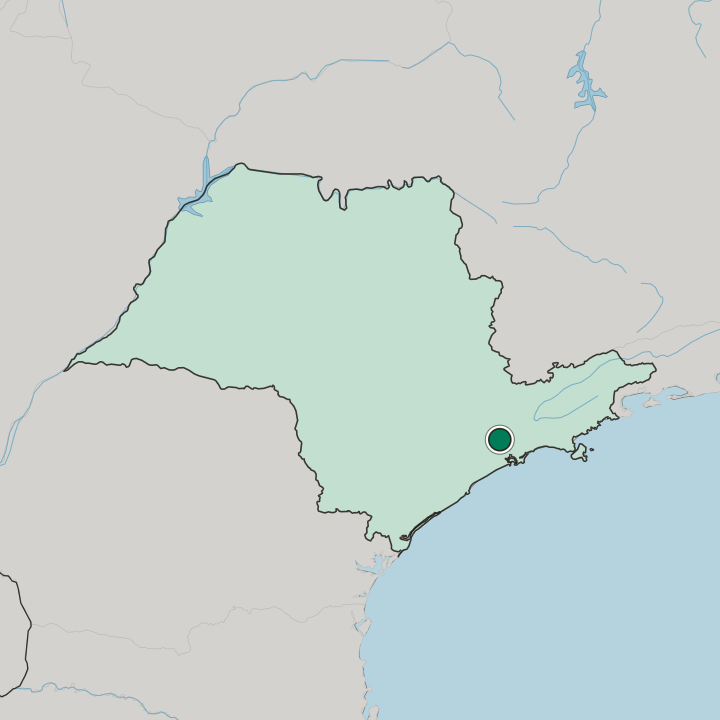
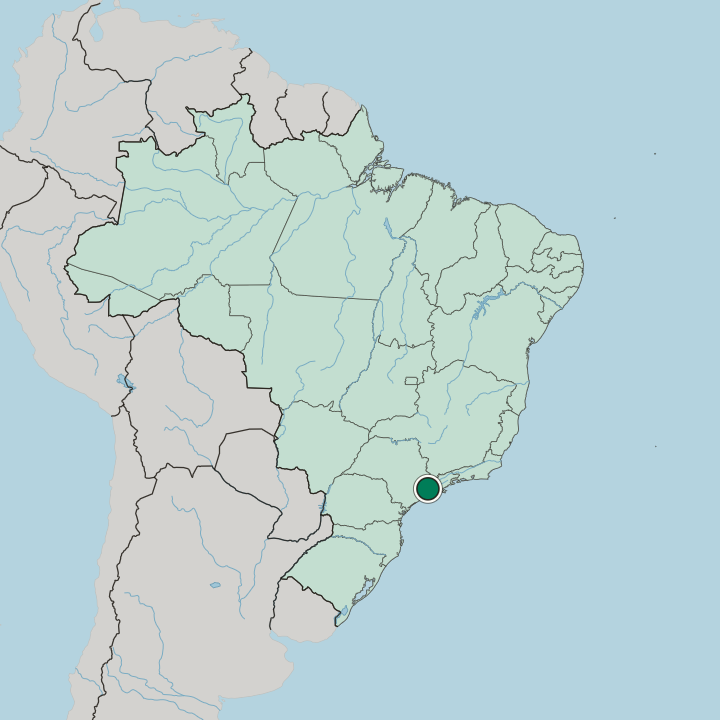
The municipality covers about 175 square kilometres. It divides into two districts of roughly equal size. Santo André lies inside the Metropolitan Region of São Paulo, part of the continuous built ground of the ABC Region, and its band is subtropical rather than tropical.
Green space is deliberate here. Sabina School Knowledge Park and the grounds around the Sede do Haras Jaçatuba account for much of what open land the municipality still keeps.
What is the climate of Santo André?
Subtropical, not tropical. Santo André sits south of the equator in the subtropical band, which takes the edge off the summer heat of the Metropolitan Region of São Paulo and gives the cooler months a real presence. Rain still favours the warm half of the year.
The built ground of the ABC Region holds whatever heat there is, so the shaded parts of Sabina School Knowledge Park read kinder than the avenues around them.
How do you get to Santo André?
Arrival is from within metropolitan São Paulo. Santo André adjoins the rest of the ABC Region, so the approach is a matter of crossing continuous built ground rather than of leaving one place and reaching another. The centre is the obvious target.
Museu de Santo André and Casa do Olhar Luiz Sacilotto sit close to it, while Sabina School Knowledge Park and the Museu do Automóvel de São Paulo need a separate trip out from that core.
Common questions
What is the best area to stay in Santo André?
The centre around Museu de Santo André: Stays wanting the municipal collections and the metropolitan links at the door. Near Sabina School Knowledge Park: Families giving a whole day to the Sabina science park. The Fundação Santo André campus side: Longer stays tied to the university and the Museu do Automóvel de São Paulo.
Good for
More cities in São Paulo
Updated October 2026