Brazil · São Paulo
Where to Stay in Mauá, São Paulo
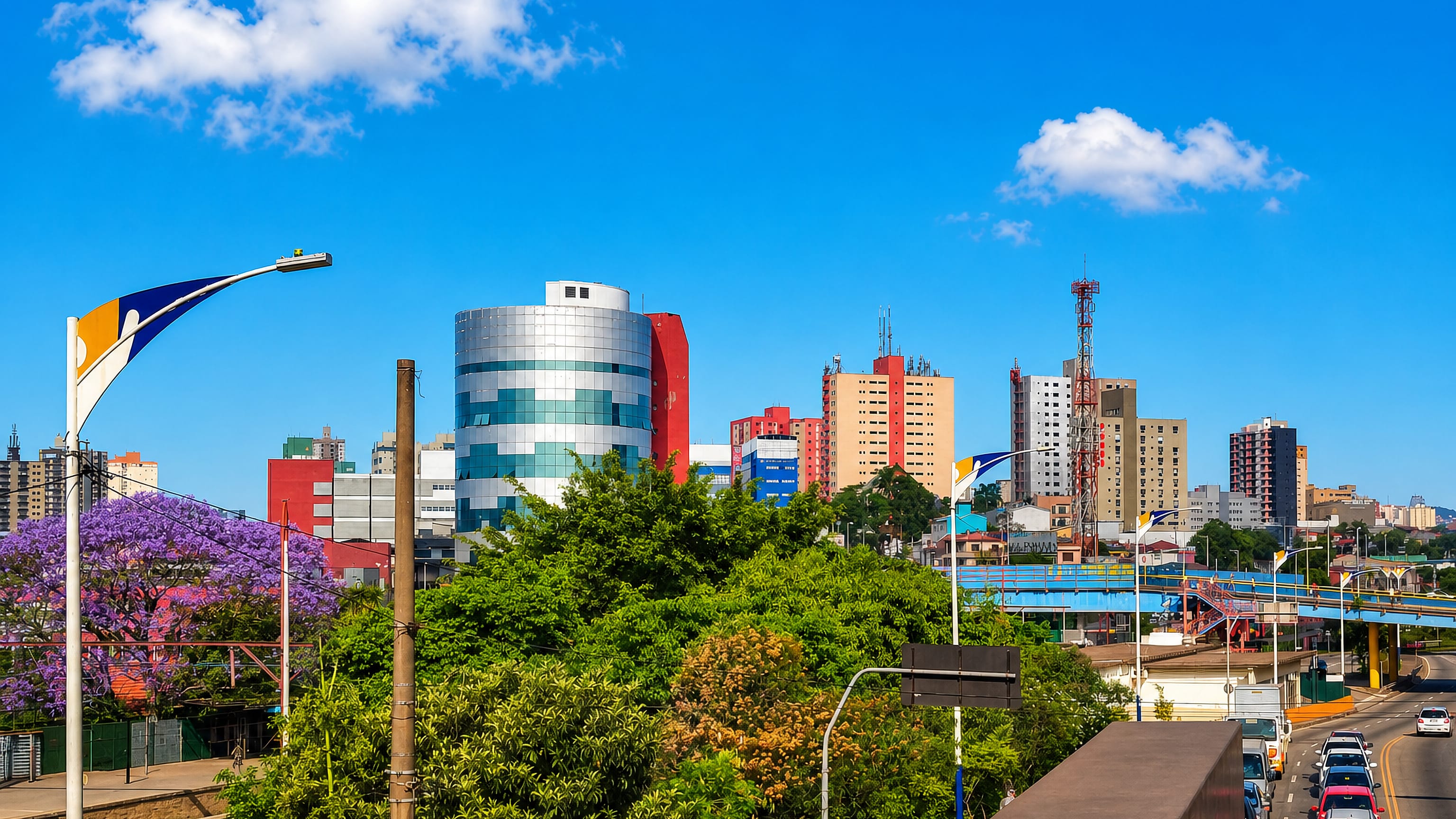
Its name is Tupi for high. Mauá is an industrial municipality of the metropolitan region of São Paulo, on the Santos-Jundiaí railway.
Hotel links are affiliate links: booking through them may earn us a commission, at no extra cost to you. It never affects how places are ranked. How this works


Where to stay in Mauá
Where the beds are, and what that means for the visit.
Industry, not tourism, fills the beds here. Mauá works as an industrial municipality inside the metropolitan region of São Paulo, so its beds serve contracts and family visits, and a traveller with a free choice generally books in the wider metropolis and comes out for the day instead. The centre is the exception.
Streets around Praça 22 de Novembro and the Igreja Matriz Imaculada Conceição hold what stock there is, with the Teatro Municipal de Mauá and the Museu Barão de Mauá near enough to fill an evening. Bioparque Macuco pulls the other way. A room on that green edge trades the shops for quiet and puts the tenth of the municipality left as countryside or forest on the doorstep, which counts for more than it sounds in a city built this tightly.
The city is easy to cross. Nothing lies far from anything else across 62 square kilometres, and the Santos-Jundiaí railway turns the choice between sleeping here and commuting in into a matter of preference rather than logistics.
Find hotels in Mauá
Direct booking searches for these neighbourhoods.
Around Praça 22 de Novembro
Praça 22 de Novembro and the Igreja Matriz Imaculada Conceição face the same central streets. Rooms are few around here — worth securing early.Find hotels in Around Praça 22 de NovembroQuiet nights beside the Bioparque Macuco greeneryThe Bioparque Macuco edge
Bioparque Macuco holds much of the tenth of Mauá left as countryside or forest. Rooms are few around here — worth securing early.Find hotels in The Bioparque Macuco edgeVisitors wanting metropolitan choice with Mauá on the rail lineThe wider metropolis
The Santos–Jundiaí railway runs straight through Mauá from the rest of the metropolitan regionFind hotels in The wider metropolisHotel links are affiliate links: booking through them may earn us a commission, at no extra cost to you. It never affects how places are ranked. How this works
About Mauá
Industry takes a third of the ground.
What is Mauá known for?
Factories hold that share of Mauá outright, which leaves roughly a tenth as countryside or forest and squeezes housing into what remains, while the Chaminé do Curtume survives from an earlier phase of the same working history. Green space is scarce. Bioparque Macuco keeps much of what is left of it, and the Teatro Municipal de Mauá gives the city a stage of its own.
What are the main landmarks in Mauá?
Stone marks the older layer. Cruzeiro de Pedra and the Igreja Matriz Imaculada Conceição carry the devotional record, joined by Capela Cristo Rei and by the Fachada do Educandário Imaculado Coração de Maria, a frontage listed on its own account. Praça 22 de Novembro gathers the rest.
Museu Barão de Mauá holds the municipal collection, the Teatro Municipal de Mauá takes the performances, and the listing for Emiko Fujimoto Professora shows a city that commemorates its teachers.
What is the history of Mauá?
The place began as Pilar. That village name held until 1934, when it gave way to Mauá in homage to the Visconde de Mauá, the entrepreneur behind the Santos-Jundiaí railway that passes through the municipality, and the line still runs where it did then. Tupi supplied the word itself.
The name carries the sense of the one that is high, which reads as high city once it is applied to a municipality rather than to a piece of ground. Self-government followed in 1954. Separation gave Mauá its own council at a point when factories were already taking the third of the area they still occupy, and the fabric surviving from before that expansion is correspondingly thin.
Chaminé do Curtume is one such piece. Cruzeiro de Pedra and the Fachada do Educandário Imaculado Coração de Maria are two more, standing for the devotional and the educational sides of the old village respectively, while Capela Cristo Rei belongs to the same modest inheritance. The museum carries the name too.
Museu Barão de Mauá keeps the record of a city named after the man whose railway made its position worth building on, which is as close to a founding narrative as a municipality of this age gets.
Where is Mauá?
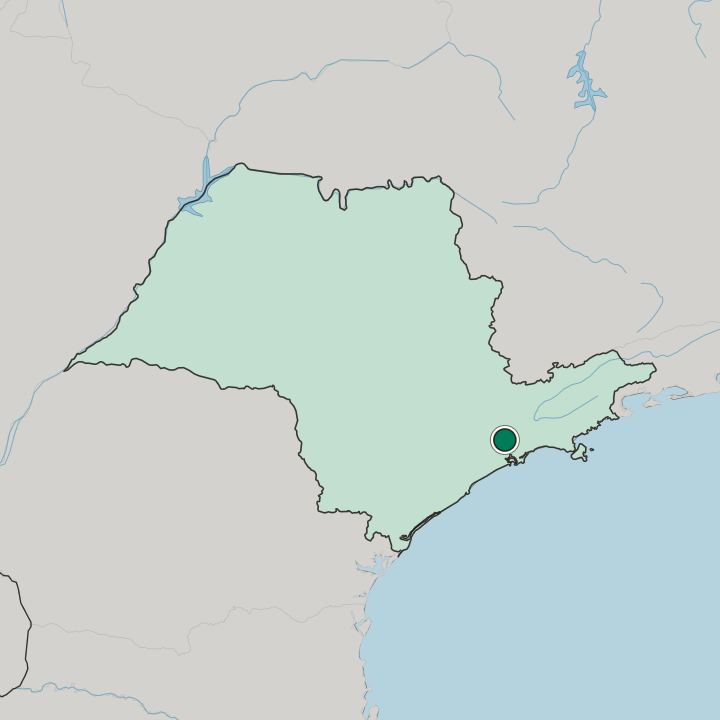
This is a compact municipality. Mauá covers roughly 62 square kilometres inside the metropolitan region of São Paulo, and with a third of that given over to industrial ground the housing takes up nearly everything that is left. Forest holds about a tenth.
Bioparque Macuco protects a share of that remainder, and the Tupi name, meaning the one that is high, points at the raised ground the old village settled on.
What is the climate of Mauá?
Height is in the name itself. Subtropical air governs this corner of the metropolitan region of São Paulo, and the raised ground that gave Mauá its Tupi name keeps the heavier humidity of the lower valleys at a slight remove, though on a hot afternoon that difference counts for little. Summer brings the storms.
The cool half of the year runs drier and shorter.
How do you get to Mauá?
The Santos-Jundiaí railway runs through. That line reached the ground here long before the municipality existed in its own right, and it is the reason arrival from São Paulo counts as a suburban journey rather than a run into the interior. Roads take the rest.
Freight bound for the industrial third of the city keeps the approaches heavy, so timing matters more than route for anyone driving in to Mauá.
Common questions
What is the best area to stay in Mauá?
Around Praça 22 de Novembro: Evenings at the Teatro Municipal de Mauá. The Bioparque Macuco edge: Quiet nights beside the Bioparque Macuco greenery. The wider metropolis: Visitors wanting metropolitan choice with Mauá on the rail line.
Good for
More cities in São Paulo
Updated September 2026