Brazil · São Paulo
Where to Stay in Araraquara, São Paulo
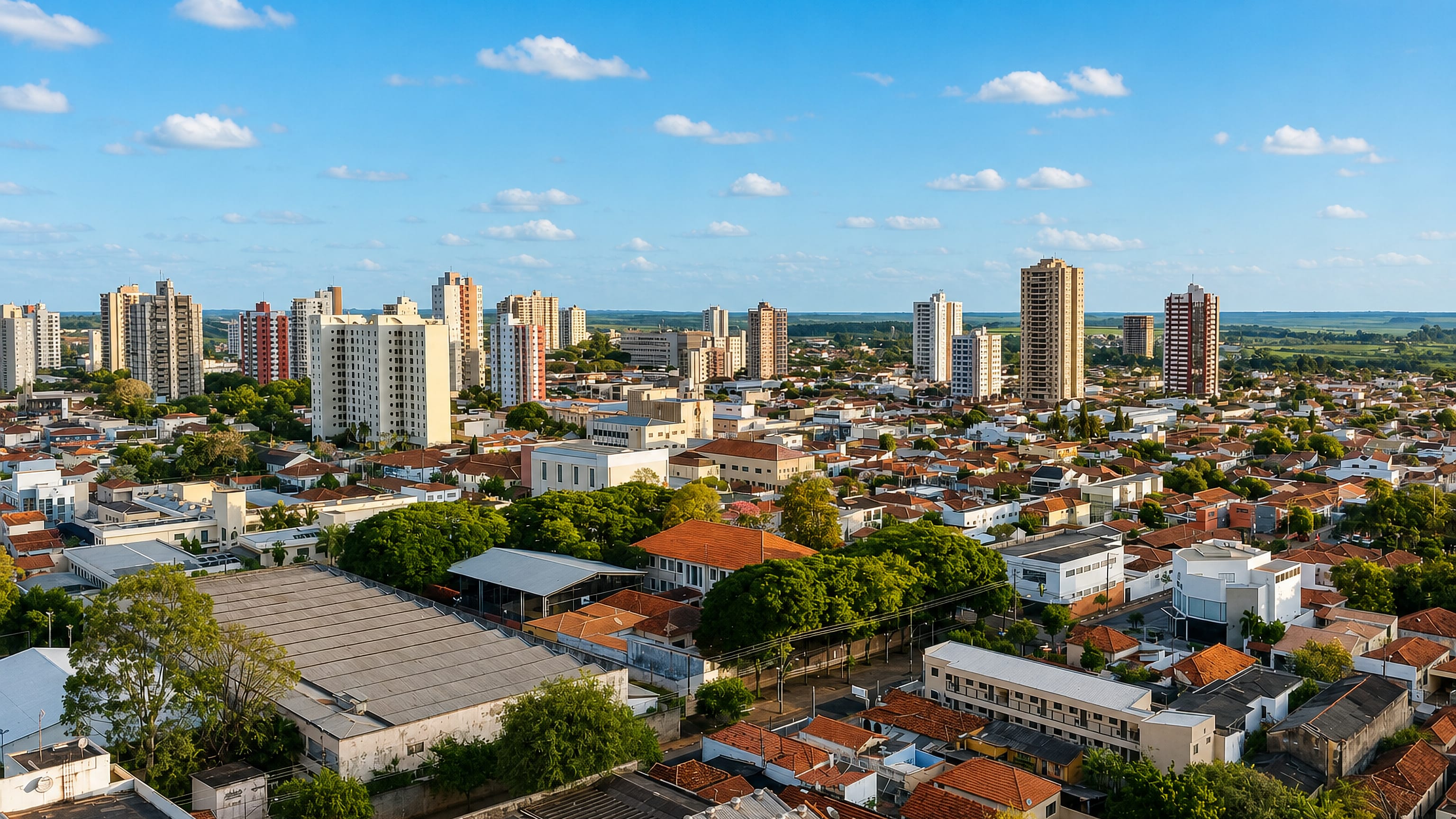
Araraquara is called the abode of the sun, a São Paulo city of oranges and sugar cane founded in 1817 across more than a thousand square kilometres.
Hotel links are affiliate links: booking through them may earn us a commission, at no extra cost to you. It never affects how places are ranked. How this works


Where to stay in Araraquara
How the choice of base plays out on the ground.
The centre holds everything. Igreja Matriz de São Bento, Casa Térrea da Rua Padre Duarte and the Conjunto de Imóveis e Logradouros are the protected fabric of Araraquara, and none of them asks for a car. Museums add two more reasons.
The Museu Ferroviário de Araraquara records the railway that once mattered here, the Museu Histórico e Pedagógico Voluntários da Pátria takes the wider civic story, and the Centro de Ciências de Araraquara serves a different visitor entirely. Heat shapes the day. A place called the abode of the sun rewards a room where shade and a short walk are both on offer, because the hours around midday in summer are not walking hours.
Sunsets are the compensation. The city takes its nickname from them as much as from the heat, and any room with an open view over the country beyond the streets is worth asking about. The municipality is enormous.
More than a thousand square kilometres of São Paulo state belong to Araraquara, most of it orange groves and sugar cane rather than streets, so the real choice is between the town and the country. Town wins for most visitors. Beds out in the groves are few, and the Museu Ferroviário de Araraquara, the Igreja Matriz de São Bento and the Centro de Ciências de Araraquara are all back in the built-up part anyway.
Find hotels in Araraquara
Direct booking searches for these neighbourhoods.
Rua Padre Duarte
Casa Térrea da Rua Padre Duarte gives this street its listed building, and the Conjunto de Imóveis e Logradouros carries the same protection along the ways around it.Find hotels in Rua Padre Duartethe mother church and the civic museumAround the Igreja Matriz de São Bento
Igreja Matriz de São Bento is the dedication Araraquara organised itself around, and the Museu Histórico e Pedagógico Voluntários da Pátria keeps the city's record for anyone staying by it.Find hotels in Around the Igreja Matriz de São Bentothe railway collection and the science centreBy the Museu Ferroviário de Araraquara
The Museu Ferroviário de Araraquara holds what the railway left behind, and the Centro de Ciências de Araraquara gives a second reason to sleep on this side rather than out in the cane.Find hotels in By the Museu Ferroviário de Araraquaradrives through the groves that fill the municipalityThe orange and cane country
Araraquara's thousand square kilometres are mostly orange groves and sugar cane, where rooms are scarce and the built-up centre is a long way back. Few places to stay nearby — book ahead.Find hotels in The orange and cane countryHotel links are affiliate links: booking through them may earn us a commission, at no extra cost to you. It never affects how places are ranked. How this works
Things to do in Araraquara
Ranked by global recognition; descriptions from Wikidata (CC0).
Museums & Galleries
3- Museu Histórico e Pedagógico Voluntários da Pátria Heritage
- Museu Ferroviário de Araraquara
- Centro de Ciências de Araraquara
Churches & Religious Sites
1- Igreja Matriz de São Bento Heritage
Landmarks & Notable Places
2- Casa Térrea da Rua Padre Duarte Heritage
- Conjunto de Imóveis e Logradouros Heritage
worth knowingacross 3 categories in Araraquara
About Araraquara
Oranges and sugar cane run the land.
What is Araraquara known for?
Araraquara is known for both across the state of São Paulo, and the ground it works stretches over more than a thousand square kilometres, which is a great deal of countryside for one municipality. The sun supplies the nickname. The abode of the sun is what the city is called, for its sunsets and for heat that gathers hardest in summer.
What are the main landmarks in Araraquara?
Protection covers a street, not a building. The Conjunto de Imóveis e Logradouros treats a set of properties and public ways as one listed whole, and Casa Térrea da Rua Padre Duarte is the single house that stands out within that fabric. São Bento holds the parish.
Igreja Matriz de São Bento is the mother church, while the Museu Ferroviário de Araraquara, the Museu Histórico e Pedagógico Voluntários da Pátria and the Centro de Ciências de Araraquara divide the museum-going between railways, civic history and science.
What is the history of Araraquara?
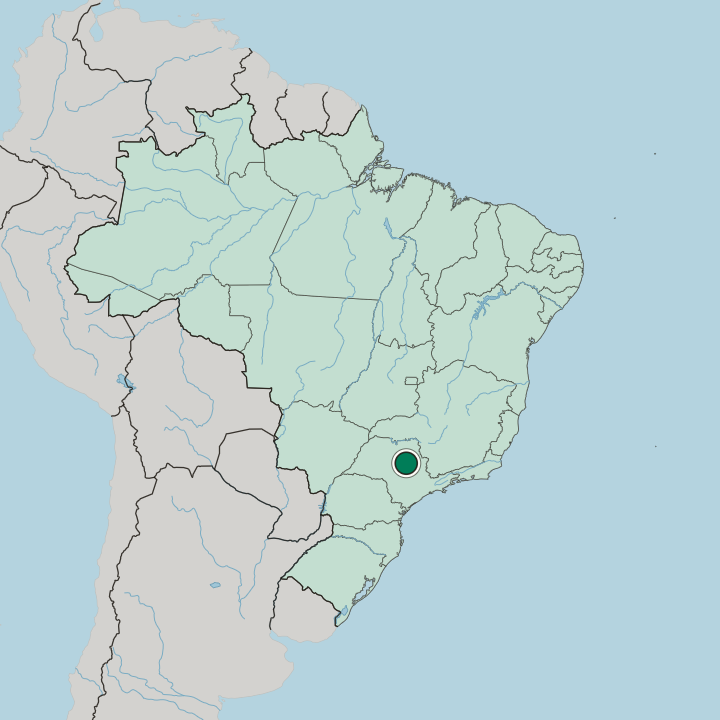
The city dates from 1817. Araraquara was founded that year in what is the state of São Paulo, in Brazil, and the Igreja Matriz de São Bento carries the dedication the settlement organised itself around. Land was the business.
Oranges and sugar cane are what the city is known for, and a municipality of more than a thousand square kilometres had the ground to make both of them matter. The railway left a museum. The Museu Ferroviário de Araraquara keeps that record, which is the clearest sign of how much a line once counted for a place shipping fruit and cane out to the rest of the state.
Buildings were listed together. The Conjunto de Imóveis e Logradouros protects properties and public ways as a group rather than one at a time, and Casa Térrea da Rua Padre Duarte survives as the single-storey house the register names for its street. The nickname came from the weather.
Araraquara is called the abode of the sun for its sunsets and its summer heat, and the Museu Histórico e Pedagógico Voluntários da Pátria and the Centro de Ciências de Araraquara are where the city keeps the rest of what it wants remembered.
Where is Araraquara?
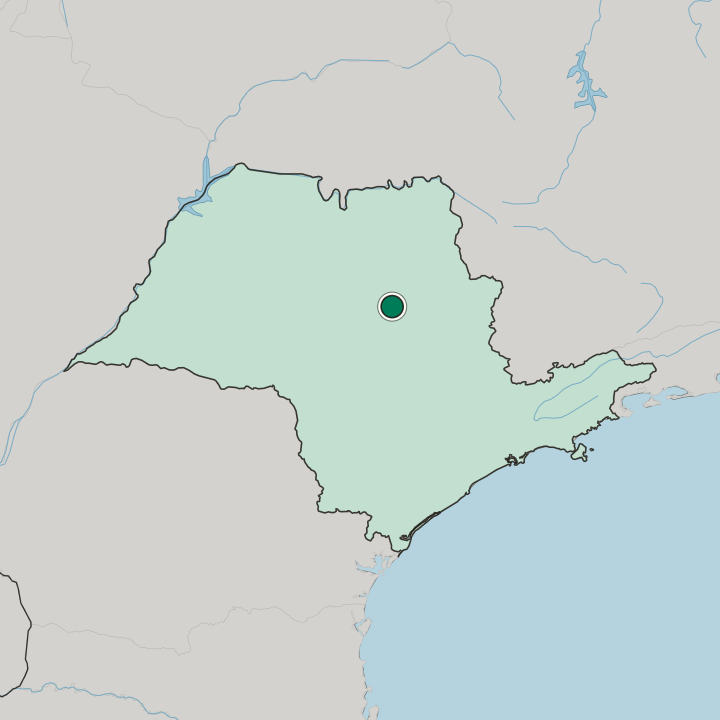
The municipality runs wide. Araraquara holds more than a thousand square kilometres of São Paulo state, ground given over to orange groves and sugar cane well beyond the point where the streets stop. The built-up part is a fraction of it.
Igreja Matriz de São Bento, Rua Padre Duarte and the museums all fall inside that fraction, which is why a visitor sees very little of the municipality's actual extent.
What is the climate of Araraquara?
The sun named the place. Araraquara is called the abode of the sun for weather that turns hot in summer, and the sunsets that go with it are the second half of the same reputation. Rain has its season.
The tropical band puts the wetter months and the drier ones on opposite sides of the year, which matters more to a municipality of orange groves and sugar cane than to a visitor with three days in town.
How do you get to Araraquara?
A railway ran through it. The Museu Ferroviário de Araraquara is what remains of that in public view, and the line it commemorates is the reason a town shipping oranges and sugar cane grew where it did. Roads carry the traffic instead.
Araraquara sits among the municipalities of São Paulo state, and arriving means crossing a good deal of cane and grove country before the built-up centre and the Igreja Matriz de São Bento come into reach.
Common questions
What is the best area to stay in Araraquara?
Rua Padre Duarte: the listed single-storey house and the protected frontages. Around the Igreja Matriz de São Bento: the mother church and the civic museum. By the Museu Ferroviário de Araraquara: the railway collection and the science centre. The orange and cane country: drives through the groves that fill the municipality.
Good for
More cities in São Paulo
Updated October 2026