Brazil · São Paulo
Where to Stay in Barueri, São Paulo
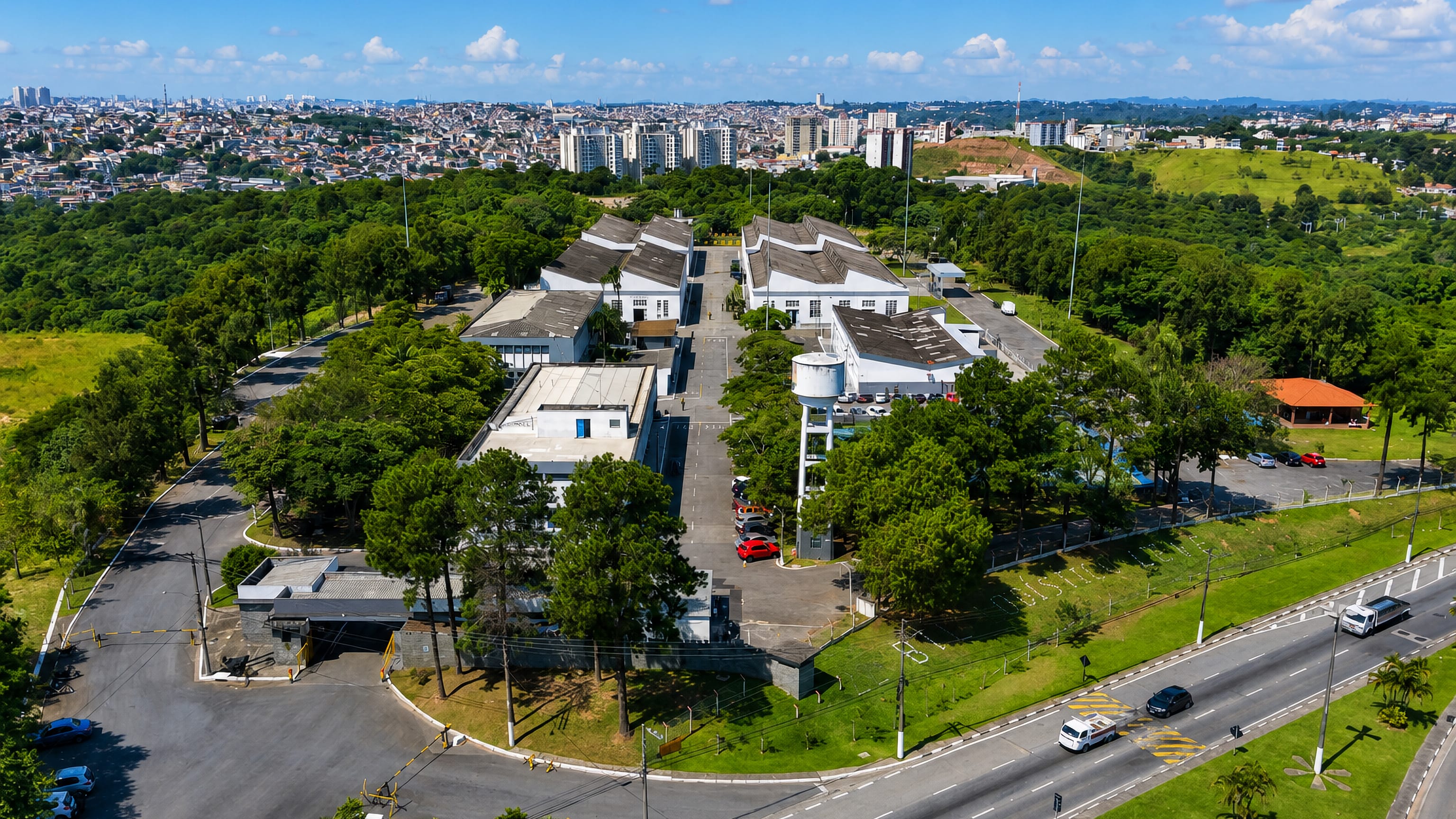
Barueri sits inside the Metropolitan Region of São Paulo, a tightly bounded municipality whose office district outweighs its old core.
Hotel links are affiliate links: booking through them may earn us a commission, at no extra cost to you. It never affects how places are ranked. How this works


Where to stay in Barueri
One neighbourhood here has its own guide — here's what it is best for.

 BarueriBrazil
Alphaville
Alphaville is an affluent district split between the municipalities of Barueri and Santana de Parnaíba, in the metropolitan region of São Paulo.Where to stay →Hotel links are affiliate links: booking through them may earn us a commission, at no extra cost to you. It never affects how places are ranked. How this works
Find hotels in Barueri
Direct booking searches for these neighbourhoods.
The financial centre
Beds sit among the towers that make Barueri an international business address, with the Municipal Museum of Barueri and the Monumento aos Bandeirantes a short hop away.Find hotels in The financial centreold street plans around the Saint Anne Parish Church and the Sobrado do AnhangueraToward Santana de Parnaíba
The neighbouring town holds the Saint Anne Parish Church, the Sobrado do Anhanguera and the Casa do Samba Parnaibano inside one pre-industrial street plan.Find hotels in Toward Santana de Parnaíbacheaper beds with the Ecomuseu de Osasco within a local tripToward Osasco
Osasco adjoins Barueri and puts the Ecomuseu de Osasco and the Christian Congregation in Osasco inside a short run, at rates below the office district.Find hotels in Toward OsascoHotel links are affiliate links: booking through them may earn us a commission, at no extra cost to you. It never affects how places are ranked. How this works
About Barueri
Offices, not monuments.
What is Barueri known for?
Barueri's economy runs on industry and services, and a financial centre inside the municipality draws international business of a kind rarely found outside a state capital. That prosperity is unevenly spread: upscale neighbourhoods and peripheral ones sit close together, a contrast the municipality itself acknowledges and has worked to narrow. Older layers survive at the edges, in the Municipal Museum of Barueri and in the Museu Casa do Anhanguera nearby.
The charter dates from 1949.
What are the main landmarks in Barueri?
Much of the list sits just over the line. Inside Barueri itself the Municipal Museum of Barueri, the Saint John the Baptist chapel, the Monumento aos Bandeirantes and the Dimitri Sensaud de Lavaud Museum carry the local record, with the Imagem de Nossa Senhora da Escada among the devotional pieces. Santana de Parnaíba supplies the Saint Anne Parish Church and the Sobrado do Anhanguera.
Osasco and Itapevi add museums of their own.
What is the history of Barueri?
Barueri's charter is recent. The municipality was constituted in 1949, which makes its civic existence far younger than the ground it stands on, since the surrounding settlement pattern was laid down in the era the Monumento aos Bandeirantes commemorates. The bandeirante past is the thread.
It runs through the Museu Casa do Anhanguera and the Sobrado do Anhanguera, both carrying a name that recurs across this stretch of the metropolitan region, and through the memorials to Suzana Dias and to Frei Agostinho de Jesus that stand in the same landscape. Religious foundations mark the same period from a different angle. The Saint Anne Parish Church at Santana de Parnaíba and the Saint John the Baptist chapel are the built survivals, and the Imagem de Nossa Senhora da Escada belongs to the devotional life those buildings served.
Everything after 1949 is a different story: industry, then services, then the office district that gives Barueri its profile, a sequence compressed into a handful of decades rather than centuries. The Municipal Museum of Barueri holds that stretch. So does the Dimitri Sensaud de Lavaud Museum, and the Ecomuseu de Osasco next door reads the same industrial landscape from the far side of the boundary.
Where is Barueri?
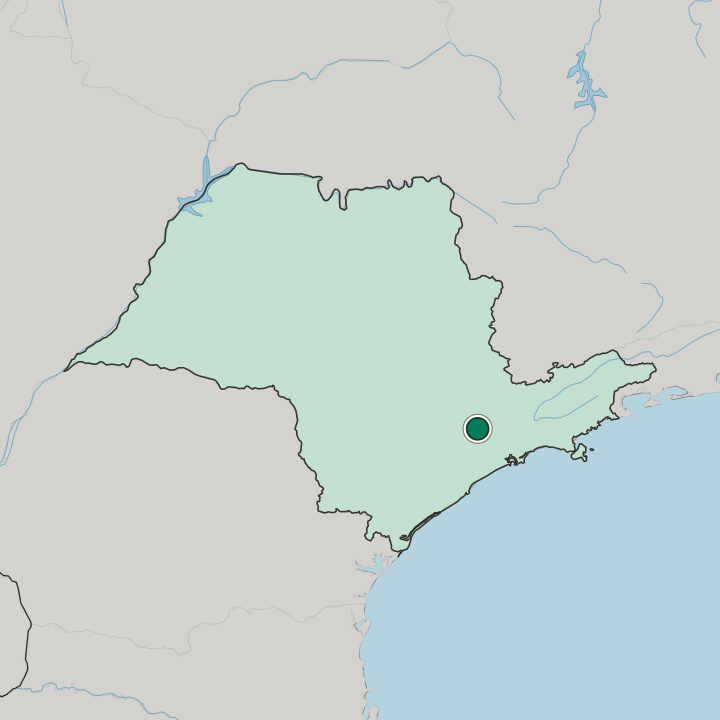
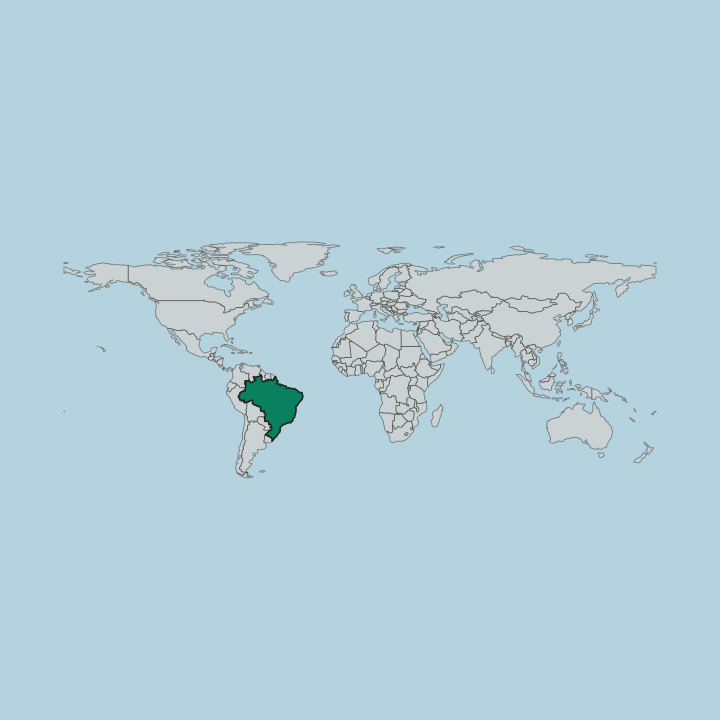
Barueri has never had much room. Its territory is one of the tighter ones in the Metropolitan Region of São Paulo, hemmed in by Osasco, Santana de Parnaíba and Itapevi, so the boundary is never far from wherever a visitor happens to be standing. Built-up ground covers most of it.
There is little rural remainder here, which is why the municipality reads as a district of the wider conurbation rather than a town with country around it, and why the neighbours matter so much to any itinerary.
What is the climate of Barueri?
The calendar is inverted. Barueri lies south of the equator in the subtropical band, so the warm and wet part of the year falls either side of January while the cooler, drier weeks belong to the middle months. Rain is the variable that matters.
It concentrates in the warm season rather than spreading evenly across the year, which is worth factoring into any plan that depends on driving between Barueri and its neighbours in the Metropolitan Region of São Paulo.
How do you get to Barueri?
Everything here arrives overland. Barueri is joined to São Paulo and to Osasco by the road network that stitches the Metropolitan Region of São Paulo together, and the trip in from the state capital is short by the standards of that conurbation. Traffic, not distance, sets the clock.
Getting between Barueri, Santana de Parnaíba and Itapevi takes minutes on a clear road and considerably longer when the region's arteries are full.
Common questions
What is the best area to stay in Barueri?
The financial centre: meetings that need Barueri's office district on the doorstep. Toward Santana de Parnaíba: old street plans around the Saint Anne Parish Church and the Sobrado do Anhanguera. Toward Osasco: cheaper beds with the Ecomuseu de Osasco within a local trip.
Good for
More cities in São Paulo
Updated October 2026