Brazil · São Paulo
Where to Stay in Bauru, São Paulo
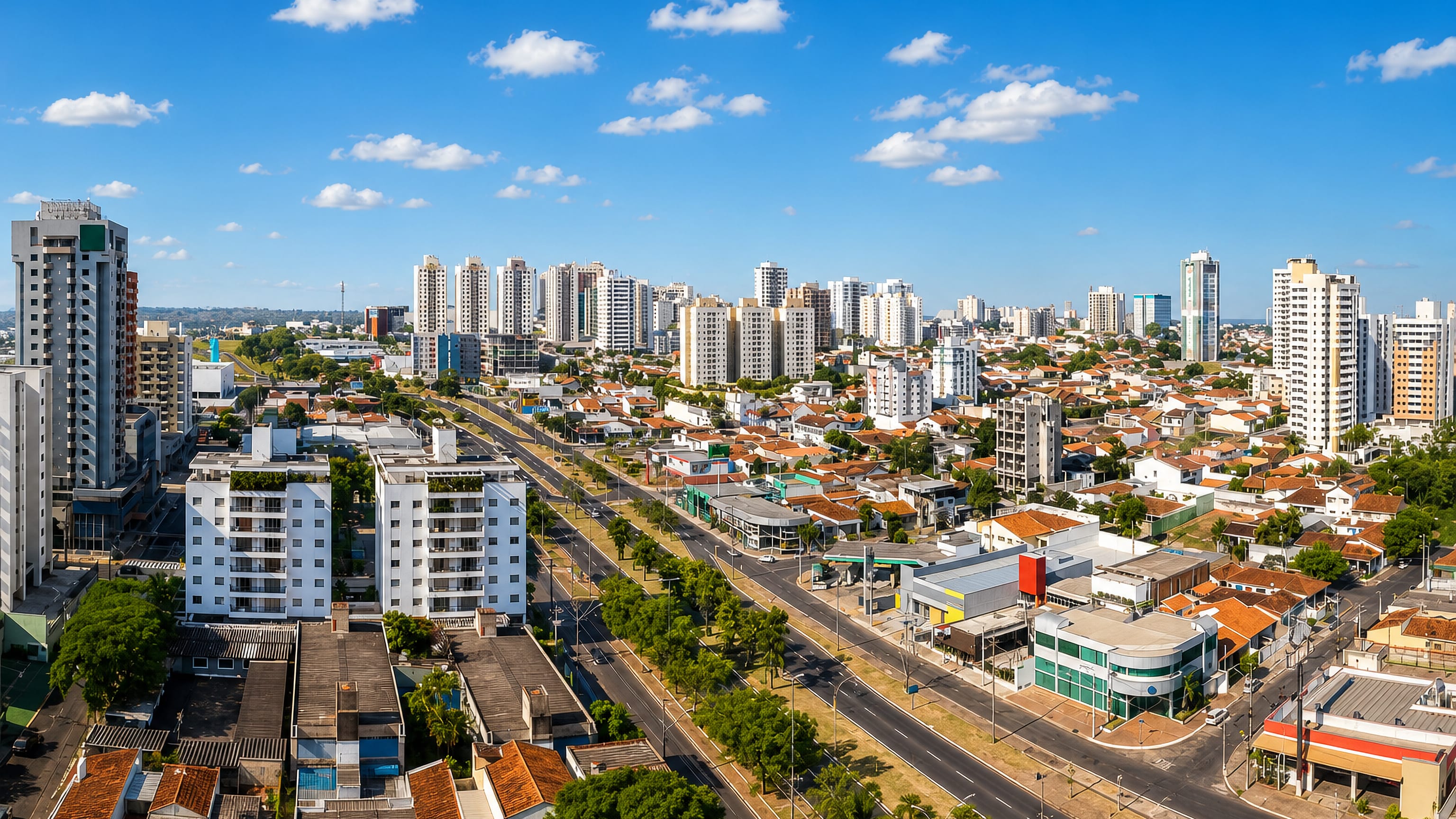
Bauru anchors the Central-West region of São Paulo, a university city in the interior of the state with a strong railway inheritance.
Hotel links are affiliate links: booking through them may earn us a commission, at no extra cost to you. It never affects how places are ranked. How this works


Where to stay in Bauru
How the choice of base plays out on the ground.
Central Bauru is the practical base. The Museu Ferroviário Regional de Bauru, the Museu Histórico Municipal de Bauru and the Pinacoteca Municipal de Bauru fall inside one walk, and the Santa Terezinha Church and the Bauru Independent Presbyterian Church are close enough to fold into the same afternoon. Most beds are here.
A stay of two nights covers the central list without a car, which is not something that can be said of the municipality as a whole. The campus edge is the other candidate. Rooms near the Universidade Estadual Paulista and the University of São Paulo answer a different question, since the reason to be on that side is usually a conference, a term-time visit or the research collections that come with the campuses rather than the museums downtown.
Quiet at night, thin on restaurants. Further out the municipality keeps going toward the other towns of the Bauru Immediate Geographic Region, where beds are scattered and the road is the only link. Plan those nights ahead.
One more note on the centre: the Tenrikyo Church of Dendotyo stands among the same streets as the Presbyterian church, and the range of congregations is part of what the central walk actually shows.
Find hotels in Bauru
Direct booking searches for these neighbourhoods.
Around the Museu Ferroviário Regional de Bauru
The Museu Ferroviário Regional de Bauru, the Museu Histórico Municipal de Bauru and the Pinacoteca Municipal de Bauru sit inside the same central walk.Find hotels in Around the Museu Ferroviário Regional de Bauruconferences and term-time visits to the Universidade Estadual PaulistaThe campus edge
Rooms beside the Universidade Estadual Paulista and University of São Paulo campuses put study and research collections first, and the downtown museums second.Find hotels in The campus edgedrivers crossing the Bauru Immediate Geographic RegionThe outer municipality
Bauru's territory runs far past the built-up grid toward the other towns of the Bauru Immediate Geographic Region, so rooms are thin and a car is required. Beds are limited here, so book early.Find hotels in The outer municipalityHotel links are affiliate links: booking through them may earn us a commission, at no extra cost to you. It never affects how places are ranked. How this works
Things to do in Bauru
Ranked by global recognition; descriptions from Wikidata (CC0).
Museums & Galleries
3- Museu Ferroviário Regional de Bauru
- Museu da Imagem e do Som de Bauru
- Museu Histórico Municipal de Bauru
Churches & Religious Sites
3- Bauru Independent Presbyterian Church Heritage
- Santa Terezinha Church Heritage
- Tenrikyo Church of Dendotyo Heritage
worth knowingacross 2 categories in Bauru
About Bauru
Universities first.
What is Bauru known for?
The University of São Paulo and the Universidade Estadual Paulista both run campuses here, and their presence explains why a city in the interior of the state carries research collections and a documentation centre of its own. Rail is the second thread, kept in the Museu Ferroviário Regional de Bauru. Add the Pinacoteca Municipal de Bauru, the Museu da Imagem e do Som de Bauru and the Museu Histórico Municipal de Bauru, and the museum count runs high for a place this far from the coast.
What are the main landmarks in Bauru?
Mostly civic, mostly central. The Museu Ferroviário Regional de Bauru keeps the rail inheritance, the Museu Histórico Municipal de Bauru the civic record, and the Pinacoteca Municipal de Bauru the art. Sound and image have their own house in the Museu da Imagem e do Som de Bauru, while the Núcleo de Pesquisa e Documentação Histórica de Bauru e Região handles the paper the others cannot.
Churches fill out the rest: Santa Terezinha Church, the Bauru Independent Presbyterian Church, and the Tenrikyo Church of Dendotyo.
What is the history of Bauru?
The record begins in 1826. That date sets Bauru among the older foundations of the interior, well before the campuses and the museums that give the city its present shape, and long before the rail lines whose remains fill a museum of their own. Rail arrived and the town changed scale.
The Museu Ferroviário Regional de Bauru exists because that inheritance is substantial enough to need its own building, and because a town on the network keeps much of its history in what passed through it. Institutions came later and stayed. The University of São Paulo and the Universidade Estadual Paulista both established campuses here, turning a regional centre into a place people move to for study, and the Núcleo de Pesquisa e Documentação Histórica de Bauru e Região grew out of the same appetite for keeping the record.
Administrative geography followed. Bauru gives its name to the Bauru Immediate Geographic Region, a grouping of 19 municipalities, which in turn sits inside the Bauru Intermediate Geographic Region covering 48 municipalities in total. The Museu Histórico Municipal de Bauru holds the local end of all this, and the Pinacoteca Municipal de Bauru the part of it that was made rather than recorded.
Where is Bauru?
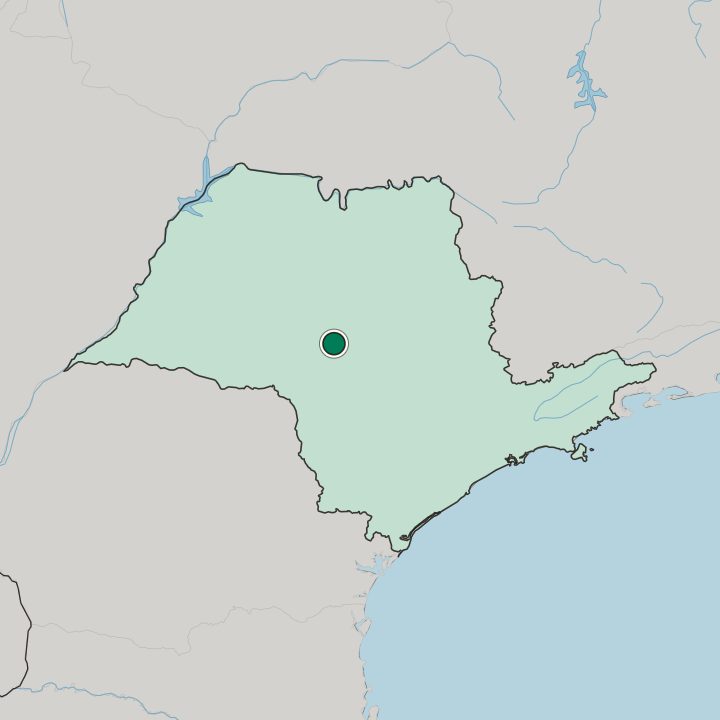
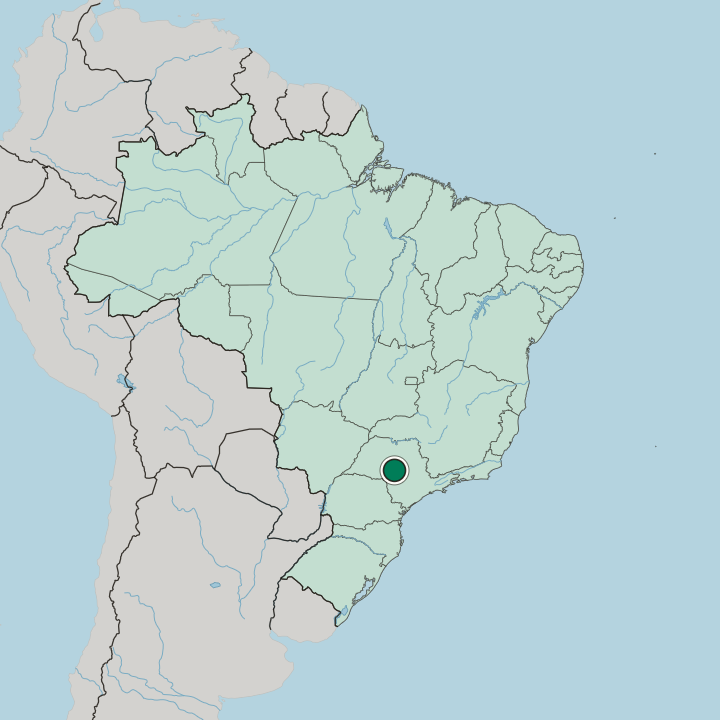
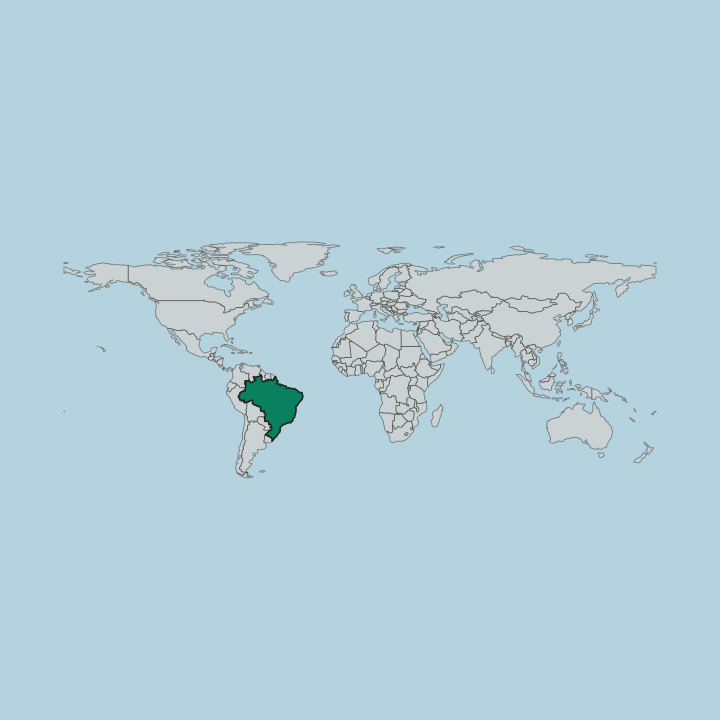
Bauru holds a large municipal territory in the interior of São Paulo state, far from the coast, and the built-up grid occupies only a fraction of the ground inside its boundary. The rest is open country. It is the largest city of the Central-West region of São Paulo and the anchor of the Bauru Immediate Geographic Region that groups 19 municipalities around it.
The city sits well within the tropics.
What is the climate of Bauru?
Distance from the sea does the work here. Bauru stands well inland, and the absence of any moderating coast leaves the warm months hotter and the dry-season nights cooler than they would be nearer the water. Here the seasons sit opposite the northern calendar.
The hot, wet stretch falls around the turn of the year, and the drier, cooler weeks sit in the middle of the calendar, which is when the museums and campuses are easiest to walk between.
How do you get to Bauru?
Roads carry almost everything. Bauru lies deep in the interior of São Paulo state, so arrival means a long overland run from the capital rather than a short hop, and the city works as the road hub for the 19 municipalities of the Bauru Immediate Geographic Region around it. The Museu Ferroviário Regional de Bauru records what the rail age left.
Inside the city the central museums are walkable from one another, but the campuses and the outer municipality need wheels.
Common questions
What is the best area to stay in Bauru?
Around the Museu Ferroviário Regional de Bauru: the rail quarter and the municipal collections on foot. The campus edge: conferences and term-time visits to the Universidade Estadual Paulista. The outer municipality: drivers crossing the Bauru Immediate Geographic Region.
Good for
More cities in São Paulo
Updated October 2026