Brazil · São Paulo
Where to Stay in Diadema, São Paulo
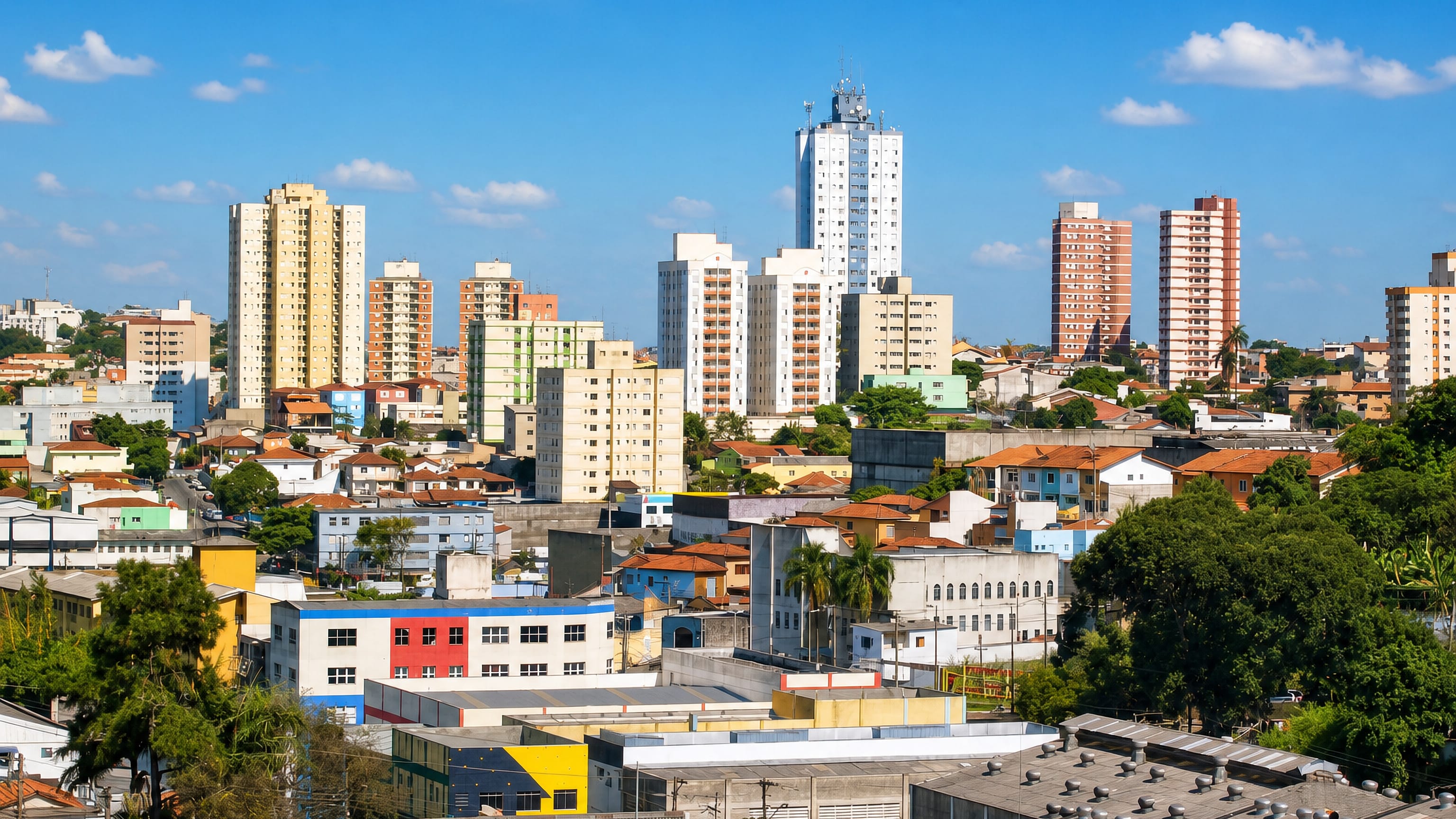
Diadema is a city in the ABCD Region of Greater São Paulo, 17 km out from the centre of São Paulo, split off from São Bernardo do Campo in 1959.
Hotel links are affiliate links: booking through them may earn us a commission, at no extra cost to you. It never affects how places are ranked. How this works


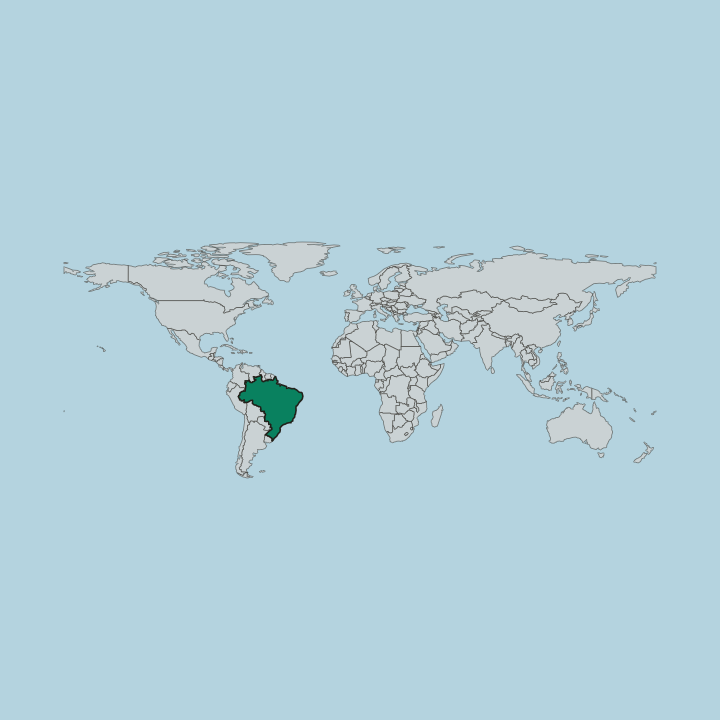
Where to stay in Diadema
The practical side of choosing where to sleep.
Two hotels carry the trade. The Hotel Parks Diadema sits on Avenida Piraporinha and the Trade Hotel Diadema on Rua São Pedro, which between them cover the business traffic a service economy on the edge of São Paulo brings in. Neither is a holiday address.
The centre worth walking is around the Praça da Moça, where the shops gather along with the Shopping Praça da Moça and the smaller runs of frontage on praça Castelo Branco and praça Lauro Michells. Rua Graciosa is the other axis, carrying the Teatro Clara Nunes and the Parque Sete de Setembro within a few minutes of each other. The old neighbourhoods still set the geography of a stay.
Piraporinha holds a metropolitan bus terminal and lies nearest São Bernardo, Eldorado looks toward Santo Amaro across the Billings Reservoir, Taboão connects to São Paulo by Avenida Água Funda, and Vila Conceição grew out of the farms of the Vila Conceição Company. Anyone here for a match at EC Água Santa should book close to the ground rather than by the square.
About Diadema
Service work pays the bills here.
What is Diadema known for?
Diadema sits inside a region built on factories, and yet its income comes mainly from services rather than industry, which is the first thing that marks it off from its ABCD neighbours. The visitor list is short and odd. A butterfly zoo, a botanical garden, an art museum, and an observatory are what the city puts forward, and the Teatro Clara Nunes on Rua Graciosa covers the evenings.
Football supplies the rest of the name, since EC Água Santa plays here and Diadema raised David Luiz and Denílson.
What are the main landmarks in Diadema?
The named sights are civic rather than historic. Diadema puts forward a butterfly zoo, a botanical garden, an art museum, and an observatory, and the Teatro Clara Nunes on Rua Graciosa is where the city's stage work happens. Two parks do the outdoor work.
The Parque do Paço and the Parque Sete de Setembro sit near the middle of town, and the Billings Reservoir lies out beyond Eldorado, wide enough to have pulled that neighbourhood toward Santo Amaro long before Diadema was a city of its own. The oldest thing standing is a street plan, since Avenida Antonio Piranga and Avenida Piraporinha both follow the tracks that first brought people across from São Bernardo do Campo.
What is the history of Diadema?
Diadema was a road before it was a town. Its ground lay between the coast at Vila de São Vicente and the plateau at Vila de São Paulo de Piratininga, and it was the connecting road from São Bernardo do Campo to Santo Amaro that brought the first settlers in during the early 18th century. Those tracks became Avenida Antonio Piranga and Avenida Piraporinha.
Industry came with a sawmill. Antônio Piranga, son of José Pedroso, put up a steam-powered sawmill in 1900 that ran for twenty years, supplying a furniture trade in São Bernardo do Campo, and the old cattle route known as the Estrada da Vila Conceição began to urbanise around it. Until the 1940s the place was four separate neighbourhoods of São Bernardo do Campo.
Piraporinha, Eldorado, Taboão, and Vila Conceição each kept their own life, joined only by roads of hard going, and Diadema became a municipality in its own right in 1959. The university arrived much later, with a Universidade Federal de São Paulo campus founded in 2007 that teaches chemistry, pharmacy, and biology.
Where is Diadema?
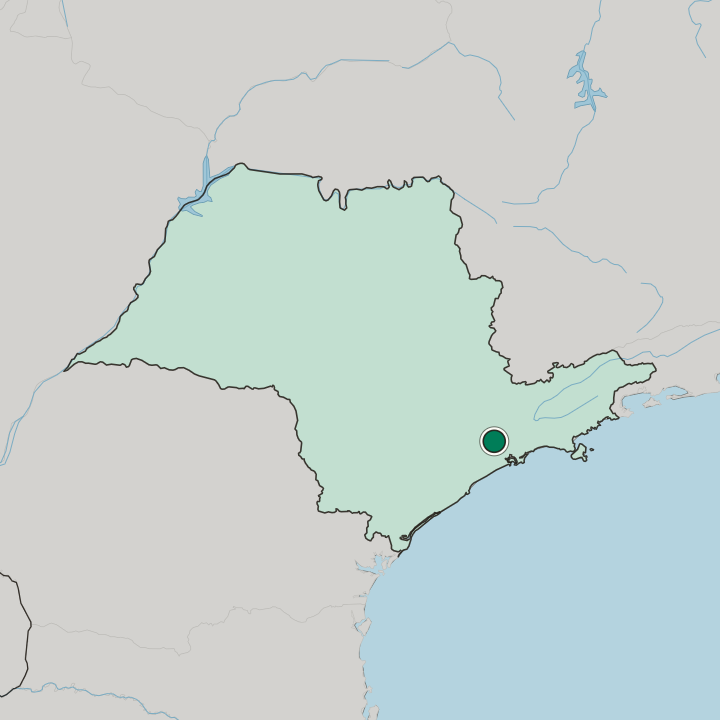
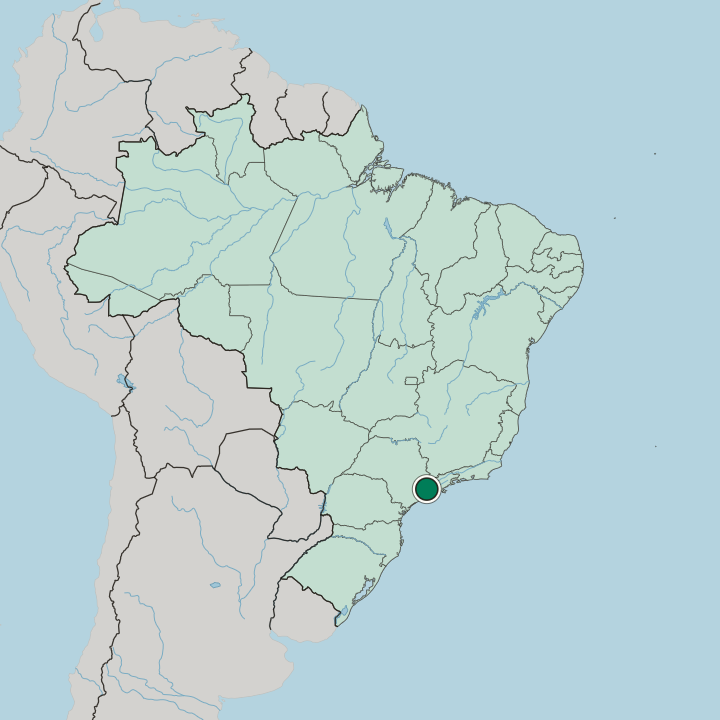
The municipality is small and full. Diadema covers 30.73 square kilometres in the ABCD Region, 17 km from the centre of São Paulo and about 11 km by road from Congonhas Airport, which puts the whole city inside the metropolitan build. Water sets the eastern edge.
The Billings Reservoir lies out past Eldorado and gave that neighbourhood its early pull toward Santo Amaro, and the Rodovia dos Imigrantes runs down the far side of town toward the coast. Piraporinha and Taboão sit nearest São Bernardo do Campo, and Vila Conceição holds the old farm ground.
What is the climate of Diadema?
The annual mean sits at 19.6 °C. That is mild for a subtropical city, and it holds through a year turned upside down from the northern one, with the coolest stretch arriving in the middle months while Europe is at its warmest. Altitude does some of that work.
Diadema stands on the São Paulo plateau, not on the coast at Baixada Santista that the Rodovia dos Imigrantes runs down to, and the two have quite different years. A layer for the evenings covers it.
How do you get to Diadema?
Everything comes in by road. From São Paulo the toll-free way is by Avenida Engenheiro Armando de Arruda Pereira and Avenida Cupecê, while the Rodovia dos Imigrantes is the paid route and the one that also brings traffic up from the coast. The ring road handles the rest.
Arrivals from the interior of São Paulo state come by the Rodoanel Mário Covas onto the Rodovia dos Imigrantes, and from Rio de Janeiro the chain runs Rodovia Ayrton Senna, Complexo Viário Jacu-Pêssego, Rodoanel Mário Covas, and then the same approach. Buses land at two terminals. The Terminal Metropolitano de Diadema Centro and the Terminal Metropolitano Piraporinha take the EMTU services from Santo André, São Bernardo, and the Morumbi side of São Paulo, and Congonhas Airport is about 11 km off by the shortest road.
Good for
More cities in São Paulo
Updated September 2026