Brazil · São Paulo
Where to Stay in Embu das Artes, São Paulo
Embu das Artes is a Brazilian town of artists inside Grande São Paulo, holding the Museu do Índio and a Jesuit collection of sacred art.
Hotel links are affiliate links: booking through them may earn us a commission, at no extra cost to you. It never affects how places are ranked. How this works


Where to stay in Embu das Artes
The practical side of choosing where to sleep.
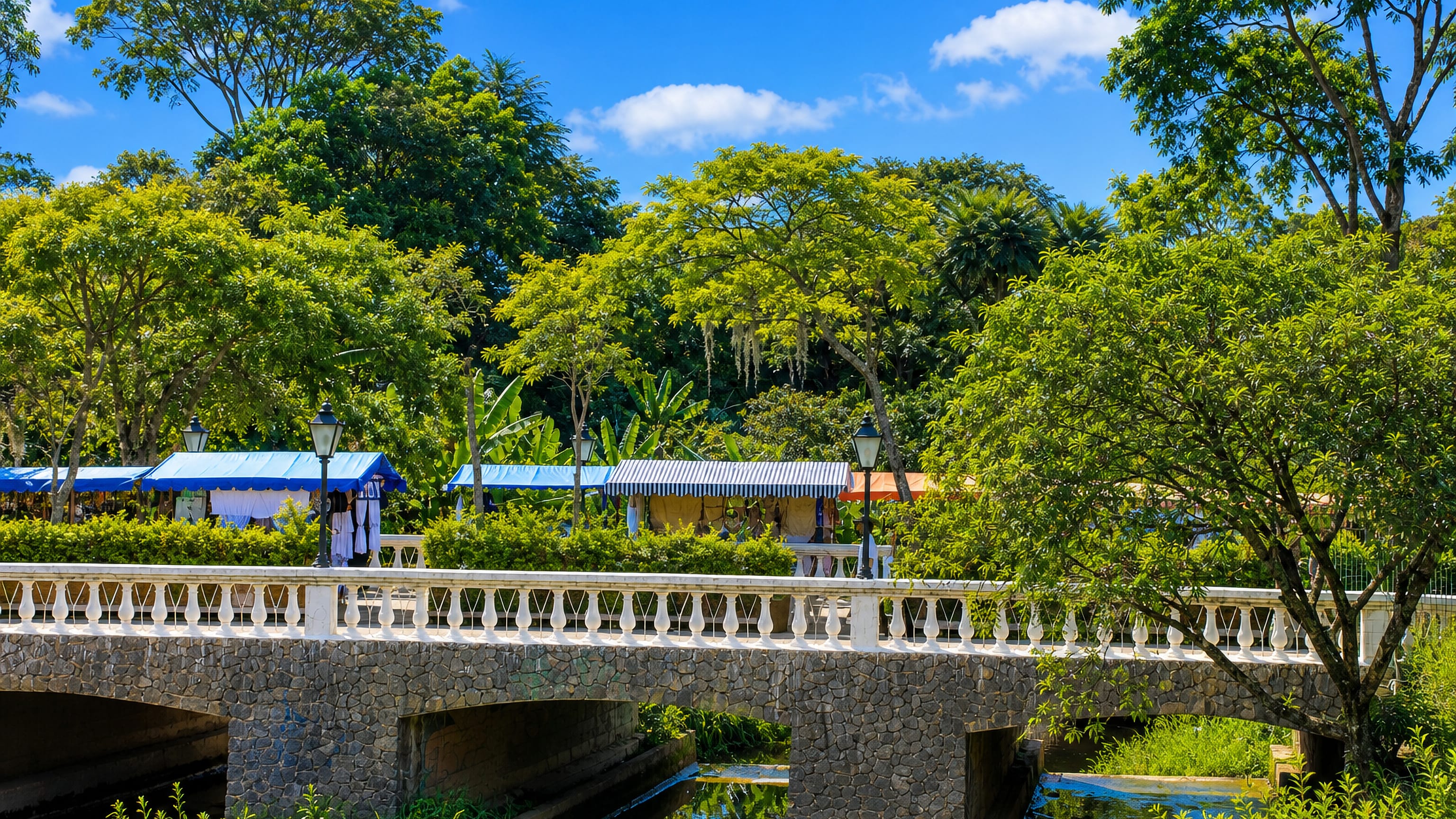
Lodging in Embu das Artes is thin. Embu das Artes draws most of its visitors on day trips out of São Paulo, so the town's lodging is modest and concentrated near the old centre, where the craft stalls, the Museu de Arte Sacra dos Jesuítas and the Paróquia Nossa Senhora do Rosário stand within a few streets of one another. Staying in that core means reaching the fair before the coaches arrive.
The Museu do Índio is a short walk on. Rooms fill fastest at weekends, when the stalls open in full and the town works at its busiest. The alternative is not staying in Embu at all.
Road links run straight into the Metropolitan Region of São Paulo, and the capital holds a spread of hotels that a municipality of this size cannot match, which suits you if the Museu do Índio is one stop on a longer Brazilian itinerary. Around the Basilica Minor Our Lady of the Rosary of Fatima the streets go quiet once the stalls pack up. Parking comes easier there. Òsun Ìya Oke Ile Afro-Brasileiro Ode Lorecy adds another reason to look beyond the craft blocks.
Few places to stay in Embu das Artes — most visitors book in São Paulo nearby.
Find hotels in Embu das Artes
Direct booking searches for these neighbourhoods.
The old centre
The Museu de Arte Sacra dos Jesuítas, the Paróquia Nossa Senhora do Rosário and the stalls that named Embu das Artes stand within a few streets of one another. Lodging is scarce in this area; reserve in advance.Find hotels in The old centreDrivers and churchgoers who want the quiet side of EmbuToward the Basilica Minor
Streets around the Basilica Minor Our Lady of the Rosary of Fatima empty out once the fair packs up, and parking is easier than by the stalls. Beds are limited here, so book early.Find hotels in Toward the Basilica MinorHotel links are affiliate links: booking through them may earn us a commission, at no extra cost to you. It never affects how places are ranked. How this works
About Embu das Artes
Art made the name stick.
What is Embu das Artes known for?
Painters, artists and artisans settled the streets here through the nineteen-sixties, and the movement they built around primitive art and hippie culture gave the municipality its second name, Embu das Artes. Before that it was simply Embu. The Museu do Índio and the Museu de Arte Sacra dos Jesuítas anchor the visitor's day.
Craft stalls do the rest.
What are the main landmarks in Embu das Artes?
Five sites carry the town. The Basilica Minor Our Lady of the Rosary of Fatima and the Paróquia Nossa Senhora do Rosário share a Marian dedication, and between them they hold the devotional side of a town better known for its craft stalls. Sacred art fills the Museu de Arte Sacra dos Jesuítas.
The Museu do Índio holds Indigenous collections. Òsun Ìya Oke Ile Afro-Brasileiro Ode Lorecy stands for the Afro-Brazilian tradition in Embu.
What is the history of Embu das Artes?
The oldest layer is Jesuit. It shows in the name of the Museu de Arte Sacra dos Jesuítas and in the dedication the Paróquia Nossa Senhora do Rosário still carries, both older than the art trade that later took over. Embu remained small for a long stretch.
Municipal standing came in 1959. From that year the town kept its own boundaries within São Paulo state, an administrative fact that would matter more as the Metropolitan Region of São Paulo grew around it. Then the artists arrived.
A movement built on primitive art, and coloured by the hippie culture of the decade, drew painters and artisans to these streets through the nineteen-sixties until the craft trade marked the town more plainly than its parish did. The nickname followed. Land of the Arts, Embu of the Arts and Embu das Artes name the same municipality, and the longest of the three is the one that ended up on the signs.
Painters and artisans elected it a landmark of Brazilian culture. The fair still runs at weekends, and the Museu do Índio and the Museu de Arte Sacra dos Jesuítas give the visitor something to do when the stalls are shut. Craft work still fills the same blocks.
Where is Embu das Artes?
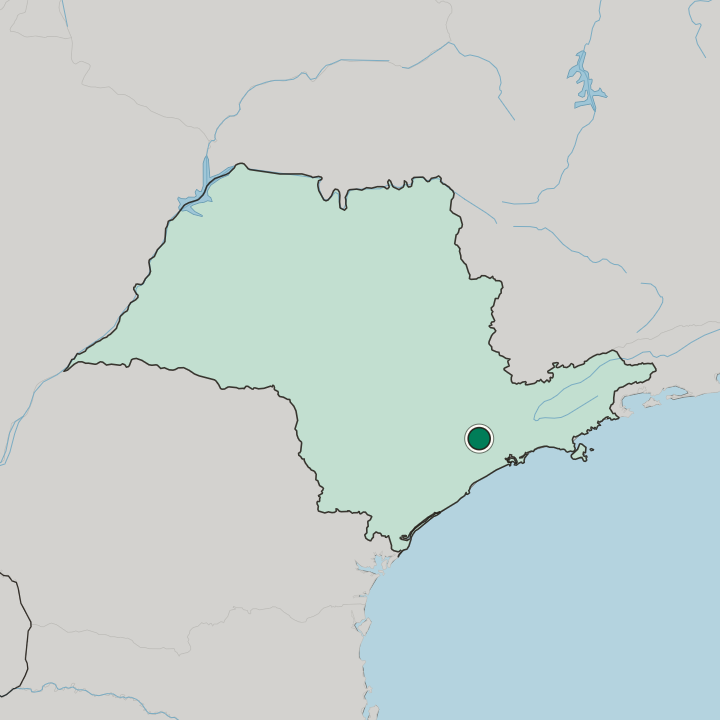
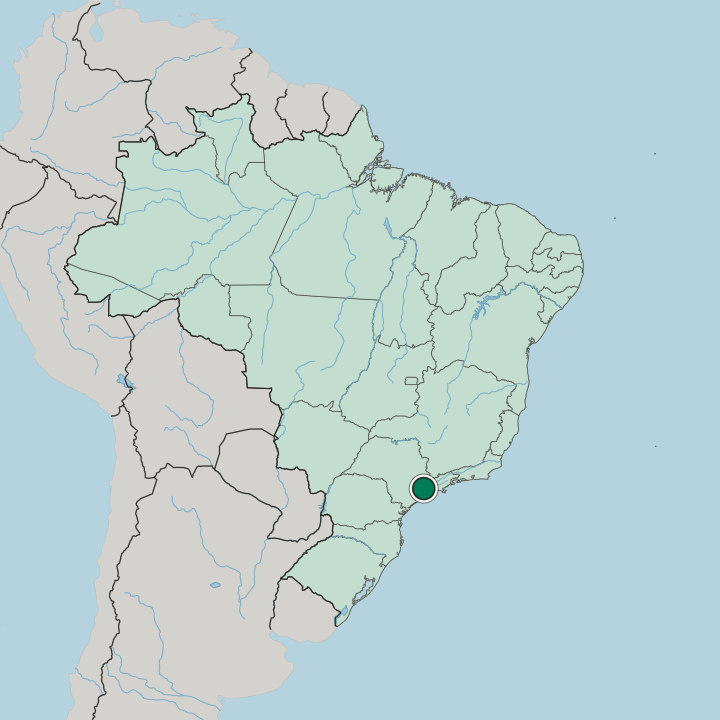
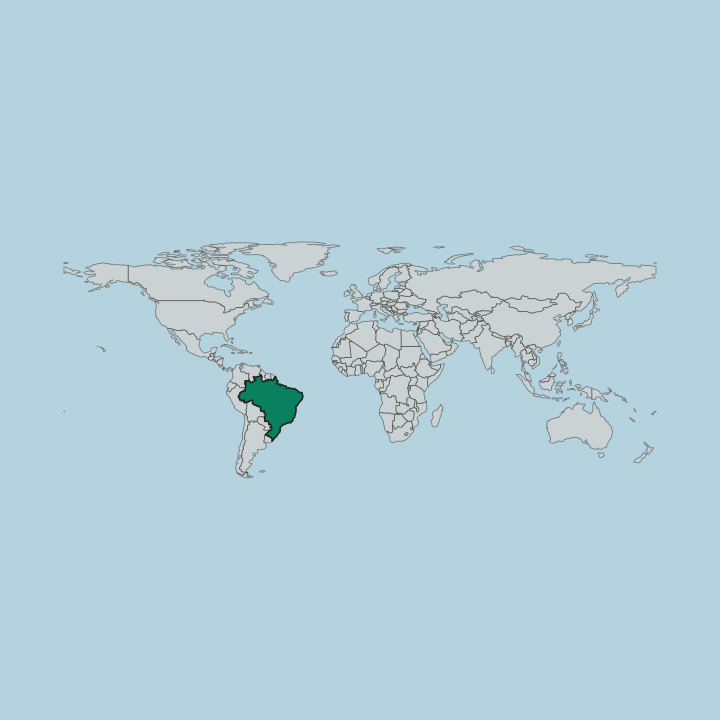
The municipality covers about seventy square kilometres. That is compact for a Brazilian municipality, and all of it sits inside the built-up sweep of Grande São Paulo rather than in open country, so the municipal line reads more clearly on a map than on the ground. Streets, not fields, meet at the edge.
The subtropical band of the southern hemisphere sets the seasons. Embu das Artes holds its old core in the middle of it.
What is the climate of Embu das Artes?
Seasons run upside down here. Embu das Artes lies in the subtropical band of the southern hemisphere, so the warm and wet stretch of the year falls around December and January while the cooler, drier weeks land in the middle of the calendar. Craft fairs run through both.
Rain is the variable that matters, and visitors planning a day among open-air stalls do better in the drier mid-year weeks than at the height of the southern summer. Bring rain cover for the stalls.
How do you get to Embu das Artes?
Almost everyone arrives from São Paulo. Embu das Artes sits inside the Metropolitan Region of São Paulo, so the roads out of the capital do the work, and a hire car, a taxi or a booked day-trip coach all end at the same handful of streets around the stalls. Flights land in the capital.
The last leg is overland, and a day trip out and back is the pattern most visitors follow rather than an overnight stay.
Common questions
What is the best area to stay in Embu das Artes?
The old centre: Buyers working the craft stalls before the day-trip coaches unload. Toward the Basilica Minor: Drivers and churchgoers who want the quiet side of Embu. São Paulo instead: Itineraries treating the Museu do Índio as one stop of many.
Good for
More cities in São Paulo
Updated October 2026