Brazil · São Paulo
Where to Stay in Indaiatuba, São Paulo
Indaiatuba is a Brazilian city of the Metropolitan Region of Campinas in São Paulo state, its Tupi name meaning a gathering of palm trees.
Hotel links are affiliate links: booking through them may earn us a commission, at no extra cost to you. It never affects how places are ranked. How this works


Where to stay in Indaiatuba
How the choice of base plays out on the ground.
Business travel fills these rooms. Indaiatuba works as part of an industrial belt rather than as a destination, so the rooms here are shaped by weekday demand and the quiet that follows it on a Saturday. Weekends are the quiet ones.
A central room puts the Museu Casarão Pau Preto and the Museu Ferroviário de Indaiatuba inside a short walk, which is most of what the old part of the municipality asks of a visitor. Little else is walkable. Campinas is the alternative.
The Metropolitan Region of Campinas is named for its centre, and that city carries the hotel stock and the evening choice that a working municipality of three hundred square kilometres does not, which suits you if the trip is not tied to one particular works. Indaiatuba then becomes a morning. Drivers have the easier time either way, since the city stands 624 metres up and the distances between the industrial estates, the old centre and the open farmland are all car distances.
Nothing here is far by car. Little of it joins up on foot beyond the two museums and the streets around them.
Few places to stay in Indaiatuba — most visitors book in Campinas nearby.
Find hotels in Indaiatuba
Direct booking searches for these neighbourhoods.
The old centre
The Museu Casarão Pau Preto and the Museu Ferroviário de Indaiatuba are the two fixed points a central room puts on foot.Find hotels in The old centreWeekday work inside the manufacturing belt around IndaiatubaThe industrial estates
Rooms out by the works answer the weekday demand that an industrial municipality generates, and they empty again by Saturday.Find hotels in The industrial estatesHotel links are affiliate links: booking through them may earn us a commission, at no extra cost to you. It never affects how places are ranked. How this works
About Indaiatuba
Manufacturing is what pays here.
What is Indaiatuba known for?
Indaiatuba belongs to the Metropolitan Region of Campinas, one of the main industrial regions of Brazil, and the city's character comes from that work rather than from any single monument. Two museums stand apart. The Museu Ferroviário de Indaiatuba keeps the railway record and the Museu Casarão Pau Preto keeps the house.
Palms gave the place its name.
What are the main landmarks in Indaiatuba?
Few names make the list in Indaiatuba. Two museums carry it: the Museu Ferroviário de Indaiatuba, which keeps the railway history of a city that industry built, and the Museu Casarão Pau Preto, a mansion turned museum that holds the older domestic side of the same story. Beyond those two, the record stops.
What Indaiatuba has instead is the working landscape of the Metropolitan Region of Campinas, and a name from Tupi that records the palms which stood here before any of it. Palms first, then rails.
What is the history of Indaiatuba?
The name predates the town. Indaiatuba comes from Tupi and translates roughly as a gathering of palm trees, which means the ground was described before it was settled, and the description outlasted every change that came after. Settlement is dated to 1830.
That puts the founding in the nineteenth century, on ground 624 metres above the sea, and the Museu Casarão Pau Preto holds what survives of the domestic architecture from that time. A mansion, essentially. Rails reached the settlement next.
The Museu Ferroviário de Indaiatuba exists because the line did, and the railway is the hinge between the settlement of 1830 and the manufacturing city that came out of it. Industry followed the track. Indaiatuba ended up inside one of the main industrial regions of Brazil, and the Metropolitan Region of Campinas formalised that position by grouping it with the city that anchors the belt.
Palms gave way to plant. The municipality covers three hundred and eleven square kilometres of country that is neither wholly urban nor wholly farmed, and the two museums are what the older versions of it left behind.
Where is Indaiatuba?
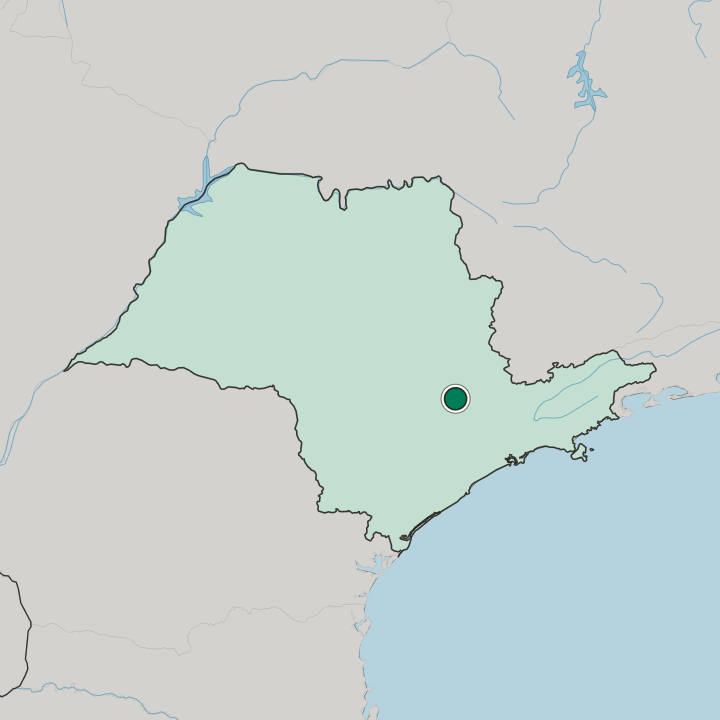
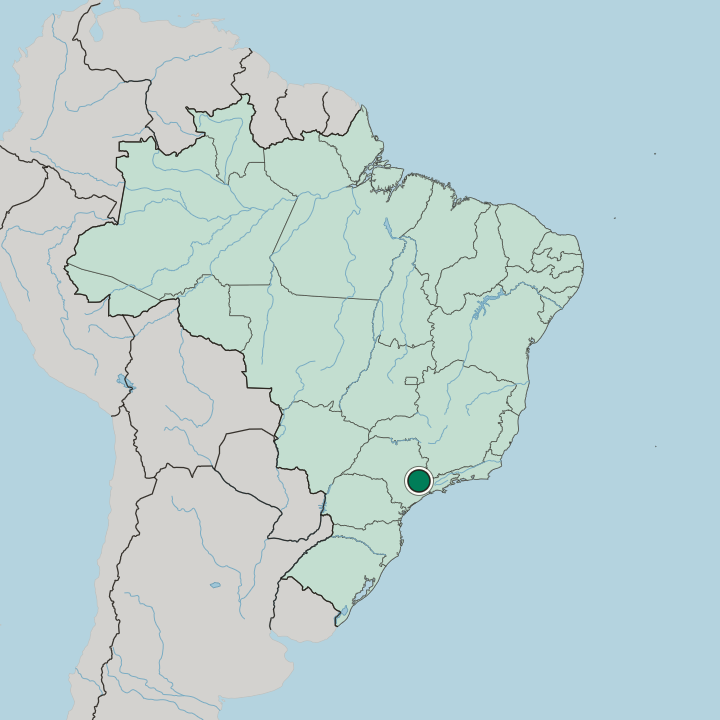
Three hundred and eleven square kilometres of municipality. Indaiatuba stands 624 metres above the sea inside the Metropolitan Region of Campinas, high enough that the heat of the tropical band arrives tempered rather than at full strength. The land is worked, not wild.
Industrial estates, farmland and the built city divide the municipality between them. Palms named it.
What is the climate of Indaiatuba?
Height takes the edge off. Indaiatuba stands 624 metres above the sea in the tropical band of the southern hemisphere, which gives it a warm wet season around the turn of the year and a cooler dry one through the middle months without the full weight of lowland heat. Nights drop away.
The dry stretch is the reliable one for anything outdoors, and the wet months bring their rain in heavy afternoon bursts rather than in steady grey days. Mornings are the working hours.
How do you get to Indaiatuba?
Nearly every arrival is by road. Indaiatuba sits inside the Metropolitan Region of Campinas, so arrivals come along the roads that serve the industrial belt, and the journey is measured against Campinas rather than against the state capital. Buses run the corridor.
Anyone arriving by air lands elsewhere in the region and finishes the trip overland, which for a city built around industry is the ordinary way in.
Common questions
What is the best area to stay in Indaiatuba?
The old centre: A short walk between the Museu Casarão Pau Preto and the railway museum. The industrial estates: Weekday work inside the manufacturing belt around Indaiatuba. Campinas instead: Evenings that a working municipality of this size cannot offer.
More cities in São Paulo
Updated September 2026