Brazil · São Paulo
Where to Stay in Itu, São Paulo
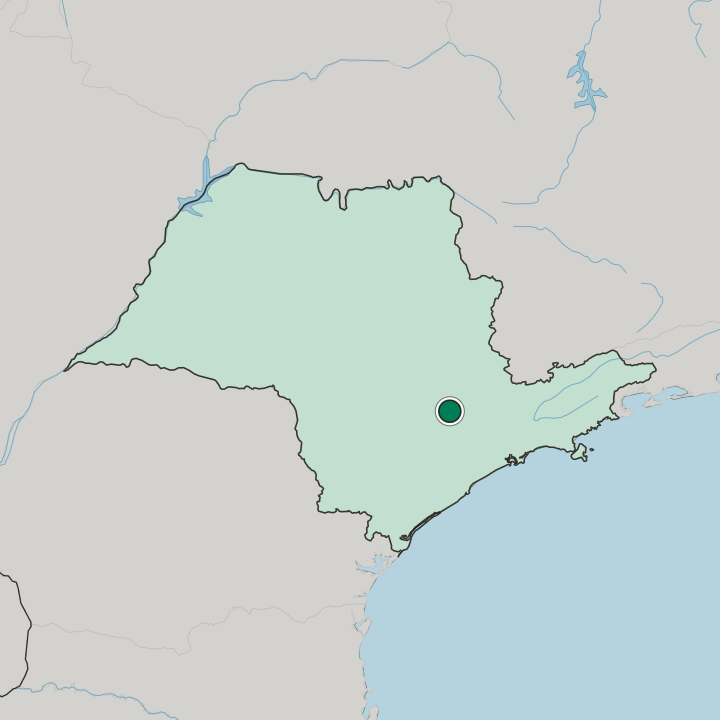
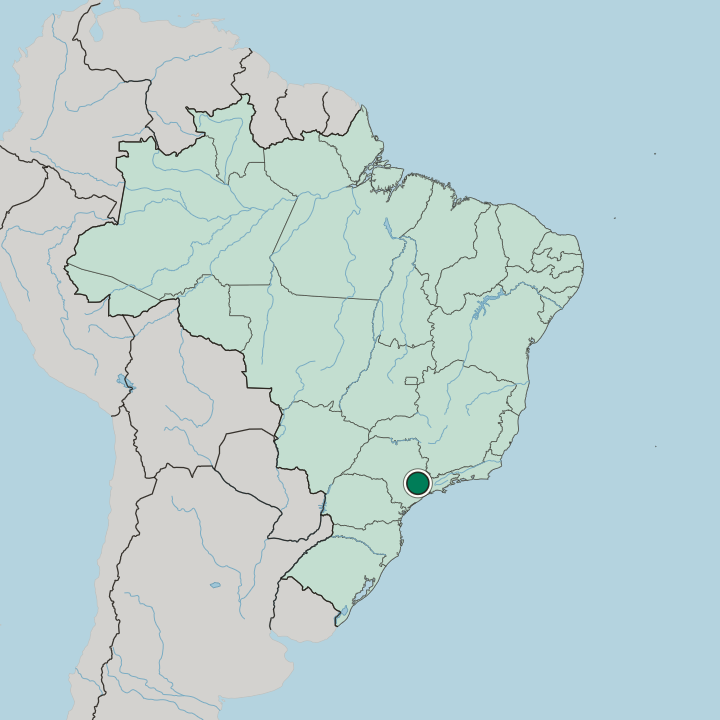
The name is Tupi for big waterfall. Itu is a historic city of São Paulo state, on the Tietê in the Metropolitan Region of Sorocaba.
Hotel links are affiliate links: booking through them may earn us a commission, at no extra cost to you. It never affects how places are ranked. How this works


Where to stay in Itu
The practical side of choosing where to sleep.
Two kinds of bed, roughly. The old streets around the Parish Church of Our Lady of the Candles and the Church and Convent of Our Lady of Mount Carmel put the museums and the colonial frontages within walking reach, which suits a short heritage stay with no car at all. The rural share is the alternative.
Itu carries a state resort designation, and a good deal of what that covers lies out in the countryside, in the part of the municipality that keeps heritage buildings well away from the centre. Distance decides most of it. A room in the old town keeps the Museu Republicano, the Museu da Música and the Museu do Quartel on foot, whereas a place among the fields trades that for space and makes the Fábrica de Arte Marcos Amaro an easier stop by car.
Neither choice is short of ground to cover. Everyday supplies concentrate at the Plaza Shopping Itu, which is where a longer stay ends up whichever side of the municipality the room is on, and the Trem Republicano is worth timing a day around.
Find hotels in Itu
Direct booking searches for these neighbourhoods.
The colonial centre
The Parish Church of Our Lady of the Candles and the Church and Convent of Our Lady of Mount Carmel stand within the same few blocksFind hotels in The colonial centreCountry stays under Itu's state resort designationThe rural municipality
Heritage buildings and the Fábrica de Arte Marcos Amaro sit out among the fields beyond the old town. Lodging is scarce in this area; reserve in advance.Find hotels in The rural municipalityLonger stays that want everyday supplies rather than colonial frontagesAround the Plaza Shopping Itu
The Plaza Shopping Itu anchors the workaday quarter away from the church squaresFind hotels in Around the Plaza Shopping ItuHotel links are affiliate links: booking through them may earn us a commission, at no extra cost to you. It never affects how places are ranked. How this works
Things to do in Itu
Ranked by global recognition; descriptions from Wikidata (CC0).
Museums & Galleries
3- Museu Republicano "Convencão de Itú" Heritage
- Fábrica de Arte Marcos Amaro
- Museu da Energia de Itu
Churches & Religious Sites
5- Parish Church of Our Lady of the Candles Heritage
- Igreja do Senhor Bom Jesus Heritage
- Church and Convent of Our Lady of Mount Carmel Heritage
- Igreja Nossa Senhora do Patrocínio Heritage
- Igreja do Patrocínio Heritage
Landmarks & Notable Places
3- Clube Comerciários Heritage
- Colégio Voiron Heritage
- Cooperativa do Sesi Heritage
worth knowingacross 3 categories in Itu
About Itu
Oversized things are the local joke.
What is Itu known for?
Itu trades on outsized versions of ordinary objects, a habit that runs through street decoration, handcrafts and even food, while the Museu Republicano keeps the serious claim that the town counts as the birthplace of the Brazilian Republic. The Trem Republicano borrows that history. Colonial heritage fills the rest of the register, from the Parish Church of Our Lady of the Candles to the Fábrica de Arte Marcos Amaro.
What are the main landmarks in Itu?
Churches come first here. The Church and Convent of Our Lady of Mount Carmel, the Igreja do Senhor Bom Jesus and the paired dedications of Igreja do Patrocínio and Igreja Nossa Senhora do Patrocínio mark out the colonial core the town has kept. Museums crowd in behind.
Museu da Música, Museu do Quartel and Museu da Energia de Itu split the collections between sound, soldiering and power, while Colégio Voiron carries a school building onto the same heritage register.
What is the history of Itu?
Foundation dates to 1610. Colonial settlement fixed the street pattern well before the modern state took shape around it, and the name itself is older than the Portuguese record, coming out of the Tupi language with the sense of a big waterfall. Two rivers cross the municipality.
The Tietê and the Jundiaí both run through Itu, which grew up in the Sorocabana country as an inland centre rather than a coastal one. Politics gave the town its second claim. A republican convention is what the Museu Republicano commemorates, and on the strength of that gathering Itu is counted the birthplace of the Brazilian Republic, a title the Trem Republicano carries along with it.
Later institutions crowd the record too. Cooperativa do Sesi and Clube Comerciários belong to the associational life of the twentieth century, while the Fábrica de Arte Marcos Amaro marks a newer turn, a factory building handed over to art instead of production. The state lists Itu as a resort town.
That designation is administrative as much as descriptive, and it covers heritage in the countryside as squarely as the churches and museums of the old centre, which is why the municipal record reads longer than the size of the town alone would suggest.
Where is Itu?
Water names the place. Itu spreads across roughly 640 square kilometres of ground near 583 metres above the sea, which leaves the municipality with far more countryside than town, and heritage sites are scattered over that rural share as well as the centre. The Tietê comes through.
The Jundiaí works the same drainage, and between them the two rivers supply the water that the Tupi name describes.
What is the climate of Itu?
Height takes the edge off. Sitting near 583 metres above the sea, Itu holds the warm tropical pattern of inland São Paulo without the heavy air of lower ground, and the valleys of the Tietê and the Jundiaí mark the lowest and warmest lines across the municipality. Seasons run southern.
Rain belongs to the warm half of the year rather than the cool one.
How do you get to Itu?
Roads bring in almost every visitor. Itu sits inside the Metropolitan Region of Sorocaba and near enough to São Paulo that driving is the ordinary way in, while the spread of the municipality keeps a car useful once the historic centre has been walked. The Trem Republicano is the exception.
That heritage service is a ride rather than a route, so anyone timing a visit around it should still treat the drive as the way out.
Common questions
What is the best area to stay in Itu?
The colonial centre: Heritage stays walking between the Museu Republicano and the Museu da Música. The rural municipality: Country stays under Itu's state resort designation. Around the Plaza Shopping Itu: Longer stays that want everyday supplies rather than colonial frontages.
Good for
More cities in São Paulo
Updated October 2026