Brazil · São Paulo
Where to Stay in Pindamonhangaba, São Paulo
Pindamonhangaba, founded in 1705 in the Vale do Paraíba of São Paulo state, keeps its palacetes, its railway station and the Palácio Dez de Julho.
Hotel links are affiliate links: booking through them may earn us a commission, at no extra cost to you. It never affects how places are ranked. How this works


Where to stay in Pindamonhangaba
The practical side of choosing where to sleep.
The choice in Pindamonhangaba is between the streets that hold Palacete Palmeira, Palacete Tiradentes and the Palácio Dez de Julho, and the wider valley ground the municipality takes in beyond them. The first is a walking proposition. Guests who came for the Igreja de São José da Vila Real and the Casa de Câmara e Cadeia de Pindamonhangaba want to be near them, and the built-up core is where those names sit.
A car is not the point there. The Museu Histórico Pedagógico Dom Pedro I e Dona Leopoldina makes an easy addition to the same afternoon. Out in the Vale do Paraíba the arithmetic changes, because the municipality covers a long stretch of valley and a room out there buys space instead of proximity.
Trade-offs are plain. Estação Ferroviária de Pindamonhangaba anchors the town side for anyone arriving without a car, while the valley side suits drivers moving on through São Paulo state. The Doutor Alfredo Pujol school and the Museu Histórico Pedagógico Dom Pedro I e Dona Leopoldina are town-side names, and they settle the question for most short stays.
Find hotels in Pindamonhangaba
Direct booking searches for these neighbourhoods.
The built-up core around the Palácio Dez de Julho
The Igreja de São José da Vila Real and the Casa de Câmara e Cadeia de Pindamonhangaba stand on this groundFind hotels in The built-up core around the Palácio Dez de JulhoDrivers crossing the Vale do Paraíba who want space over proximityThe valley ground beyond the town
The municipality reaches far past the streets that hold the Estação Ferroviária de PindamonhangabaFind hotels in The valley ground beyond the townHotel links are affiliate links: booking through them may earn us a commission, at no extra cost to you. It never affects how places are ranked. How this works
Things to do in Pindamonhangaba
Ranked by global recognition; descriptions from Wikidata (CC0).
Museums & Galleries
1- Museu Histórico Pedagógico Dom Pedro I e Dona Leopoldina
Churches & Religious Sites
1- Igreja de São José da Vila Real Heritage
Castles & Historic Sites
1- Palácio Dez de Julho Heritage
Landmarks & Notable Places
3- Palacete Palmeira Heritage
- Palacete Tiradentes Heritage
- Casa de Câmara e Cadeia de Pindamonhangaba Heritage
worth knowingacross 4 categories in Pindamonhangaba
About Pindamonhangaba
Palacetes give the town its face.
What is Pindamonhangaba known for?
Palacete Palmeira and Palacete Tiradentes stand alongside the Palácio Dez de Julho, and the Igreja de São José da Vila Real gives the older parish its own entry on a list of eight recorded sites. The Museu Histórico Pedagógico Dom Pedro I e Dona Leopoldina keeps the record. A railway station and a council house complete the picture of a municipality whose written history begins in 1705.
What are the main landmarks in Pindamonhangaba?
Casa de Câmara e Cadeia de Pindamonhangaba pairs the council chamber with the lock-up in one name, and the Estação Ferroviária de Pindamonhangaba marks the arrival of the railway in the valley. Two palacetes follow. Palacete Palmeira and Palacete Tiradentes carry the domestic side, while the Palácio Dez de Julho takes the civic one.
Igreja de São José da Vila Real and the Doutor Alfredo Pujol school round out the eight.
What is the history of Pindamonhangaba?
The record starts in 1705. Pindamonhangaba grew in the Vale do Paraíba, the valley corridor of São Paulo state, and the Casa de Câmara e Cadeia de Pindamonhangaba is the building that says what an eighteenth-century town needed most. Government and confinement shared an address.
The Igreja de São José da Vila Real names the old vila in its title. The municipality that formed around it took in a wide stretch of valley ground, far more than the built-up streets have ever needed. Wealth arrived later, and it shows in stone.
Palacete Palmeira and Palacete Tiradentes are the townhouses of that period, and the Palácio Dez de Julho carries a date in its name rather than a family, which puts it on the civic rather than the private side of the register. The railway followed. Estação Ferroviária de Pindamonhangaba fixed the town on a line, and the Doutor Alfredo Pujol school and the Museu Histórico Pedagógico Dom Pedro I e Dona Leopoldina came with the institutions of a settled municipality.
Município de Pindamonhangaba is the formal name it answers to in Brazil, and the shorter form is what everyone uses.
Where is Pindamonhangaba?
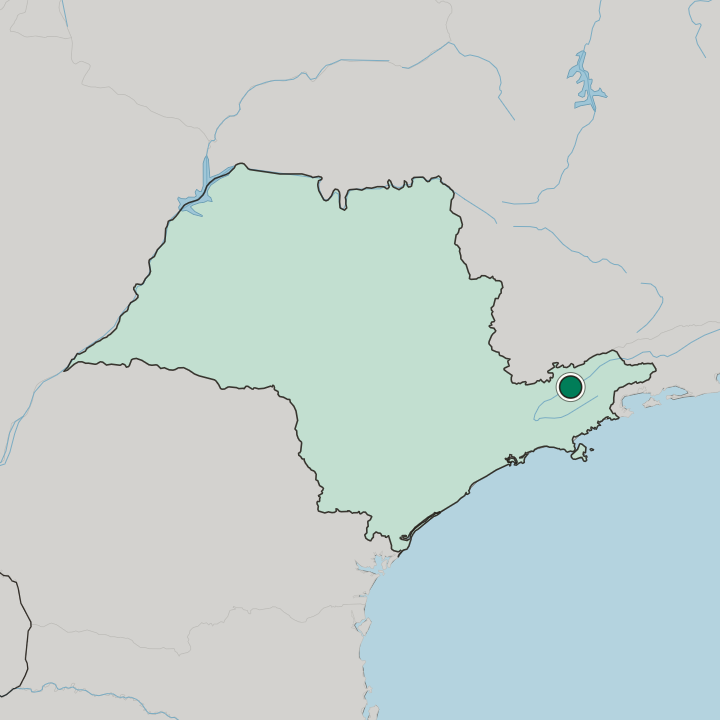
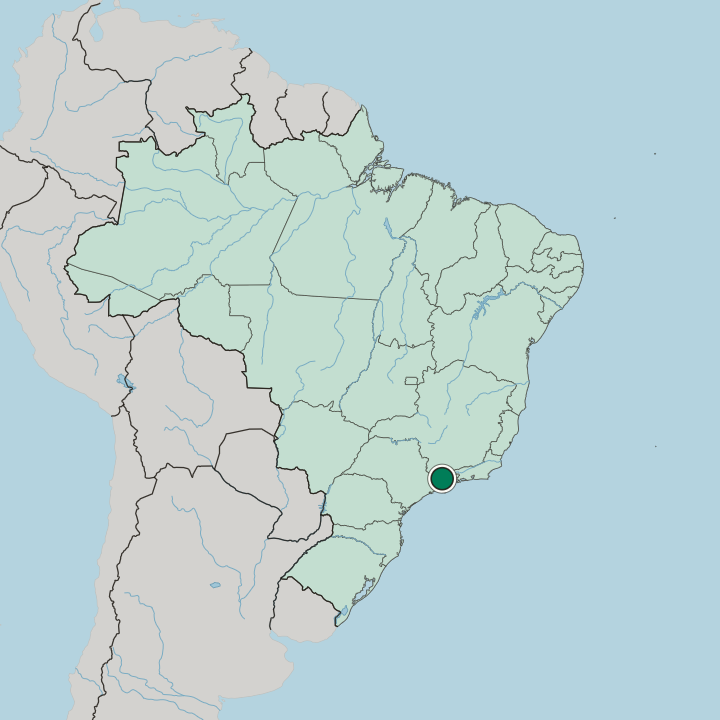
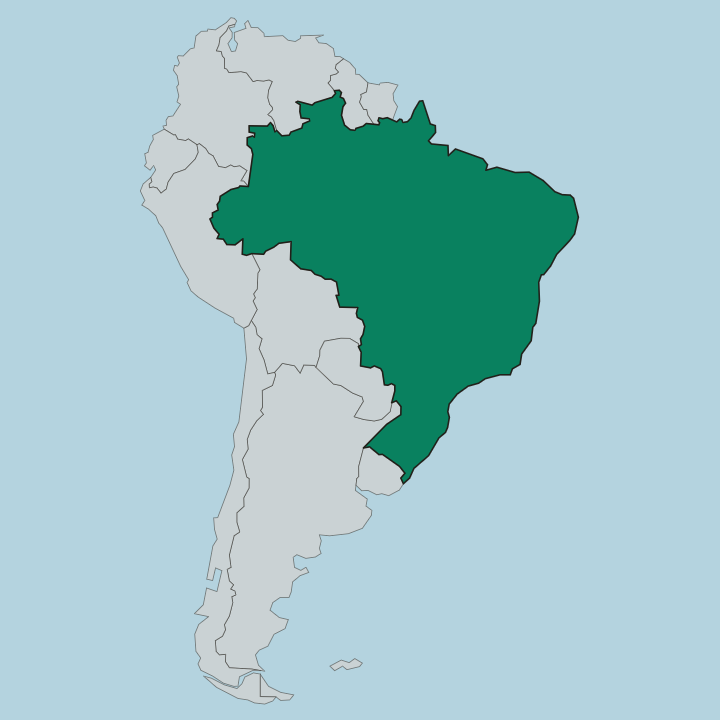
The valley does the shaping. Pindamonhangaba lies along the Vale do Paraíba, and the municipal boundary takes in roughly seven hundred and thirty square kilometres of it, so the built-up town is a small part of the territory carrying its name. That ground falls in the tropical band of Brazil, in the Southern Hemisphere.
The Vale do Paraíba runs the axis, and everything here is measured along it.
What is the climate of Pindamonhangaba?
Heat comes with the tropical band. Pindamonhangaba sits inside it, in the Vale do Paraíba, where the Southern Hemisphere calendar puts the hottest months around the turn of the year and the mildest around the middle of it. Valley air holds the warmth of the afternoon.
Anything planned for the Palacete Palmeira and a walk between the palacetes is best set outside the hottest weeks of January.
How do you get to Pindamonhangaba?
The line came through the valley. Estação Ferroviária de Pindamonhangaba is the physical record of that, and the Vale do Paraíba has carried movement between São Paulo state's towns along the same corridor ever since. Roads follow the valley too.
The old civic buildings, the Palácio Dez de Julho and the Casa de Câmara e Cadeia de Pindamonhangaba, are what a visitor heads for once here.
Common questions
What is the best area to stay in Pindamonhangaba?
The built-up core around the Palácio Dez de Julho: Walking days taking in Palacete Palmeira and Palacete Tiradentes. The valley ground beyond the town: Drivers crossing the Vale do Paraíba who want space over proximity.
More cities in São Paulo
Updated October 2026