Brazil · São Paulo
Where to Stay in Piracicaba, São Paulo
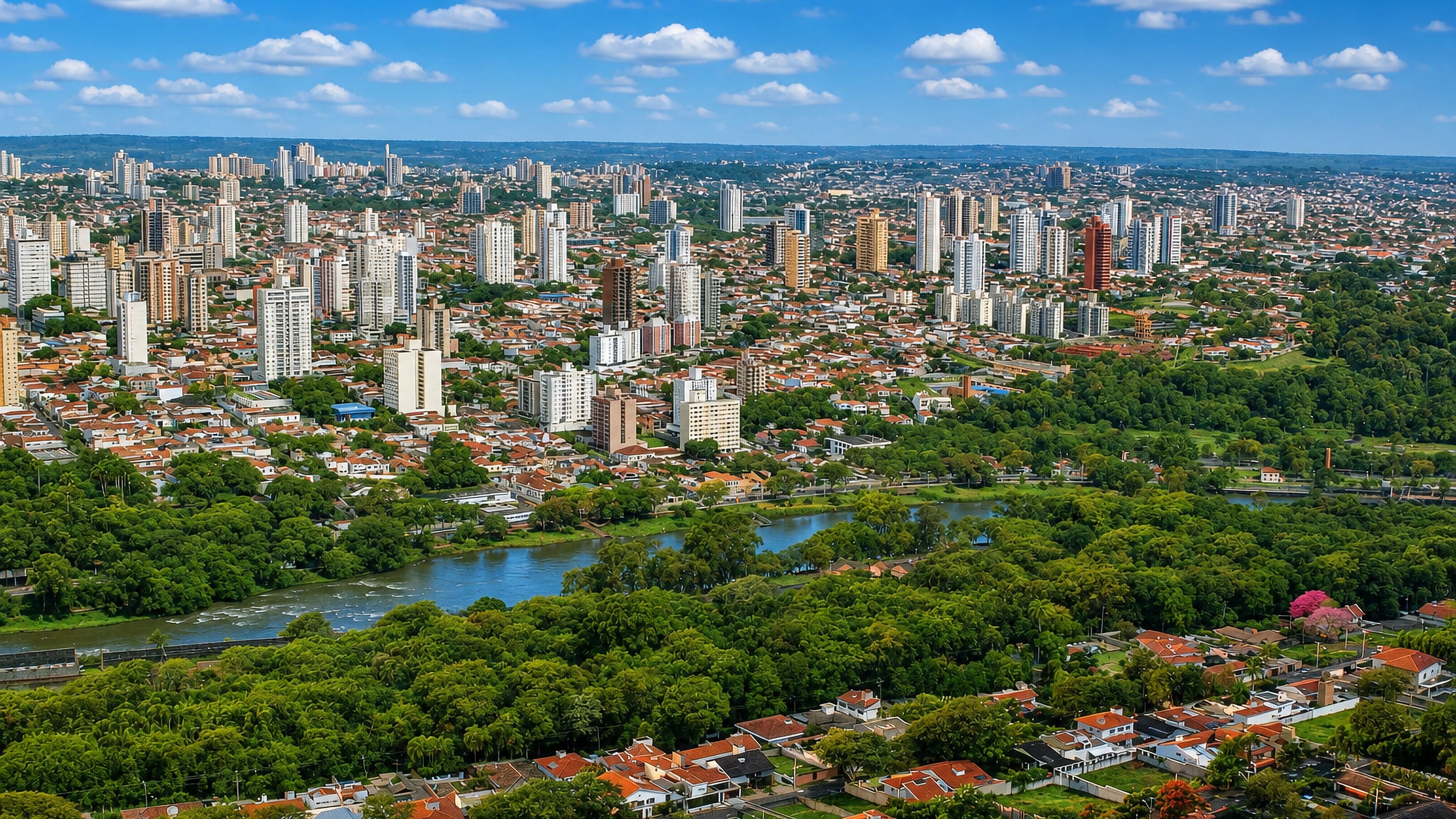
Piracicaba, founded in 1767 in São Paulo state, is named as the birthplace of the caipirinha and holds the Museu da Água among its riverside heritage.
Hotel links are affiliate links: booking through them may earn us a commission, at no extra cost to you. It never affects how places are ranked. How this works


Where to stay in Piracicaba
Where the beds are, and what that means for the visit.
The riverside quarter is one answer in Piracicaba, with the water itself as the reason people walk there in the evening and the Museu da Água carrying the theme indoors. That is the easy choice. Guests here for the Museu Histórico e Pedagógico Prudente de Moraes, the Casa de Prudente de Moraes and the Pinacoteca Municipal Miguel Dutra do better in the older streets than out in the municipality.
Distances stay short there. Piracicaba is a medium-sized city with a reputation for being pleasant, and a central room is enough to test that. Out in the municipality the picture opens up, since Piracicaba administers far more ground than it builds on and the Tyrolese villages and the University of São Paulo agriculture campus both sit away from the centre.
A car helps out there. Beyond the built-up area, quiet and parking come at the cost of an evening walk to the Centro Cultural Martha Watts or the Museu de Artes Gráficas. The Museu e Centro de Ciências, Educação e Artes Luiz de Queiroz makes the case for the campus side.
Both sides work.
Find hotels in Piracicaba
Direct booking searches for these neighbourhoods.
The riverside quarter of Piracicaba
The river frontage is what the city is known for after the caipirinhaFind hotels in The riverside quarter of PiracicabaHeritage days taking in the Pinacoteca Municipal Miguel DutraThe older streets around the Casa de Prudente de Moraes
Museu Histórico e Pedagógico Prudente de Moraes and Casa do Povoador belong to this older part of PiracicabaFind hotels in The older streets around the Casa de Prudente de MoraesVisitors pairing the agriculture campus with the Tyrolese villagesOut toward the University of São Paulo campus
Piracicaba administers far more ground than it builds on, and both lie outside the built-up centreFind hotels in Out toward the University of São Paulo campusHotel links are affiliate links: booking through them may earn us a commission, at no extra cost to you. It never affects how places are ranked. How this works
Things to do in Piracicaba
Ranked by global recognition; descriptions from Wikidata (CC0).
Museums & Galleries
3- Museu da Água Heritage
- Pinacoteca Municipal Miguel Dutra Heritage
- Museu Histórico e Pedagógico Prudente de Moraes
Landmarks & Notable Places
2- Casa de Prudente de Moraes Heritage
- Casa do Povoador Heritage
worth knowingacross 2 categories in Piracicaba
About Piracicaba
The caipirinha is claimed here.
What is Piracicaba known for?
Piracicaba is named as the drink's birthplace, and the rest of its reputation rests on a riverside quarter, the Tyrolese villages in the municipality and the agriculture campus of the University of São Paulo. Museums fill in the rest, from the Museu da Água to the Museu de Artes Gráficas. Piracicaba leads the Metropolitan Region of Piracicaba and sits within the wider Campinas region of São Paulo state.
What are the main landmarks in Piracicaba?
Two buildings carry the name of Prudente de Moraes, the Museu Histórico e Pedagógico Prudente de Moraes and the Casa de Prudente de Moraes, and between them they take up most of the city's biographical heritage. Water has a museum too. Museu da Água stands with the Museu de Artes Gráficas, the Pinacoteca Municipal Miguel Dutra and the Centro Cultural Martha Watts on the cultural list.
Casa do Povoador and the Museu e Centro de Ciências, Educação e Artes Luiz de Queiroz close it.
What is the history of Piracicaba?
The founding year is 1767. Piracicaba carried the name Vila Nova da Constituição in its formal register, and the Casa do Povoador stands for the settler generation that put the first streets by the river. Names changed; the place did not.
The University of São Paulo runs its agriculture campus in the municipality, and the Museu e Centro de Ciências, Educação e Artes Luiz de Queiroz belongs to that scientific side of the town's record. Prudente de Moraes is the figure Piracicaba records most, in a museum and in a house kept under that name. Immigration left its own villages.
The Tyrolese settlements in the municipality are the visible part of that, and the Centro Cultural Martha Watts sits on the same municipal register of cultural institutions. One drink did the rest. Piracicaba is named as the birthplace of the caipirinha, which has carried the city's name further than any of its museums, and the claim sits in the record beside the riverside quarter and the Tyrolese villages.
The Pinacoteca Municipal Miguel Dutra and the Museu de Artes Gráficas keep the printed and painted end of that history.
Where is Piracicaba?
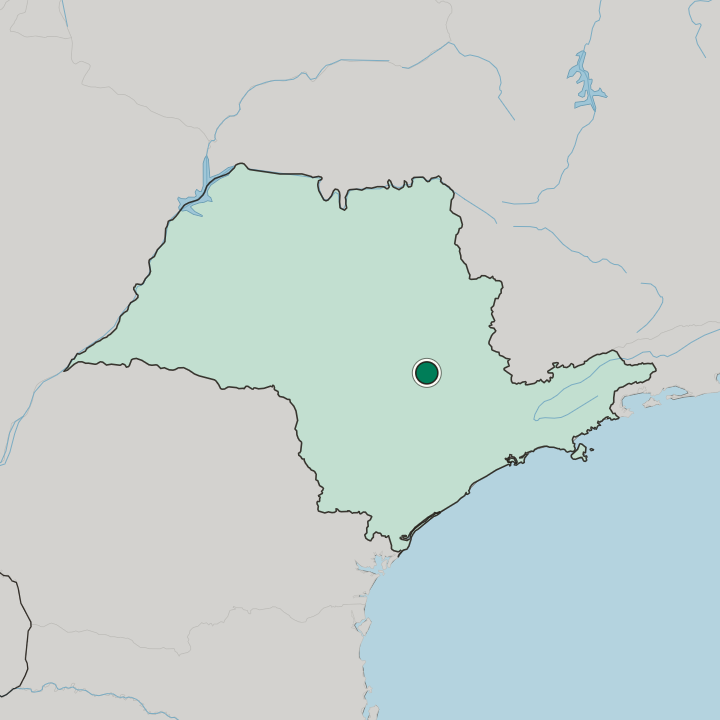
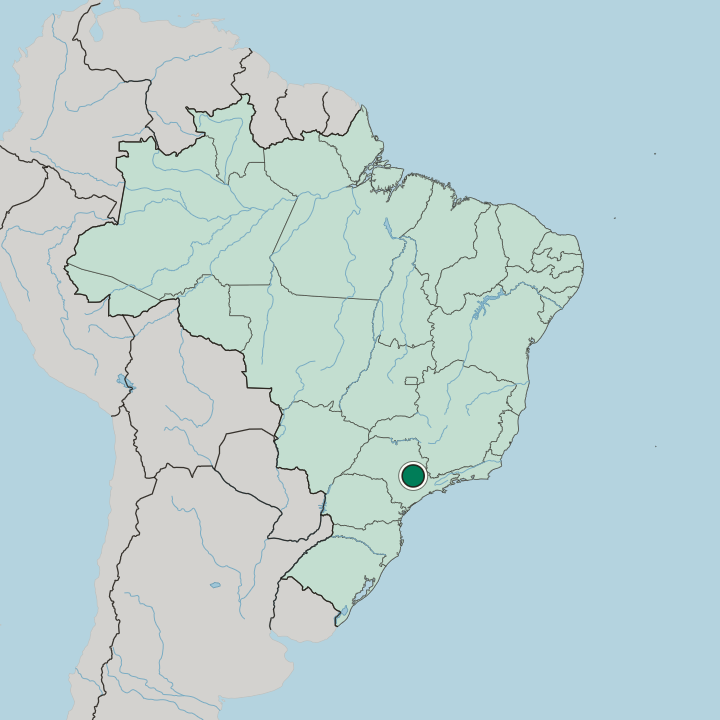
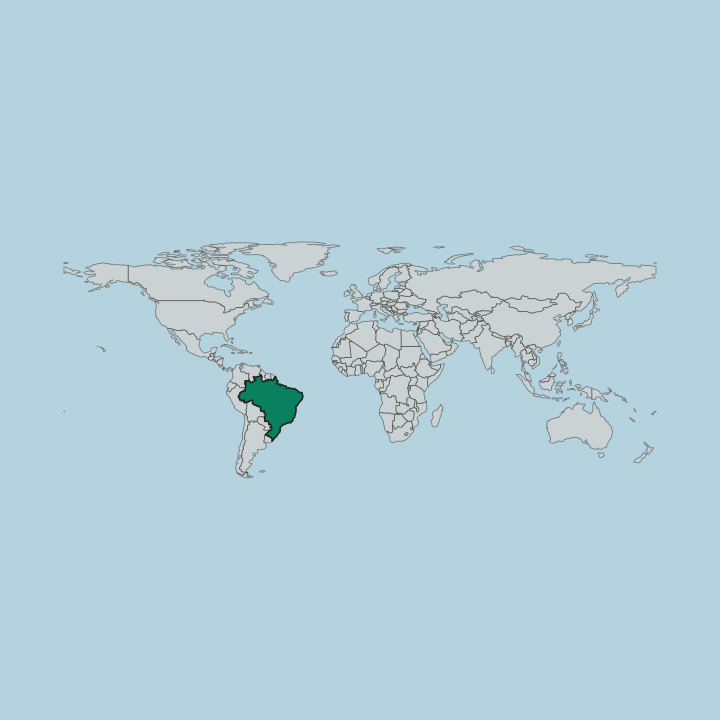
The municipality is broad. Piracicaba covers just over thirteen hundred square kilometres, of which the urban area takes about a tenth, and the rest is the country the city administers within São Paulo state. A river runs through the built-up side. Brazil's tropical band covers the whole of it, and Piracicaba counts as an interior city rather than a coastal one.
What is the climate of Piracicaba?
Piracicaba sits in the tropical band of the interior, far enough from the coast that the sea does nothing to soften the afternoons, and the Southern Hemisphere calendar puts the hottest weeks around January. July is the mild end. River air makes the riverside quarter the obvious place to be late in the day.
Pack for warm weather rather than cold.
How do you get to Piracicaba?
Roads from the state capital do the work. Piracicaba lies roughly a hundred and fifty kilometres from São Paulo, inside the Campinas region, and the drive is the usual way in for anyone crossing the interior of the state. The Metropolitan Region of Piracicaba takes its name from the city.
Once here, a first day usually runs from the Museu da Água to the Casa do Povoador and out to the University of São Paulo campus.
Common questions
What is the best area to stay in Piracicaba?
The riverside quarter of Piracicaba: Evenings by the water with the Museu da Água close by. The older streets around the Casa de Prudente de Moraes: Heritage days taking in the Pinacoteca Municipal Miguel Dutra. Out toward the University of São Paulo campus: Visitors pairing the agriculture campus with the Tyrolese villages.
Good for
More cities in São Paulo
Updated October 2026