Brazil · São Paulo
Where to Stay in Rio Claro, São Paulo
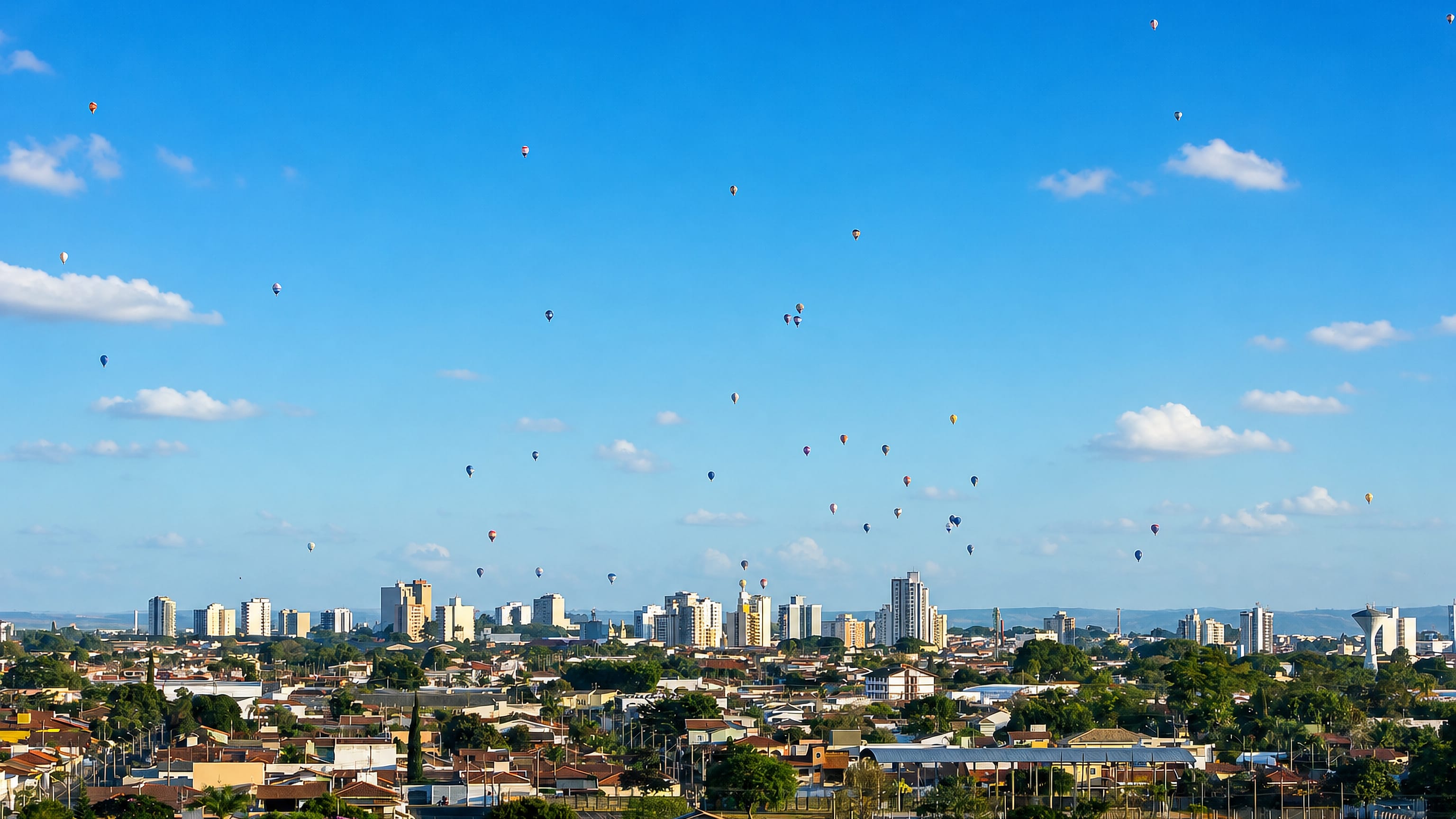
A city of the state of São Paulo in Brazil, Rio Claro dates from 1827 and keeps museums of rocks, fossils, and the eucalyptus.
Hotel links are affiliate links: booking through them may earn us a commission, at no extra cost to you. It never affects how places are ranked. How this works


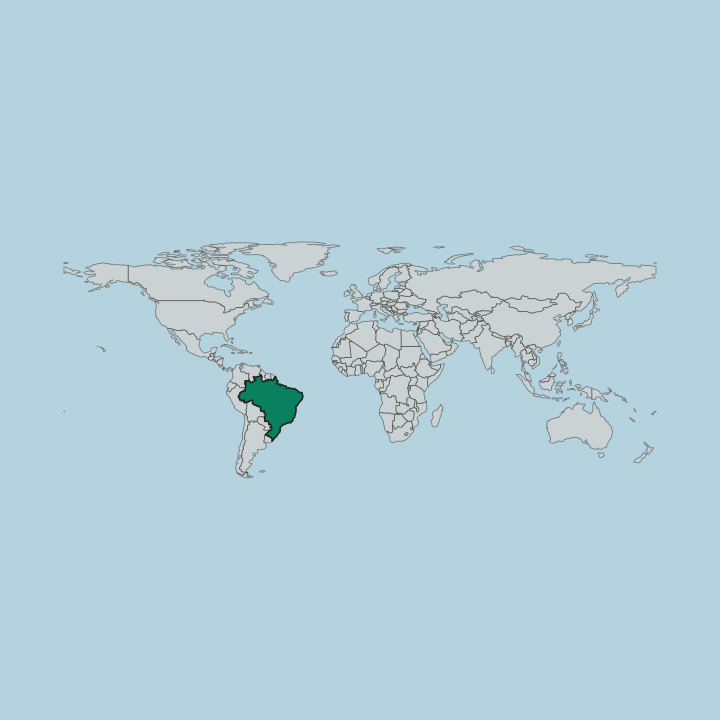
Where to stay in Rio Claro
Where visitors usually base themselves, and why.
Sobrado do Barão de Dourados fixes the centre. Beds within reach of that townhouse put the old core of Rio Claro, its parish church and its everyday shops on foot, which suits a short stay that means to see the collections and little else. The Paróquia Evangélica de Confissão Luterana de Rio Claro stands close enough to work as a second marker.
Museu Theodor Kölle sits within the same central reach and repays an hour. Distances in the core stay small. The university side reads differently.
Rooms out towards the Museu de Paleontologia e Estratigrafia - Universidade Estadual Paulista and the Herbário Rioclarense trade the shops for a quieter and greener grain, and they suit anyone whose reason for coming is the collections rather than the town itself. ETEC Professor Armando Bayeux da Silva brings its own steady traffic of students and visiting parents onto the same streets. The Museu de Minerais e Rochas Heinz Ebert and the Museum of the Eucalyptus fill the afternoon between the two ends.
Both ends can be walked in a morning.
Find hotels in Rio Claro
Direct booking searches for these neighbourhoods.
Around Sobrado do Barão de Dourados
The old core, where the Barão de Dourados townhouse and the Lutheran parish standFind hotels in Around Sobrado do Barão de DouradosVisitors coming for the Museu de Paleontologia e EstratigrafiaThe Universidade Estadual Paulista side
Quieter and greener streets sharing their ground with the Herbário RioclarenseFind hotels in The Universidade Estadual Paulista sideStays tied to the school and to Museu Theodor KölleNear ETEC Professor Armando Bayeux da Silva
Student streets with the Museum of the Eucalyptus a short errand awayFind hotels in Near ETEC Professor Armando Bayeux da SilvaHotel links are affiliate links: booking through them may earn us a commission, at no extra cost to you. It never affects how places are ranked. How this works
Things to do in Rio Claro
Ranked by global recognition; descriptions from Wikidata (CC0).
Museums & Galleries
3- Museum of the Eucalyptus Heritage
- Museu de Minerais e Rochas Heinz Ebert
- Herbário Rioclarense
Churches & Religious Sites
1- Paróquia Evangélica de Confissão Luterana de Rio Claro
Landmarks & Notable Places
2- Sobrado do Barão de Dourados Heritage
- ETEC Professor Armando Bayeux da Silva
worth knowingacross 3 categories in Rio Claro
About Rio Claro
Rocks, fossils, and pressed plants fill the shelves.
What is Rio Claro known for?
The Museu de Minerais e Rochas Heinz Ebert and the Museu de Paleontologia e Estratigrafia - Universidade Estadual Paulista between them make Rio Claro a town where the deep record of the ground is kept on public view. Herbário Rioclarense holds the living half of that record. Six museums sit inside one municipality.
The Museum of the Eucalyptus takes a single tree as its entire subject, while the Museu Virtual de Biociências carries the same bent into a form without walls.
What are the main landmarks in Rio Claro?
Sobrado do Barão de Dourados is the oldest face of the town. The Museu de Minerais e Rochas Heinz Ebert holds minerals and rock, the Museu de Paleontologia e Estratigrafia - Universidade Estadual Paulista holds fossils and strata, and Herbário Rioclarense holds the pressed plants. One parish stands apart.
Paróquia Evangélica de Confissão Luterana de Rio Claro carries the Lutheran congregation, and Museu Theodor Kölle keeps a second German name on the map of the city.
What is the history of Rio Claro?
Rio Claro was founded in 1827. Sobrado do Barão de Dourados is the clearest survivor of that first century, a two-storey townhouse carrying a baron's title in its name and standing where the town first took its shape. Dates are scarce.
What the place keeps instead of chronicle is its collections, rock and mineral, fossil and stratum, and a museum given over entirely to the eucalyptus, each of them assembled long after the founding year and each standing in for a document. Three names in that record are not Portuguese. Heinz Ebert and Theodor Kölle each have a museum named for them, and the Paróquia Evangélica de Confissão Luterana de Rio Claro keeps a Lutheran congregation in the same streets.
Teaching came through institutions rather than through any single founder, and both the Universidade Estadual Paulista and ETEC Professor Armando Bayeux da Silva carry that work in the state of São Paulo. The ground itself is the oldest exhibit. Strata held in the Museu de Paleontologia e Estratigrafia - Universidade Estadual Paulista run back past every date this city can claim for itself.
Where is Rio Claro?
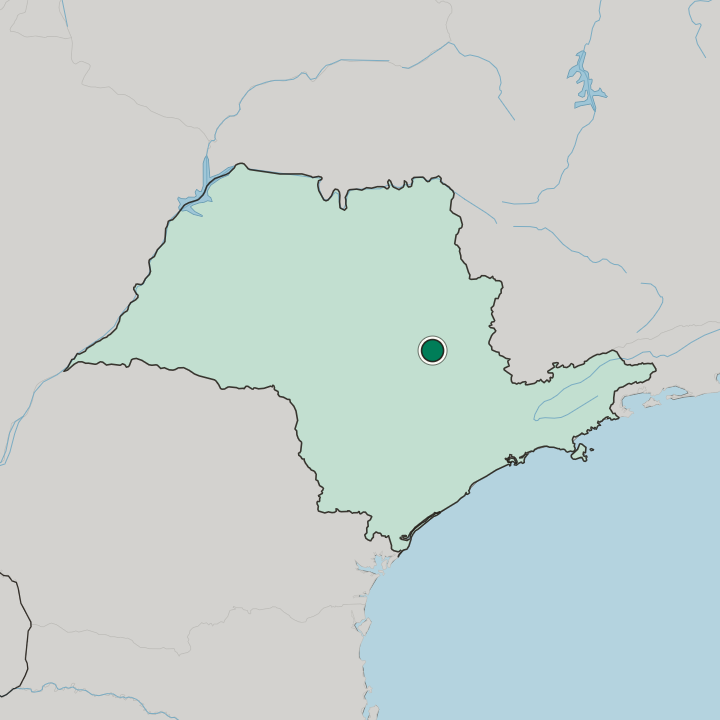
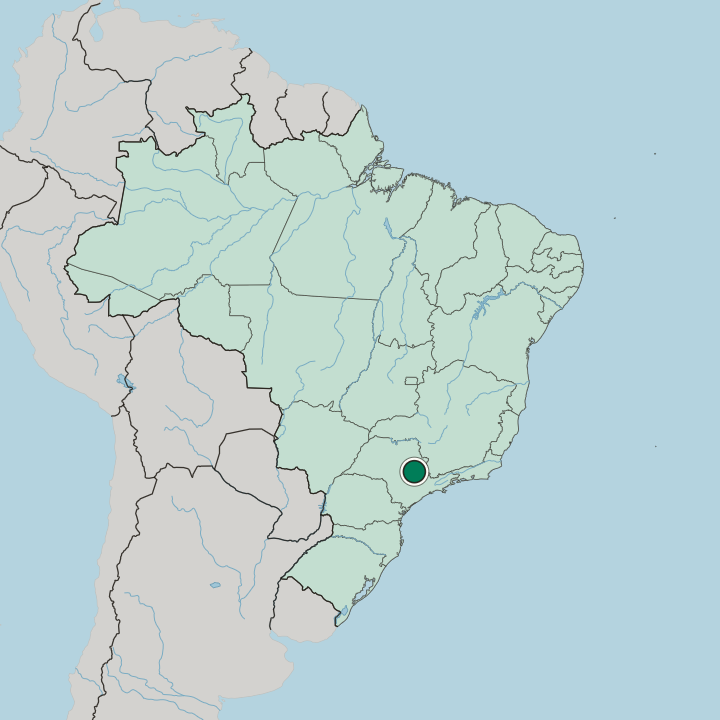
The municipality covers close to 498 square kilometres of the state of São Paulo. Rio Claro lies in the tropics of the southern hemisphere, and the ground under it is interesting enough that a university museum exists to explain its strata. Rock is the local subject.
Herbário Rioclarense and the Museum of the Eucalyptus record what grows above that rock, so the surface and the subsurface of one municipality end up catalogued side by side.
What is the climate of Rio Claro?
The year divides into rain and no rain. Rio Claro sits within the tropical band of the southern hemisphere, so the wet months arrive as the northern half of the world cools and the dry stretch settles across the middle of the calendar. Growth follows that split.
Plants pressed into Herbário Rioclarense and the trees recorded by the Museum of the Eucalyptus answer to it, and so does the working rhythm of the country around this corner of the state of São Paulo.
How do you get to Rio Claro?
Every approach crosses the state of São Paulo. Sobrado do Barão de Dourados is the marker to aim for in the centre, and the campus collections of the Universidade Estadual Paulista sit at the far end of the short axis that most visits to Rio Claro run along. Those two ends bracket the town.
Anyone arriving for ETEC Professor Armando Bayeux da Silva or the Museu de Minerais e Rochas Heinz Ebert is heading into that same corridor rather than out of it.
Common questions
What is the best area to stay in Rio Claro?
Around Sobrado do Barão de Dourados: Short stays built around the collections of Rio Claro. The Universidade Estadual Paulista side: Visitors coming for the Museu de Paleontologia e Estratigrafia. Near ETEC Professor Armando Bayeux da Silva: Stays tied to the school and to Museu Theodor Kölle.
Good for
More cities in São Paulo
Updated October 2026