Brazil · São Paulo
Where to Stay in Santa Bárbara d'Oeste, São Paulo
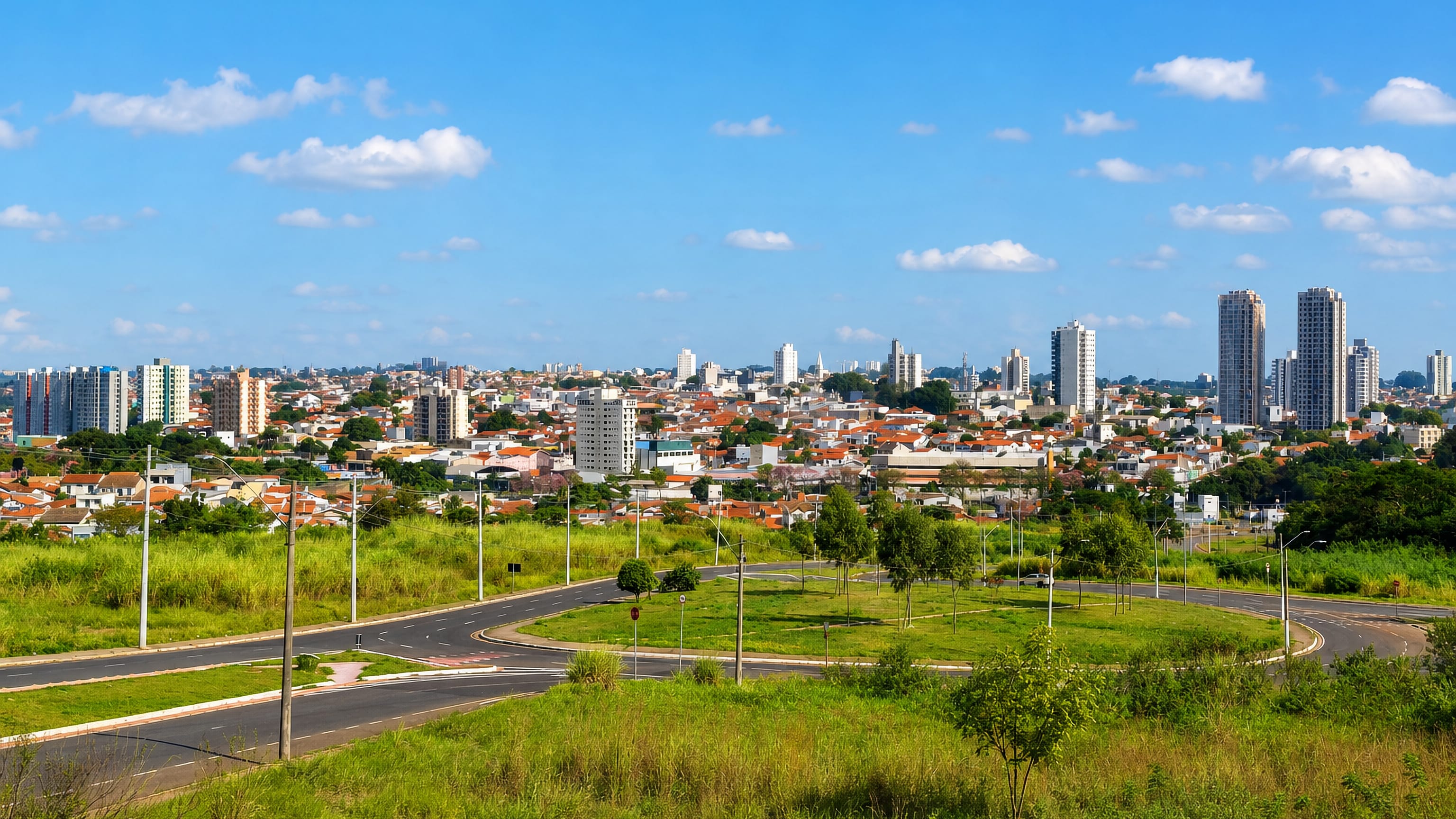
Santa Bárbara d'Oeste, founded in 1818, sits in the Metropolitan Region of Campinas, with an immigration museum and the Cemitério dos Americanos.
Hotel links are affiliate links: booking through them may earn us a commission, at no extra cost to you. It never affects how places are ranked. How this works


Where to stay in Santa Bárbara d'Oeste
Where the beds are, and what that means for the visit.
The centre gathers around Igreja Matriz Santa Bárbara. Rooms in those streets put the Antigo Cineteatro Santa Rosa, the Fórum de Santa Bárbara d'Oeste and the everyday shopping of the town a few minutes apart on foot, which makes the simplest base for a first visit. Caixa d'Água de Santa Bárbara d'Oeste rises over the same quarter.
Escola Estadual Comendador Emílio Romi and the Centro de Memórias Historiador Antonio Carlos Angolini stand within that walk as well, which keeps the civic errands and the town archive on one side of the map. It is a short town. Estação Ferroviária de Santa Bárbara d'Oeste anchors a different quarter, older in feel and tied to the works at Antiga Usina Santa Bárbara rather than to the counters of the centre.
Families do better near the Parquinho do Panambi, where painted panels and play sculptures give children something no museum will match, and where the streets settle down after dark. Caminho dos Flamboyants gives the green walk. Chácara Wolf and Museu da Imigração sit close enough that a stay on this side can take in both without a car.
Find hotels in Santa Bárbara d'Oeste
Direct booking searches for these neighbourhoods.
Around Igreja Matriz Santa Bárbara
The old centre under the Caixa d'Água water tower, with the Fórum and the shops at the doorFind hotels in Around Igreja Matriz Santa BárbaraStays drawn to the old station and Antiga Usina Santa BárbaraThe Estação Ferroviária quarter
Industrial streets beside the former works, quieter than the parish end of townFind hotels in The Estação Ferroviária quarterFamilies after the Panambi play sculptures and the Caminho dos FlamboyantsNear Parquinho do Panambi
Residential ground on the green edge, within reach of Chácara WolfFind hotels in Near Parquinho do PanambiHotel links are affiliate links: booking through them may earn us a commission, at no extra cost to you. It never affects how places are ranked. How this works
Things to do in Santa Bárbara d'Oeste
Ranked by global recognition; descriptions from Wikidata (CC0).
Museums & Galleries
1- Museu da Imigração
Castles & Historic Sites
1- Conjunto de painéis e esculturas lúdicas do Parquinho do Panambi Heritage
Landmarks & Notable Places
8- E. E. José Gabriel de Oliveira Heritage
- Antigo Cineteatro Santa Rosa Heritage
- Capela do Cemitério dos Americanos Heritage
- Escola Estadual Comendador Emílio Romi Heritage
- Igreja Batista Memorial Heritage
Show 3 more →
- Portal de entrada do União Agrícola Barbarense Futebol Clube Heritage
- Casarão Neocolonial na Av. de Cillos Heritage
- Cia. Fiação e Tecelagem Santa Bárbara / Campo Belo Heritage
worth knowingacross 3 categories in Santa Bárbara d'Oeste
About Santa Bárbara d'Oeste
Immigration is the through-line.
What is Santa Bárbara d'Oeste known for?
Museu da Imigração holds the record of the families who settled here, the Capela do Cemitério dos Americanos stands over the burial ground that names them, and Igreja Presbiteriana Central marks a congregation that came with them. Factory work accounts for the rest. Antiga Usina Santa Bárbara, the water tower called Caixa d'Água de Santa Bárbara d'Oeste and the sheds of Fiação e Tecelagem Santa Bárbara survive from the years of shift work.
Igreja Matriz Santa Bárbara still holds the older centre.
What are the main landmarks in Santa Bárbara d'Oeste?
The list here runs long. Igreja Matriz Santa Bárbara, the Antigo Cineteatro Santa Rosa and the Estação Ferroviária de Santa Bárbara d'Oeste make up the civic set, with the Fórum de Santa Bárbara d'Oeste close behind. Water has its own monuments, in the Caixa d'Água de Santa Bárbara d'Oeste and the Estação de Tratamento de Água I, both kept as heritage rather than left to the utility.
Chapels multiply. Capela Nossa Senhora do Carmo, Capela Santo Antônio and the Capela do Cemitério dos Americanos each mark a separate congregation.
What is the history of Santa Bárbara d'Oeste?
The municipality dates from 1818. Igreja Matriz Santa Bárbara belongs to that first settlement, and the older streets of Santa Bárbara d'Oeste still fold around it in the pattern a parish church usually leaves behind. Then came others.
The Capela do Cemitério dos Americanos, Igreja Presbiteriana Central and Igreja Batista Memorial together record arrivals from outside the Catholic settlement of the state of São Paulo, and Museu da Imigração was built to keep what those families brought with them. Rail and industry wrote the next chapter. Estação Ferroviária de Santa Bárbara d'Oeste tied the town into the network feeding Campinas, and Fiação e Tecelagem Santa Bárbara and Antiga Usina Santa Bárbara turned it into a place of shifts and whistles rather than of harvests alone.
Maquininha da Usina survives from that plant. Antigo Cineteatro Santa Rosa dates the years when a mill town could support its own screen and stage. Centro de Memórias Historiador Antonio Carlos Angolini gathers the paper end of all this, while Chácara Wolf and the Casarão Neocolonial hold the built end, so the record survives in two forms at once.
Where is Santa Bárbara d'Oeste?
The municipality covers about 272 square kilometres. Only a fraction of that is built, some 43 square kilometres of urban ground, with the rest given over to fields and to the roads running out through the Metropolitan Region of Campinas. Urban ground is the minority.
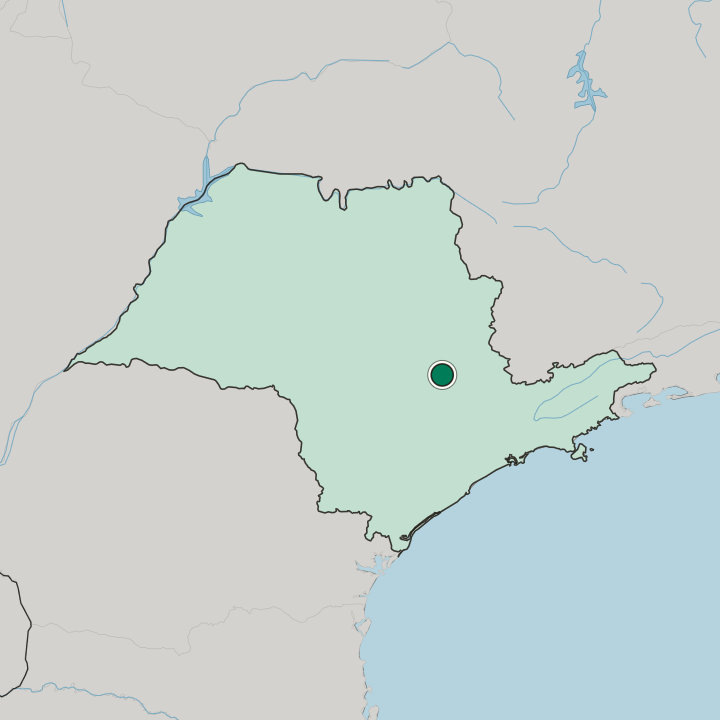
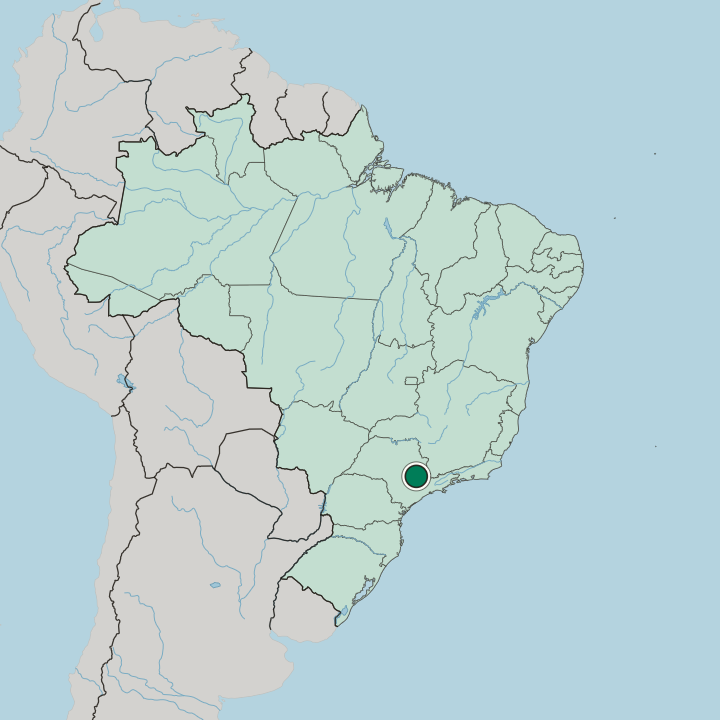
Santa Bárbara d'Oeste lies north-west of São Paulo, the state capital, and water turns up in its built record through the Caixa d'Água de Santa Bárbara d'Oeste and the Estação de Tratamento de Água I.
What is the climate of Santa Bárbara d'Oeste?
Rain keeps to the warmer half of the year. Santa Bárbara d'Oeste sits south of the equator and inside the tropics, which by itself sets the pattern: a wet season through the southern summer, then a long dry run when the sky holds. Trees do the cooling.
Caminho dos Flamboyants is the clearest instance, a walk given over to flowering trees that read the turning season more plainly than any instrument in the Metropolitan Region of Campinas.
How do you get to Santa Bárbara d'Oeste?
Estação Ferroviária de Santa Bárbara d'Oeste was the historic point of arrival. Approaches now come overland across the Metropolitan Region of Campinas, since the town lies north-west of the state capital and is reached through that ring of neighbours rather than directly. Igreja Matriz Santa Bárbara orients the rest.
Anyone bound for Museu da Imigração or the Capela do Cemitério dos Americanos is heading away from the centre, out towards the quieter edge of the built area.
Common questions
What is the best area to stay in Santa Bárbara d'Oeste?
Around Igreja Matriz Santa Bárbara: First visits taking in the Antigo Cineteatro Santa Rosa on foot. The Estação Ferroviária quarter: Stays drawn to the old station and Antiga Usina Santa Bárbara. Near Parquinho do Panambi: Families after the Panambi play sculptures and the Caminho dos Flamboyants.
More cities in São Paulo
Updated October 2026