Brazil · São Paulo
Where to Stay in Santana de Parnaíba, São Paulo
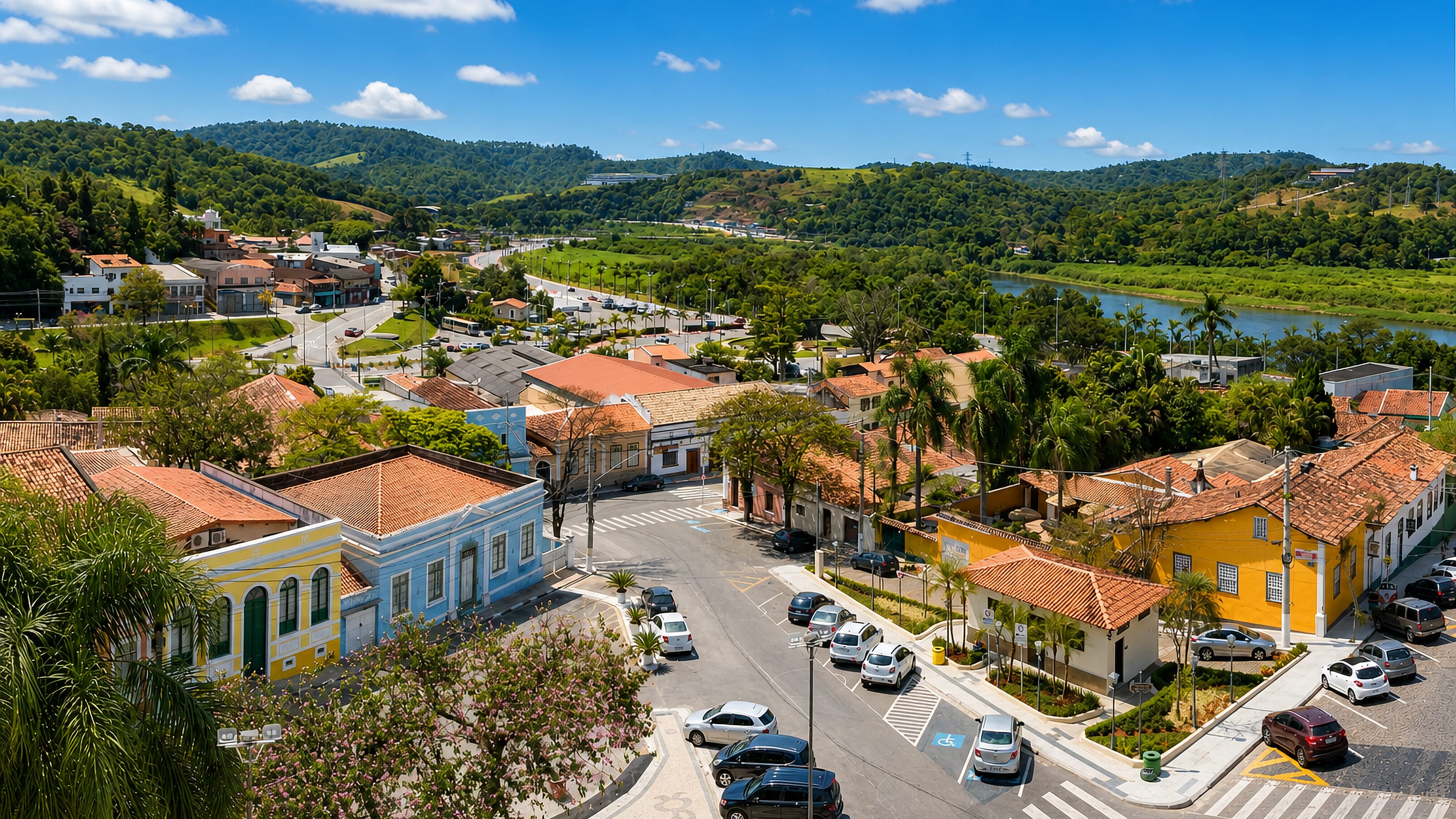
Santana de Parnaíba, founded by the Tietê River in 1625, keeps a colonial centre held as a state heritage site near São Paulo.
Hotel links are affiliate links: booking through them may earn us a commission, at no extra cost to you. It never affects how places are ranked. How this works


Where to stay in Santana de Parnaíba
How the choice of base plays out on the ground.
The historic centre is small enough to cross in an afternoon. Staying beside Saint Anne Parish Church and the Sobrado do Anhanguera puts the whole heritage area on foot, though lodging inside those protected streets is thin and the town has never built much for visitors. Beds are scarce there.
Museu Casa do Anhanguera and the Monumento aos Bandeirantes stand within the same few blocks. Frei Agostinho de Jesus has his monument in the same grid, and the Passion of Christ performance takes over these lanes when it comes round each year. Newer ground carries most of the rooms.
The parts of Santana de Parnaíba that face the rest of the Metropolitan Region of São Paulo are ordinary and well connected, and a room out there trades the colonial streets for an easier approach by road. The Tietê River runs below the town. Anyone here for the music will want the Casa do Samba Parnaibano within reach, while the Museu Parnaibano de Música Bendito Antônio Pedroso and the Museu Anhanguera e Casarão Monsenhor Paulo Florêncio da Silveira Camargo both sit back in the old quarter.
Access is the awkward part.
Find hotels in Santana de Parnaíba
Direct booking searches for these neighbourhoods.
The colonial centre
The protected core beside Saint Anne Parish Church, crossable in an afternoon. Rooms are few around here — worth securing early.Find hotels in The colonial centreDrivers wanting the easier road link back into Grande São PauloThe newer municipality
Ordinary streets outside the heritage grid, where most of the rooms actually areFind hotels in The newer municipalityTravellers timing a visit with the Passion of Christ performanceAround Casa do Samba Parnaibano
Inside the walking radius of the samba house and the Parnaibano music museumFind hotels in Around Casa do Samba ParnaibanoHotel links are affiliate links: booking through them may earn us a commission, at no extra cost to you. It never affects how places are ranked. How this works
Things to do in Santana de Parnaíba
Ranked by global recognition; descriptions from Wikidata (CC0).
Museums & Galleries
3- Casa do Samba Parnaibano Heritage
- Museu Anhanguera e Casarão Monsenhor Paulo Florêncio da Silveira Camargo
- Museu Parnaibano de Música Bendito Antônio Pedroso
Churches & Religious Sites
1- Saint Anne Parish Church (Santana de Parnaíba) Heritage
Castles & Historic Sites
3- Monumento aos Bandeirantes Heritage
- Monumento a Frei Agostinho de Jesus
- Suzana Dias
Landmarks & Notable Places
2- Museu Casa do Anhanguera Heritage
- Sobrado do Anhanguera Heritage
worth knowingacross 4 categories in Santana de Parnaíba
About Santana de Parnaíba
The colonial centre draws the visitors.
What is Santana de Parnaíba known for?
Streets of Santana de Parnaíba survive as a state heritage site, with the Sobrado do Anhanguera and the Museu Casa do Anhanguera among the houses kept from that period. Saint Anne Parish Church tops it. An open-air Passion of Christ performance fills the same lanes once a year, and the Casa do Samba Parnaibano and the Museu Parnaibano de Música Bendito Antônio Pedroso hold the town's music in the record between times.
What are the main landmarks in Santana de Parnaíba?
Anhanguera turns up three times. The Museu Casa do Anhanguera, the Sobrado do Anhanguera and the Museu Anhanguera e Casarão Monsenhor Paulo Florêncio da Silveira Camargo all carry that name, and between them they hold most of what survives from the colonial fabric. Saint Anne Parish Church stands at the middle of it.
Monuments mark people rather than buildings, among them Suzana Dias and a memorial to Frei Agostinho de Jesus. Music has its own house. Casa do Samba Parnaibano keeps that side of the record.
What is the history of Santana de Parnaíba?
Suzana Dias founded the settlement in 1625, on ground above the Tietê River. The place belongs to the bandeirante century, and both the Monumento aos Bandeirantes and the Anhanguera name repeated across its museums record the expeditions that set out from towns like this one into the interior. Domingos Jorge Velho was born here.
So was Warwick Estevam Kerr, several centuries later, which leaves the town two names in the national record from opposite ends of its span. The Museu Casa do Anhanguera occupies one of the houses of that period, and the Sobrado do Anhanguera another, so the century is documented in its own walls. The colonial grid survived where others did not.
Santana de Parnaíba kept its low houses and its narrow lanes into the present, and the state listed the whole centre as heritage instead of picking out single buildings from it. Saint Anne Parish Church held the parish through all of it. Frei Agostinho de Jesus is remembered with a monument.
What draws visitors is the same fabric those bandeirante families left behind, walked through each year by the crowd that comes for the open-air Passion of Christ.
Where is Santana de Parnaíba?
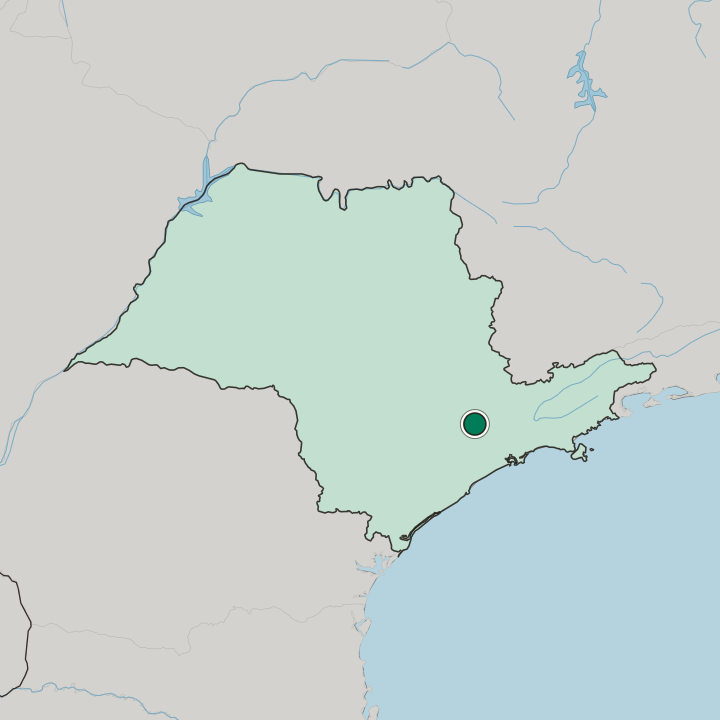
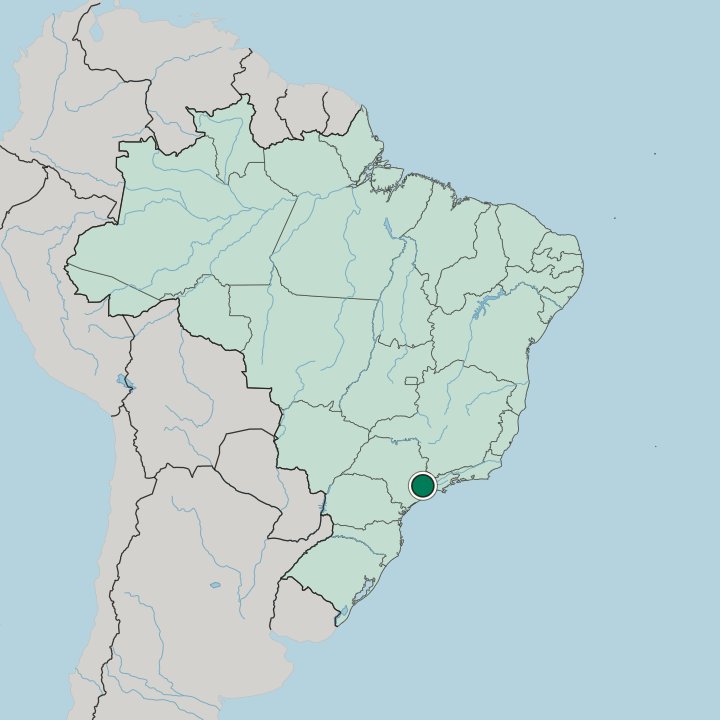
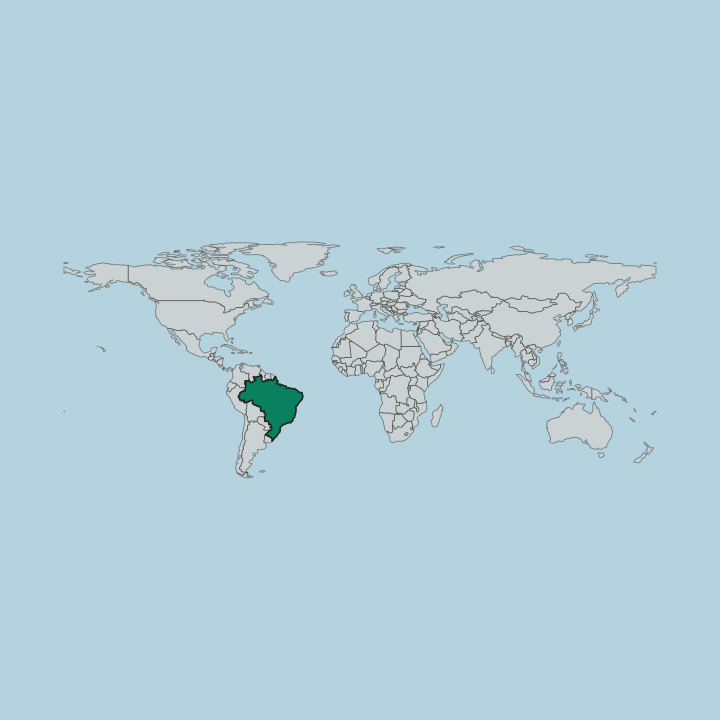
About 180 square kilometres make up the municipality. Santana de Parnaíba sits within the Metropolitan Region of São Paulo, close to the state capital and still awkward to reach, which is much of why its old streets were never cleared away. The Tietê River is the fixed feature.
Ground here is tropical and south of the equator, and the built area covers only part of the municipal land.
What is the climate of Santana de Parnaíba?
Two seasons, wet and dry. Santana de Parnaíba lies in the tropics of the southern half of the world, so the rains gather through the warm months and thin out when the middle of the year turns cooler. The Tietê River carries that swing.
Heat sits heaviest in the same months as the rain, which is worth weighing before a long day in the open streets of the colonial centre or an evening at the Passion of Christ.
How do you get to Santana de Parnaíba?
Access is this town's known difficulty. Santana de Parnaíba lies inside the Metropolitan Region of São Paulo, near the state capital, yet the roads in are indirect enough that the place stayed off the ordinary tourist circuit. Roads carry the traffic.
Once inside, Saint Anne Parish Church and the Monumento aos Bandeirantes work as the markers to steer by, with the Tietê River below and the colonial grid above it.
Common questions
What is the best area to stay in Santana de Parnaíba?
The colonial centre: Visitors here for the Sobrado do Anhanguera and the heritage streets. The newer municipality: Drivers wanting the easier road link back into Grande São Paulo. Around Casa do Samba Parnaibano: Travellers timing a visit with the Passion of Christ performance.
Good for
More cities in São Paulo
Updated October 2026