Brazil · São Paulo
Where to Stay in São Carlos, São Paulo
São Carlos grew from an 1857 foundation in São Paulo state, where a cathedral, five churches and a physics memorial share one grid. Science shaped it.
Hotel links are affiliate links: booking through them may earn us a commission, at no extra cost to you. It never affects how places are ranked. How this works


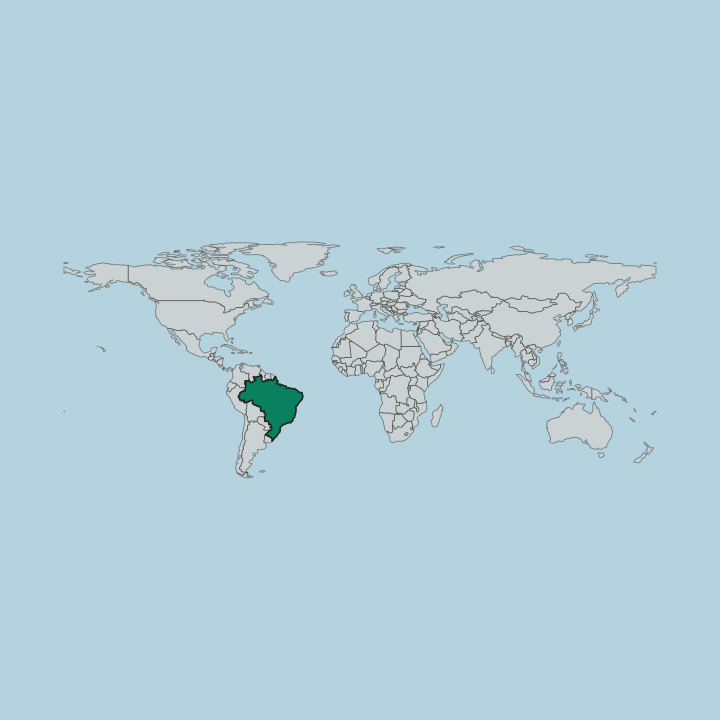
Where to stay in São Carlos
Where visitors usually base themselves, and why.
Three parts of São Carlos pull in different directions, and which one you sleep in decides how much of the day is spent driving rather than looking at anything. Start with the cathedral blocks. São Carlos Cathedral and the Palacete Conde do Pinhal stand close together on the central grid, and a room among them leaves the Museu Histórico e Pedagógico Cerqueira César and the Pinacoteca Municipal José Guilherme Camargo Toledo within an easy walk.
The Avenida Getúlio Vargas approach suits drivers better. Its roundabout monument is the first thing most arrivals see, beds along it are quicker to leave in the morning, and the road keeps the Praça dos Voluntários monument and the Igreja Santo Antônio de Pádua on the way rather than out of it. Families tend to want green ground instead.
The Parque Ecológico de São Carlos gives them that, and a bed on its side of the municipality trades the cathedral view for space, parking and a shorter run to the Museum of Science Professor Mario Tolentino. Nights are quieter out there. Between the three, the honest question is whether churches, roads or the park will set the shape of your mornings, because this municipality covers well over a thousand square kilometres and no single base reaches all of it on foot.
Find hotels in São Carlos
Direct booking searches for these neighbourhoods.
The cathedral grid
São Carlos Cathedral and the Palacete Conde do Pinhal face the same central blocks.Find hotels in The cathedral gridDrivers who want the Getúlio Vargas roundabout at the doorAlong Avenida Getúlio Vargas
The roundabout monument on Avenida Getúlio Vargas sets the line traffic follows into town.Find hotels in Along Avenida Getúlio VargasFamilies splitting days between the Parque Ecológico and the Tolentino science roomsThe Parque Ecológico side
The Parque Ecológico de São Carlos holds the greenest ground the municipality keeps.Find hotels in The Parque Ecológico sideHotel links are affiliate links: booking through them may earn us a commission, at no extra cost to you. It never affects how places are ranked. How this works
Things to do in São Carlos
Ranked by global recognition; descriptions from Wikidata (CC0).
Museums & Galleries
3- Memorial Casa Ronald Golias Heritage
- Museu Histórico e Pedagógico Cerqueira César
- Energy Museum
Churches & Religious Sites
5- Igreja Presbiteriana de São Carlos Heritage
- Paróquia Nossa Senhora de Fátima Heritage
- Paróquia São Sebastião Heritage
- Igreja Santo Antônio de Pádua Heritage
- São Benedito Parish Church Heritage
Castles & Historic Sites
3- Monument at Praça dos Voluntários (São Carlos)
- Monumento na rotatória da Av. Getúlio Vargas
- Homenagem aos pioneiros da Física de São Carlos
Landmarks & Notable Places
1- Palacete Conde do Pinhal Heritage
worth knowingacross 4 categories in São Carlos
About São Carlos
Physics has a monument here.
What is São Carlos known for?
The Homenagem aos pioneiros da Física de São Carlos honours the researchers the city counts as its own, while the Museum of Science Professor Mario Tolentino and the Energy Museum carry that same interest into rooms the public can walk through. Churches hold the other half of the story. São Carlos Cathedral leads them, with the Igreja Presbiteriana de São Carlos and the Paróquia São Sebastião close behind.
What are the main landmarks in São Carlos?
São Carlos Cathedral sets the centre. Around it the Igreja Presbiteriana de São Carlos, the Igreja Santo Antônio de Pádua, the Paróquia Nossa Senhora de Fátima, the Paróquia São Sebastião and the São Benedito Parish Church spread the parish map across the built-up ground. One mansion survives from the landowning era.
The Palacete Conde do Pinhal carries that title in its name, while the Memorial Casa Ronald Golias and the Pinacoteca Municipal José Guilherme Camargo Toledo hold the memorial and the municipal art.
What is the history of São Carlos?
São Carlos was founded in 1857. The Palacete Conde do Pinhal belongs to the generation that followed, a townhouse built for a titled landowning family at a time when São Paulo state wealth was measured in estates rather than in factories or laboratories. Parishes came with the growth.
São Carlos Cathedral, the Paróquia Nossa Senhora de Fátima and the São Benedito Parish Church trace how the built-up ground widened outward from the first square, each new church standing where the last edge of the town had been. The second inheritance is technical. Its clearest sign is the Homenagem aos pioneiros da Física de São Carlos, a public tribute to physicists rather than to soldiers or founders, and one that few cities of this size in Brazil have thought to raise.
The Energy Museum and the Museum of Science Professor Mario Tolentino followed that turn. Both put working technical material in front of a general audience, and the Museu Histórico e Pedagógico Cerqueira César keeps the older municipal record beside them, so that the estate century and the laboratory century sit within a few streets of one another.
Where is São Carlos?
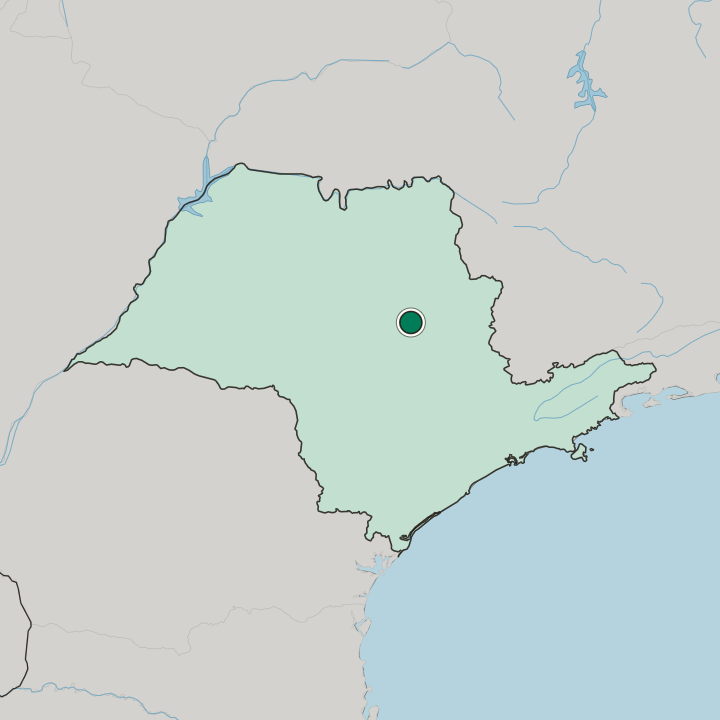
The municipal territory runs well past a thousand square kilometres. Most of that is country rather than street, so the built-up part of São Carlos occupies a modest share of what the map assigns to it, and the rest carries the farmland and open ground that surround the city on every side. Green space is kept deliberately too.
The Parque Ecológico de São Carlos protects a piece of it inside the urban edge, close enough that a walk there fits between the Museum of Science Professor Mario Tolentino and the cathedral blocks.
What is the climate of São Carlos?
Tropical latitudes set the terms. São Carlos falls in the tropical band of the southern hemisphere, which keeps the annual swing narrow and moves the real division of the year from temperature to rainfall, with the wetter months arriving while the northern hemisphere is deep in winter. Shade matters more than a coat.
The Parque Ecológico de São Carlos is best walked early, and the Energy Museum and the Pinacoteca Municipal José Guilherme Camargo Toledo take the hours when the sun is high.
How do you get to São Carlos?
Avenida Getúlio Vargas is the way in. Its roundabout monument stands where the through traffic meets the built-up grid, and drivers coming from elsewhere in São Paulo state usually meet that circle before they meet anything else in São Carlos. Praça dos Voluntários marks the next stop.
From there the cathedral blocks are a short run, though the far corners of a municipality this wide still ask for a car rather than for patience.
Common questions
What is the best area to stay in São Carlos?
The cathedral grid: Walkers pairing São Carlos Cathedral with the Palacete Conde do Pinhal. Along Avenida Getúlio Vargas: Drivers who want the Getúlio Vargas roundabout at the door. The Parque Ecológico side: Families splitting days between the Parque Ecológico and the Tolentino science rooms.
Good for
More cities in São Paulo
Updated October 2026