Brazil · São Paulo
Where to Stay in São Sebastião, São Paulo
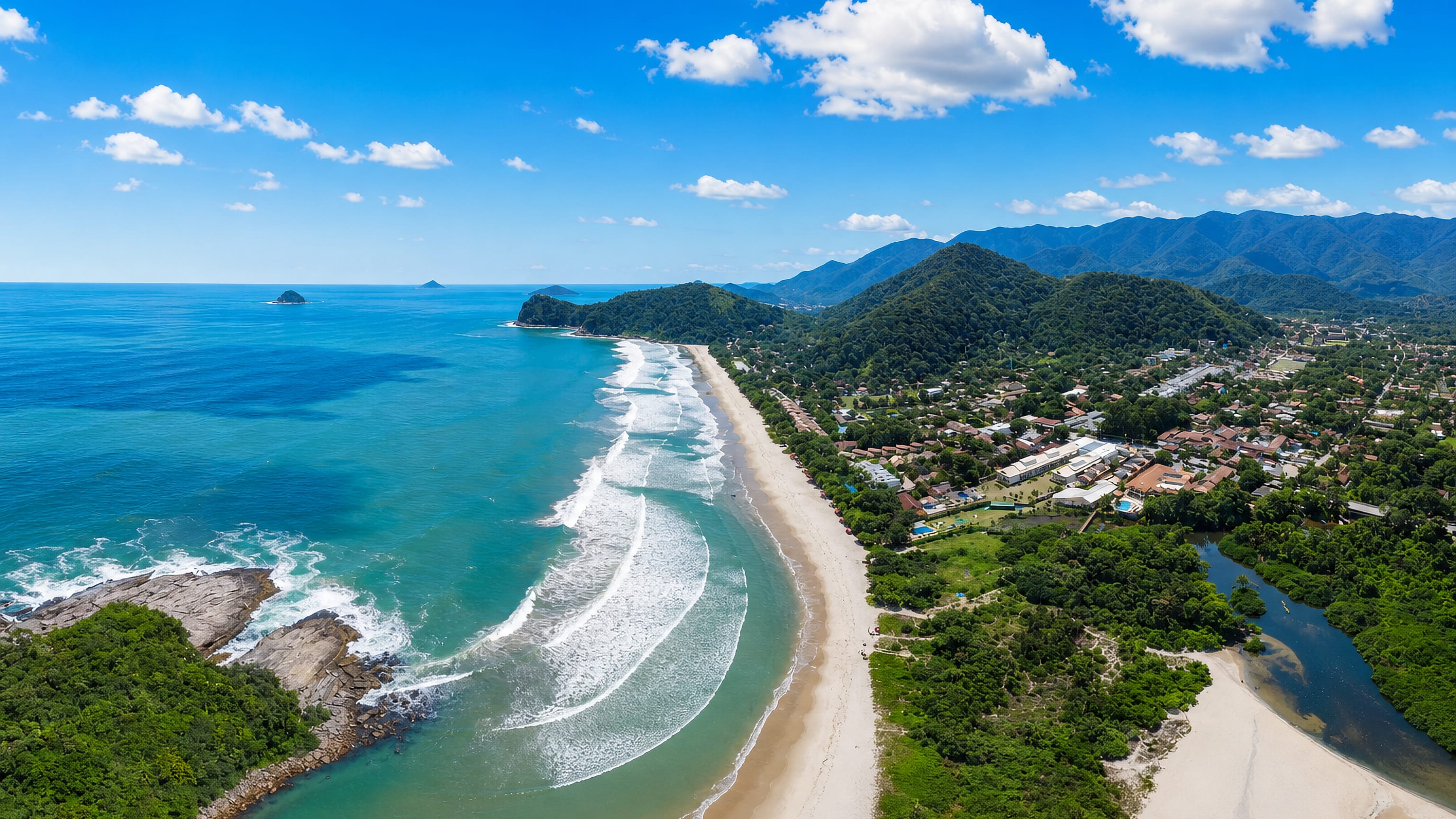
São Sebastião is a coastal city on the North Coast of São Paulo, Brazil, holding a colonial centre and the surf beach at Maresias.
Hotel links are affiliate links: booking through them may earn us a commission, at no extra cost to you. It never affects how places are ranked. How this works


Where to stay in São Sebastião
Where visitors usually base themselves, and why.
The Centro Histórico de São Sebastião holds the oldest rooms. Streets around the Igreja Matriz and the Casa de Câmara e Cadeia de São Sebastião form a colonial grid a few minutes from the waterfront, and a bed here suits you if tiled façades and museums matter more than sand underfoot. Whitewash runs the length of it.
The Casa das Janelas and the Casa com Teto Pintado stand on the same short blocks. Maresias lies down the coast from the old quarter. A room at that beach trades the colonial grid for the surf circuit and open sand, and it works for you if the water is the whole reason for the trip and the run back into town is no burden.
Sand replaces cobbles. Nights run late whenever the circuit brings its crowd along the North Coast of São Paulo. Sede da Fazenda Santana marks the older rural side of the municipality, back from both the historic core and the surf strip, where beds thin out and the coast road counts for more than any street plan.
Cars earn their keep here. Anyone without one should weigh the gap between Maresias, the Centro Histórico de São Sebastião, and the museums before booking far from either.
Find hotels in São Sebastião
Direct booking searches for these neighbourhoods.
Centro Histórico
The Casa de Câmara e Cadeia and the Casa das Janelas stand within the same few blocksFind hotels in Centro HistóricoSurfers following the international circuit that made Maresias knownMaresias
The sand runs open past the built strip and the circuit sets the calendarFind hotels in MaresiasDrivers choosing forest and empty shore over museums or surfThe rural coast by Fazenda Santana
Sede da Fazenda Santana marks the old farmland half of the municipality. Few places to stay nearby — book ahead.Find hotels in The rural coast by Fazenda SantanaHotel links are affiliate links: booking through them may earn us a commission, at no extra cost to you. It never affects how places are ranked. How this works
Things to do in São Sebastião
Ranked by global recognition; descriptions from Wikidata (CC0).
Museums & Galleries
3- Aquário de Ilhabela
- Centro de Biologia Marinha
- Fundação Museu de História Pesquisa e Arqueologia do Mar
Churches & Religious Sites
1- Igreja Matriz Heritage
Landmarks & Notable Places
5- Casa com Teto Pintado Heritage
- Sede da Fazenda Santana Heritage
- Centro Histórico de São Sebastião Heritage
- Casa das Janelas Heritage
- Casa de Câmara e Cadeia de São Sebastião Heritage
worth knowingacross 3 categories in São Sebastião
About São Sebastião
Surfers know the name first.
What is São Sebastião known for?
Maresias carries a stop on the international surf circuit, and the beach has long been called the Ipanema of São Paulo for the crowd it pulls down from the city. Heritage carries the rest. The Centro Histórico de São Sebastião keeps the Igreja Matriz and the Casa de Câmara e Cadeia de São Sebastião along its old streets.
Marine science shares the same shoreline through the Centro de Biologia Marinha.
What are the main landmarks in São Sebastião?
The Igreja Matriz anchors the old grid. Around it the Casa de Câmara e Cadeia de São Sebastião, the Casa das Janelas, and the Casa com Teto Pintado survive inside the Centro Histórico de São Sebastião as the colonial fabric of a small port. Museums fill out the roll.
The Fundação Museu de História Pesquisa e Arqueologia do Mar works on the sea, the Museu de Ciências, Tecnologia e Variedades Emília Lence Carluci gathers the technical and the odd, and the Aquário de Ilhabela shows coastal life. Sede da Fazenda Santana stands apart from all of them.
What is the history of São Sebastião?
The municipality dates from 1636. It formed part of the old hereditary captaincy of Santo Amaro, the grant under which this stretch of the São Paulo coast was administered long before Brazil took its modern shape. The Igreja Matriz sits at the heart of the grid, the parish church around which a Portuguese colonial town was habitually laid out.
Naming records the rest: the Casa de Câmara e Cadeia de São Sebastião carries in its title the council chamber and the jail that once shared a single roof. Little of it was cleared away. The Centro Histórico de São Sebastião survives as a lived-in quarter rather than a preserved set, and the Casa das Janelas and the Casa com Teto Pintado still front streets that carry everyday traffic.
Sede da Fazenda Santana holds the rural half of the same period, out where the municipality runs back from the water. Heritage is why the city is known inland. Maresias came much later, with the international surf circuit and the comparison to Ipanema that followed it, so two very different pasts share one shoreline.
Where is São Sebastião?
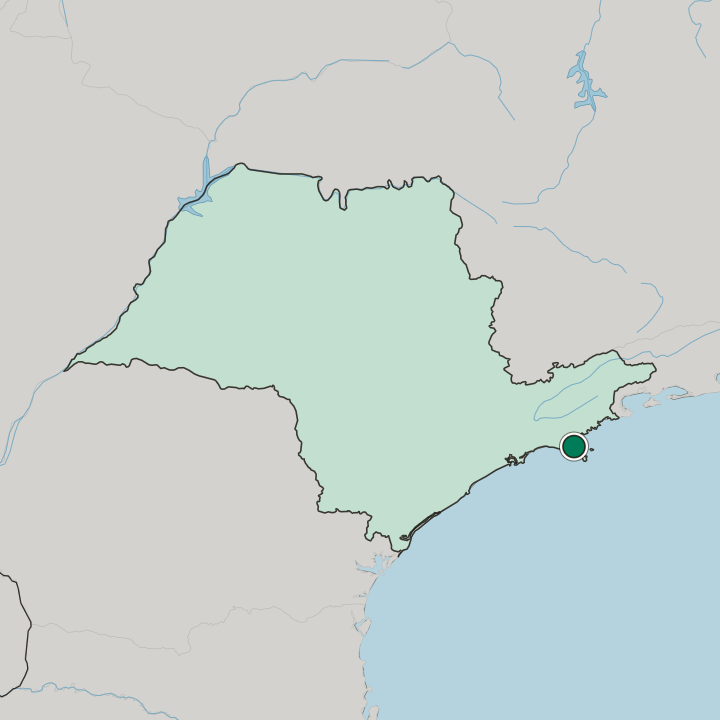
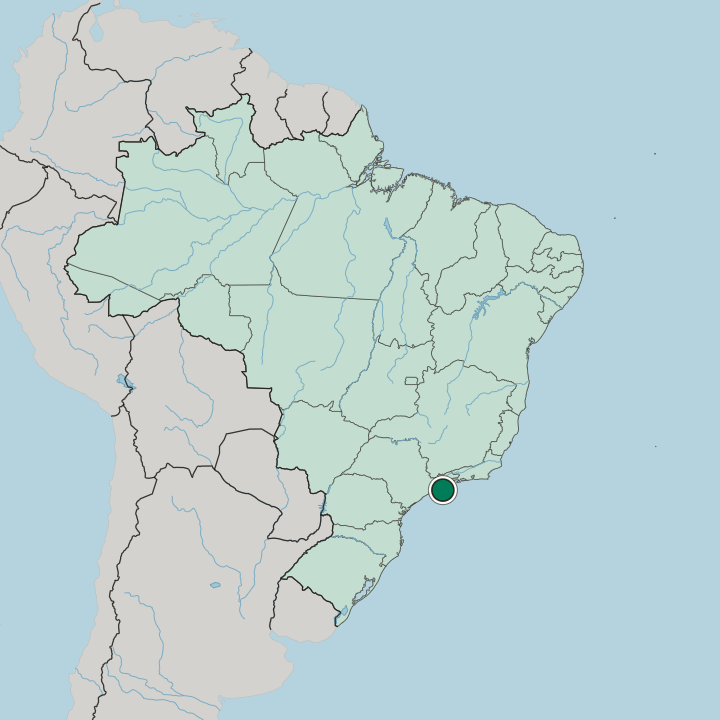
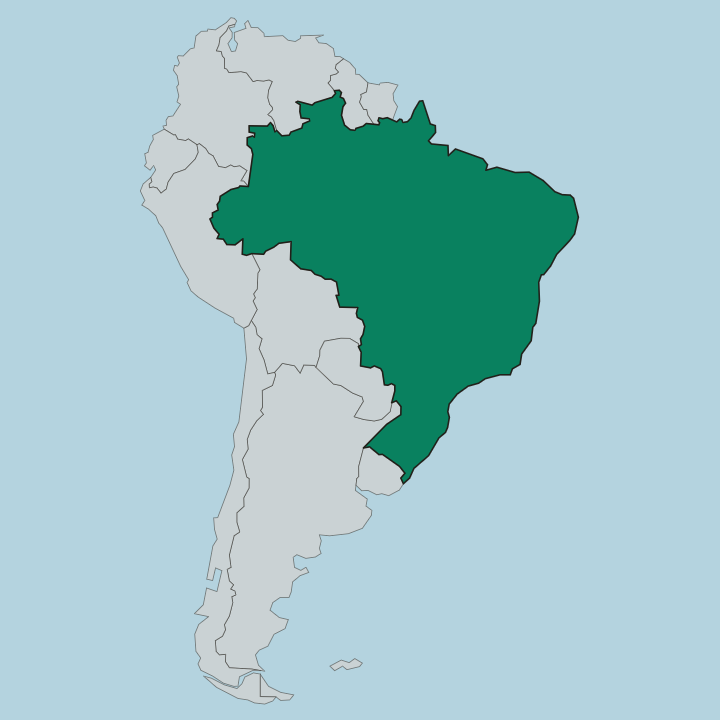
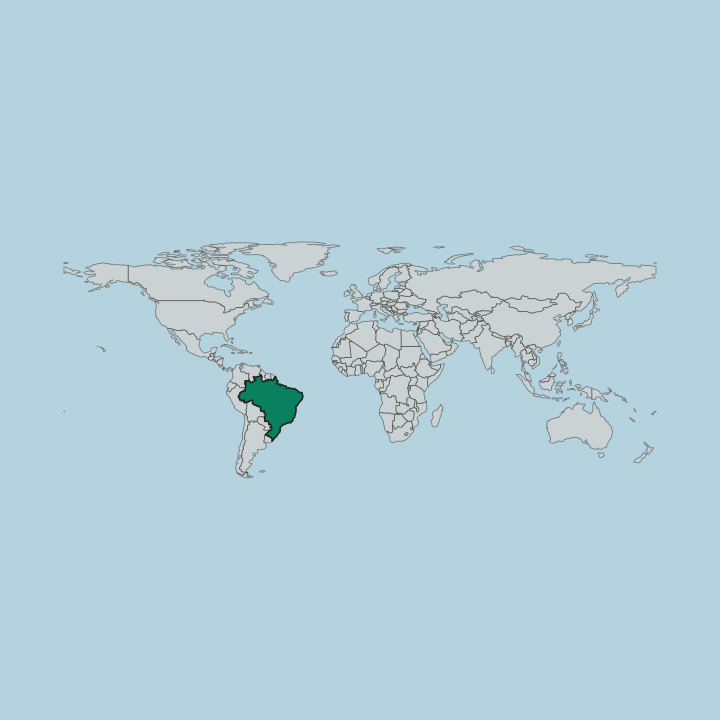
São Sebastião occupies the North Coast of São Paulo, on the southeast coast of Brazil. The Tropic of Capricorn passes 25 km north of the municipality, which sets the place just inside the subtropics, and the land is coastal throughout, with beaches such as Maresias strung along a shore backed by green slope. The sea sets every limit.
Coast, hill, and forest carry the name São Sebastião well past the built-up strip.
What is the climate of São Sebastião?
The Tropic of Capricorn runs 25 km north of São Sebastião, and that line leaves the coast at the humid edge of the subtropics rather than in true tropical air, pairing warmth with heavy rain through the southern summer. Rain is the local variable. Sea air off the North Coast of São Paulo keeps the yearly range narrow, softening the hottest months and the coolest ones alike.
Cold months here stay gentle. Maresias fills when the water warms.
How do you get to São Sebastião?
Arrivals come down from São Paulo. The city occupies a long slice of the North Coast of São Paulo, and the coast road is the spine of the whole municipality, tying the Centro Histórico de São Sebastião to Maresias and to every beach strung between the two. Distances stretch.
A car earns its keep, because the built-up shore runs on and the trip from the historic centre out to the surf is no walk in any weather.
Common questions
What is the best area to stay in São Sebastião?
Centro Histórico: Travellers who want the Igreja Matriz and the colonial grid on foot. Maresias: Surfers following the international circuit that made Maresias known. The rural coast by Fazenda Santana: Drivers choosing forest and empty shore over museums or surf.
Good for
More cities in São Paulo
Updated October 2026