Brazil · São Paulo
Where to Stay in Taubaté, São Paulo
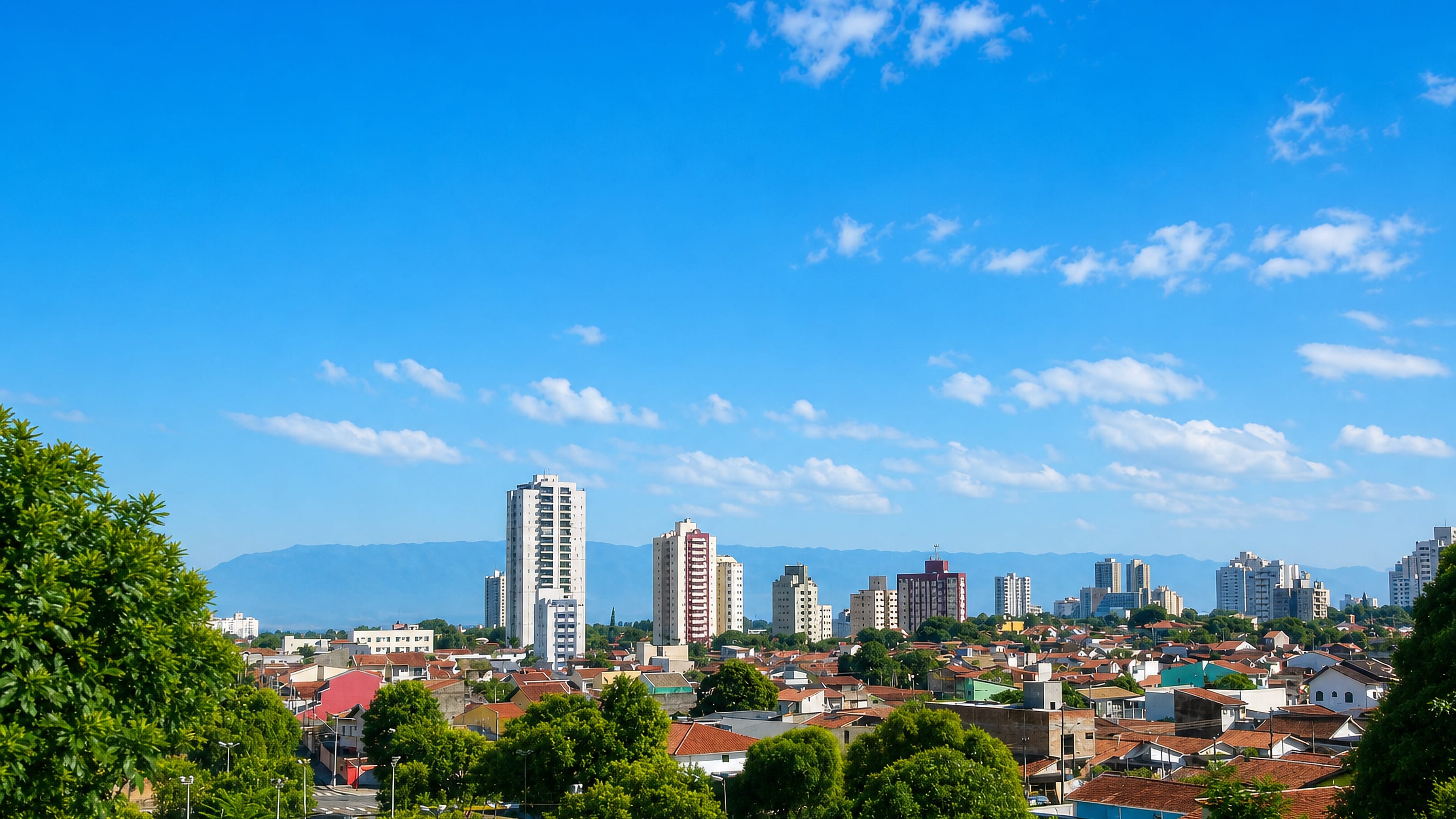
Taubaté sits in the Paraíba Valley of São Paulo state, between São Paulo and Rio de Janeiro, with museums to Monteiro Lobato and Mazzaropi.
Hotel links are affiliate links: booking through them may earn us a commission, at no extra cost to you. It never affects how places are ranked. How this works


Where to stay in Taubaté
Where visitors usually base themselves, and why.
Museums set the geography of a stay in Taubaté. Rooms near the centre put the Museu Monteiro Lobato, the Museu da Imagem e do Som de Taubaté, and Igreja Santa Terezinha within reach on foot, which is the arrangement that works for you if the collections are the reason you came. A pair of shoes is enough.
Distances inside the old grid stay short. Casa de Oliveira Costa stands among the older buildings of the same quarter. Beyond the centre, the municipality spreads over 625 square kilometres of valley floor and low rises, and beds out there answer to the road rather than to any street plan.
Space comes cheaper away from the middle. Chácara do Visconde and the Museu Mazzaropi both reward a car, and so does the Museu da Agricultura on the farming side of the city. Position is the other argument.
Taubaté lies on the run between São Paulo and Rio de Janeiro, so a night here often serves as a break in a longer journey rather than a destination in its own right. The Paraíba Valley carries that traffic. Collections, not scenery, justify the stop.
Find hotels in Taubaté
Direct booking searches for these neighbourhoods.
The city centre
Igreja Santa Terezinha and Casa de Oliveira Costa stand in the same walkable quarterFind hotels in The city centreDrivers heading out to Chácara do Visconde and the Museu MazzaropiThe outer municipality
Beds sit on the valley floor where the road counts for more than the street plan. Beds are limited here, so book early.Find hotels in The outer municipalityOvernight breaks on the São Paulo to Rio de Janeiro runThe Paraíba Valley corridor
Taubaté stands on the valley route rather than off to one side of itFind hotels in The Paraíba Valley corridorHotel links are affiliate links: booking through them may earn us a commission, at no extra cost to you. It never affects how places are ranked. How this works
Things to do in Taubaté
Ranked by global recognition; descriptions from Wikidata (CC0).
Museums & Galleries
3- Chácara do Visconde Heritage
- Museu Mazzaropi
- Museu Monteiro Lobato
Churches & Religious Sites
1- Igreja Santa Terezinha (Taubaté) Heritage
Landmarks & Notable Places
1- Casa de Oliveira Costa Heritage
worth knowingacross 3 categories in Taubaté
About Taubaté
Taubaté puts two names above the rest.
What is Taubaté known for?
The Museu Monteiro Lobato and the Museu Mazzaropi hold the memory of figures the city treats as its own, and they head an unusually long museum list for a place of this size in the Paraíba Valley. Chácara do Visconde belongs to the same ground. The rest runs to the Museu da Imagem e do Som de Taubaté, the Museu da Agricultura, and the Museu Didático do Corpo Humano.
What are the main landmarks in Taubaté?
Museu Monteiro Lobato heads the list. Alongside it the Museu Histórico, Folclórico e Pedagógico Monteiro Lobato and Chácara do Visconde extend the same commemoration across the city, while the Museu Mazzaropi answers with a second name of its own. Igreja Santa Terezinha holds the religious end.
Casa de Oliveira Costa keeps an older domestic front, and the Museu da Imagem e do Som de Taubaté, the Museu da Agricultura, and the Museu Didático do Corpo Humano round out a civic collection of unusual range.
What is the history of Taubaté?
Jacques Félix established the settlement in the early seventeenth century. Its founding year is given as 1645, and the Paraíba Valley position, on the ground between São Paulo and Rio de Janeiro, explains why a town took hold on this stretch at all. Location did the founding work.
The Município de Taubaté grew from that valley footing, and traffic between the two great cities has passed it ever since. The route framed everything that followed. Memory here is organised rather than accidental.
The Museu Histórico, Folclórico e Pedagógico Monteiro Lobato and the Museu da Imagem e do Som de Taubaté each take a slice of the past and hold it deliberately, a strong habit for a city of this scale. Farming shaped the valley, and the Museu da Agricultura says so outright. Chácara do Visconde and Casa de Oliveira Costa carry the domestic architecture of the older town forward.
Igreja Santa Terezinha marks the parish side. Names outlast buildings in Taubaté. The Museu Mazzaropi and the Museu Monteiro Lobato are the city's answer to that, and between them they anchor a public memory leaning on people rather than on surviving colonial streets.
Collections carry the story. The Museu Didático do Corpo Humano shows how far the habit runs, well past history and into teaching of an entirely different kind.
Where is Taubaté?
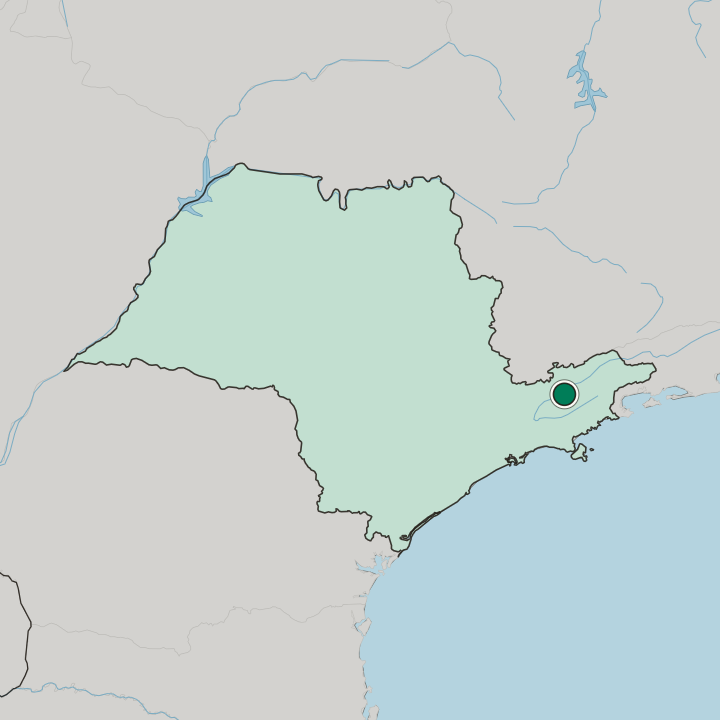
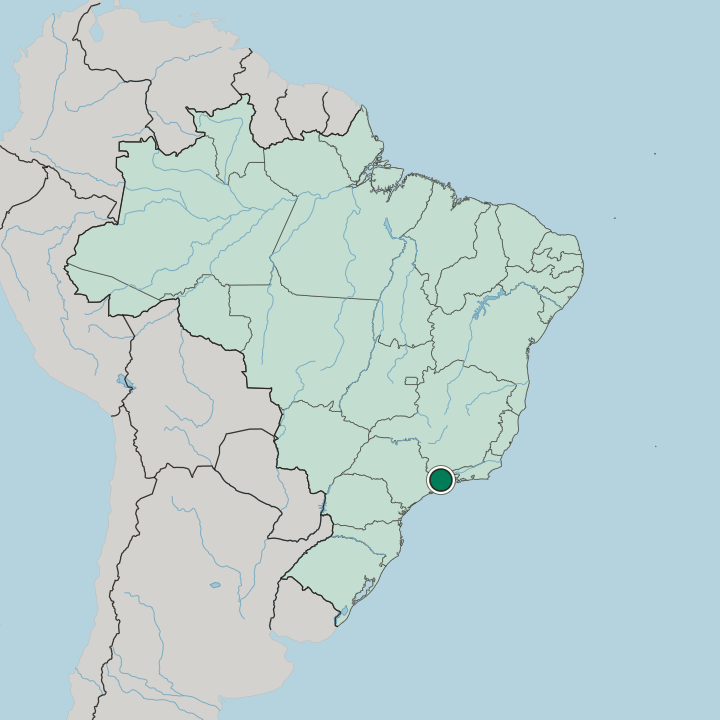
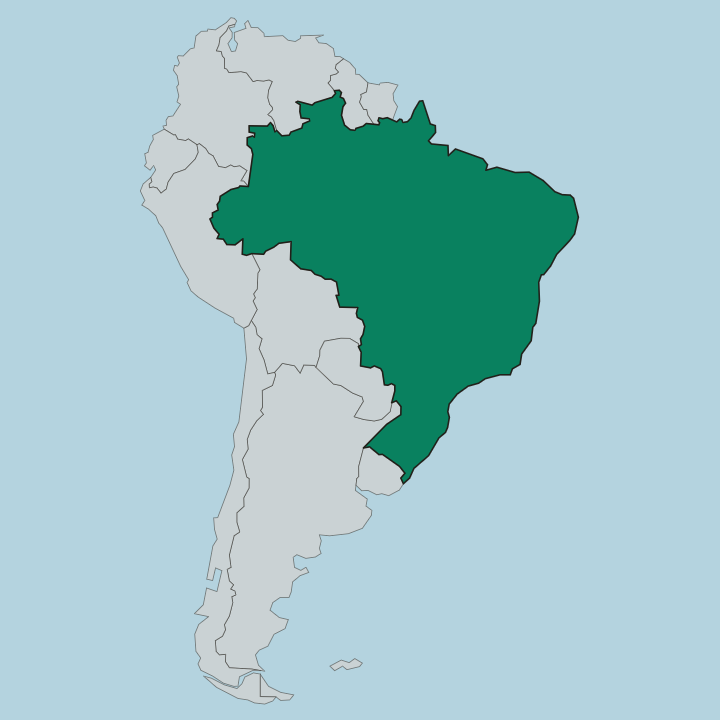
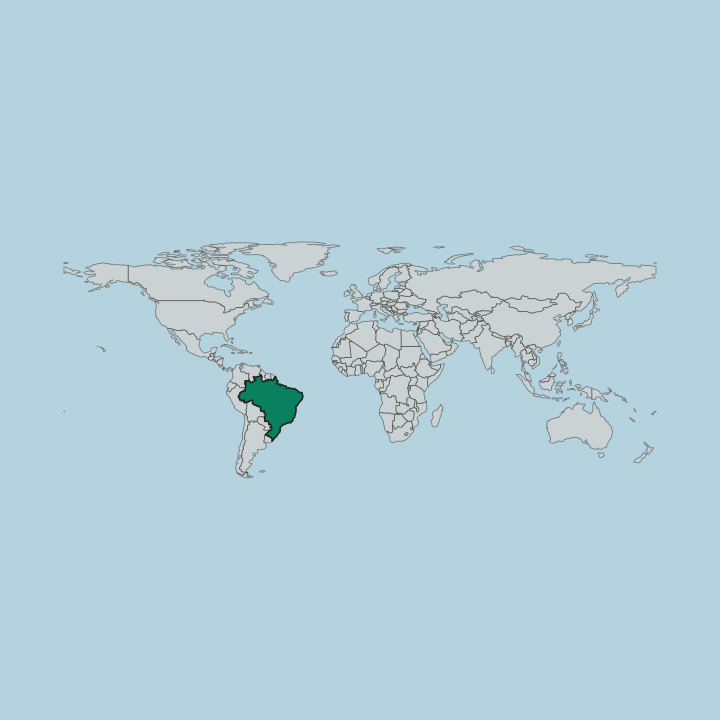
Taubaté occupies the Paraíba Valley in the state of São Paulo, in southeastern Brazil. Its ground covers roughly 625 square kilometres of valley floor and low rises, well back from the coast, on the corridor of flat land that carries movement between São Paulo and Rio de Janeiro. The valley does the shaping.
Tropical air reaches this far inland.
What is the climate of Taubaté?
The Paraíba Valley does the moderating, its open floor letting heat build through the southern summer and drain away after dark. Rain follows the summer. Taubaté lies inland, so the sea has far less say here than on the São Paulo coast, and the tropical band keeps the year warm enough that winter never really settles in.
Mornings turn cool.
How do you get to Taubaté?
The São Paulo to Rio de Janeiro corridor runs through Taubaté. That position is the whole transport story, because the Paraíba Valley carries the main overland traffic between the two cities and Taubaté stands on the route rather than off to one side. Anyone coming in arrives along that road.
Onward legs run in either direction from the same corridor.
Common questions
What is the best area to stay in Taubaté?
The city centre: Stays built around the Museu Monteiro Lobato and the city's collections. The outer municipality: Drivers heading out to Chácara do Visconde and the Museu Mazzaropi. The Paraíba Valley corridor: Overnight breaks on the São Paulo to Rio de Janeiro run.
Good for
More cities in São Paulo
Updated October 2026