Canada · Ontario
Where to Stay in Belleville, Ontario
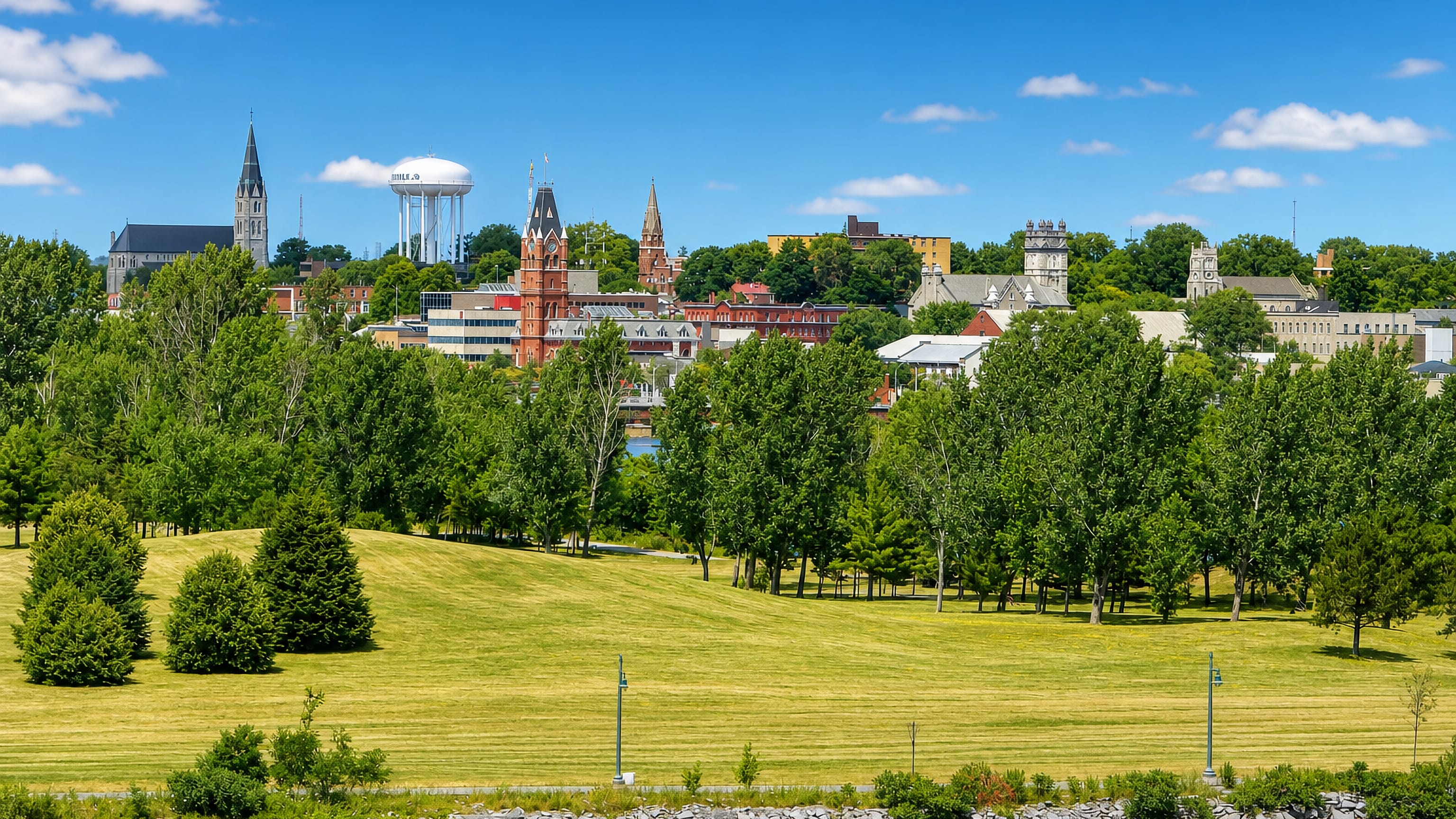
Belleville stands at the mouth of the Moira River on the Bay of Quinte, at the eastern end of Lake Ontario. Loyalists settled it in 1789.
Hotel links are affiliate links: booking through them may earn us a commission, at no extra cost to you. It never affects how places are ranked. How this works


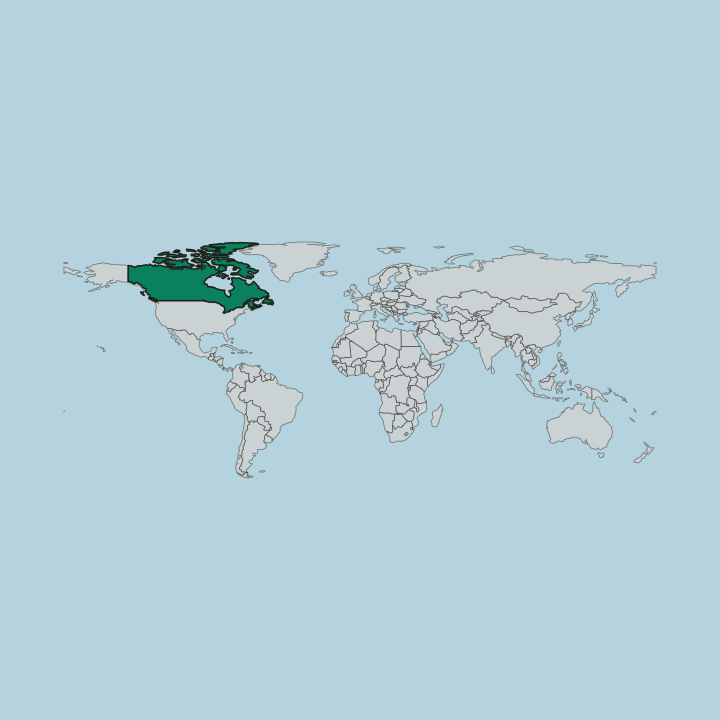
Where to stay in Belleville
Where the beds are, and what that means for the visit.
John Street holds the heaviest concentration. 209 John Street, 221 John Street, 227 John Street, and 231 John Street stand in one run, so a room on that side puts more of Belleville's heritage frontages within a few minutes than anywhere else in the city. Four addresses, one street. Bridge Street runs the other axis, with 110 Bridge Street West and 118 Bridge Street East on either side of the centre and the Bridge Street United Church standing on the same line.
Water is the alternative. Beds toward the Bay of Quinte and the mouth of the Moira River trade the heritage streets for open water, which suits anyone who came to be on the bay rather than to read the frontages of an older town. Distance is a factor in Belleville.
The city covers a good deal of ground for its size, so a room out toward the edges wants a car, while William Street and George Street keep the walkable stock close to the middle. Victoria Avenue and Charlotte Street fill in the rest.
Find hotels in Belleville
Direct booking searches for these neighbourhoods.
John Street
209, 221, 227 and 231 John Street stand in a single unbroken runFind hotels in John StreetStays that want the Moira River mouth and open bay waterThe Bay of Quinte shore
The bay and the river mouth sit clear of the Bridge Street trafficFind hotels in The Bay of Quinte shoreHotel links are affiliate links: booking through them may earn us a commission, at no extra cost to you. It never affects how places are ranked. How this works
Things to do in Belleville
Ranked by global recognition; descriptions from Wikidata (CC0).
Museums & Galleries
1- Hastings and Prince Edward Regiment Museum
Churches & Religious Sites
3- Church of St. Michael the Archangel Heritage
- Bridge Street United Church
- Emmanuel Baptist Church
Landmarks & Notable Places
8- Glanmore House Heritage
- 11 Charlotte Street Heritage
- 11 Willard Street Heritage
- 110 Bridge Street West Heritage
- 118 Bridge Street East Heritage
Show 3 more →
- 173 William Street Heritage
- 193 George Street Heritage
- 197 Charles Street Heritage
worth knowingacross 3 categories in Belleville
About Belleville
Visitors come first for Glanmore House.
What is Belleville known for?
The Hastings and Prince Edward Regiment Museum gives the city a second collection, and both are local in subject, drawn from Hastings County rather than from anywhere further. Lumber and the railways came later. The Moira River carries the older story, since the first sawmill and grist mill in the settlement worked its water and set the town's trade before anything else did.
What are the main landmarks in Belleville?
Glanmore House heads the register. Belleville's other entries divide between churches and numbered addresses, with the Bridge Street United Church and Emmanuel Baptist Church on one side and a long column of street numbers on the other. Named houses are the exception: the McCrae-Van Norman-Burshaw House, the McIntosh-Ridley House, and the Billa Flint Home carry people's names rather than numbers.
The Hastings and Prince Edward Regiment Museum is the one institution among them, and 173 William Street, 240 William Street, 290 George Street, and 20-24 Victoria Avenue show how much of the register is simply housing.
What is the history of Belleville?
The settlement dates to 1789. United Empire Loyalists leaving the United States took ground at the mouth of the Moira River, and the water they chose turned a sawmill and a grist mill before it turned anything else. Milling came first.
Lumber and the railways followed in the middle of the nineteenth century, and between them they employed most of the town while the Bay of Quinte opened the way out. Lake Ontario lay open at the eastern end, and a town at a river mouth on a sheltered bay had every reason to grow into a working place rather than a stop on the way to one. Manufacturing took over from both.
The mills and the lumber trade gave way to factory work, which is what the city's economy leans on, and Belleville ended up the seat of Hastings County while standing politically outside the county itself. It is also the centre of the Bay of Quinte Region. Glanmore House, the Billa Flint Home, and the McIntosh-Ridley House carry the names the town's trade made, and the numbered frontages along John Street and William Street belong to the same register.
Where is Belleville?
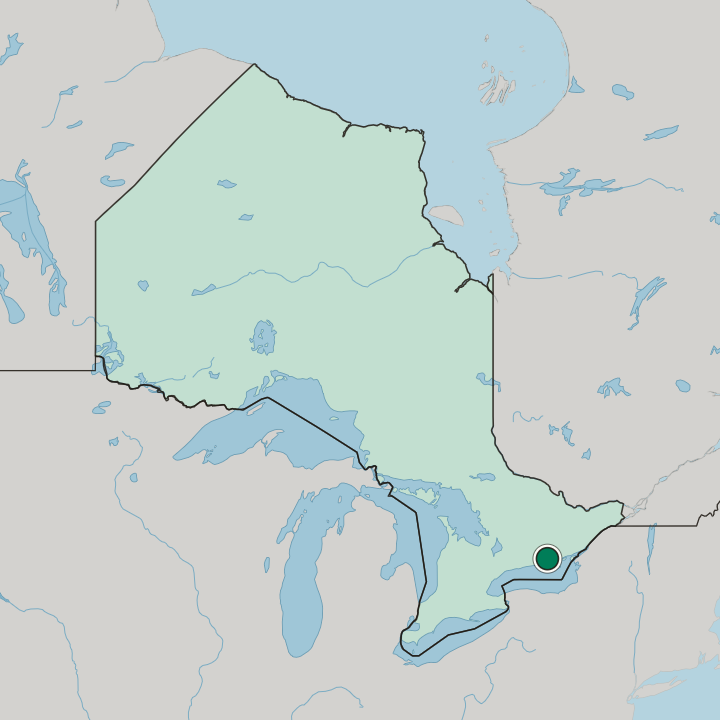
The Moira River reaches the bay here. Belleville occupies the ground at its mouth on the Bay of Quinte, at the eastern end of Lake Ontario, and the city limits run back over roughly two hundred and forty square kilometres of Hastings County. That is a lot of ground.
Most of it is not built on, which leaves the river, the bay shore, and the older streets between them carrying almost everything the city is known for.
What is the climate of Belleville?
Lake Ontario does the moderating. Belleville sits in the temperate band at the lake's eastern end, so the water holds off the worst of the cold into the early winter and gives the Bay of Quinte a later freeze than the country inland behind Hastings County. Summer brings the water back into use, and the Moira River and the bay carry most of what people do outdoors between the two long ends of the year.
How do you get to Belleville?
Most visitors arrive by car. Belleville lies on the Bay of Quinte at the eastern end of Lake Ontario, which puts it on the natural line of travel between the lake shore and the country of Hastings County behind it. The railways got here in the nineteenth century and put the town on a through route rather than at the end of one.
The Bay of Quinte Region takes its centre here.
Common questions
What is the best area to stay in Belleville?
John Street: Walkers working through the John Street heritage frontages. The Bay of Quinte shore: Stays that want the Moira River mouth and open bay water.
Good for
More cities in Ontario
Updated September 2026