Canada · Ontario
Where to Stay in Brampton, Ontario
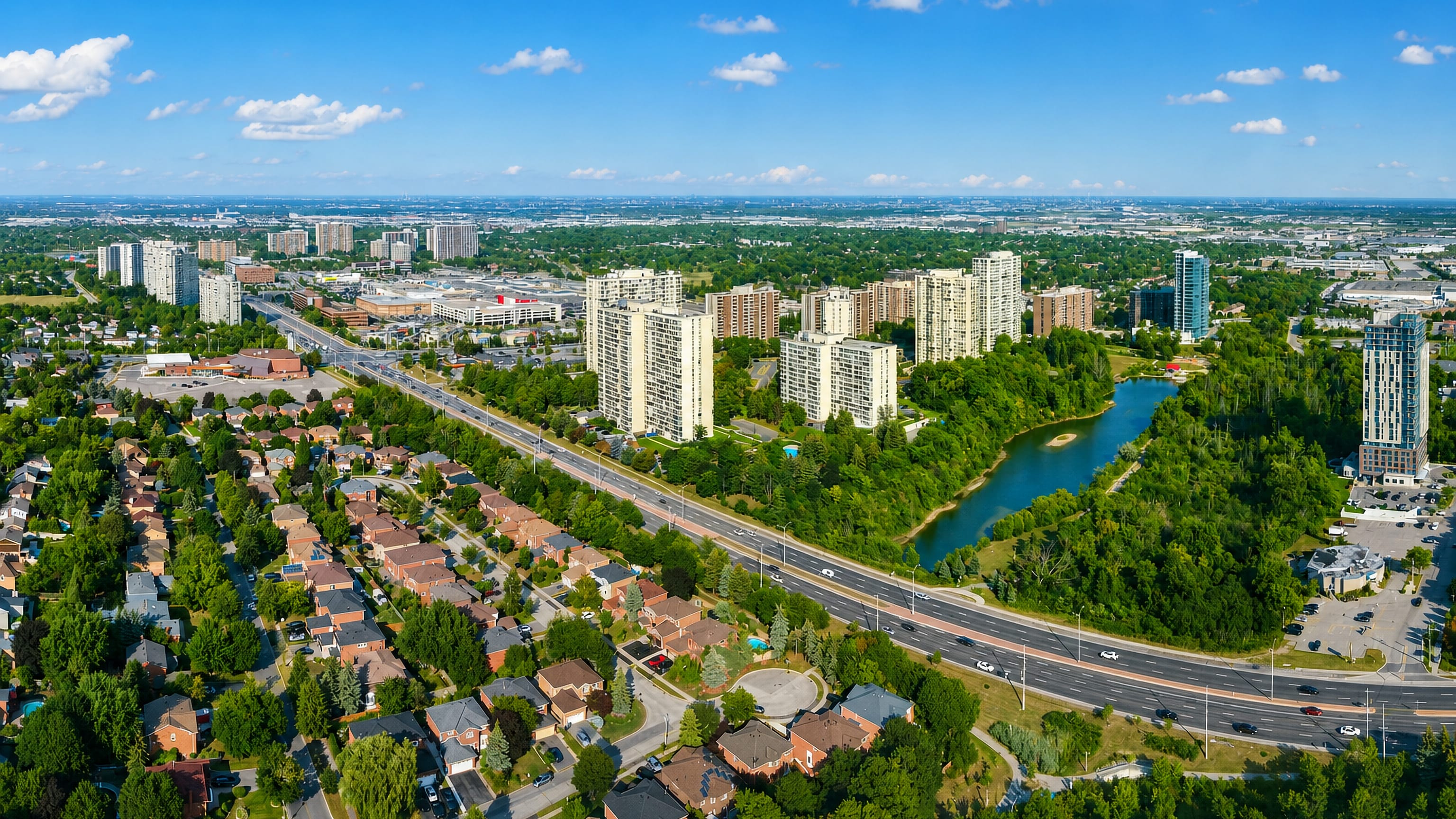
Brampton spreads across the plain west of Toronto, a city in Ontario's Peel Region, known for Bovaird House and the Peel Art Gallery, Museum and Archives.
Hotel links are affiliate links: booking through them may earn us a commission, at no extra cost to you. It never affects how places are ranked. How this works


Where to stay in Brampton
How the choice of base plays out on the ground.
Brampton spreads wide across the plain, and where you stay depends on what draws you. Two areas anchor a stay. The historic downtown holds the oldest part of the city, gathered around the Peel Heritage Complex, The Alderlea, and the Brampton GO Station that carries commuters toward Toronto.
Hotels here put a visitor close to the heritage buildings and the rail line. The old downtown makes a natural base for a first stay. From downtown the museums and the older streets are all within walking reach.
The rest of the city is broad and suburban, its hotels clustered along the highways that thread the Greater Toronto Area. These outer areas sit near the motorways that run toward Mississauga, Vaughan, and the wider region, handy for a car-based trip and for the airport to the south. Rooms here trade the character of the old core for easy road access and more space.
Brampton is large and low, so distances between its districts are real. Base downtown if the heritage sites and the train matter; take the highway edge if you are driving through the region.
Find hotels in Brampton
Direct booking searches for these neighbourhoods.
Downtown Brampton
The historic core of the city around the Peel Heritage Complex and The Alderlea, with the Brampton GO Station carrying the rail line toward Toronto.Find hotels in Downtown Bramptona car-based trip through the regionThe highway suburbs
Broad residential ground along the motorways of the Greater Toronto Area, close to the routes toward Mississauga and Vaughan and the airport to the south.Find hotels in The highway suburbsHotel links are affiliate links: booking through them may earn us a commission, at no extra cost to you. It never affects how places are ranked. How this works
Things to do in Brampton
Ranked by global recognition; descriptions from Wikidata (CC0).
Museums & Galleries
1- Peel Art Gallery, Museum and Archives
Churches & Religious Sites
3- St. Paul's United Church
- St. Dimitar Bulgarian Orthodox Church
- St. Elias the Prophet Church
Castles & Historic Sites
1- Village of Churchville Heritage Conservation District Heritage
Stadiums & Sports
1- Memorial Arena Heritage
Landmarks & Notable Places
2- Bovaird House Heritage
- The Alderlea
worth knowingacross 5 categories in Brampton
About Brampton
What is Brampton known for?
Brampton is a city in the Greater Toronto Area of Ontario, the regional seat of the Regional Municipality of Peel. Diversity defines it. Its neighbourhoods hold large Sikh, South Asian, and Jamaican communities that shape the city's food, its temples, and its festivals across the year.
Heritage runs alongside that. Bovaird House and The Alderlea survive from the old town, and the Peel Art Gallery, Museum and Archives keeps the record of the region. Once a flower-growing town, Brampton grew into one of the larger municipalities of the Greater Golden Horseshoe beside Mississauga and Toronto.
What are the main landmarks in Brampton?
Brampton's landmarks lean on heritage and faith. Chief among them is the Peel Art Gallery, Museum and Archives, part of the Peel Heritage Complex, which holds the record of the region, while the restored Bovaird House and The Alderlea keep the look of the nineteenth-century town. Older still is the Village of Churchville Heritage Conservation District, one of the earliest settlements folded into the city.
Places of worship stand across the neighbourhoods, among them St. Paul's United Church, St. Elias the Prophet Church, and the St. Dimitar Bulgarian Orthodox Church. The Tamil Genocide Monument and the old Memorial Arena add their own marks.
What is the history of Brampton?
Brampton took shape as a village on the plain west of Toronto. It was incorporated in 1853, drawing its name from a town in the English county of Cumberland, and it grew as a market centre for the farmland of the surrounding Peel Region. The old settlement of Churchville, now the Village of Churchville Heritage Conservation District, was among the earliest in the area.
Through the later nineteenth century the town became known for its flower nurseries, an industry large enough to earn it a lasting reputation as a centre of greenhouse growing. Rail reached Brampton next. A station on the line, the ancestor of the modern Brampton GO Station, linked the market town to Toronto and the ports of Lake Ontario, and merchant houses such as The Alderlea and Bovaird House date from those prosperous years.
In the twentieth century the farmland gave way to suburb. As the Greater Toronto Area spread outward, Brampton was absorbed into the metropolitan region and grew into one of the larger municipalities of the Regional Municipality of Peel, its old core surrounded by broad new neighbourhoods.
Where is Brampton?
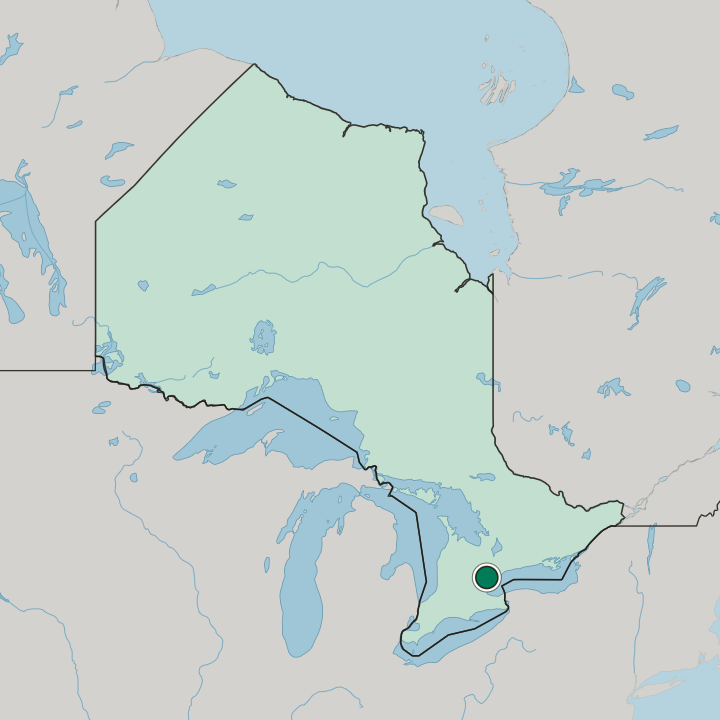
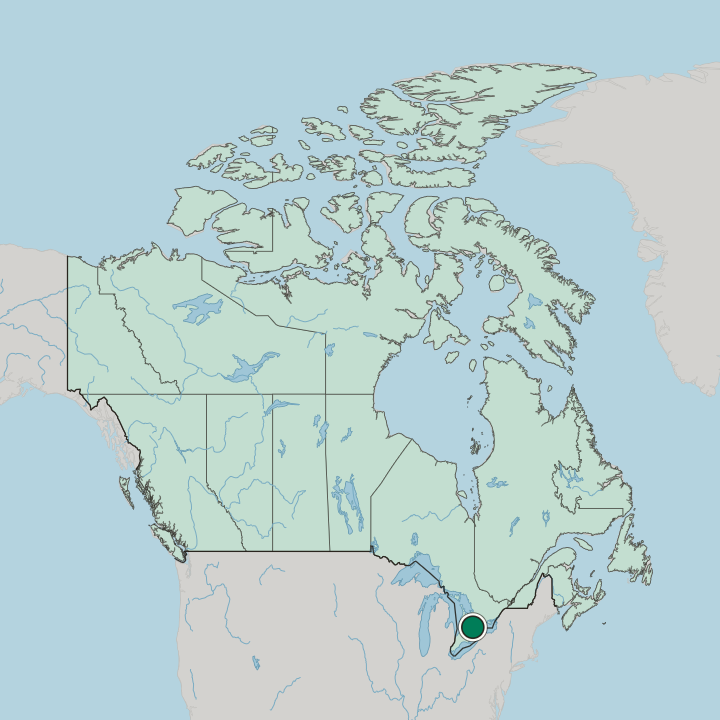
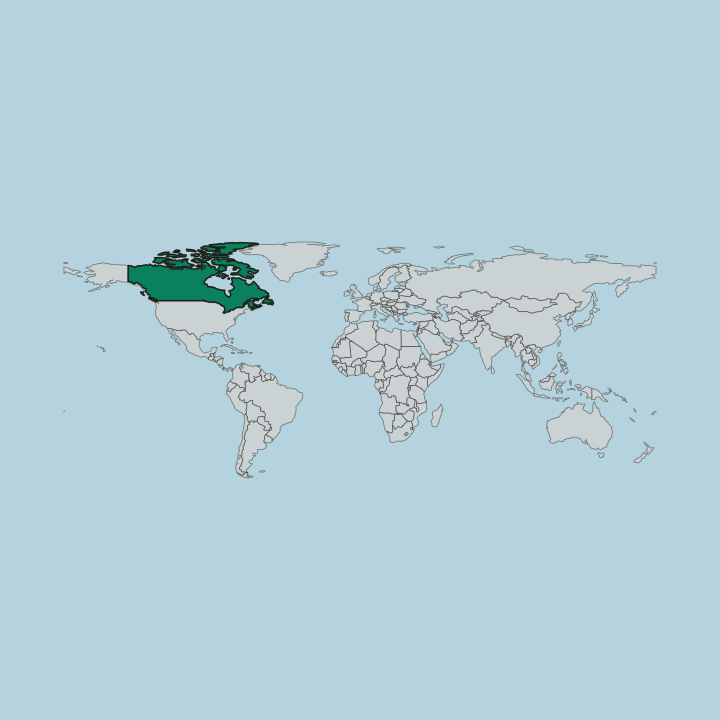
Brampton lies in southern Ontario, on the plain north-west of Toronto within the Regional Municipality of Peel. The city sits on the broad, low ground of the Greater Golden Horseshoe, the belt of settlement that wraps the western end of Lake Ontario. It borders several towns.
Mississauga lies to the south, Caledon to the north, Halton Hills to the west, and Vaughan and Etobicoke to the east. The land is flat and gently rolling, part of the farmland-turned-suburb that fills this corner of the Greater Toronto Area.
What is the climate of Brampton?
Brampton has a humid continental climate, with a wide swing between the seasons. Summers on the plain run warm and humid, broken by thunderstorms, while winters bring cold, snow, and hard frost off the interior of Ontario. The change is sharp.
Spring and autumn pass quickly between the two extremes, colouring the trees before the snow returns. Nearness to Lake Ontario tempers the cold a little, though Brampton lies far enough inland to feel the full continental winter.
How do you get to Brampton?
Brampton is easily reached from across the Greater Toronto Area. The Brampton GO Station puts the city on the regional rail network, with trains running down to Toronto and its downtown. Roads do much of the work too.
Motorways link Brampton to Mississauga, Vaughan, and the wider region, and the international airport to the south lies a short drive away. Once in the city a car helps, since Brampton is broad and low and its districts spread far across the plain of Peel Region.
Common questions
What is the best area to stay in Brampton?
Downtown Brampton: the heritage buildings and the commuter train. The highway suburbs: a car-based trip through the region.
Good for
More cities in Ontario
Updated September 2026