
Canada · Ontario
Where to Stay in London, Ontario
London is a city in Ontario, known for Banting House, Museum London, and the heritage streets of its old core.
Hotel links are affiliate links: booking through them may earn us a commission, at no extra cost to you. It never affects how places are ranked. How this works



Where to stay in London
Where visitors usually base themselves, and why.
London's older core in Ontario is the natural base, a compact grid of heritage streets where much of the city's story is held. The central blocks around Museum London and Banting House put you within walking distance of the main sights, and the Flame of Hope stands close by. Stay near the centre first.
The streets here keep their Victorian houses, from the terraces along Sydenham Street to the grand villas set back on Grosvenor Street. Eldon House, the city's oldest surviving residence, anchors the north edge of the old town. South of the core, the tree-lined avenues of Wortley Road and Ridout Street South carry the character of the early city, quieter and more residential than the centre.
Heritage residences such as Oakhurst, Fairmount, and Goodholme sit among them. Choose your street by the mood you want. The centre suits a first visit close to Museum London and the Regimental museum, while the southern avenues suit a slower, greener stay among the old houses.
The Royal Canadian Regiment Museum lies near the centre as well. Ontario's countryside opens beyond the built-up streets on every side.
Things to do in London
Ranked by global recognition; descriptions from Wikidata (CC0).
Museums & Galleries
2- Museum London
- The Royal Canadian Regiment Museum
Churches & Religious Sites
3- Beth-Emmanuel British Methodist Episopal Church Heritage
- Christ's Church (Anglican) Heritage
- First Christian Reformed Church Heritage
Castles & Historic Sites
1- Flame of Hope
Landmarks & Notable Places
8- Banting House Heritage
- Eldon House Heritage
- 37 Ridout Street South Heritage
- 398 Piccadilly Street Heritage
- 496 Waterloo Street Heritage
Show 3 more →
- Fairmount Heritage
- Goodholme Heritage
- 95 High Street Heritage
worth knowingacross 4 categories in London
About London
What is London known for?
London is known as a heritage city in Ontario, distinct from its far larger namesake in England. Banting House, where the idea of insulin was first written down, stands among its best-known sites, and the Flame of Hope burns beside it. Museum London holds the city's art and story.
Its old streets keep their Victorian houses. The Royal Canadian Regiment Museum records a long military history.
What are the main landmarks in London?
London's landmarks stand mostly in and around its old core in Ontario. Banting House marks the discovery of insulin, and the Flame of Hope burns outside it in memory of that work. Museum London holds the city's art, while the London Regional Children's Museum and The Royal Canadian Regiment Museum draw families and visitors of every kind.
Eldon House survives as the oldest residence in the city. Beth-Emmanuel British Methodist Episcopal Church stands among the heritage streets.
What is the history of London?
London was laid out in Ontario and established in 1826, taking its name and many of its street names from the English capital. The early town grew on a planned grid, and its oldest surviving residence, Eldon House, dates from those first decades. Settlers came from across the country and beyond.
Grand houses rose along the streets as the town prospered, among them the residences now known as Oakhurst, Fairmount, and Goodholme. The old core still carries that Victorian stamp. The city's later history turned on medicine and the military.
Banting House became famous as the place where the idea of insulin was first set down, and the Flame of Hope now burns beside it as a promise to end the disease. London kept a strong military tradition, recorded at The Royal Canadian Regiment Museum. Its churches multiplied across the growing town, among them Beth-Emmanuel British Methodist Episcopal Church, tied to the Black settlers who reached Ontario.
The grid held. Museum London gathered the record of it all. The old streets still tell the story.
Where is London?
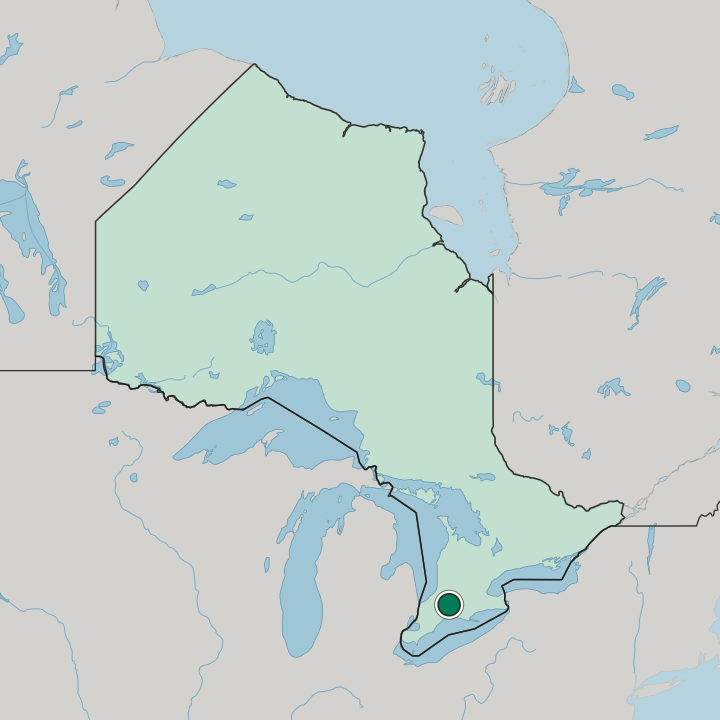
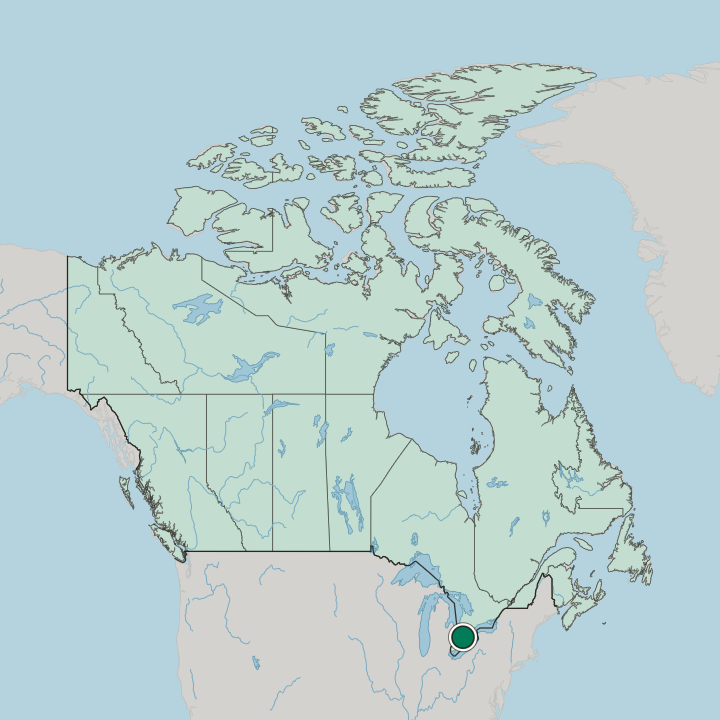
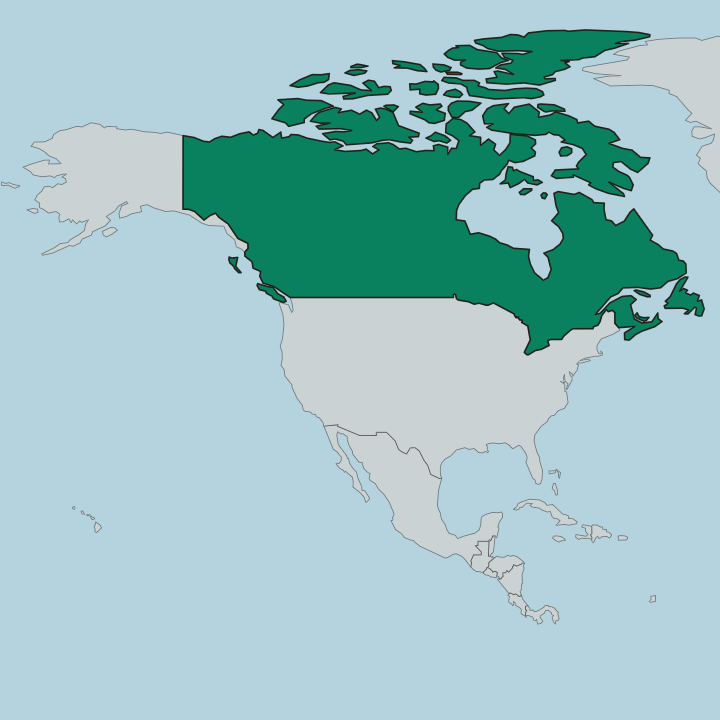
London lies in Ontario, inland in the southwestern part of the province, its old core set on a level grid of heritage streets. The city is not the English capital of the same name but a Canadian city that borrowed the name. Its centre gathers around Museum London and Banting House.
Farmland and small towns of Ontario surround it. The heritage avenues of Wortley Road and Sydenham Street run out from the middle of the old town.
What is the climate of London?
London has a humid continental climate typical of inland Ontario. Winters are cold and often snowy, with grey skies settling over the heritage streets of the old core for weeks at a stretch. The warm months leave the city lush and leafy.
When the warm months arrive, the tree-lined avenues around Wortley Road come into full leaf. Spring and autumn are short and changeable seasons between them.
How do you get to London?
London is reached by road and rail from across Ontario and the wider country. Highways cross the surrounding farmland and link the city to the larger centres of the province. Its airport sits outside the built-up area.
Rail lines that helped build the town still run through it, and long-distance roads bring travellers in from every direction toward the old core around Museum London.
Good for
More cities in Ontario
Updated October 2026