Canada · Ontario
Where to Stay in Mississauga, Ontario
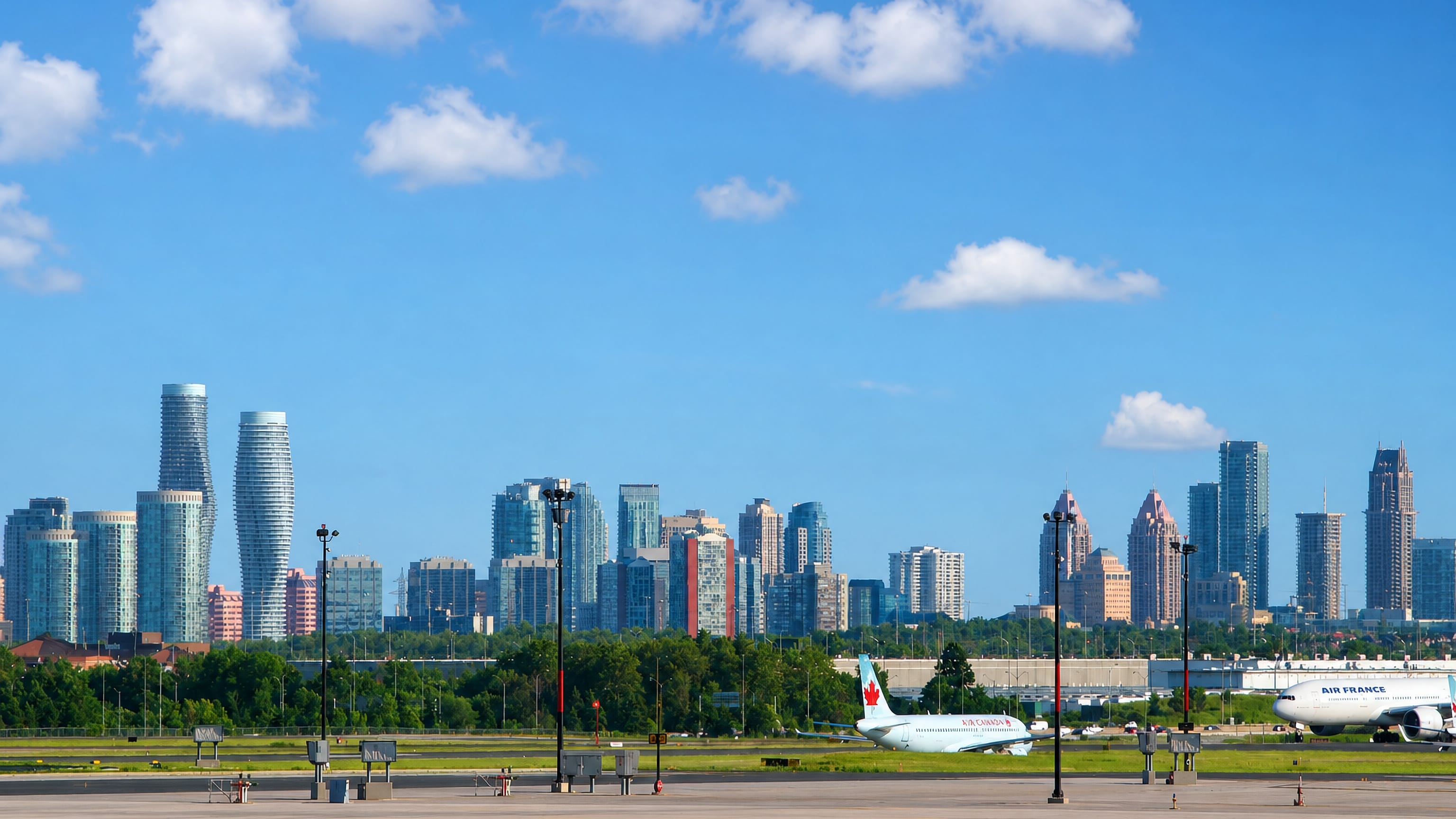
Lake Ontario edges the southern rim of Mississauga, Toronto's largest suburb, in the Regional Municipality of Peel in southwestern Ontario.
Hotel links are affiliate links: booking through them may earn us a commission, at no extra cost to you. It never affects how places are ranked. How this works


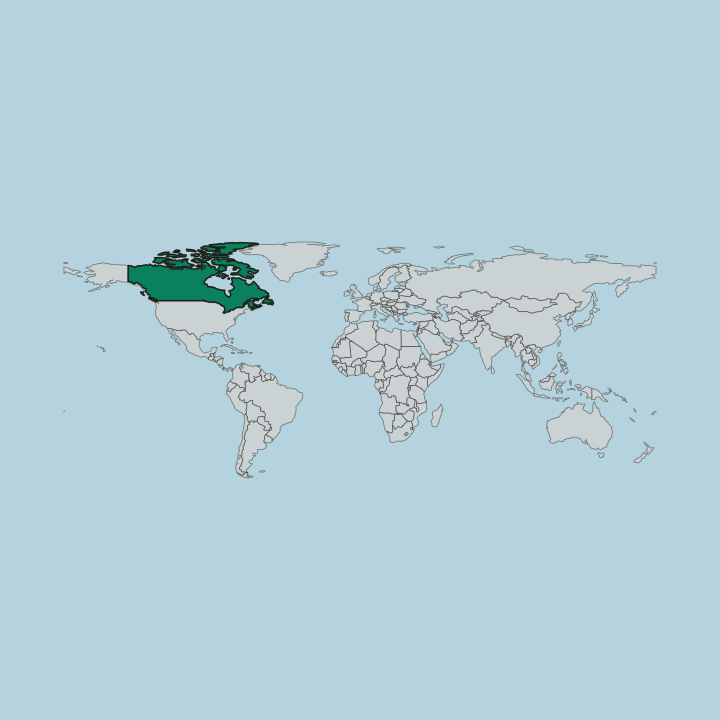
Where to stay in Mississauga
One neighbourhood here has its own guide — here's what it is best for.

 MississaugaCanada
Erindale
Erindale is a historical neighbourhood in central Mississauga, west of Toronto, named after Erin in Ireland.Where to stay →Hotel links are affiliate links: booking through them may earn us a commission, at no extra cost to you. It never affects how places are ranked. How this works
Find hotels in Mississauga
Direct booking searches for these neighbourhoods.
Port Credit
Port Credit holds Mississauga's original harbour on Lake Ontario, where the Port Credit Memorial Arena and the Old Port Credit Village Heritage Conservation District mark the lakeside village.Find hotels in Port CreditHeritage-village quiet at the Meadowvale Village Heritage Conservation DistrictMeadowvale Village
Meadowvale Village keeps a nineteenth-century crossroads settlement inside the Regional Municipality of Peel, a heritage pocket held apart from the newer streets of Mississauga.Find hotels in Meadowvale VillageHotel links are affiliate links: booking through them may earn us a commission, at no extra cost to you. It never affects how places are ranked. How this works
Things to do in Mississauga
Ranked by global recognition; descriptions from Wikidata (CC0).
Museums & Galleries
1- Art Gallery of Mississauga
Churches & Religious Sites
3- St. Peter Church Heritage
- All Serbian Saints Serbian Orthodox Church
- St. Maximilian Kolbe Church
Castles & Historic Sites
1- Old Port Credit Village Heritage Conservation District Heritage
Stadiums & Sports
1- Port Credit Memorial Arena Heritage
Landmarks & Notable Places
3- Adamson Estate Heritage
- Clarke Memorial Hall Heritage
- Middle Road Bridge Heritage
worth knowingacross 5 categories in Mississauga
About Mississauga
What is Mississauga known for?
Mississauga is known as the largest suburb of Toronto and one of Canada's largest cities, spread along the northwestern shore of Lake Ontario. Its lakefront defines it. The old harbour village of Port Credit anchors the south, while heritage houses such as the Adamson Estate and the Cawthra-Elliot Estate, together with the Art Gallery of Mississauga, mark a city that stretches inland across the Regional Municipality of Peel toward Brampton.
What are the main landmarks in Mississauga?
Mississauga's landmarks gather along the Lake Ontario shore and in its older villages. The Art Gallery of Mississauga shows the city's art, while the Adamson Estate and the Cawthra-Elliot Estate preserve lakeshore country houses from an earlier era. Industry left its mark too.
The St. Lawrence Starch Limited Administration Building and the Middle Road Bridge recall the working past, and Clarke Memorial Hall anchors the old core of Port Credit above the water.
What is the history of Mississauga?
Mississauga took its present form in 1968, when the towns and villages along the northwestern shore of Lake Ontario were drawn together into a single municipality in the Regional Municipality of Peel. Older settlements came first. Port Credit grew at the harbour, Meadowvale Village at an inland crossroads, and Clarke Memorial Hall and the St. Lawrence Starch Limited Administration Building recall the working town that stood by the lake before the modern city.
The amalgamation pulled these communities into one. Growth pushed the built-up area north from the water toward Brampton and west toward Oakville and Milton, filling the land between Toronto and the edge of the Regional Municipality of Peel. Heritage survived the change.
The Adamson Estate and the Cawthra-Elliot Estate still stand along the lakeshore, and the Meadowvale Village Heritage Conservation District preserves the older street pattern that the newer suburb grew around.
Where is Mississauga?
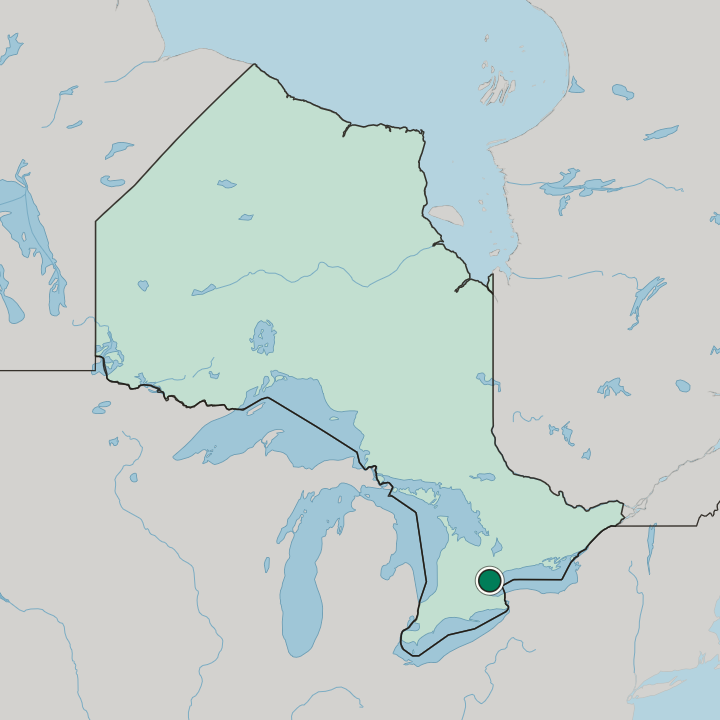
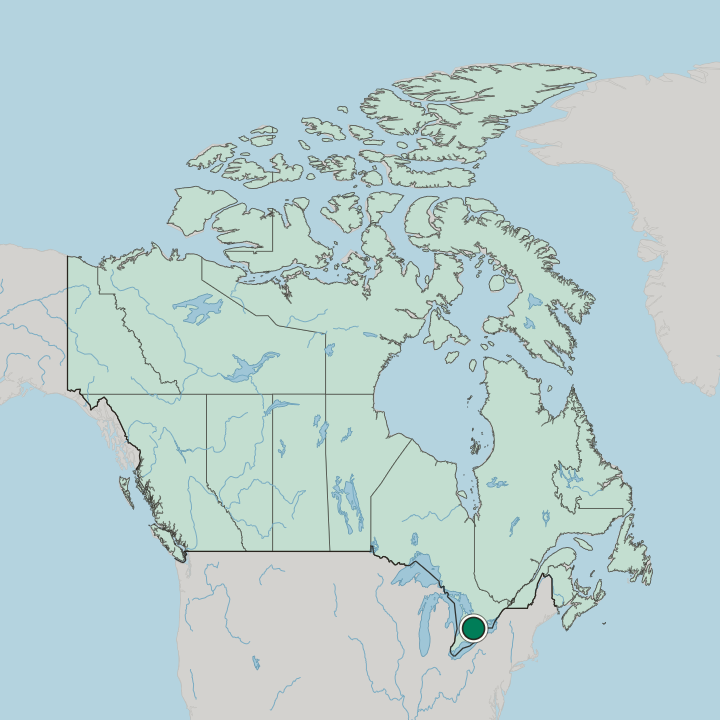
Mississauga lies on the northwestern shore of Lake Ontario in southwestern Ontario, within the Regional Municipality of Peel. The lake forms its southern edge. From that shoreline the land rises gently inland across a broad plain, bordered by Toronto and Etobicoke to the east, Brampton to the north, and Oakville and Milton to the west.
Low and open, the setting gives the city its long lakefront and its room to spread.
What is the climate of Mississauga?
Mississauga has a humid continental climate softened by the water of Lake Ontario. The lake steadies the seasons. Summers run warm and often humid, while winters bring cold and snow off the shoreline, with the open lake easing the sharpest extremes along the Port Credit waterfront.
Spring and fall pass as brief, unsettled stretches in between. That lakeside setting shapes the weather across the whole of the Regional Municipality of Peel.
How do you get to Mississauga?
Mississauga sits between Toronto and the wider Regional Municipality of Peel, threaded by the highways and rail lines that cross the northwestern shore of Lake Ontario. Most travel runs through the corridor to Toronto. Roads and commuter rail link the city east to Etobicoke and north to Brampton, while the lakeshore line carries traffic west toward Oakville and Milton.
The waterfront at Port Credit ties the routes to the lake.
Common questions
What is the best area to stay in Mississauga?
Port Credit: Waterfront base at the old harbour village by the Port Credit Memorial Arena. Meadowvale Village: Heritage-village quiet at the Meadowvale Village Heritage Conservation District.
Good for
More cities in Ontario
Updated September 2026