Canada · Ontario
Where to Stay in Windsor, Ontario
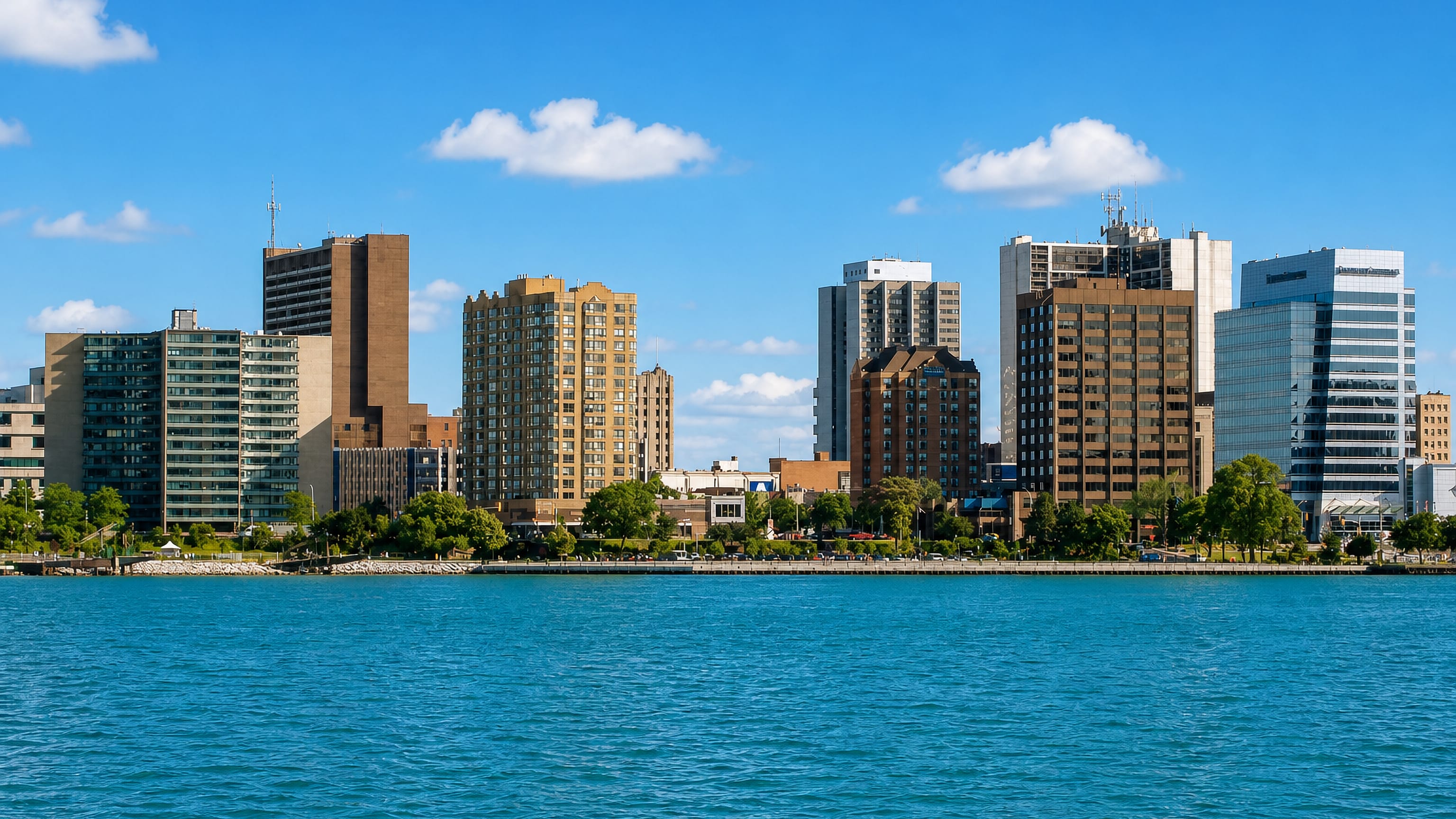
Brick manors and old parish churches mark Windsor, a city in Ontario, Canada, known for Willistead Manor and the Church of Our Lady of the Assumption.
Hotel links are affiliate links: booking through them may earn us a commission, at no extra cost to you. It never affects how places are ranked. How this works


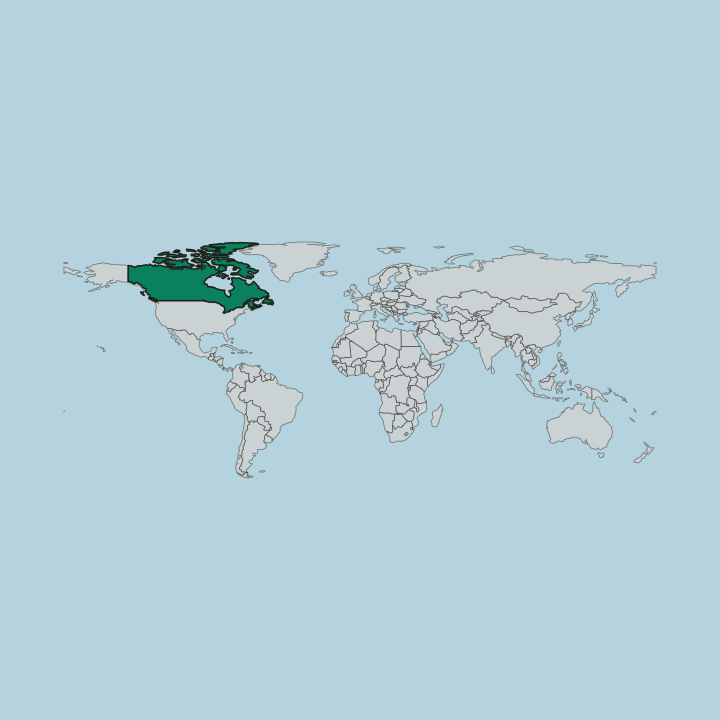
Where to stay in Windsor
How the choice of base plays out on the ground.
Windsor spreads its lodging across a low, flat plain, with the practical bases clustered near the riverside parks and the heritage core. The riverside is the natural first choice. Along it the Odette Sculpture Park and the walk past the Church of Our Lady of the Assumption stay within an easy stroll, and the open lawns fill with walkers when the weather turns mild.
Stay here to reach the water and the old parish on foot. The Walkerville quarter around Willistead Manor suits visitors who want quiet, tree-lined streets. Here the brick houses of Willistead Crescent and the manor's wooded grounds set a calmer tone away from the busier avenues, and the McGregor-Cowan House stands among the older homes.
Travellers drawn to the local galleries find the streets near Art Windsor-Essex and Windsor's Community Museum the most convenient of all, close to the collections and the François Baby House. Wherever you settle in Windsor, the flat land and the riverside parkland frame the southern edge of the city.
Find hotels in Windsor
Direct booking searches for these neighbourhoods.
Windsor riverside
The open lawns beside the Odette Sculpture Park and the walk to the Church of Our Lady of the Assumption, the most practical base for reaching the water on foot in Windsor.Find hotels in Windsor riversidequiet stays among the brick houses of Willistead CrescentWalkerville around Willistead
The tree-lined streets around Willistead Manor and the McGregor-Cowan House on Willistead Crescent, calmer than the busier avenues of Windsor.Find hotels in Walkerville around Willisteadgallery-goers near Art Windsor-EssexWindsor gallery streets
The blocks by Art Windsor-Essex and Windsor's Community Museum, close to the François Baby House and the heart of Windsor's collections.Find hotels in Windsor gallery streetsHotel links are affiliate links: booking through them may earn us a commission, at no extra cost to you. It never affects how places are ranked. How this works
Things to do in Windsor
Ranked by global recognition; descriptions from Wikidata (CC0).
Museums & Galleries
1- Art Windsor-Essex
Churches & Religious Sites
4- Church of Our Lady of the Assumption Heritage
- Mt. Zion Church of God in Christ Heritage
- Water's Edge Event Centre Heritage
- Holy Name of Mary Church, Windsor Heritage
Landmarks & Notable Places
8- Willistead Manor Heritage
- Duff Baby House Heritage
- François Baby House Heritage
- The Cobbles Heritage
- 889 Kildare Road Heritage
Show 3 more →
- Frank H. Joyce House Heritage
- McGregor-Cowan House Heritage
- 2011 Willistead Crescent Heritage
worth knowingacross 3 categories in Windsor
About Windsor
What is Windsor known for?
Windsor is known for its heritage architecture and its parkland along the water. The city holds Willistead Manor, a Tudor-Revival house set in its own grounds, and the Church of Our Lady of the Assumption, one of the oldest parishes in Ontario. Art Windsor-Essex anchors the local art collection.
Nearby, the Odette Sculpture Park lines a riverside walk with open-air work. Older still are the François Baby House and the Duff Baby House, brick homes that survived from the settlement's early decades.
What are the main landmarks in Windsor?
Windsor's landmarks run from early brick homes to grand later houses. The grandest is Willistead Manor, a Tudor-Revival mansion set in its own park with wooded grounds that shade the surrounding Walkerville streets. Among the churches, the Church of Our Lady of the Assumption stands as one of Ontario's oldest parishes, while Holy Trinity Church marks a later chapter.
The François Baby House and the Duff Baby House survive from the founding decades. Two museums hold the collections. Art Windsor-Essex and Windsor's Community Museum keep the record of the city and its earliest families.
What is the history of Windsor?
Windsor grew from a settlement founded in 1749 on the flat land of what became Ontario, Canada. Its roots are old. The François Baby House and the Duff Baby House, both brick homes of the Baby family, survive from those early decades and anchor the story of the first landholders.
Nearby, the Church of Our Lady of the Assumption traces the parish back to that founding era, standing as one of the oldest congregations in Ontario, and its later stone church still marks the ground. The nineteenth century filled out the settlement into a working city. Grand houses followed.
Willistead Manor, a Tudor-Revival mansion built for a manufacturing family, went up in its own wooded grounds, and the surrounding streets of Willistead Crescent took their heritage character. Older fabric gained new neighbours. The McGregor-Cowan House and Holy Trinity Church joined the streets as the city spread across the plain, and Art Windsor-Essex and Windsor's Community Museum keep that long record, from the Baby family homes to the manor.
Where is Windsor?
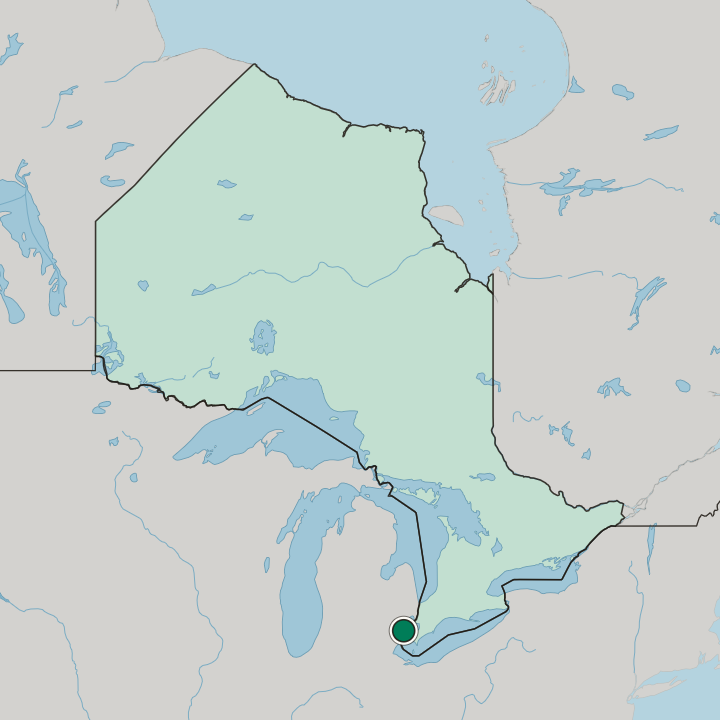
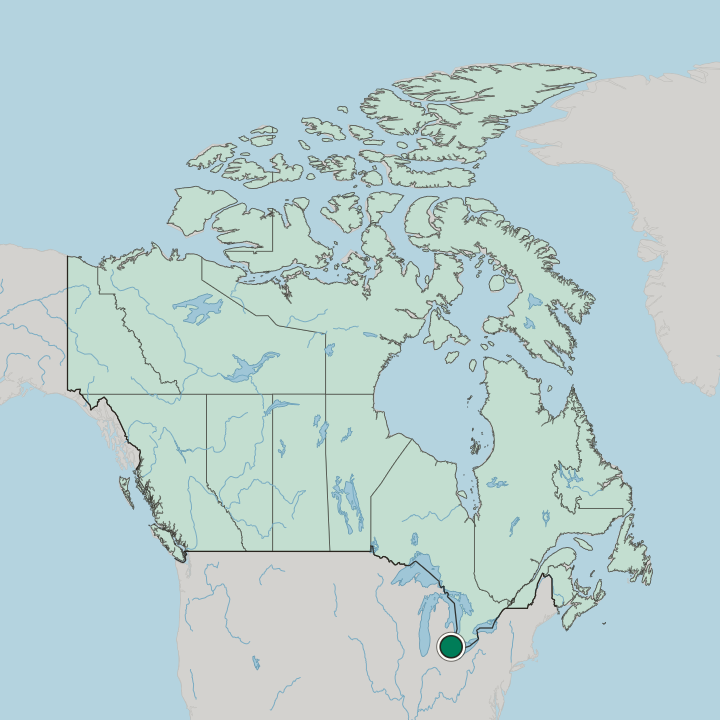
Windsor sits on flat, low-lying land in the southern part of Ontario, Canada, spread across roughly 146 square kilometres. The ground is level. Riverside parkland edges the built-up area, and the Odette Sculpture Park follows the water's course through the city.
The wooded grounds of Willistead Manor break the plain with a stand of mature trees. This open, gently drained terrain shaped the grid of streets and the parks that thread between them.
What is the climate of Windsor?
Windsor has a humid continental climate with a wide swing between the seasons. Winters are cold and grey. Summers turn warm and humid over the flat land of southern Ontario, with long, mild spells that draw walkers out along the riverside parks and the lawns of the Odette Sculpture Park.
Spring and autumn are changeable, cooler and often damp. Snow settles across the plain through the colder months.
How do you get to Windsor?
Windsor sits at the southern edge of Ontario, Canada, reached by road, rail, and air. Highways run in from across the province. Rail service links the city to the wider Canadian network, and a regional airport lies a short drive from the centre.
Once in Windsor, the flat streets make the riverside parks, Willistead Manor, and the Church of Our Lady of the Assumption easy to reach on foot or by a brief ride.
Common questions
What is the best area to stay in Windsor?
Windsor riverside: waterside walks past the Odette Sculpture Park. Walkerville around Willistead: quiet stays among the brick houses of Willistead Crescent. Windsor gallery streets: gallery-goers near Art Windsor-Essex.
Good for
More cities in Ontario
Updated September 2026